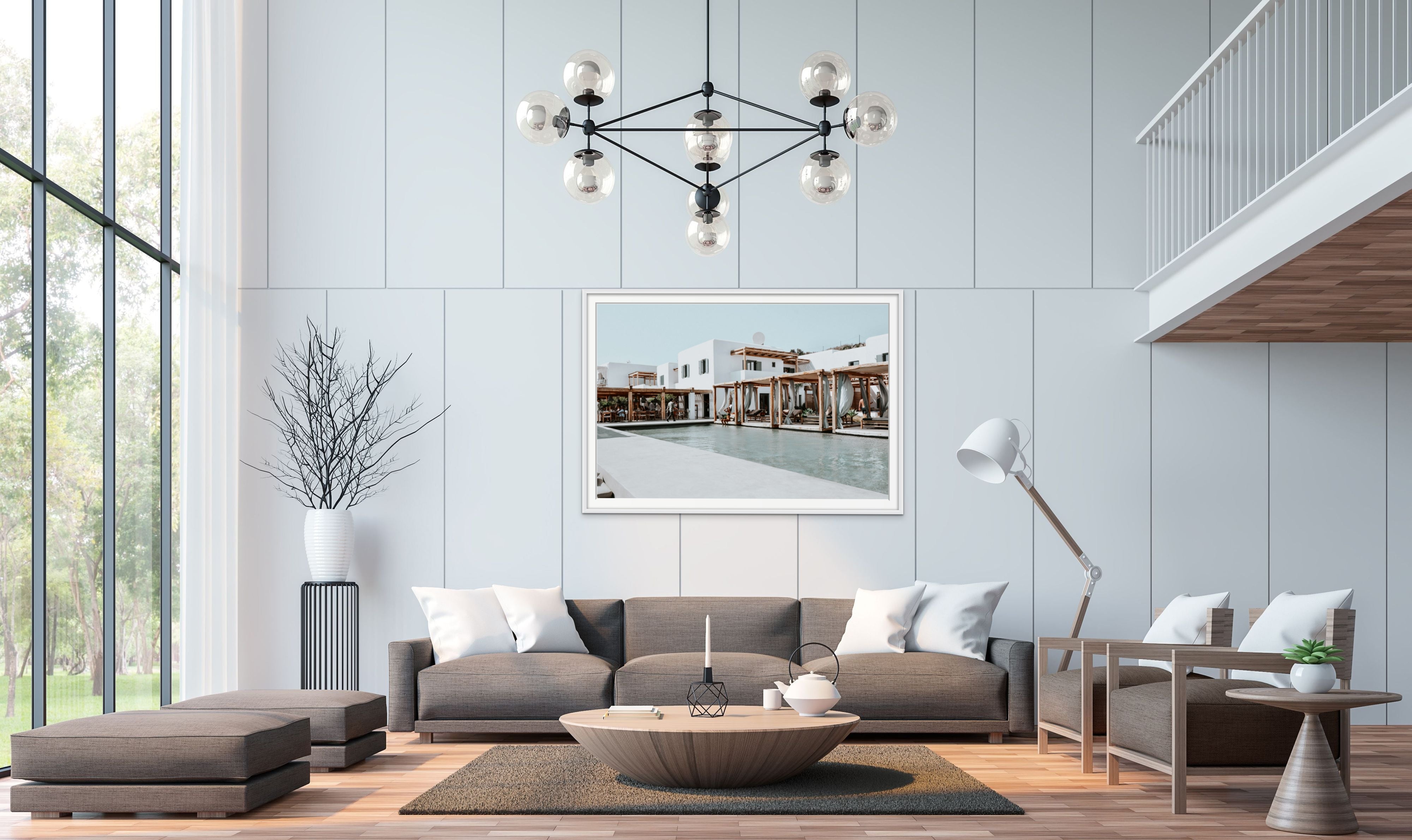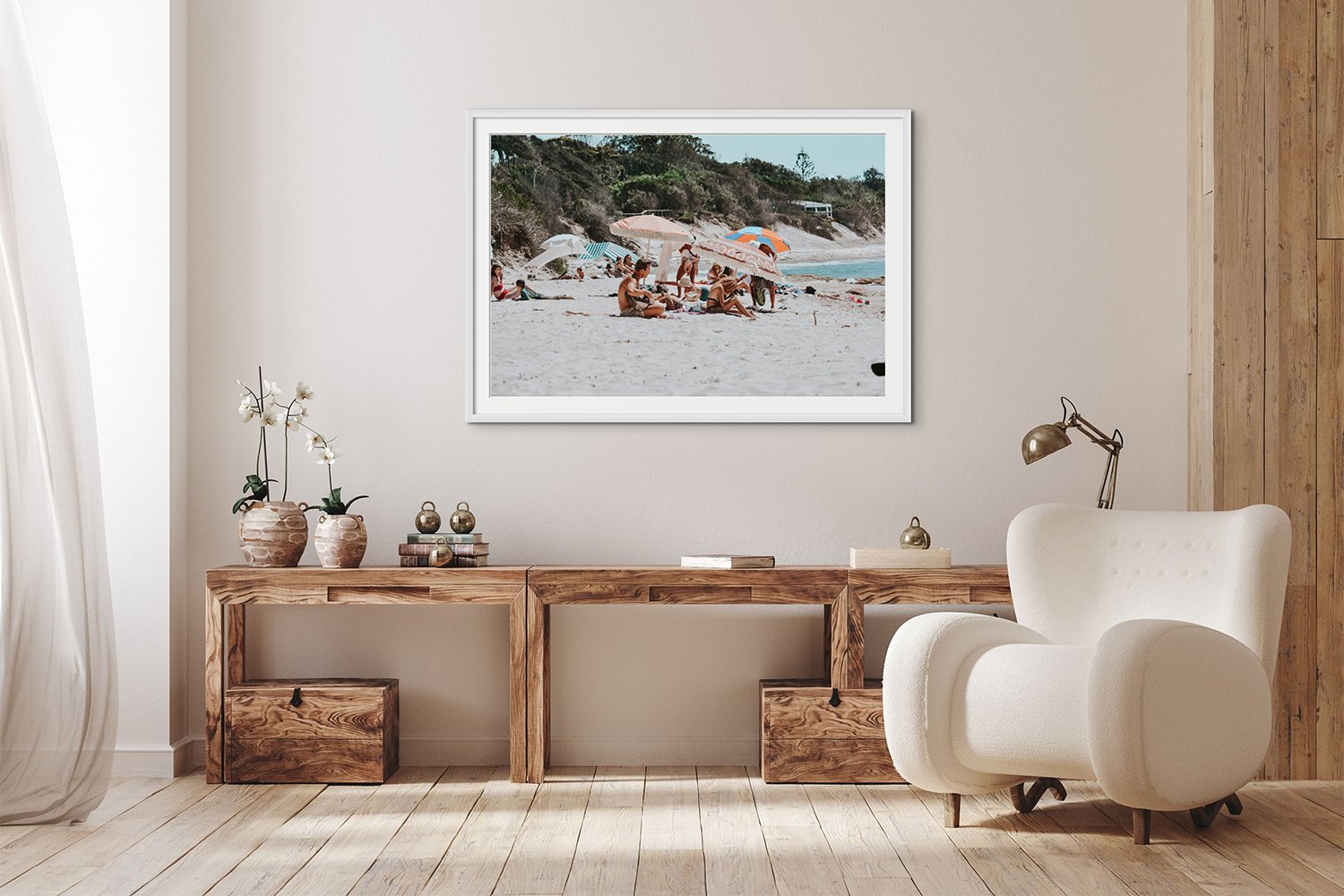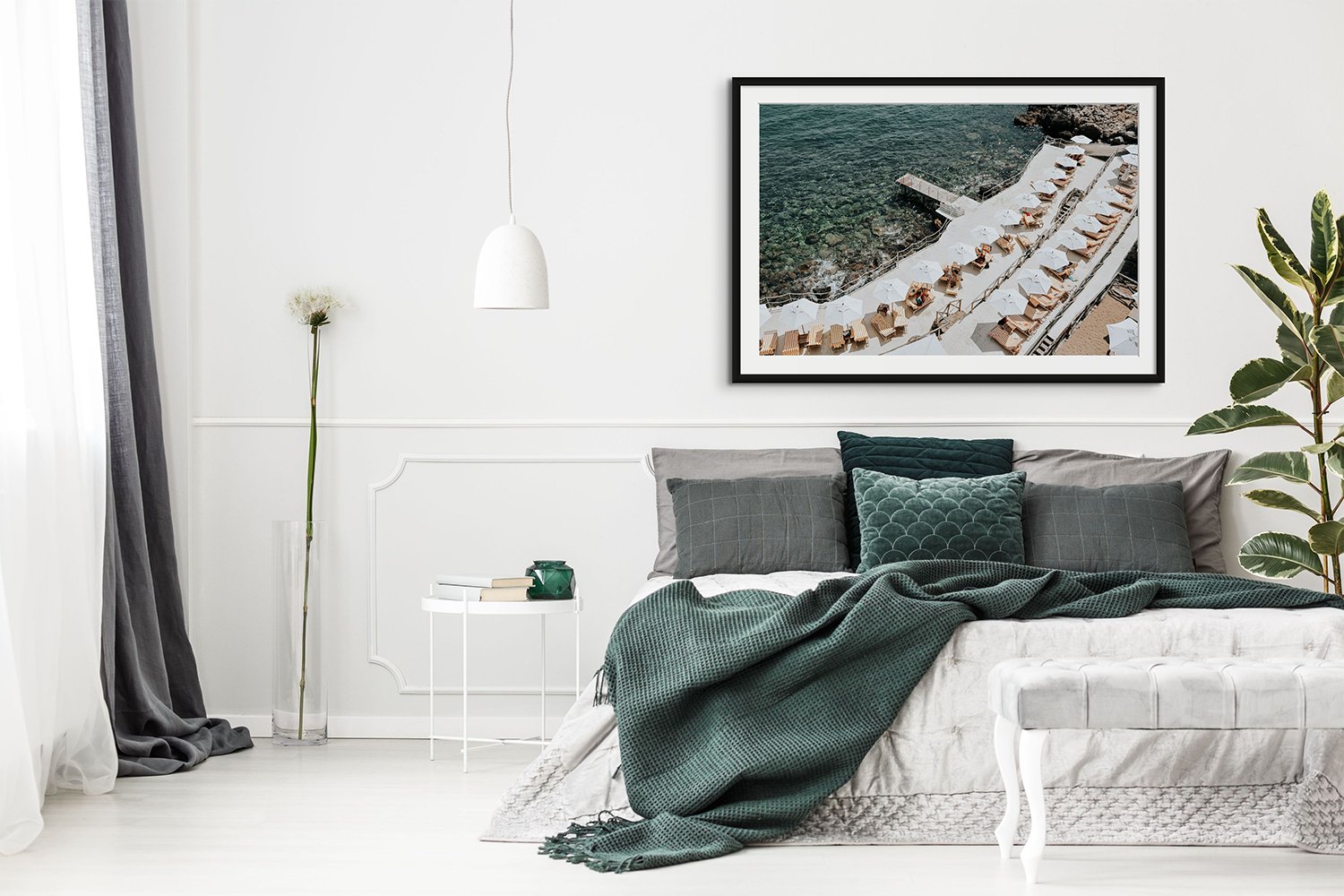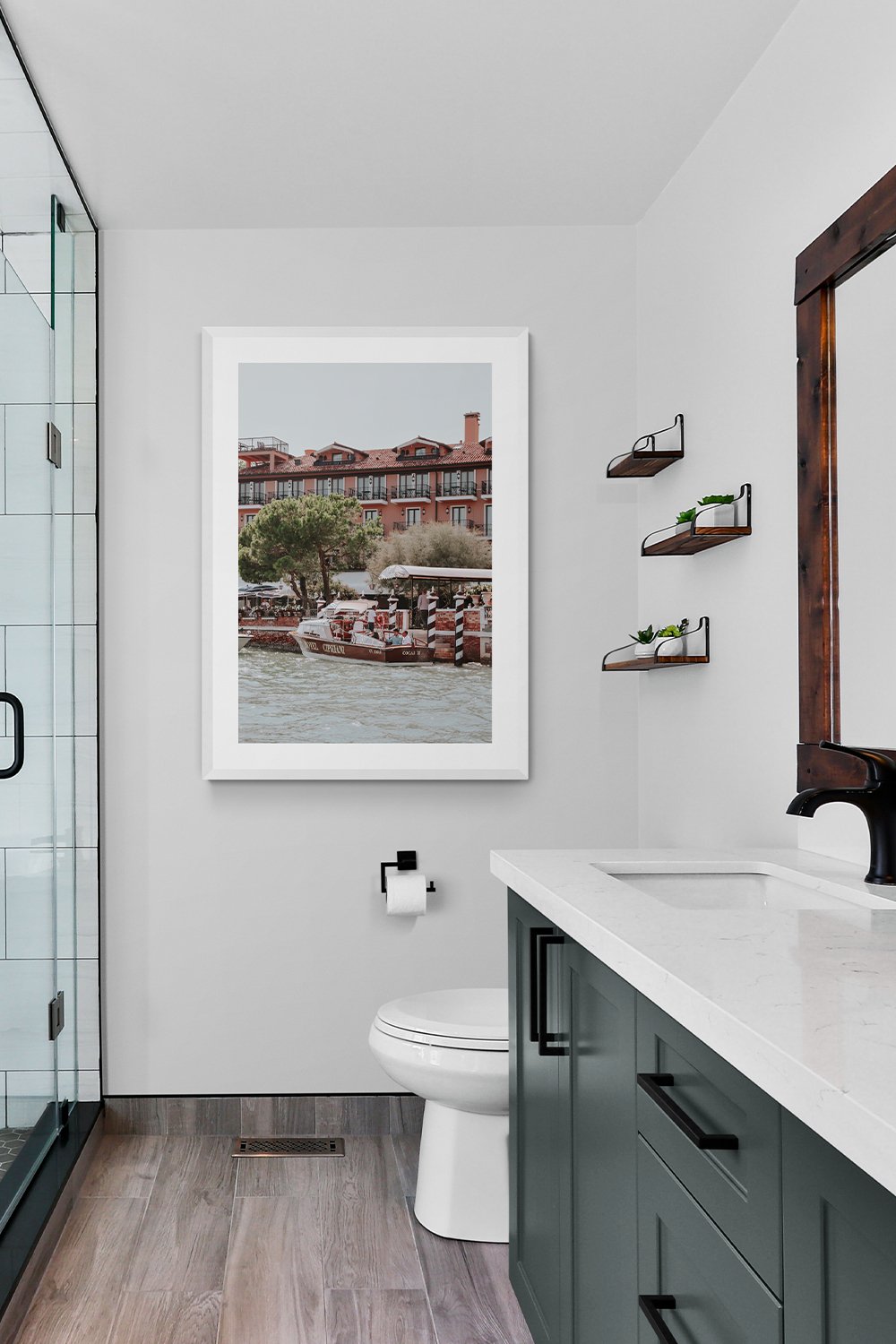

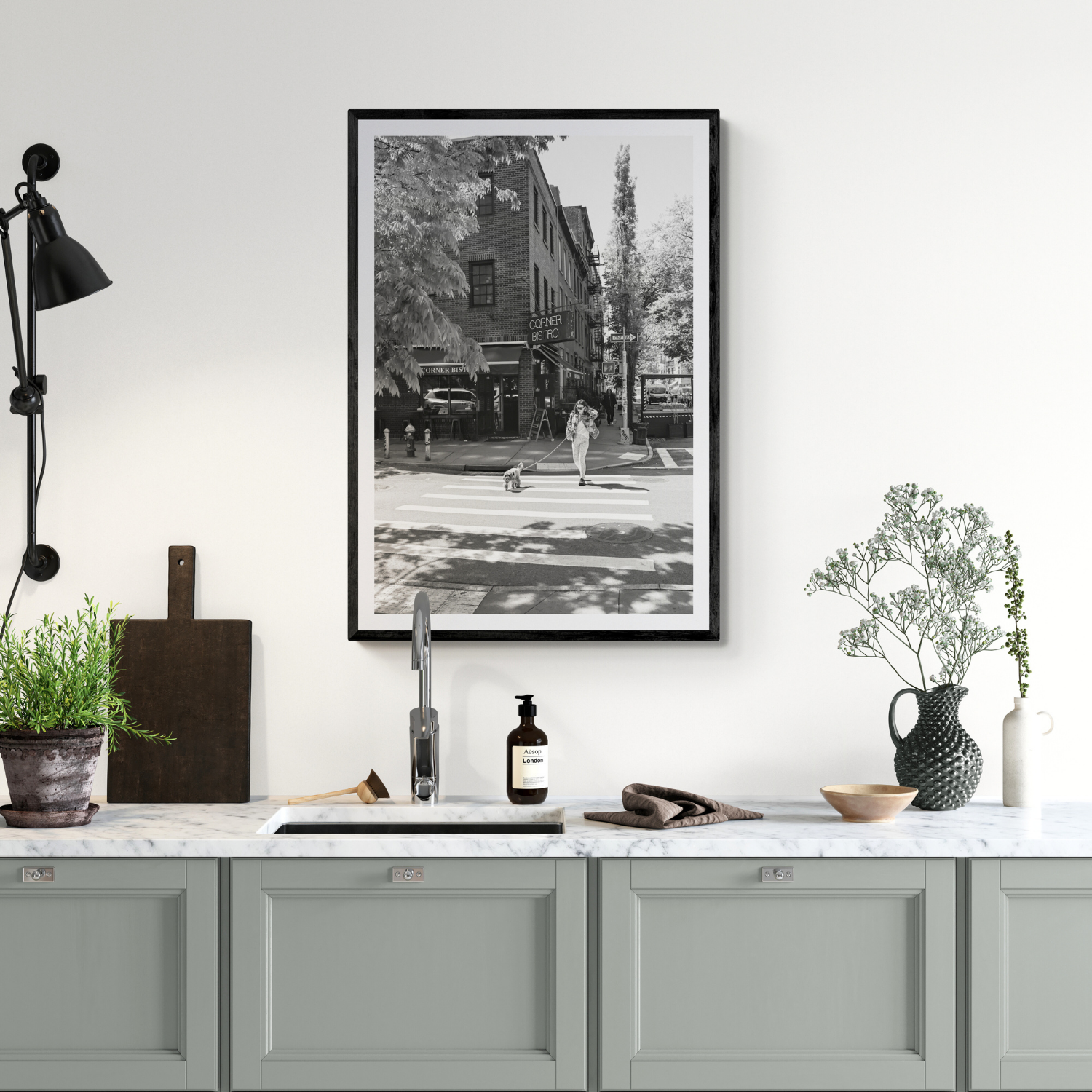
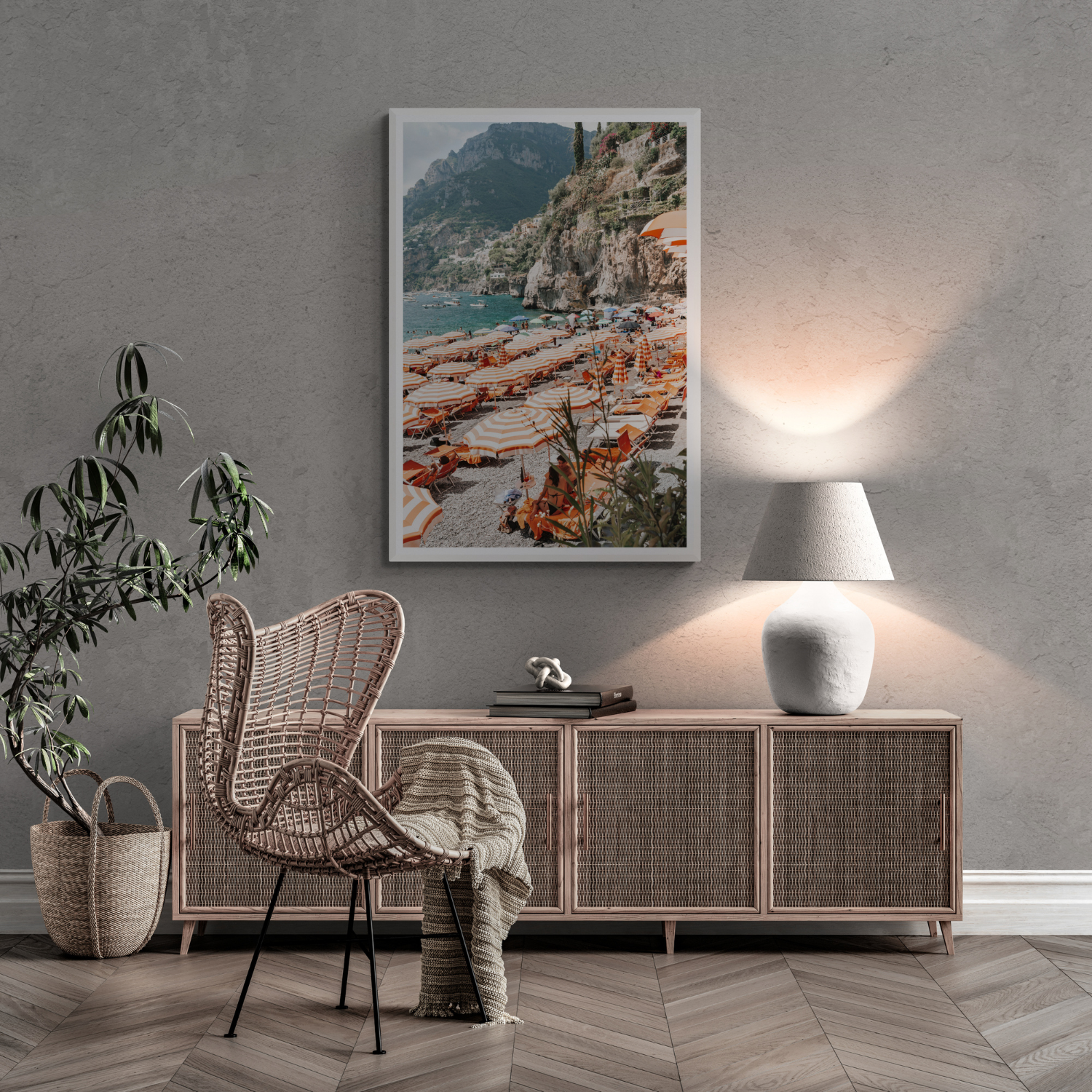
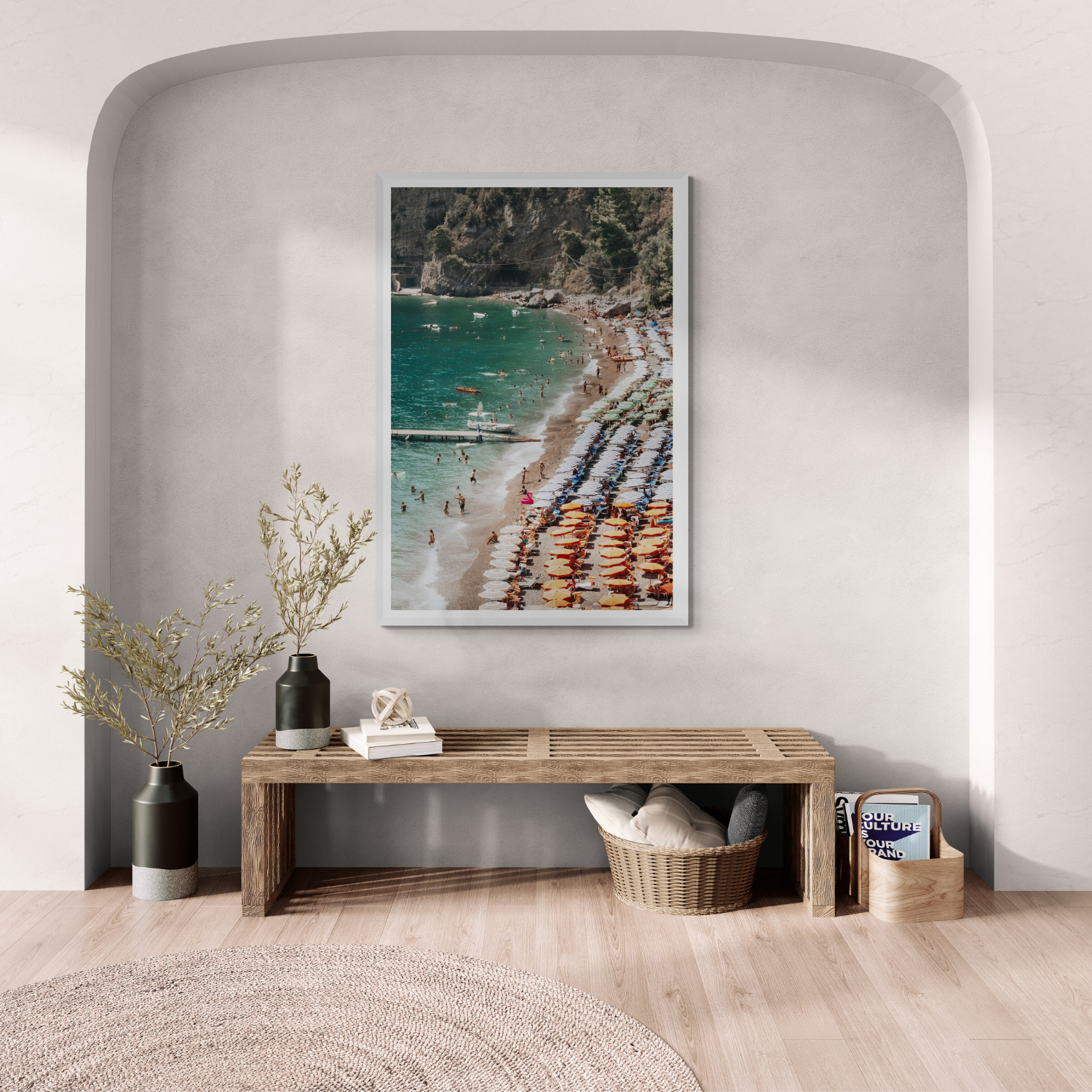
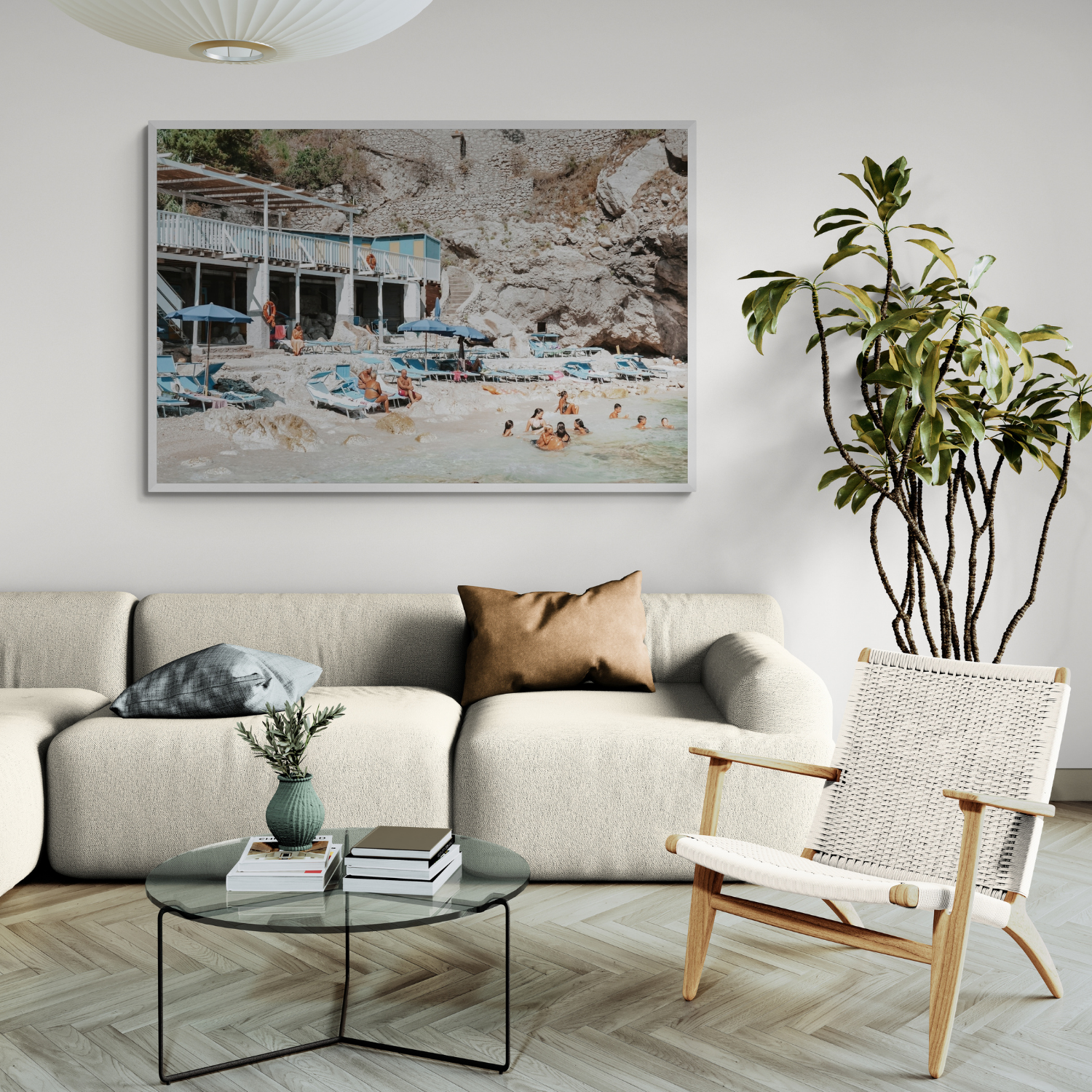
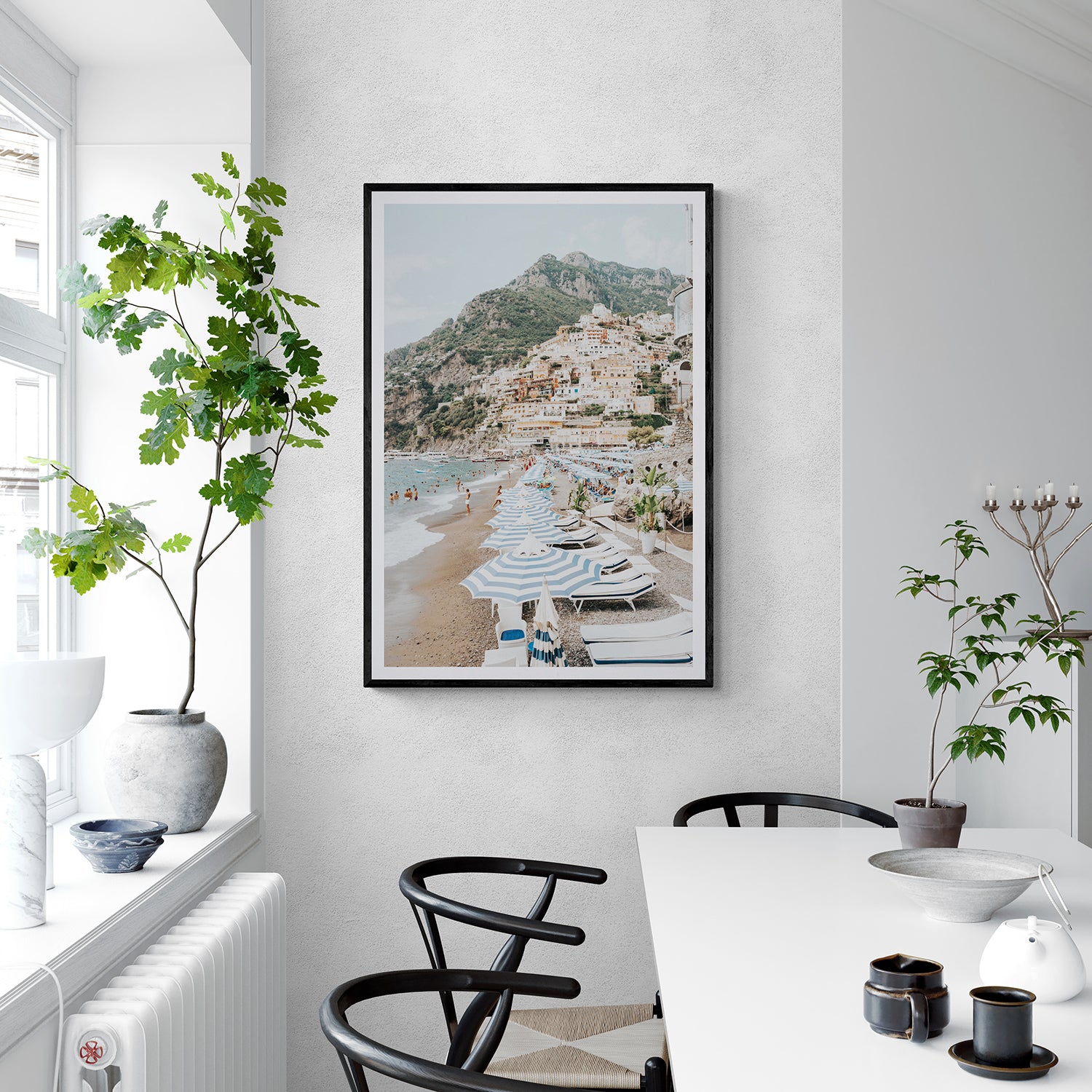
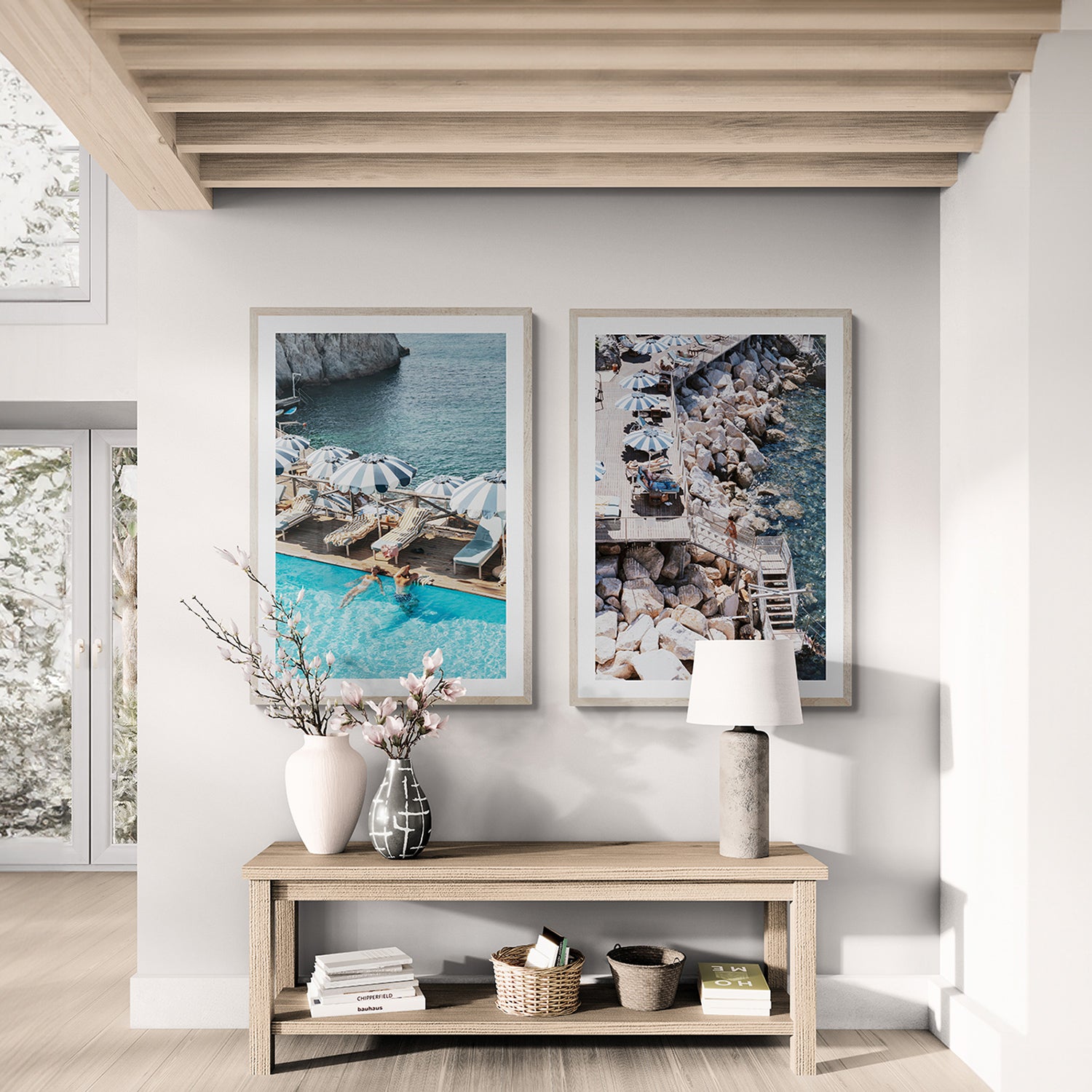
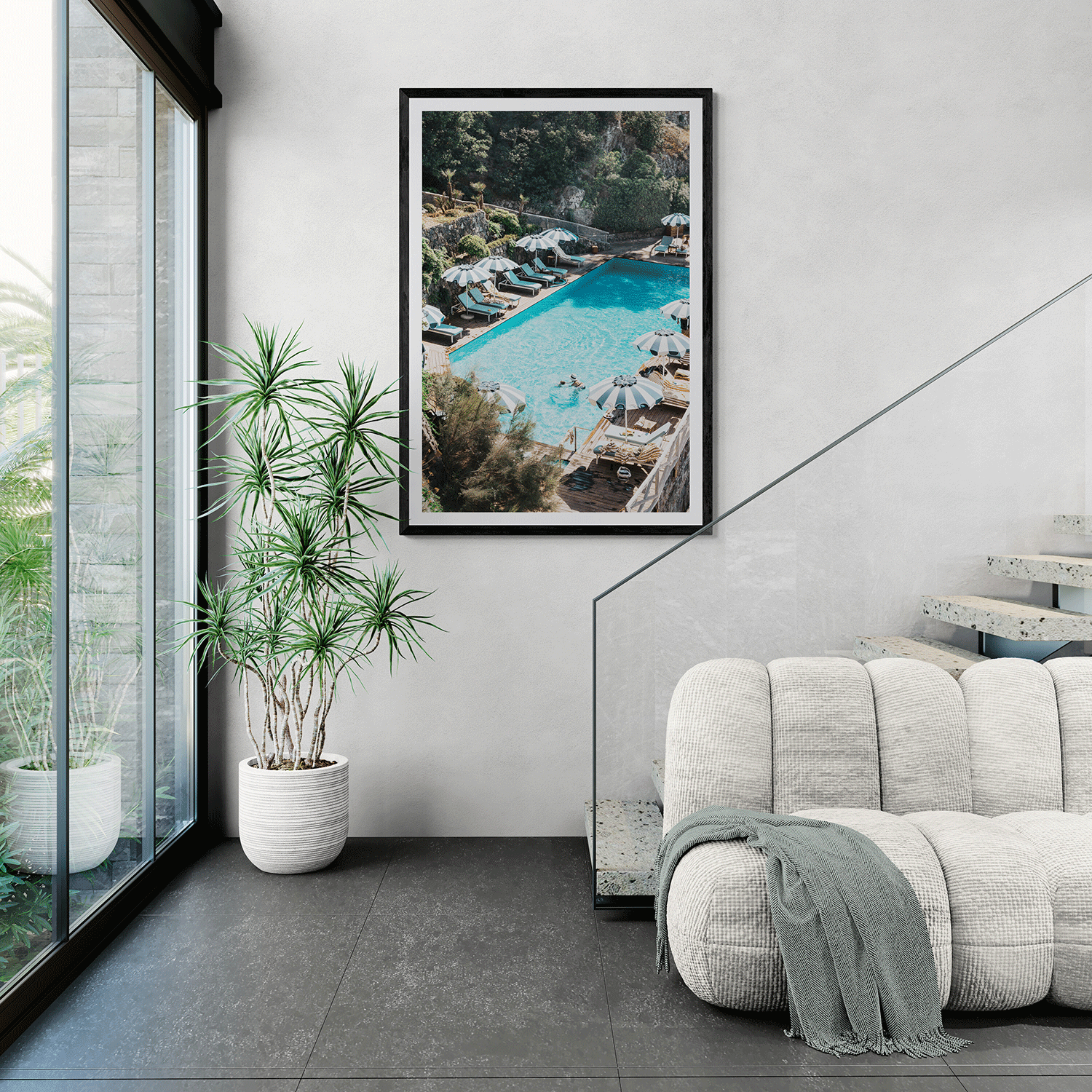
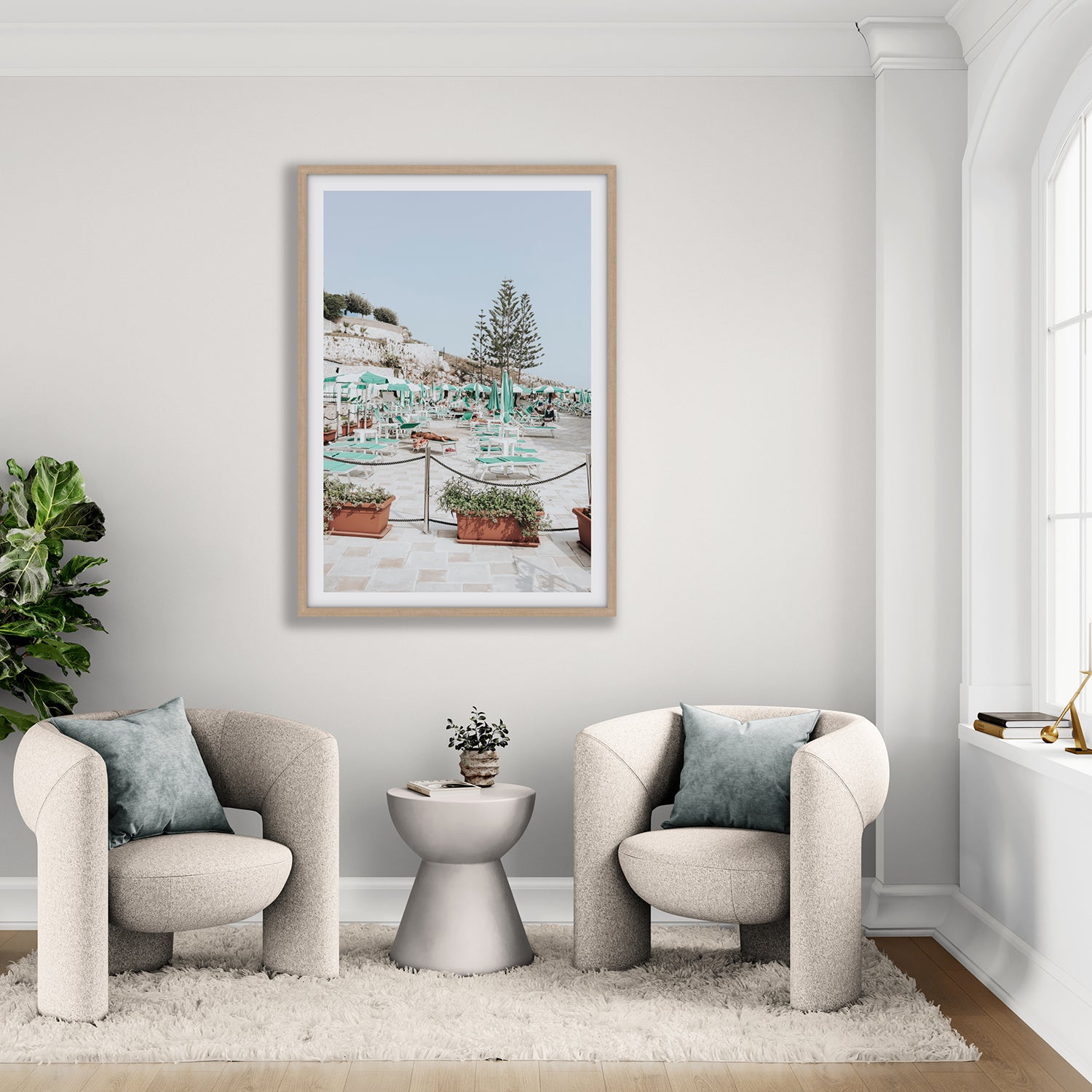
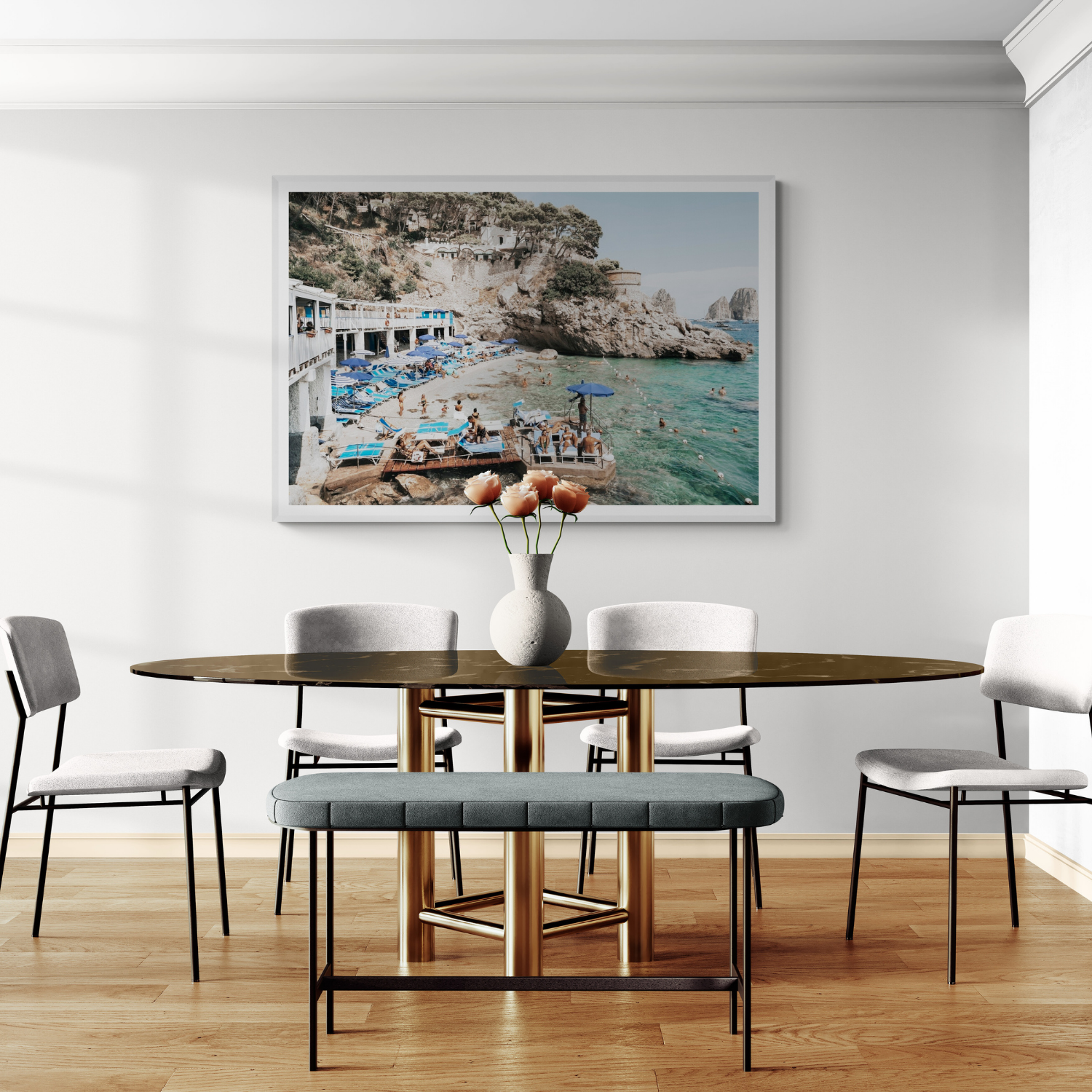
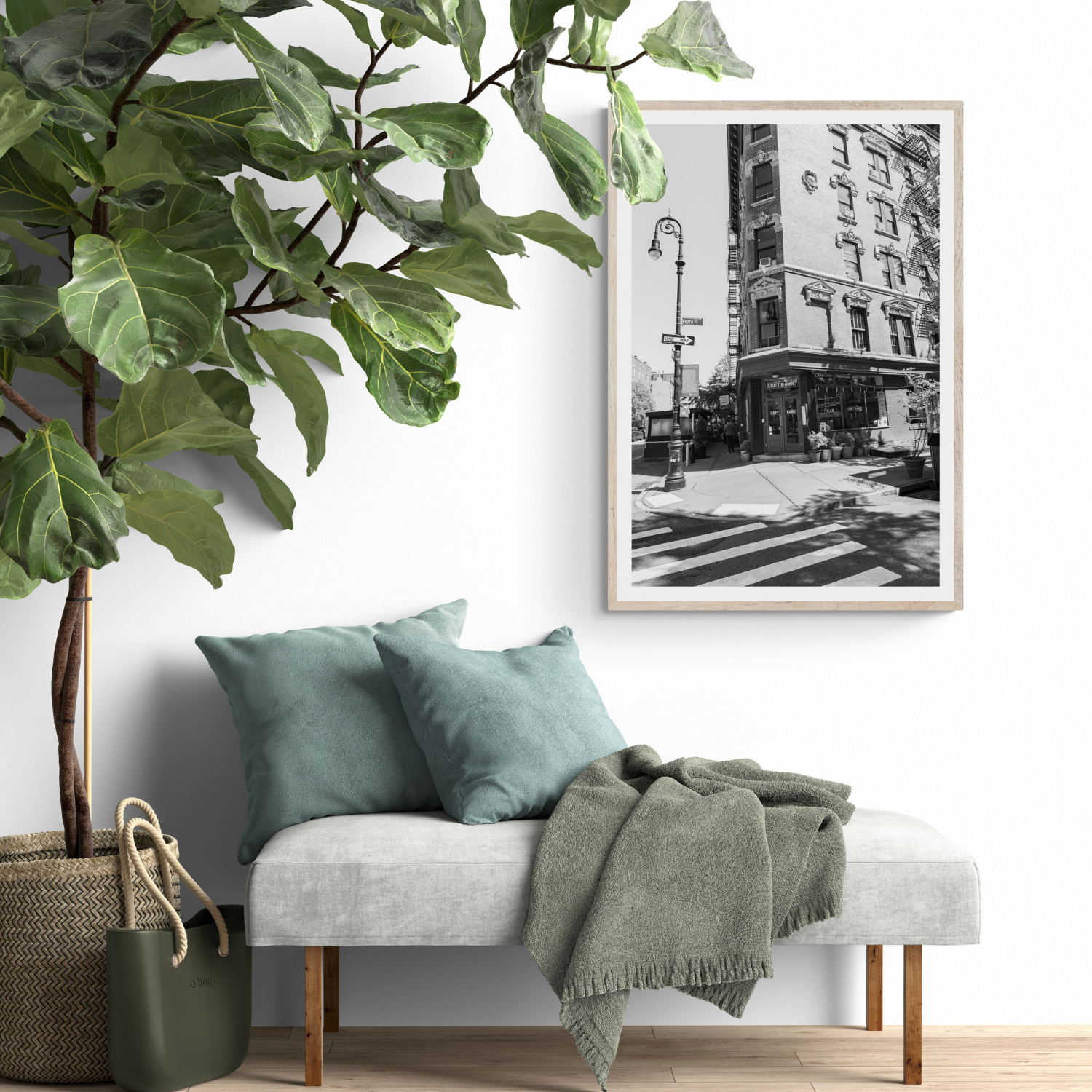
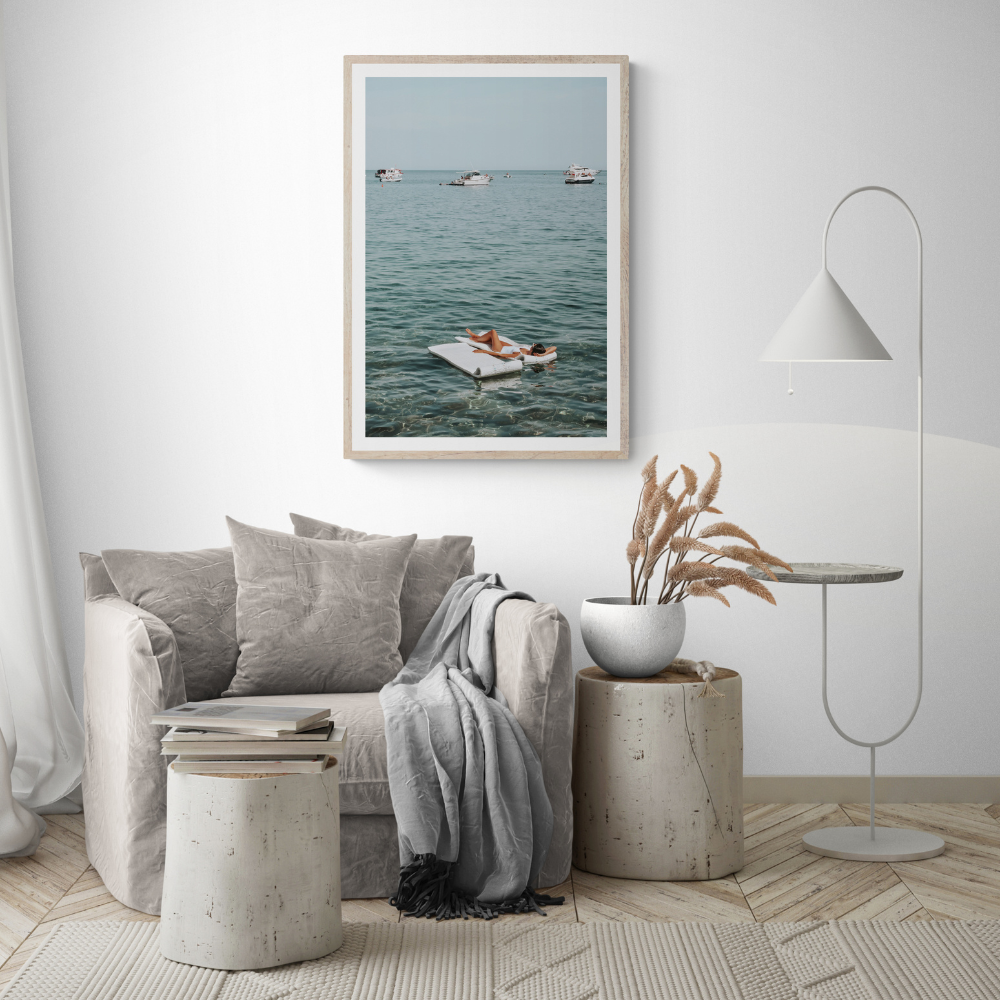
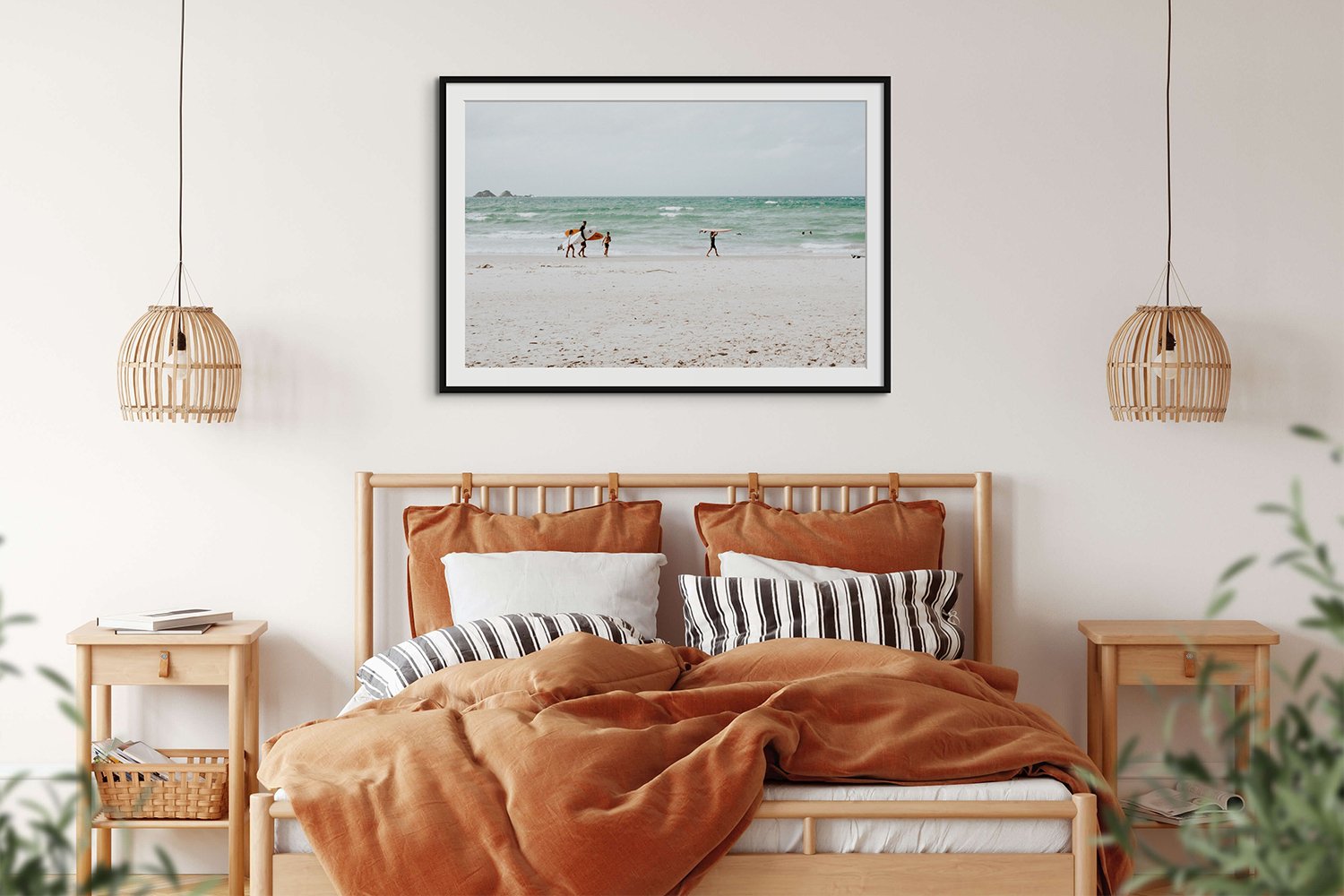


Some rooms do not need a renovation, a new sofa or a complete restyle. They need one considered finishing piece. The right wall art can make a room feel more intentional almost immediately, because it gives the eye somewhere to land and gives the space a clearer mood.
That is the simple addition this guide is really about: one artwork, or one carefully chosen print set, that makes everything around it feel more resolved. If your home feels close but not quite finished, start with the wall before you start replacing the furniture.
Quick answer
The easiest way to elevate your home is to choose wall art with the right scale, mood and placement for the room. Start with the wall that feels bare or unresolved, choose a print large enough to hold the space, then connect it to the room through one colour, material or feeling. Browse best-selling fine art prints, muted tone wall art or print sets if you want a more guided starting point.
Why wall art changes a room so quickly
Furniture makes a room usable, but artwork often makes it feel personal. It can bring in atmosphere, colour, memory and scale without changing the bones of the space. A blank wall can make even beautiful furniture feel unfinished. A considered print gives that wall a purpose.
This is why wall art is such a strong first move when a room feels flat. You are not adding clutter. You are adding a visual anchor. One strong image can make a console, bedhead, dining nook or living room wall feel styled instead of simply filled.
Start with the wall that feels unfinished
Before choosing a print, look at the room honestly. Which wall do you keep noticing for the wrong reason? It might be the space above a sofa, a lonely hallway, the wall opposite a bed, or a dining area that feels practical but not memorable.
That is usually the best place to start. The goal is not to decorate every wall. It is to choose the one wall that will make the biggest difference to how the room feels. A single piece can be enough when it sits in the right place.
Choose scale before style
Scale is one of the biggest reasons artwork feels either elevated or accidental. A print that is too small can make a wall feel more unfinished, because the empty space around it starts to look like a mistake. A larger piece, or a balanced pair, tends to feel more deliberate.
As a simple rule, let the artwork relate to the furniture beneath it. Above a sofa, bed or console, the print should feel connected to the width of that piece rather than floating on its own. If the wall is wide, a ready-made print set can be a better choice than trying to force one small print to do all the work.
Use colour as a thread, not a match
Artwork does not need to match every cushion, rug or vase in the room. In fact, a perfect match can make the space feel overly decorated. A more natural approach is to repeat one thread.
That thread might be warm whites, soft greens, stone, sand, black accents or a muted blue. If your room already has timber, linen, travertine or plaster tones, explore whites and neutrals or soft and serene wall art. If the room needs a little more depth, a muted palette can add interest without shouting.
Decide whether the room needs calm, warmth or energy
The best artwork choice usually begins with feeling. A bedroom may need calm. A hallway may need character. A dining room may need warmth. A living room may need a stronger focal point.
Once you name the job, the edit becomes easier. A soft architectural print can make a room feel quieter. A coastal photograph can make it feel more open. A warmer Mediterranean piece can bring in texture and ease. If you are unsure which direction suits your home, the Amichi Co style quiz is a useful way to narrow the mood before you start comparing prints.
When one print is enough
One print is enough when the wall is narrow, the furniture below it is compact, or the room already has plenty of other visual detail. In those cases, choose a piece with enough presence to hold attention but enough breathing room to stay elegant.
This is where prints such as Simple Harmony or Tranquil Ascent work beautifully. They bring a sense of place and texture, but they still feel calm enough for everyday rooms.
When a print set is the better choice
A print set is useful when the wall needs width, rhythm or balance. Two pieces can make a room feel collected without asking you to build a gallery wall from scratch. The key is choosing a set that shares a visual language: similar light, palette, destination mood or composition.
For wide living room walls, bedsides, dining spaces and long hallways, print sets can feel more polished than one undersized piece. They also remove a lot of the decision fatigue because the pairing has already been considered.
The Amichi Co edit
For this kind of simple home update, start with artwork that feels flexible rather than overly themed. Best sellers are a good first stop because they show the pieces people are already drawn to for real homes. Muted tones suit rooms that need softness and restraint, while Mediterranean living prints bring warmth, texture and a holiday feeling without needing the whole room to become coastal.
The aim is not to make the artwork do everything. It should make the room feel more finished, more personal and more considered. That is the quiet power of one well-chosen print.
Frequently asked questions
What is the easiest way to elevate a room?
The easiest way to elevate a room is to add one properly scaled piece of wall art to the area that feels most unfinished. Choose by mood first, then refine by size, palette and placement.
Should wall art match the room?
Wall art should connect to the room, but it does not need to match perfectly. Repeat one colour, material or feeling so the print feels intentional without looking overly coordinated.
Is one large print or two smaller prints better?
One large print works well when the wall needs a clear focal point. Two smaller prints or a print set can be better for a wide wall, above a bed, or anywhere the room needs more rhythm and balance.
What kind of wall art is easiest to style?
Photographic prints with calm colour, natural texture, open space or a clear destination mood are usually easy to style because they add atmosphere without overwhelming the room.
Finishing recipe
Three ways to make one artwork feel transformative

Choose the wall that feels unfinished
Start where the room feels bare, flat or unresolved, then let the print give that wall a clear role.
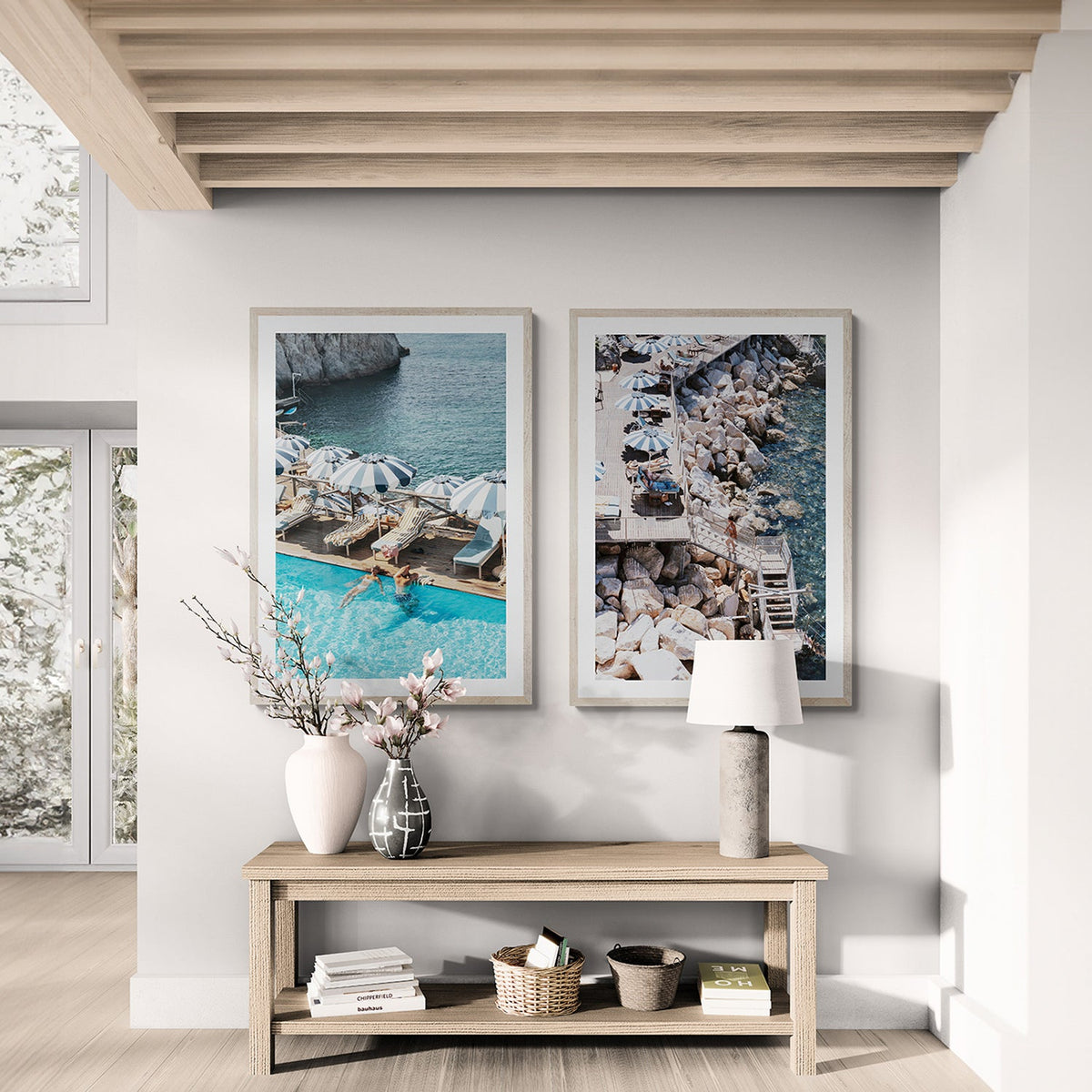
Use a set if the wall is wide
When one artwork would feel too small, use a ready-made print set so the scale and palette already work together.

Repeat one material cue
Let timber, linen, stone or warm white tones echo the artwork so the print feels built into the room.