



Minimalism is useful when it makes a home easier to live in. It does not require a white room, an empty shelf or giving up the things you love. These six steps help you decide what to keep visible and how to make the space work with less friction.
1. Name what the room must do
List the activities that happen there and the furniture they require. A living room used for reading and family conversation needs comfortable seats and good light; a staged photograph may omit both. Keep the essentials that support your routine before deciding what to remove.
2. Edit one zone completely
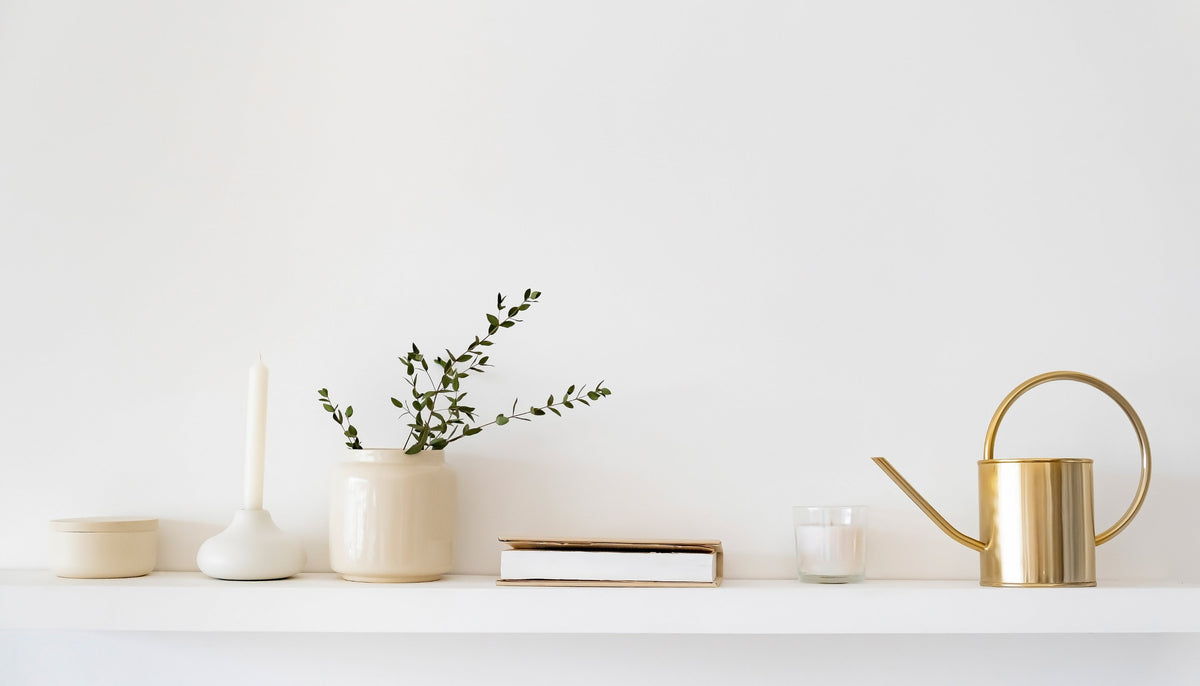
Choose one shelf, drawer or surface. Take everything off it, clean it, and return items you use or want to see. Move the rest to its proper place, donate it or dispose of it responsibly. Finishing one zone teaches you more than spreading piles across the whole home.
3. Give useful things a home
Closed storage can calm visual noise, but it should not hide forgotten purchases. Place frequently used items within easy reach. Group similar things in a drawer or cabinet that actually fits them. Before buying organisers, check whether you can reduce what needs organising.
4. Simplify the palette without flattening it
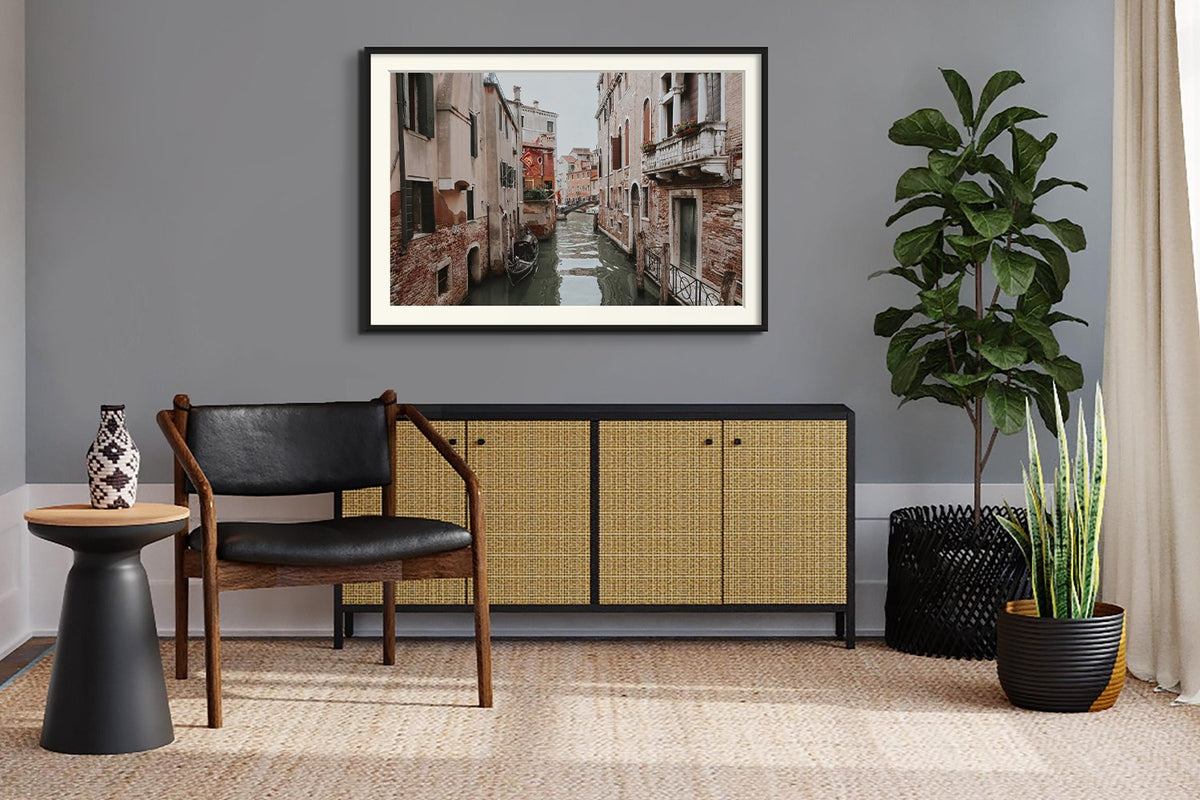
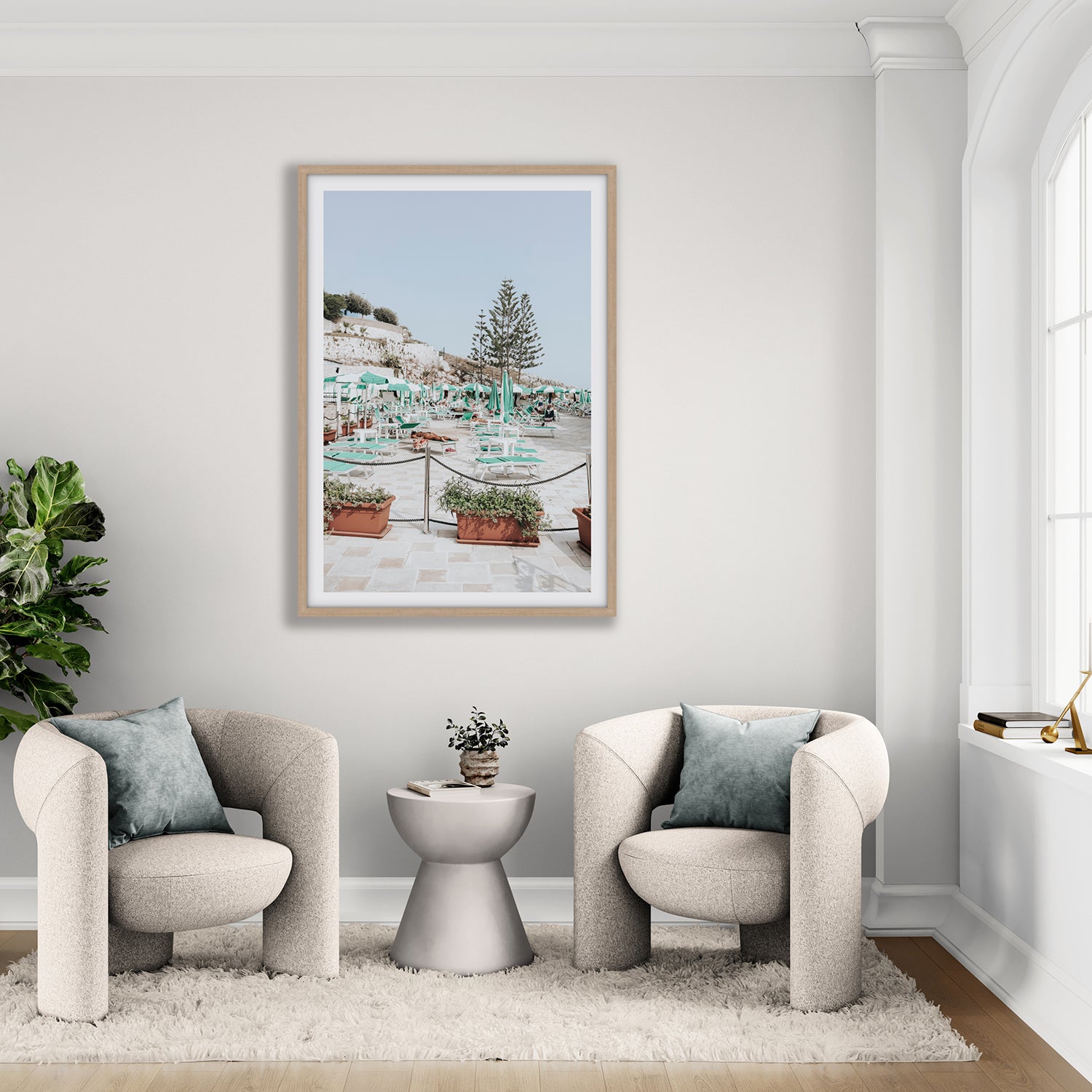
Look at floor, walls and large furniture. Choose a small set of colours that sit comfortably together, then add depth through texture: timber, fabric, ceramics and light. A room can be colourful and still feel quiet if each strong tone has enough space around it.
5. Work with light and empty space
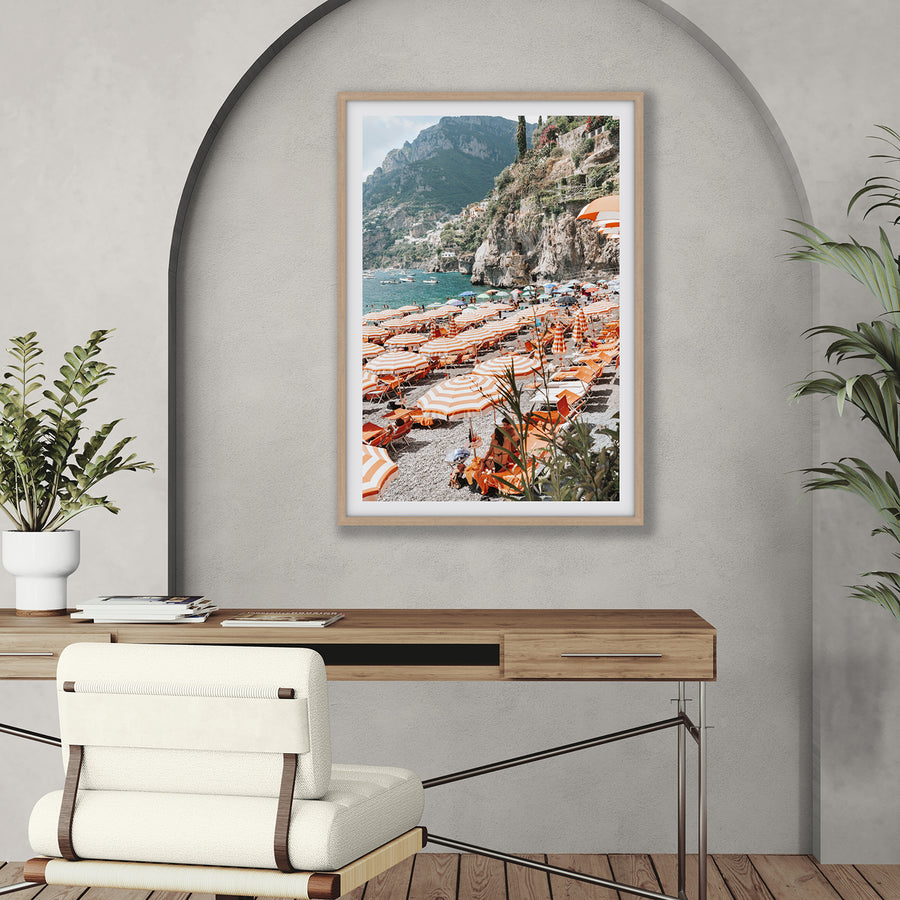
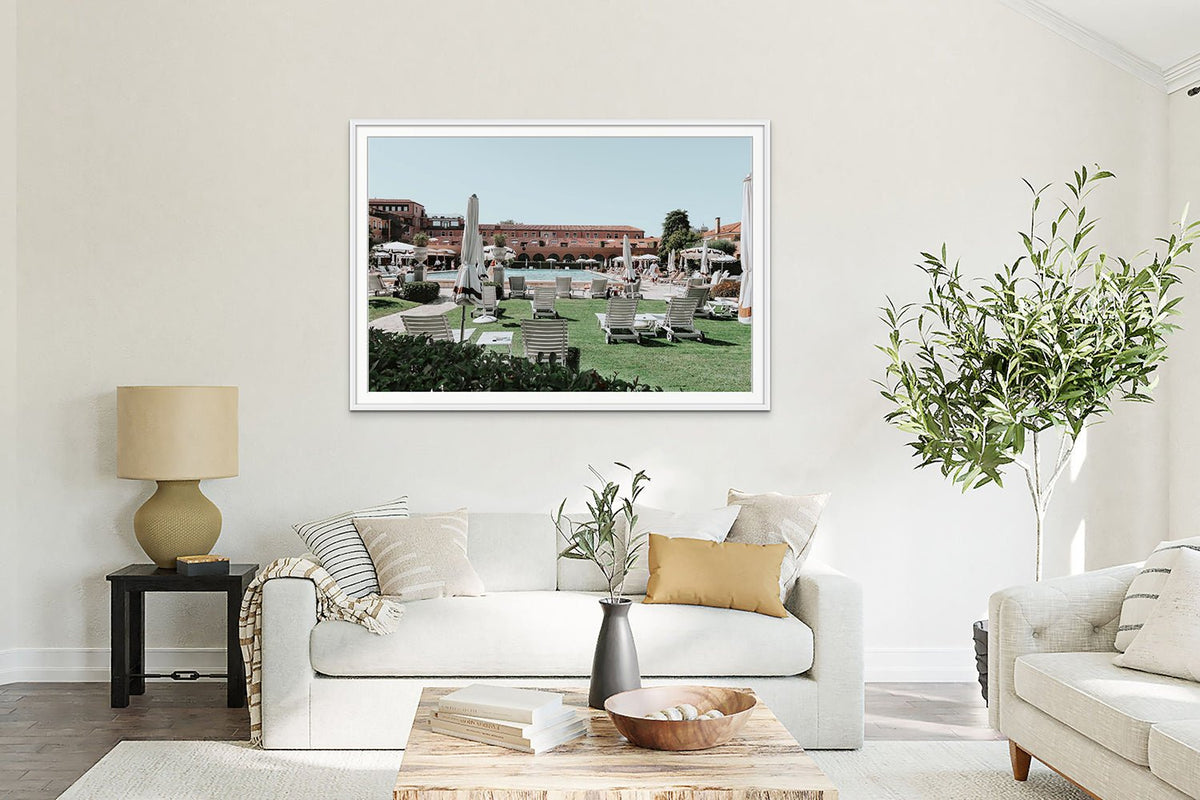
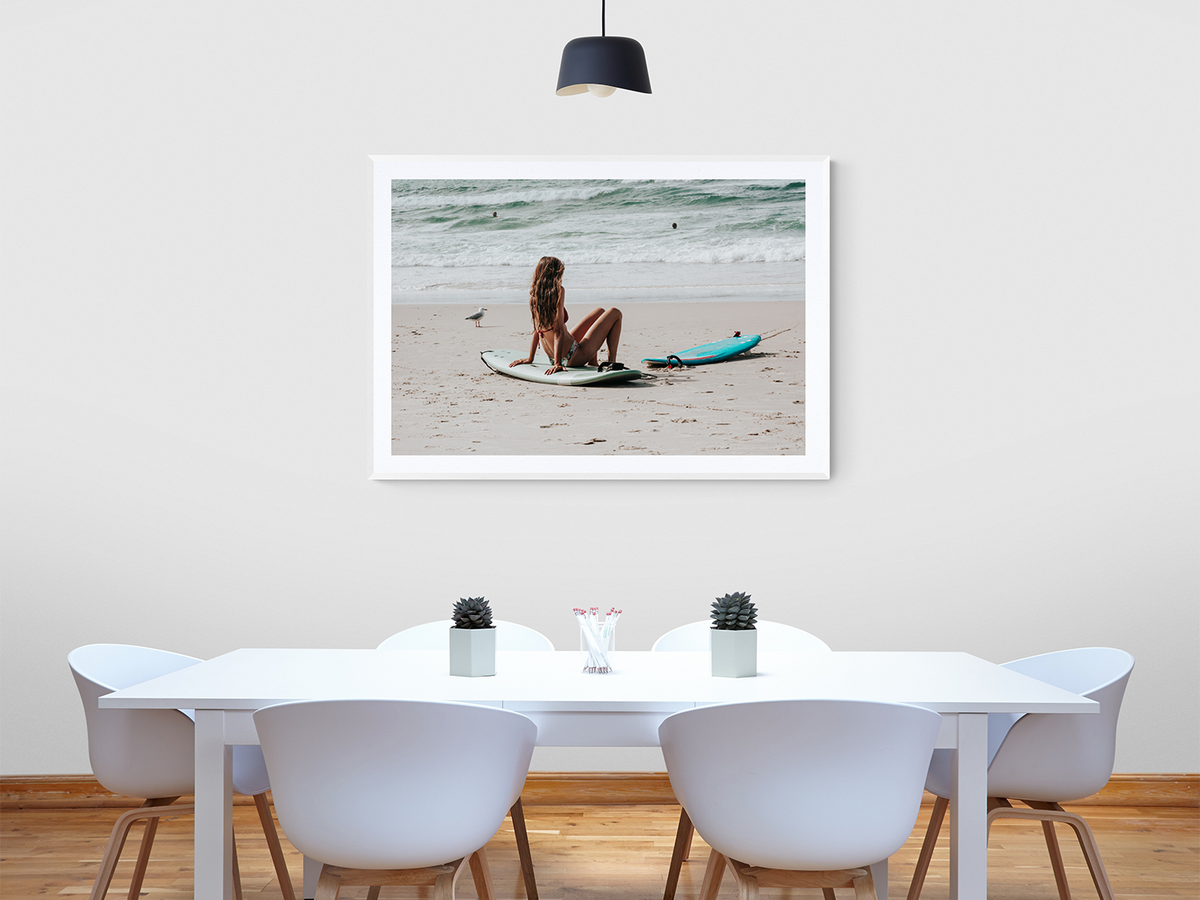
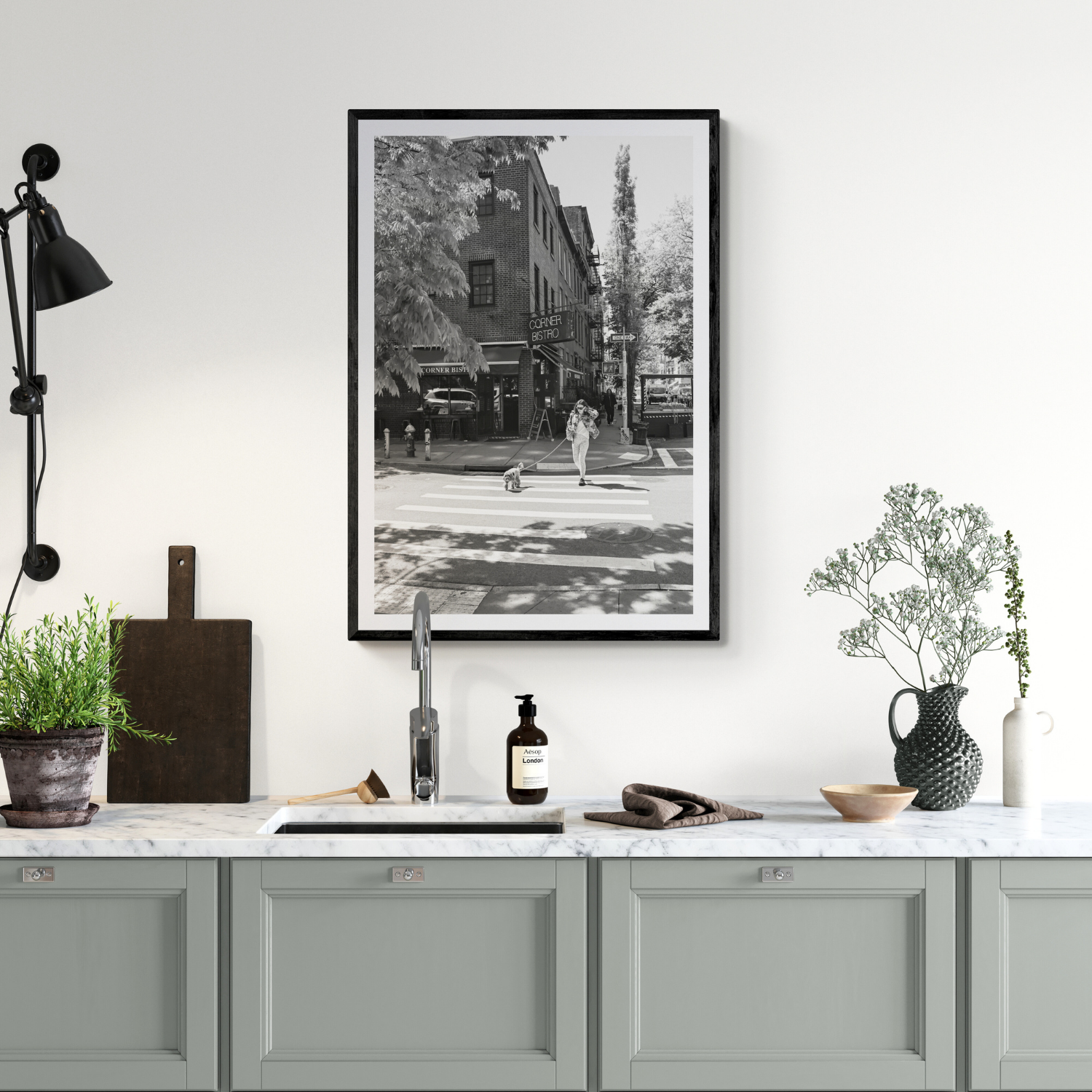
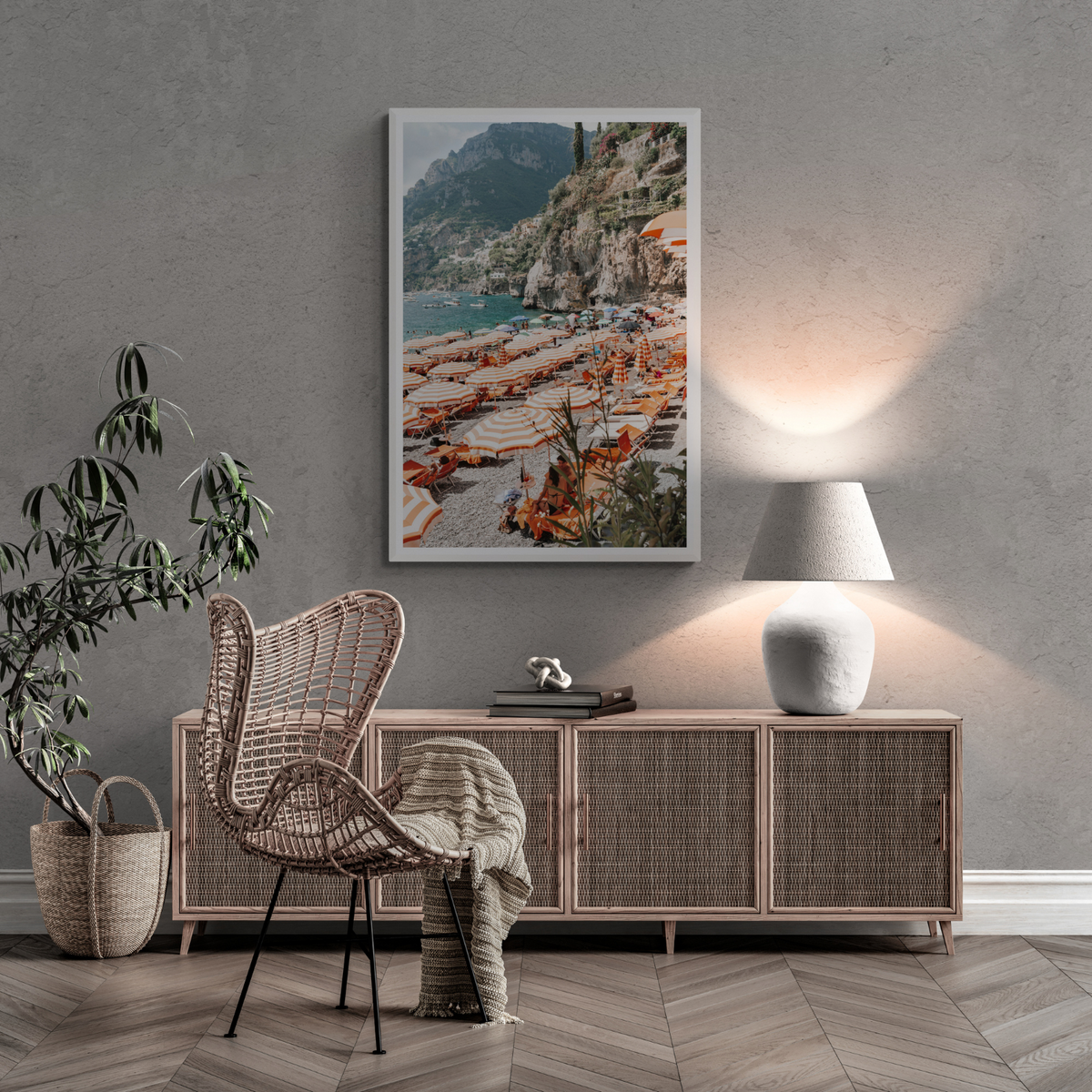
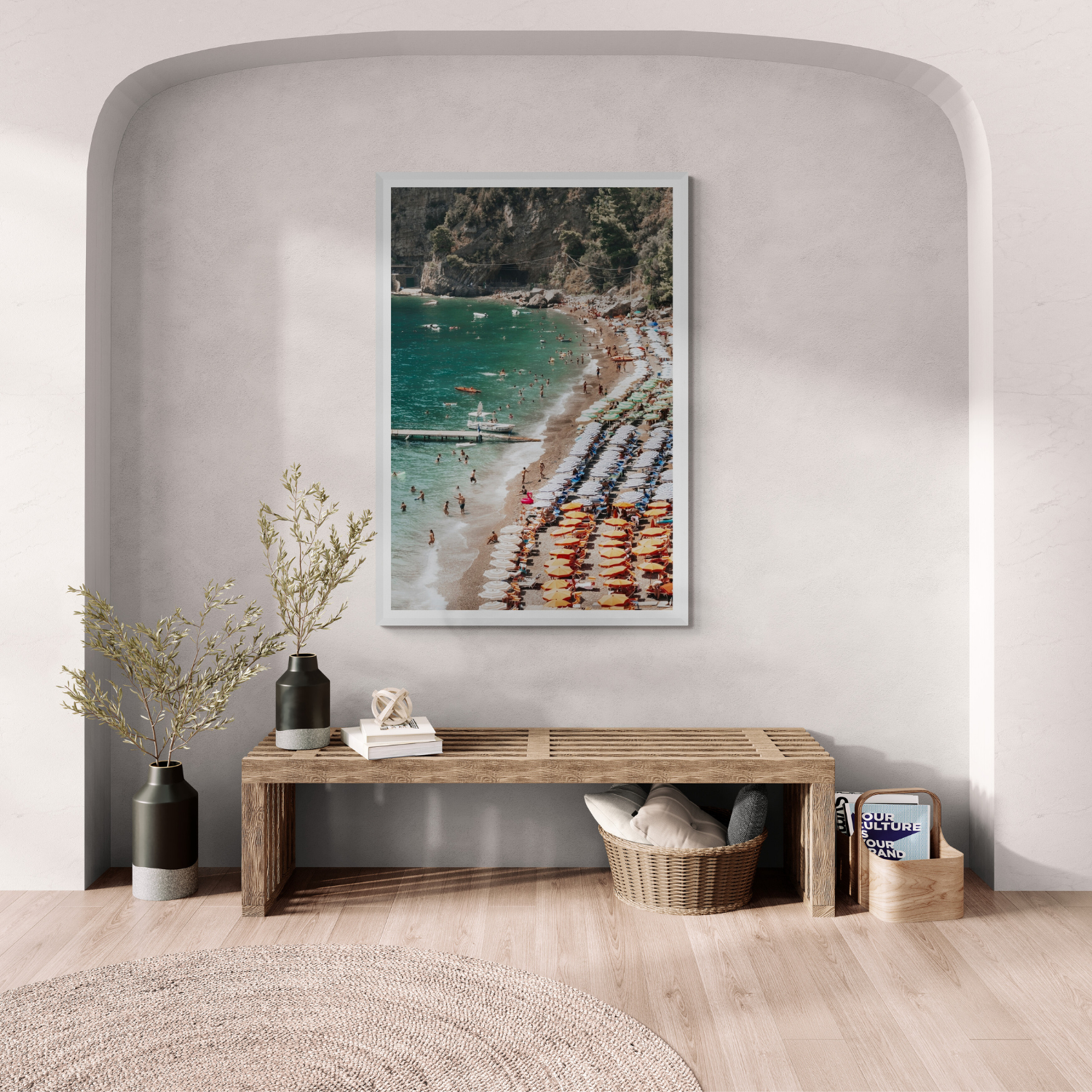
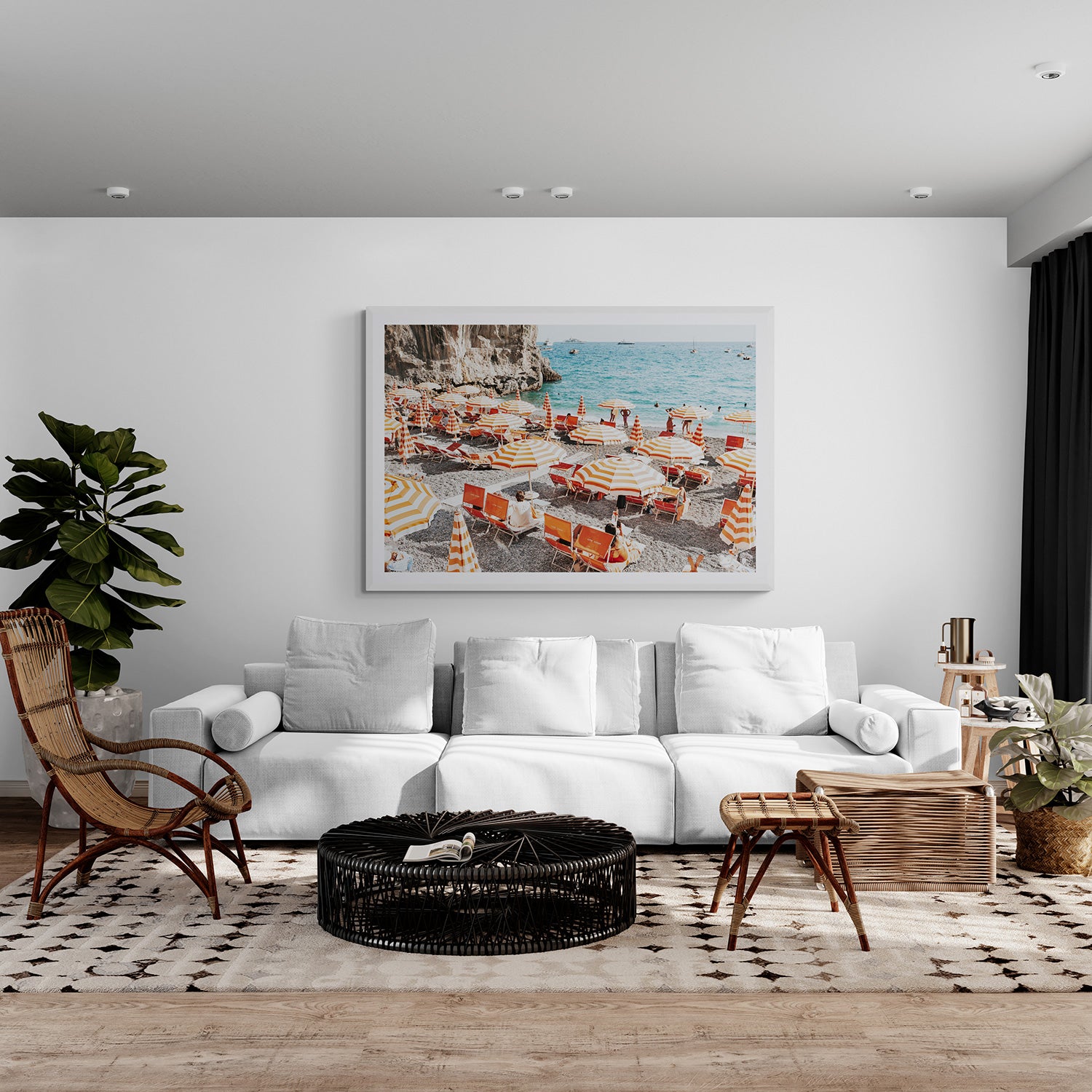
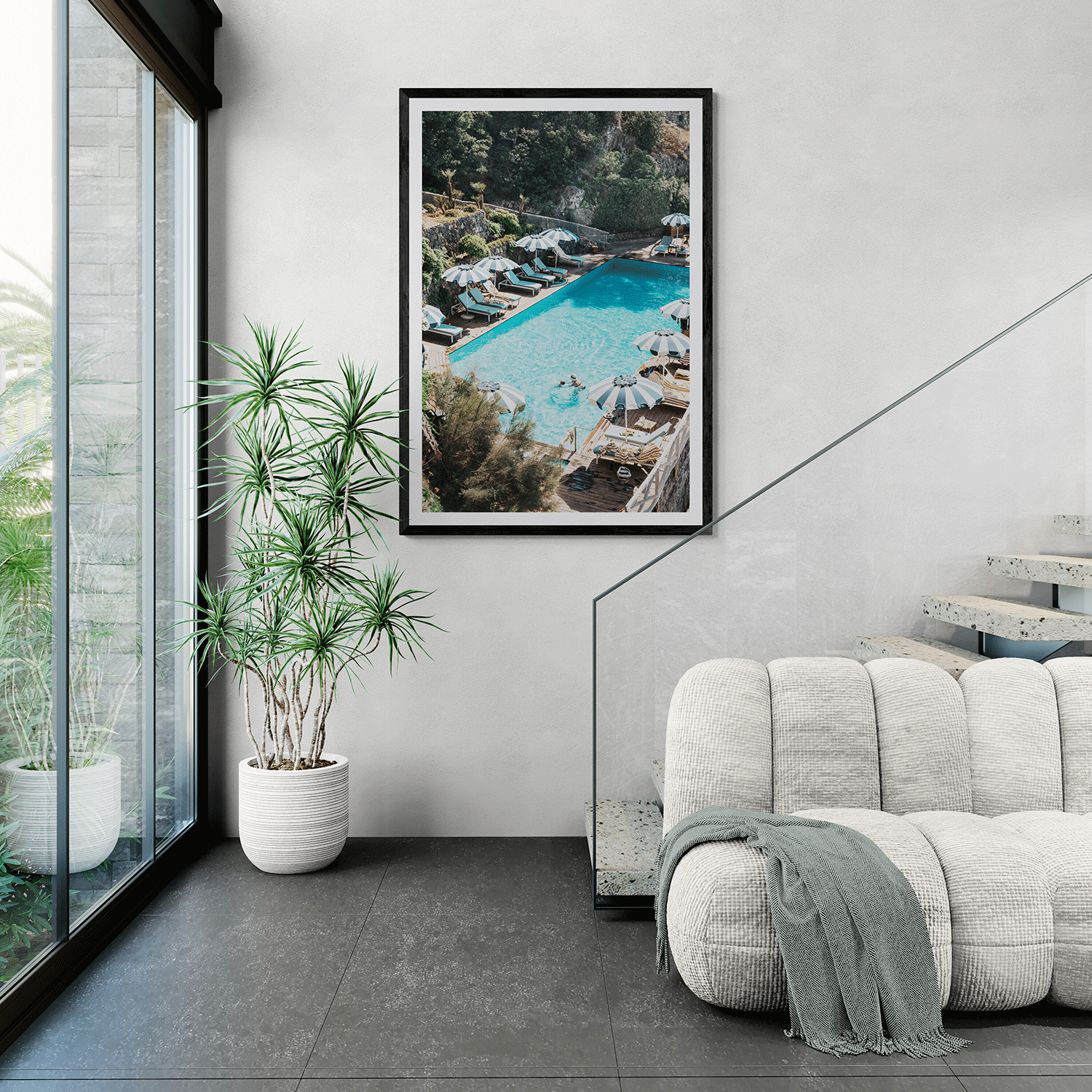
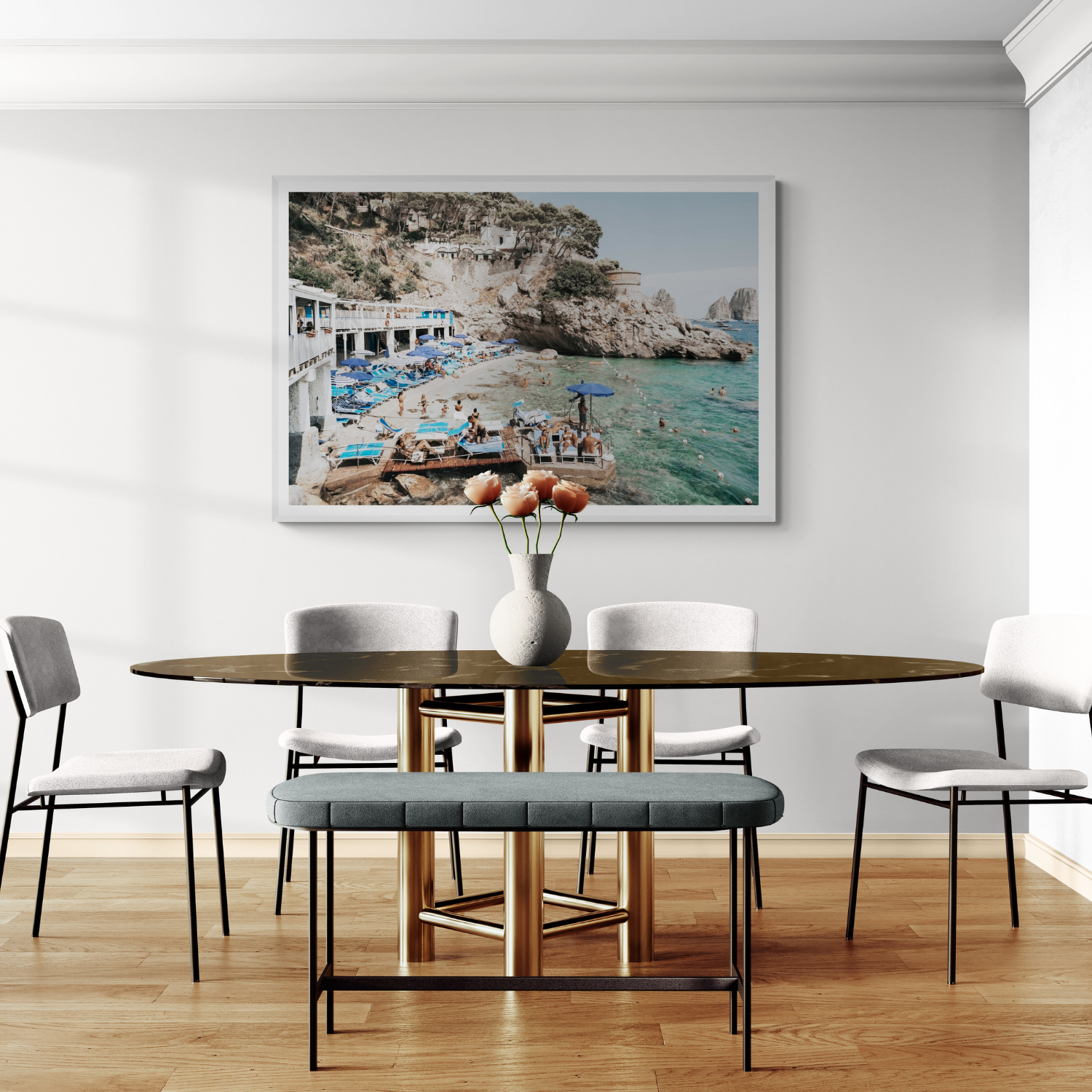
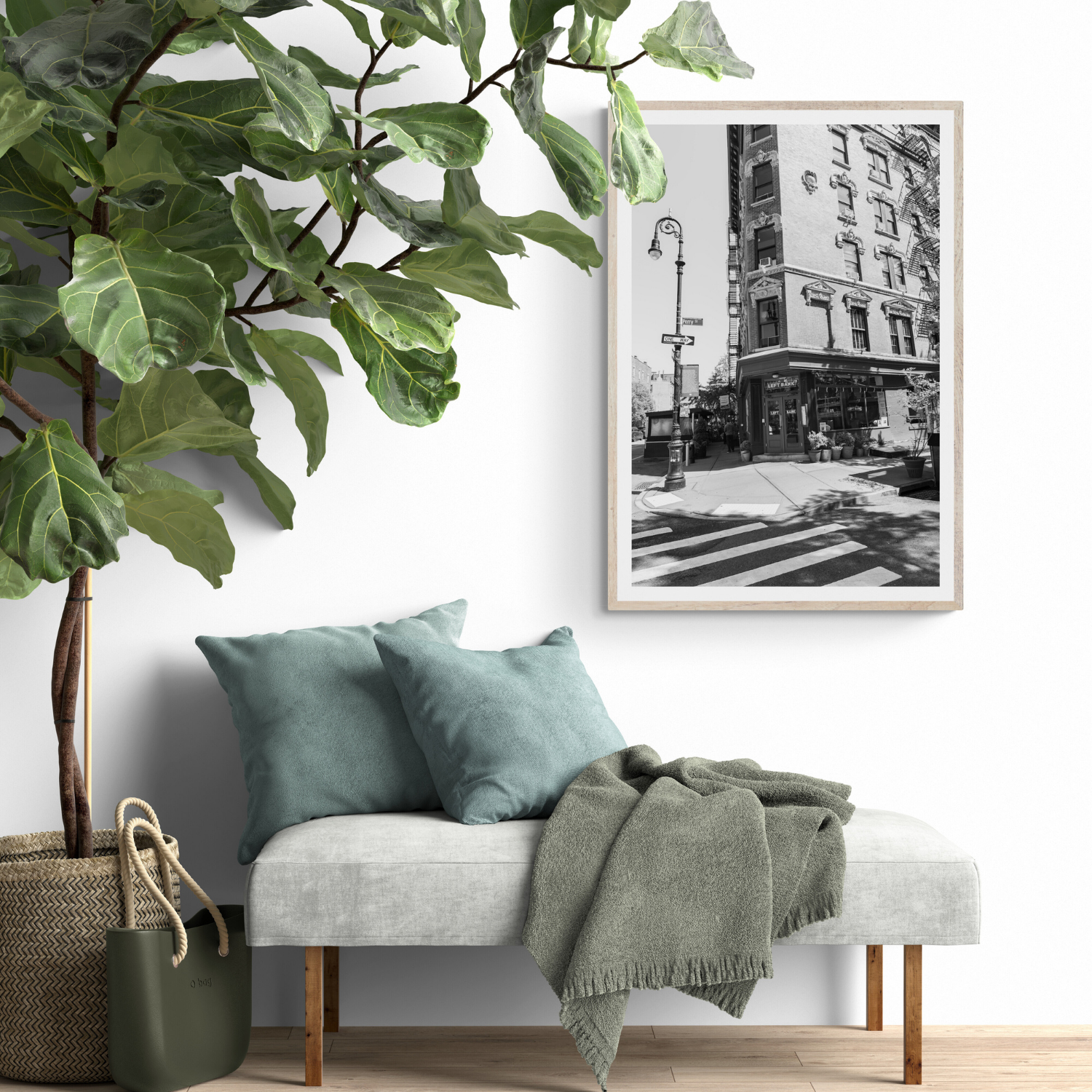
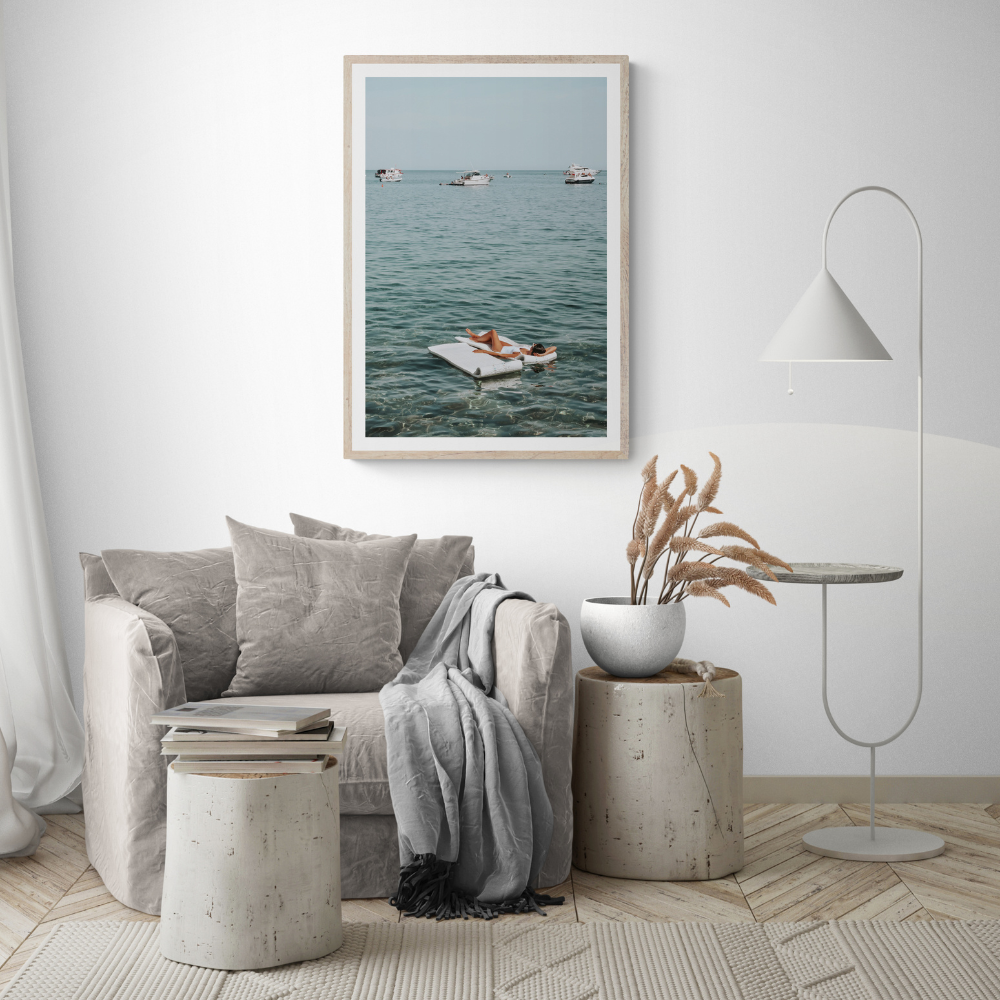
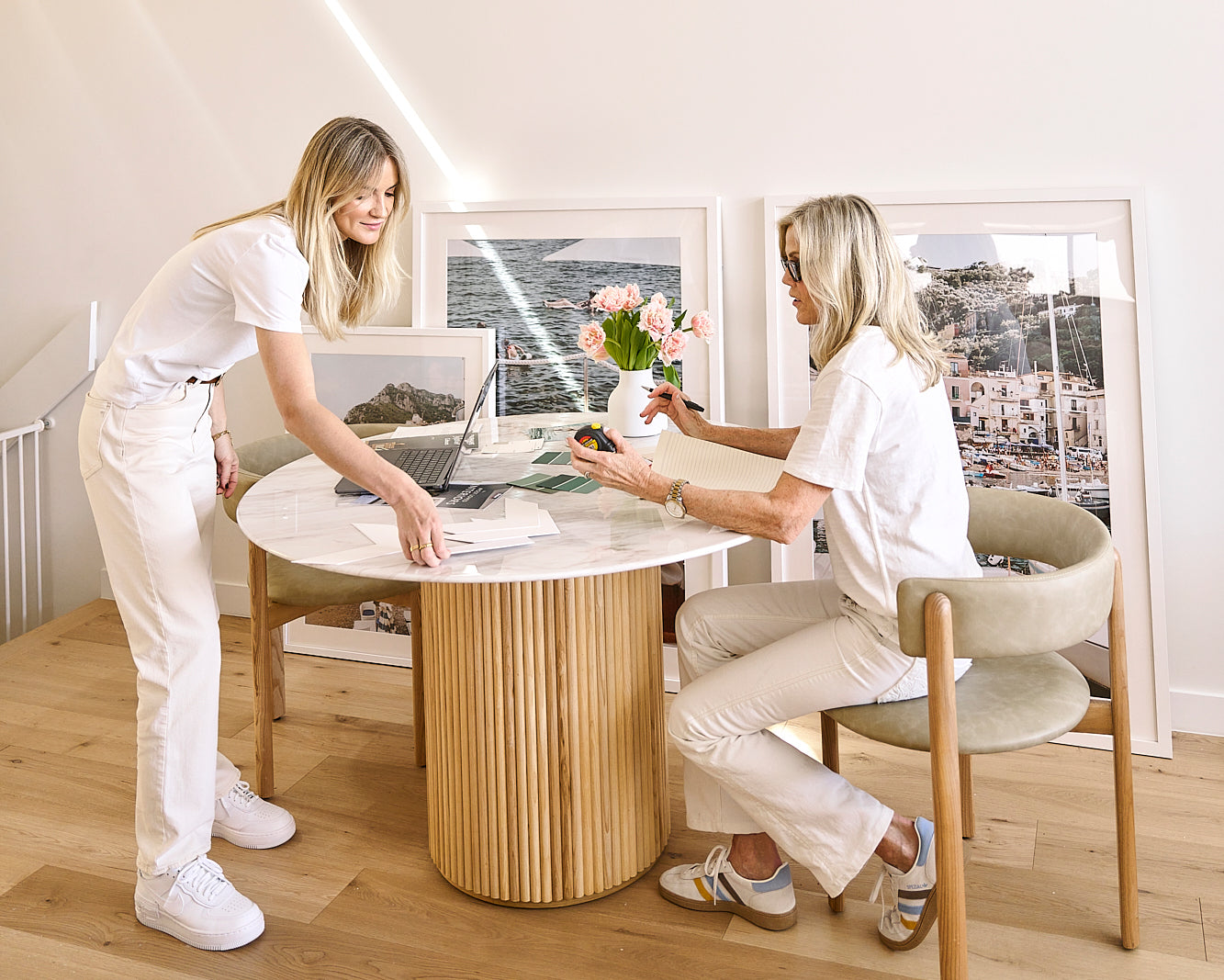
Clear a window, adjust shade for comfort and use lamps where people sit. Leave some wall and floor visible. If artwork is part of the room, one photograph you return to may have more presence than several small pieces filling every gap. Compare its outside dimensions on the wall before ordering.
6. Maintain the edit with real life
After a week, notice what accumulates again. Change a storage location if it is hard to use. A minimalist haven should allow children, guests, hobbies and memories to exist without guilt. The aim is a home where the meaningful things are easier to see and the ordinary tasks are easier to do.
Minimalist recipe
Three decisions that keep the room calm but not empty

Choose negative space
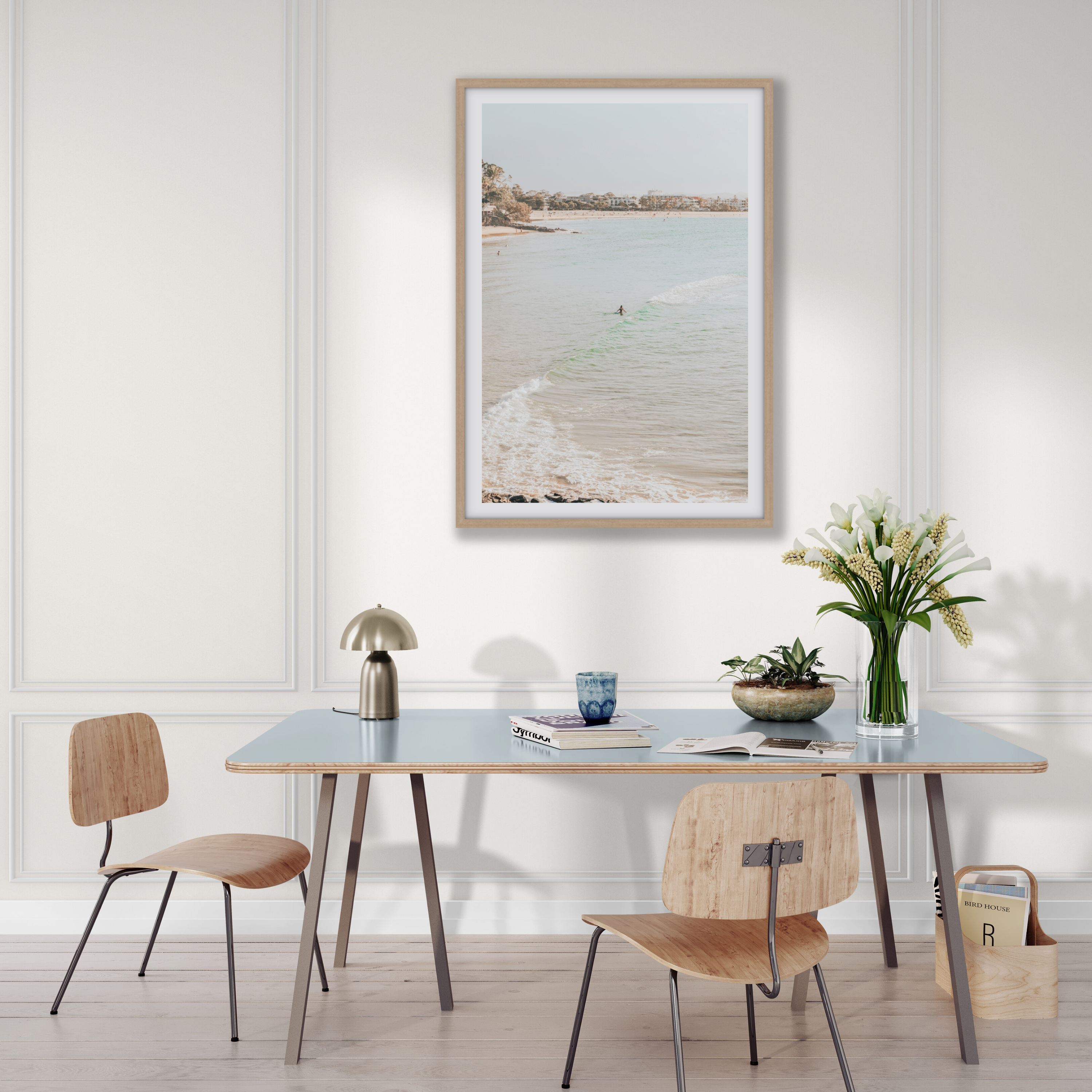
A print with air around the subject keeps the wall calm while still adding emotion.

Pair with restraint
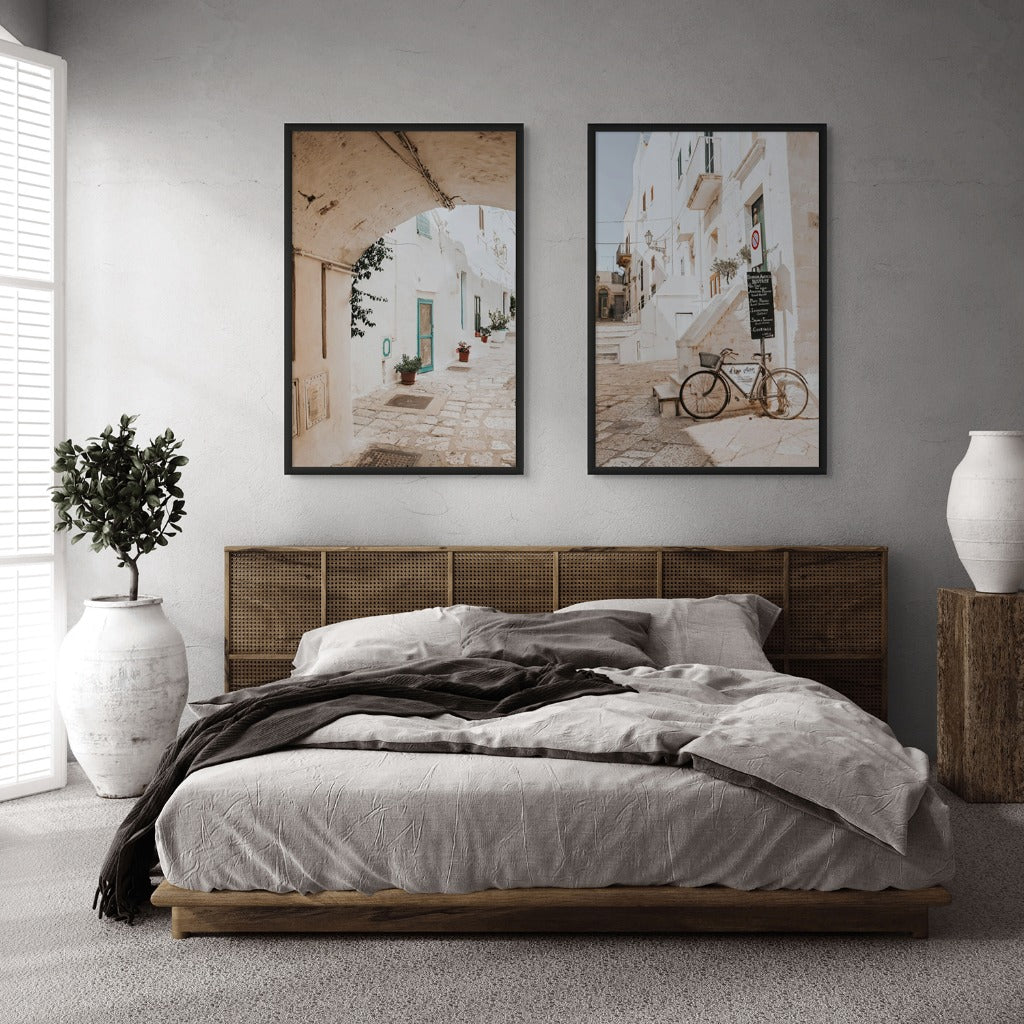
If you use two pieces, connect them through tone and composition rather than busy subject matter.

Let texture do the rest
Linen, timber, stone and soft light make simple artwork feel warmer.