




Paris, Rome and New York all reward time spent wandering, but they ask for different rhythms. The right choice is not the city with the longest must-see list. It is the one whose ordinary day sounds most appealing to you, within the time and budget you have.
Begin with the day you want to have
In Paris, you might build a day around a neighborhood, an exhibition and a long meal. In Rome, archaeological layers and generous public spaces may be the draw. New York can suit someone who wants dense cultural options and the energy of different districts. These are broad starting points, not fixed identities: each city also has quieter corners and changing seasonal experiences.
Decide how much movement feels good
A short trip spent crossing a city to tick off landmarks can become tiring. Pin your priorities on a map and group nearby places. Leave unplanned time to return to a street or museum that held your attention. If you prefer a slower holiday, choose fewer bases and fewer booked appointments regardless of destination.
Compare the complete cost
Check current accommodation, local transport, meals, museum entry and any seasonal price differences for your actual dates. Add a buffer for changes. A lower airfare can be offset by a more expensive stay. Prices and availability change too quickly for an old article to be a reliable quote.
Research the season you will actually travel
Weather, daylight, crowds and opening days change the feel of all three cities. Use current official city, museum and transport sources when booking; confirm entry and travel requirements for your nationality. Look for the types of experiences you want rather than assuming a city's best season is the same for everyone.
Make a simple decision table
Give each city a score for your top three priorities—perhaps art, food and walkability—then list the main practical drawback for your dates. If two remain tied, choose the one that gives you more unhurried time within budget. A good trip leaves space for a memory you could not plan.
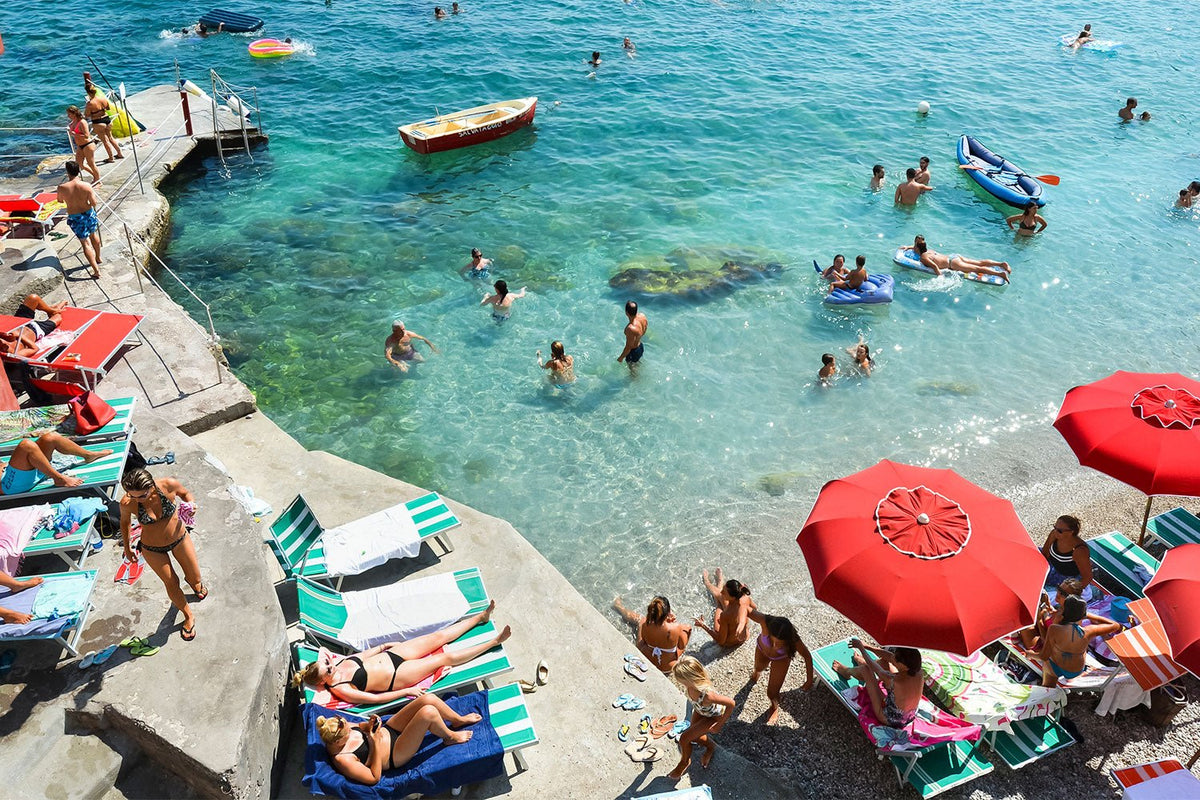
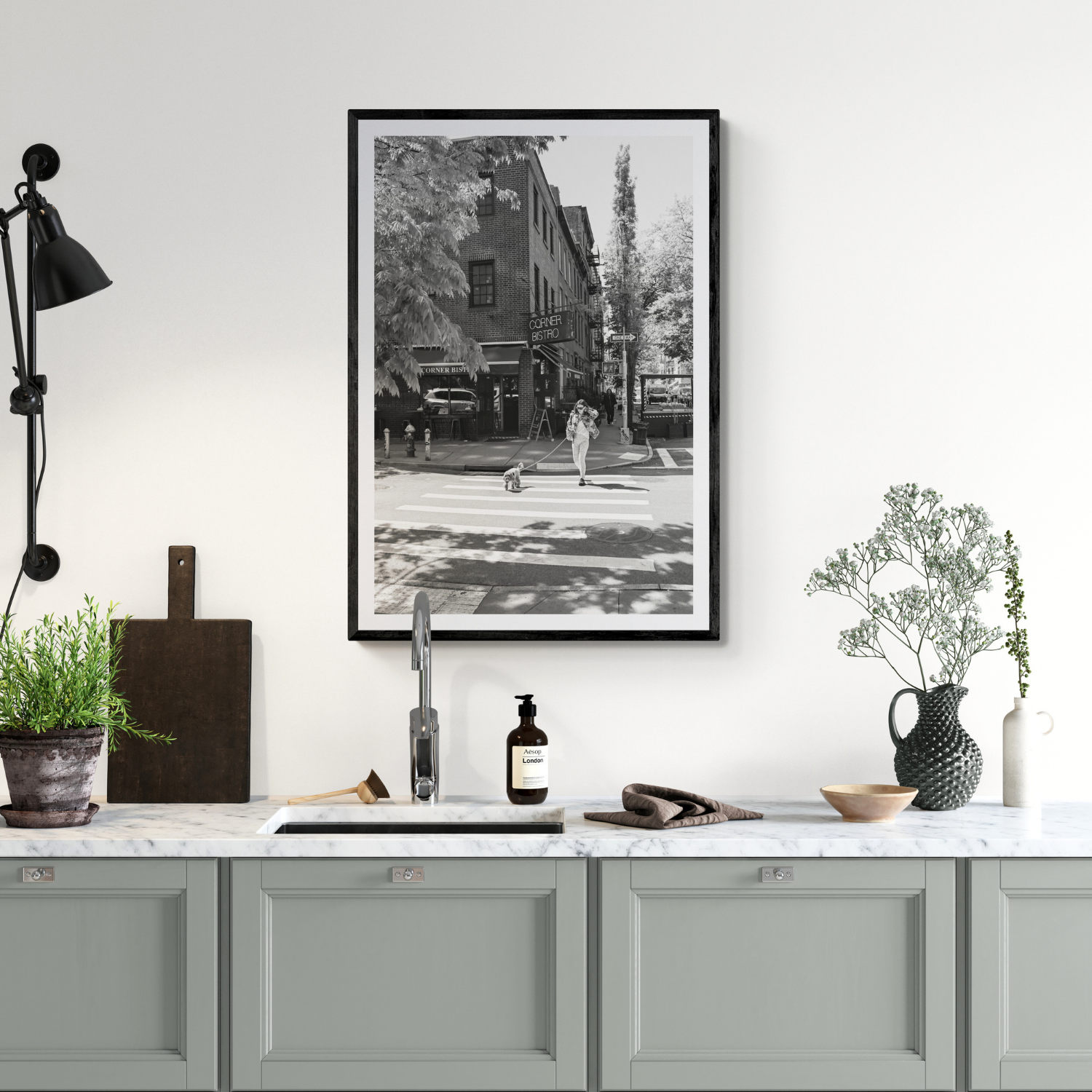
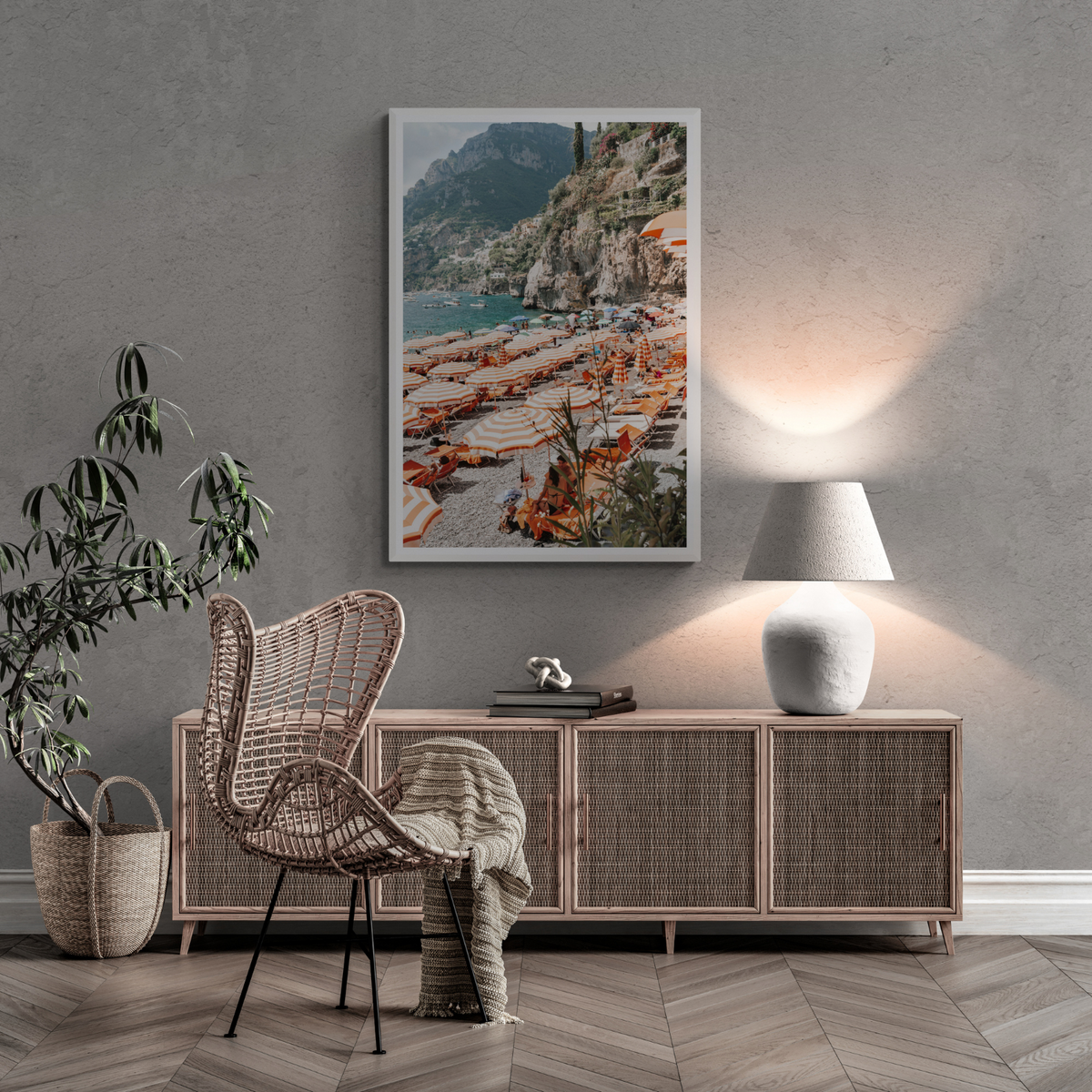
The places you photograph may later influence your home, but first let the journey belong to itself. Our travel stories are inspiration; use current official information for the journey's logistics.
Destination recipe
Three decisions that turn a place into a room mood

Pick the city feeling
Choose romance, energy, calm or nostalgia before narrowing the artwork by location.
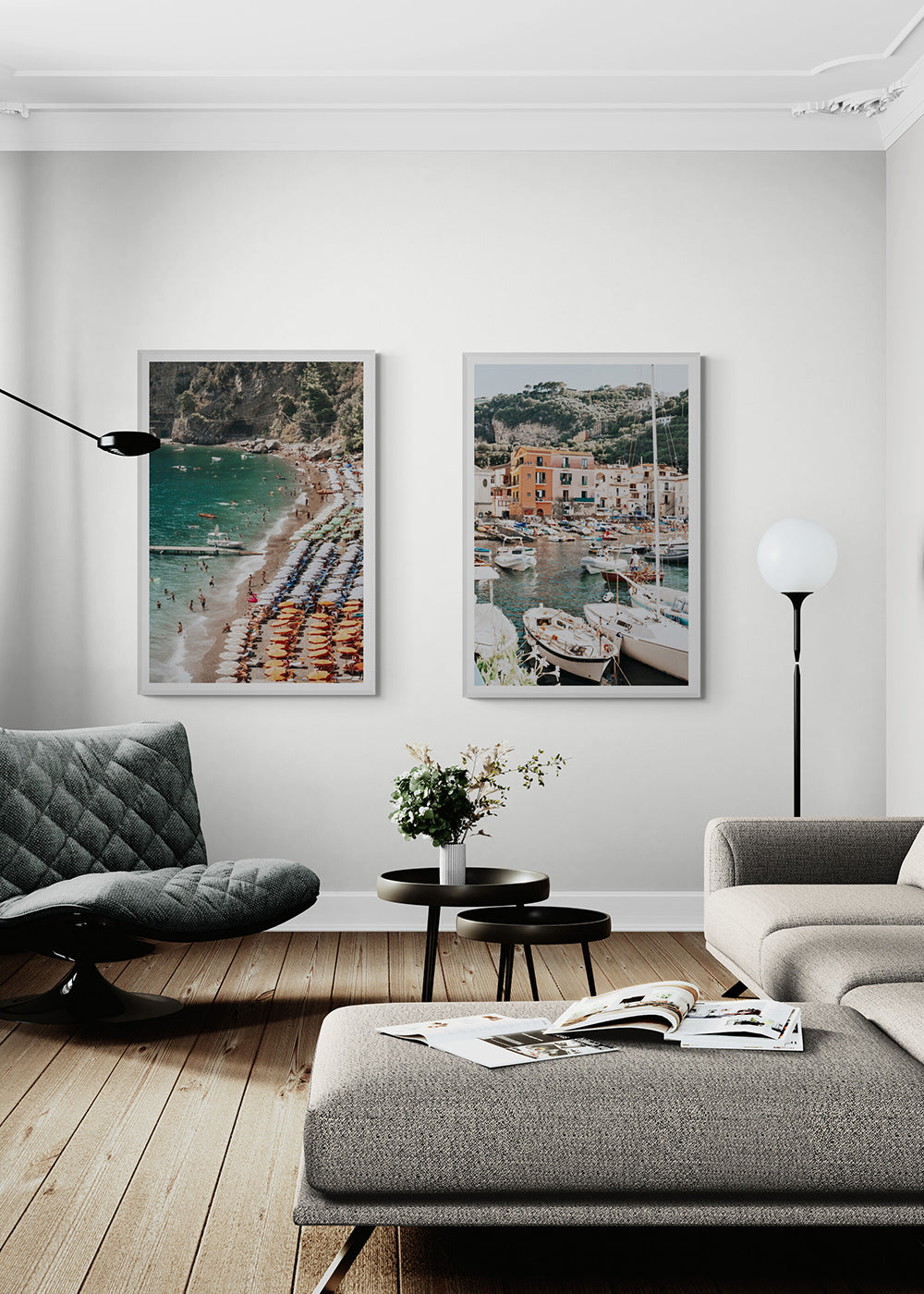
Mix cities carefully
Different places can work together when the light, tone or composition feels connected.

Avoid souvenir shorthand
A quieter street, detail or view often feels more sophisticated than an obvious landmark.