
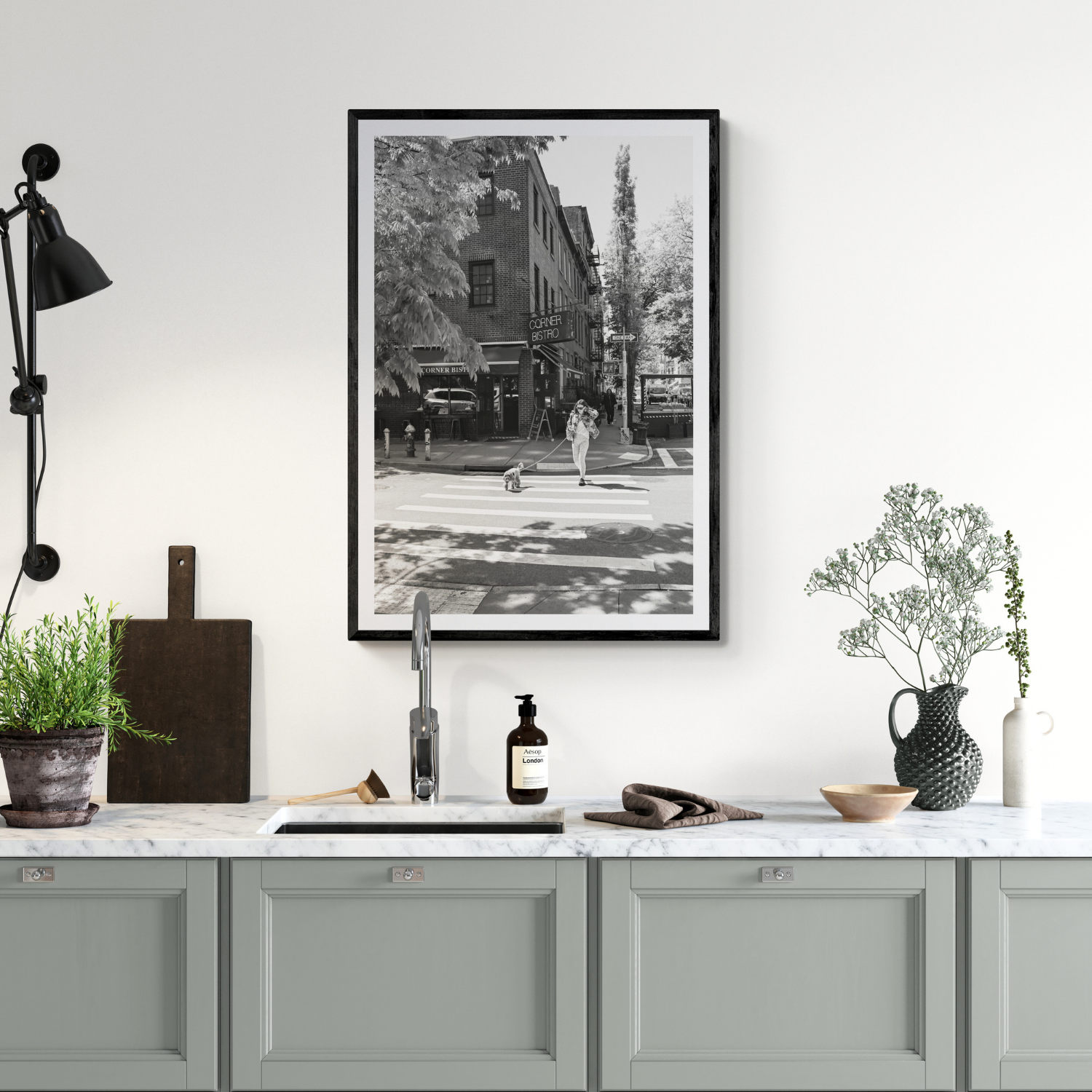
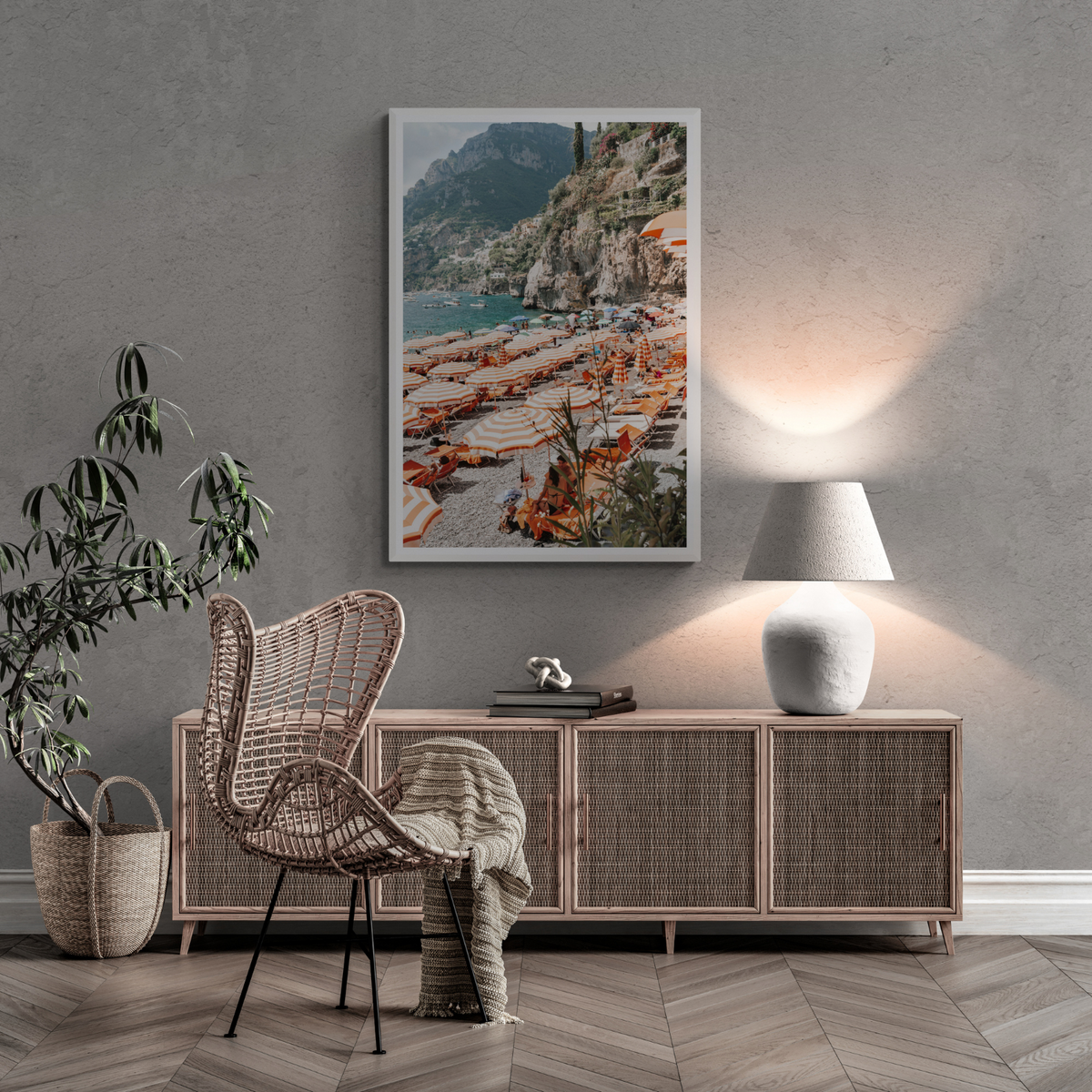
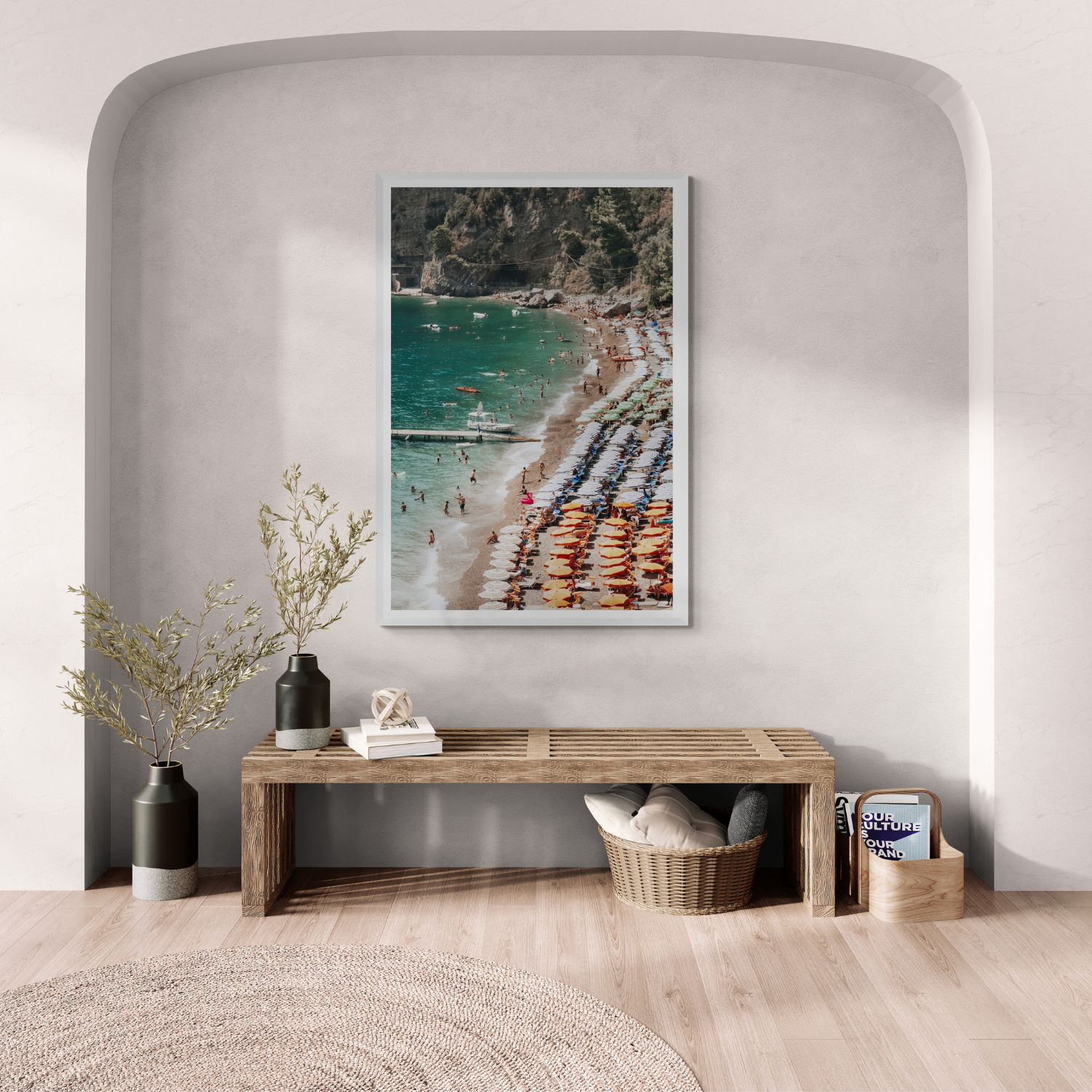
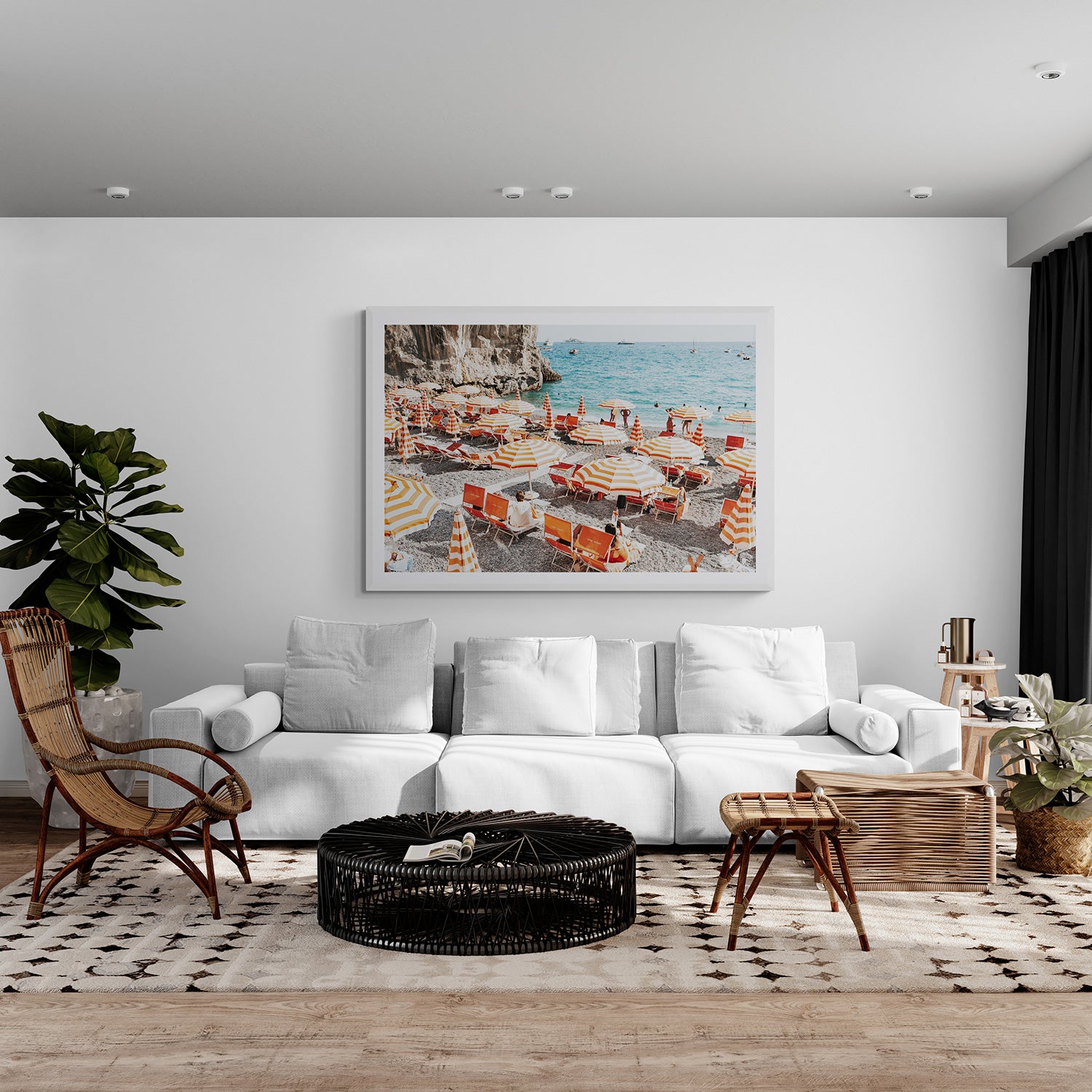
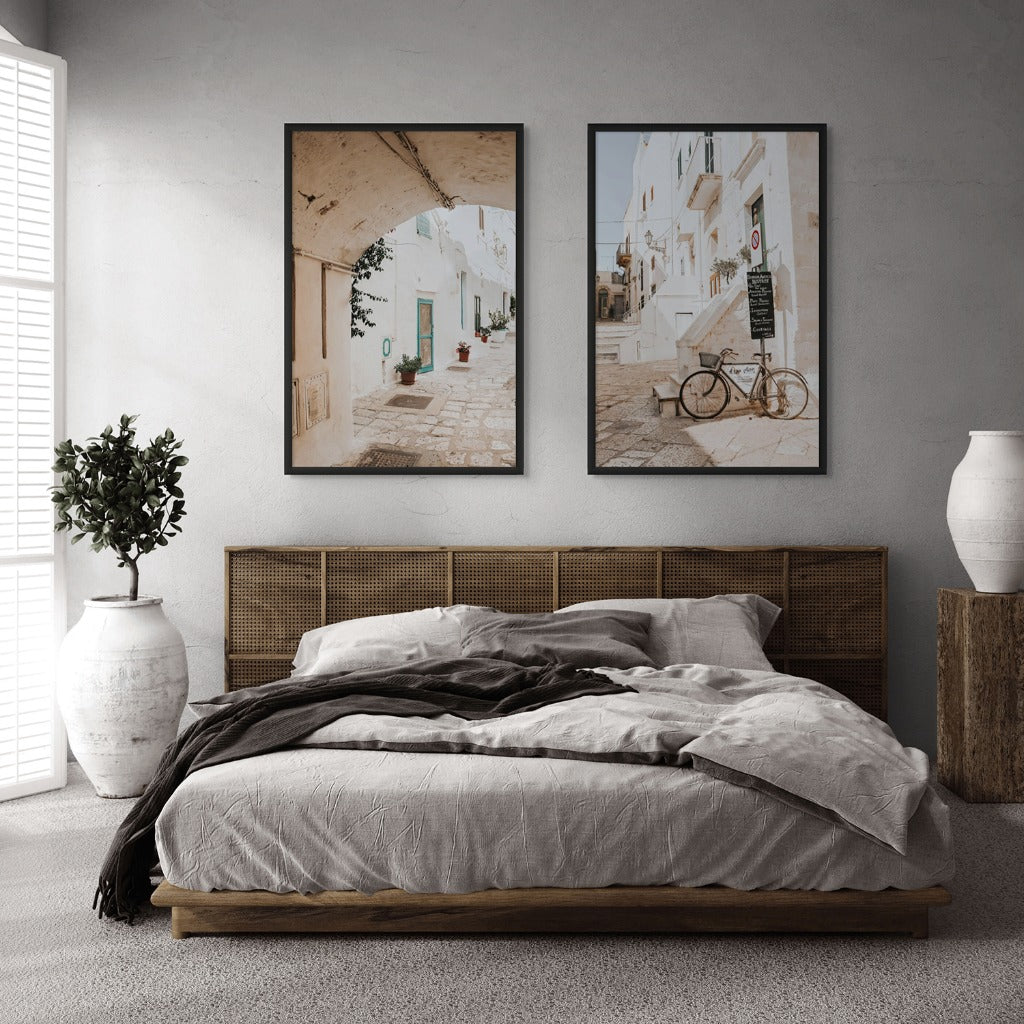
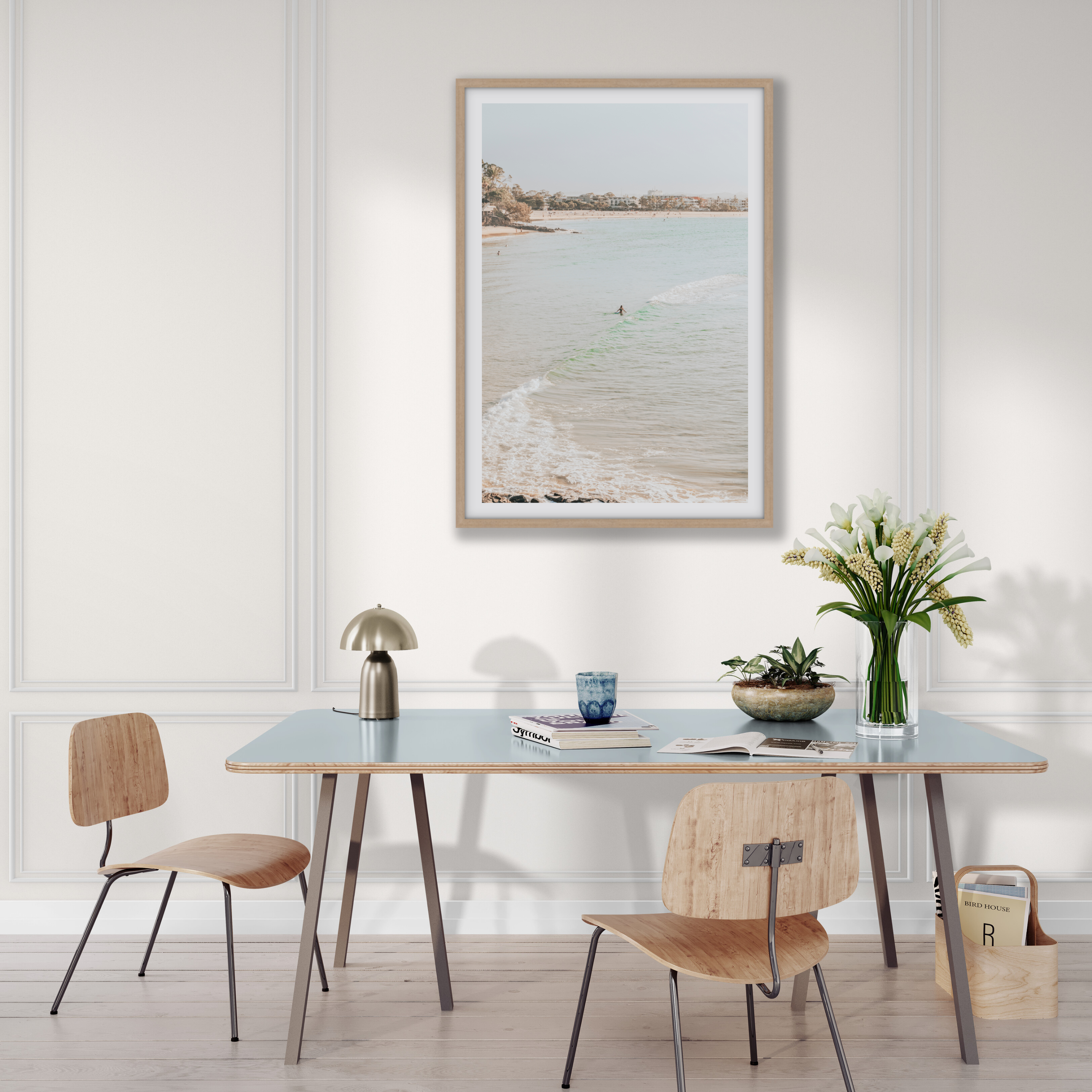
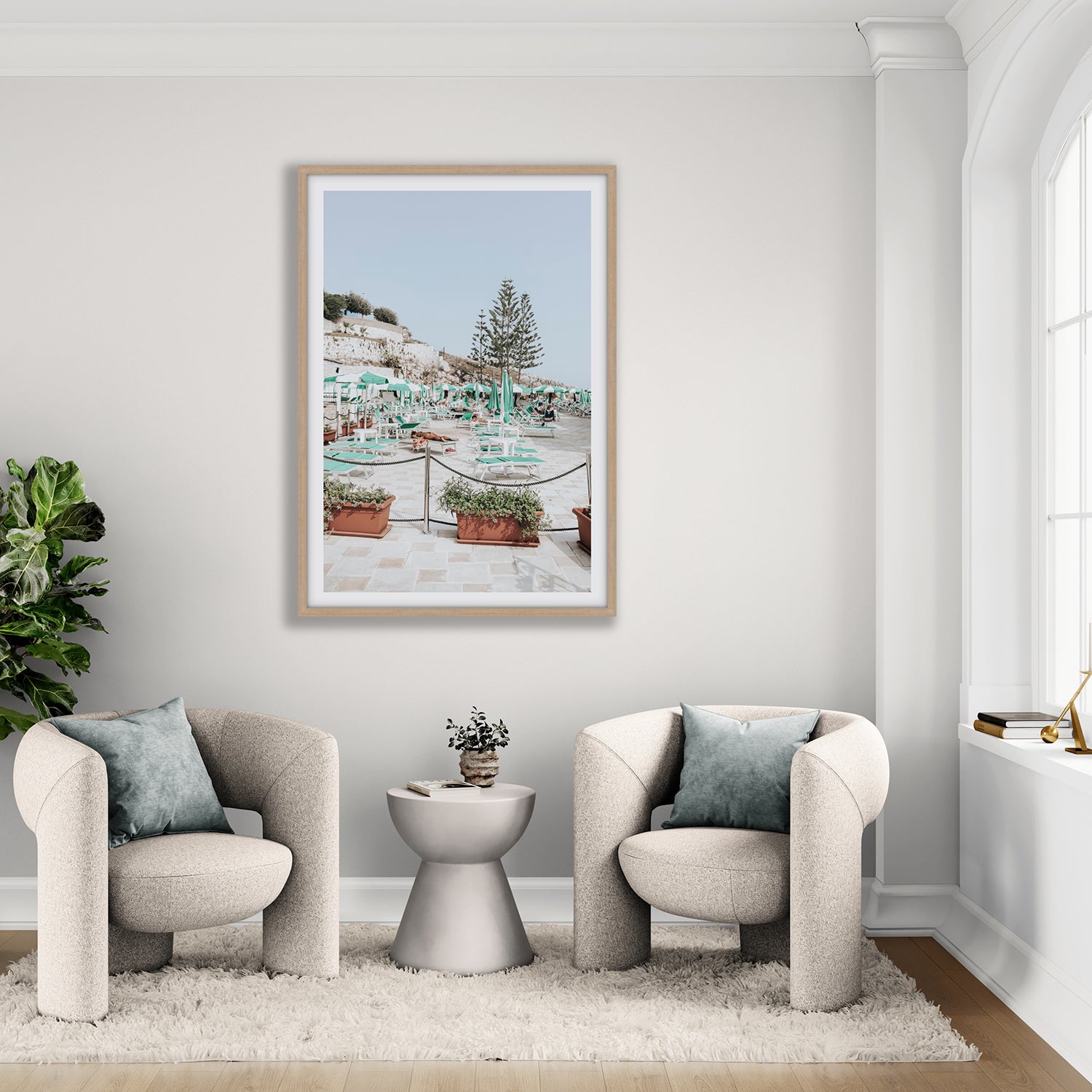
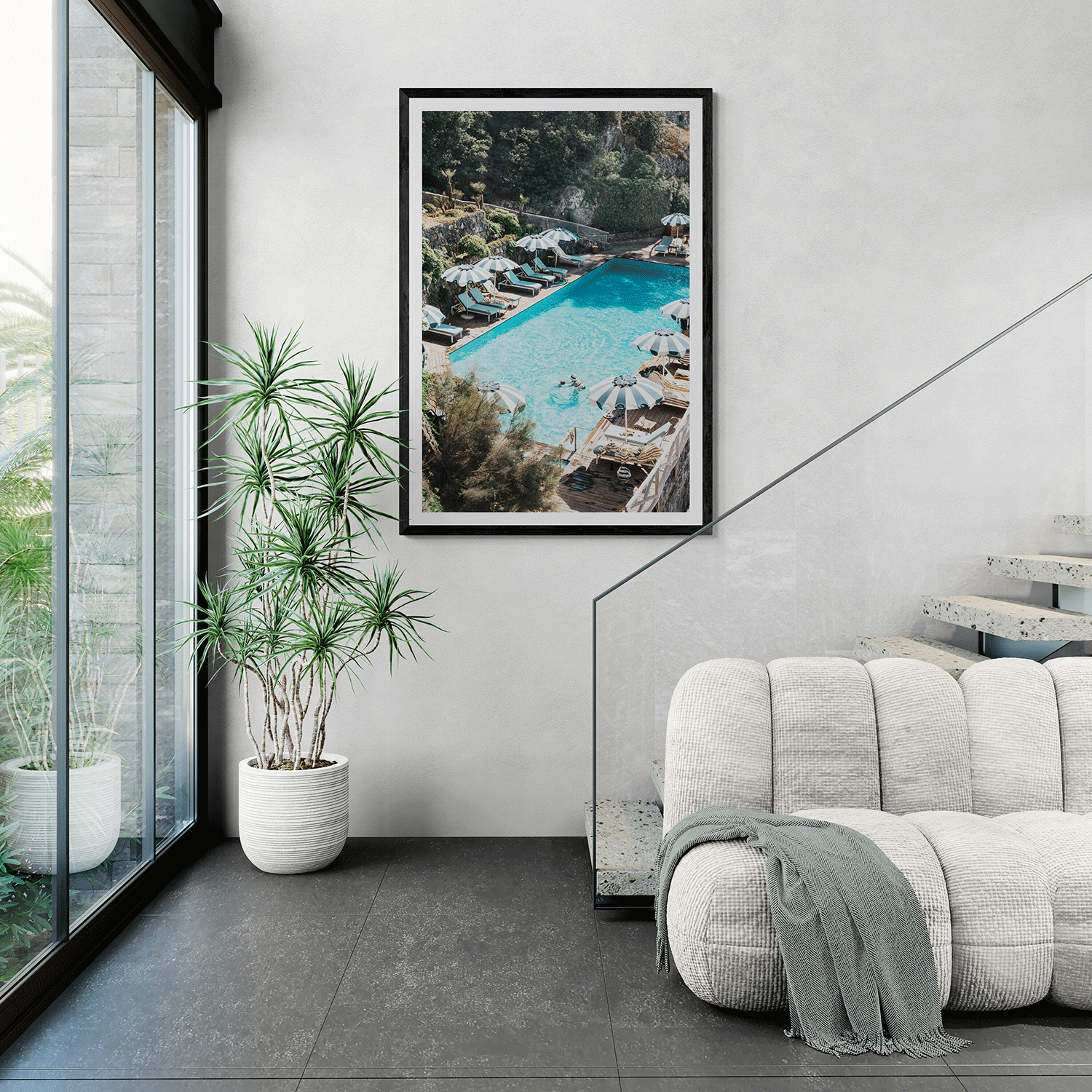
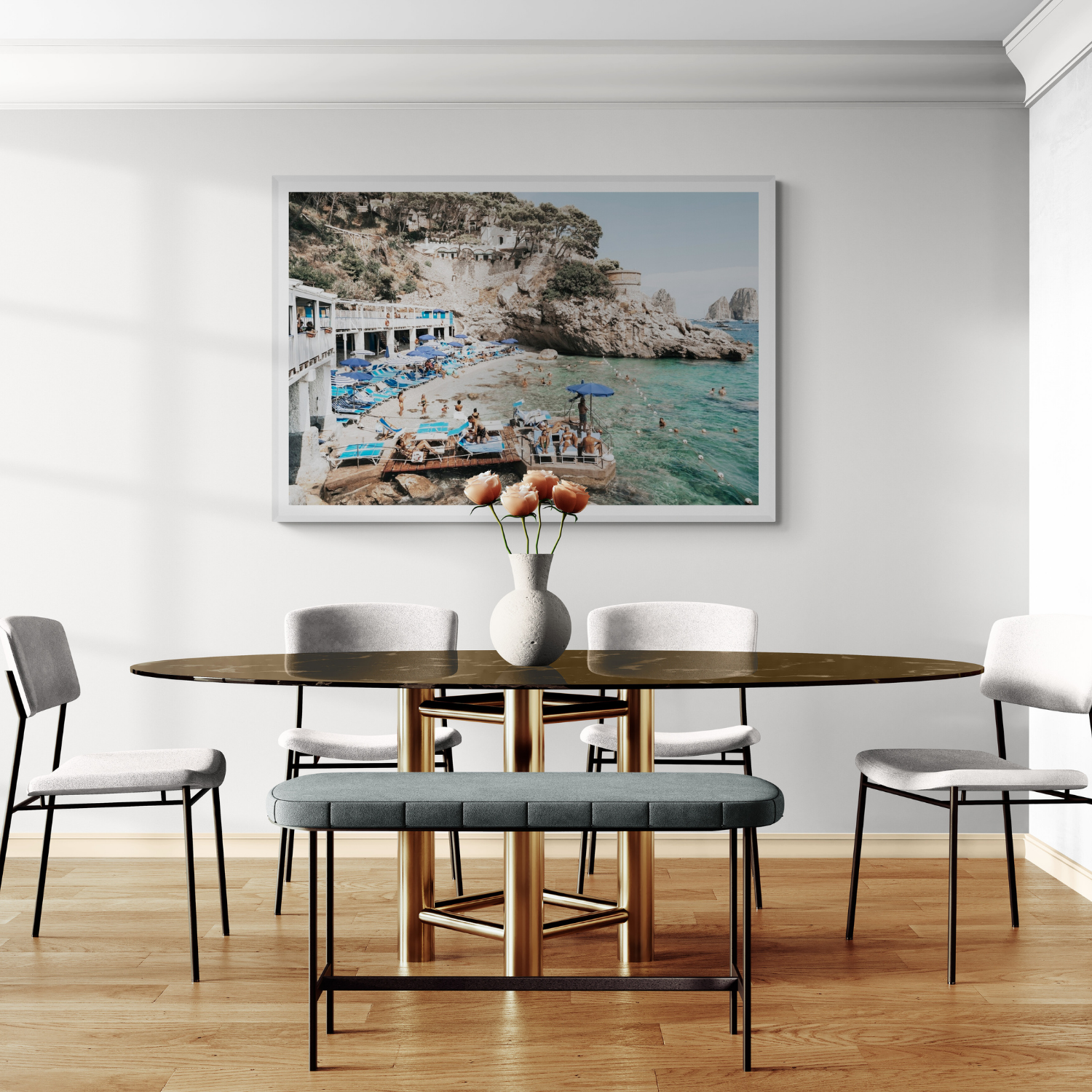
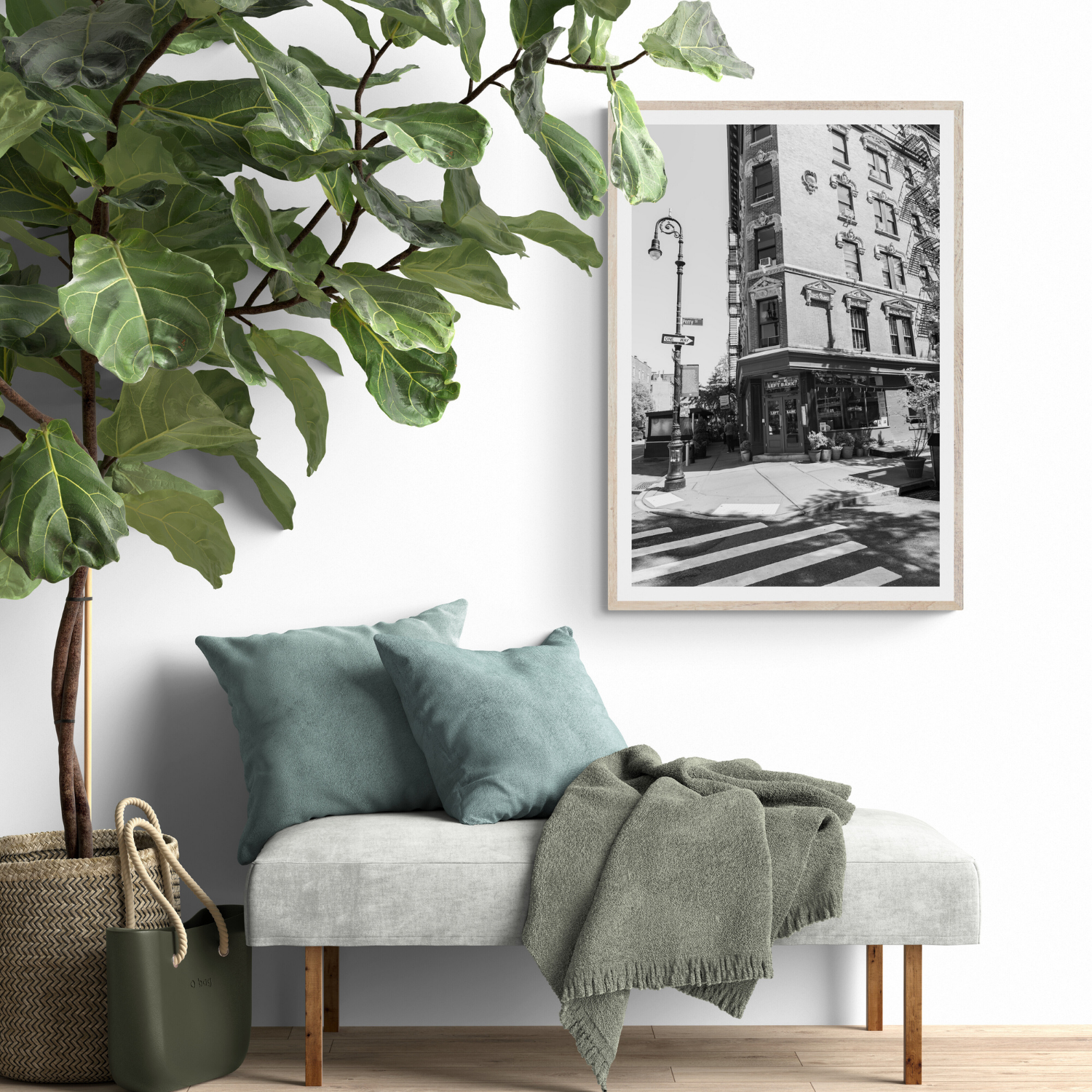
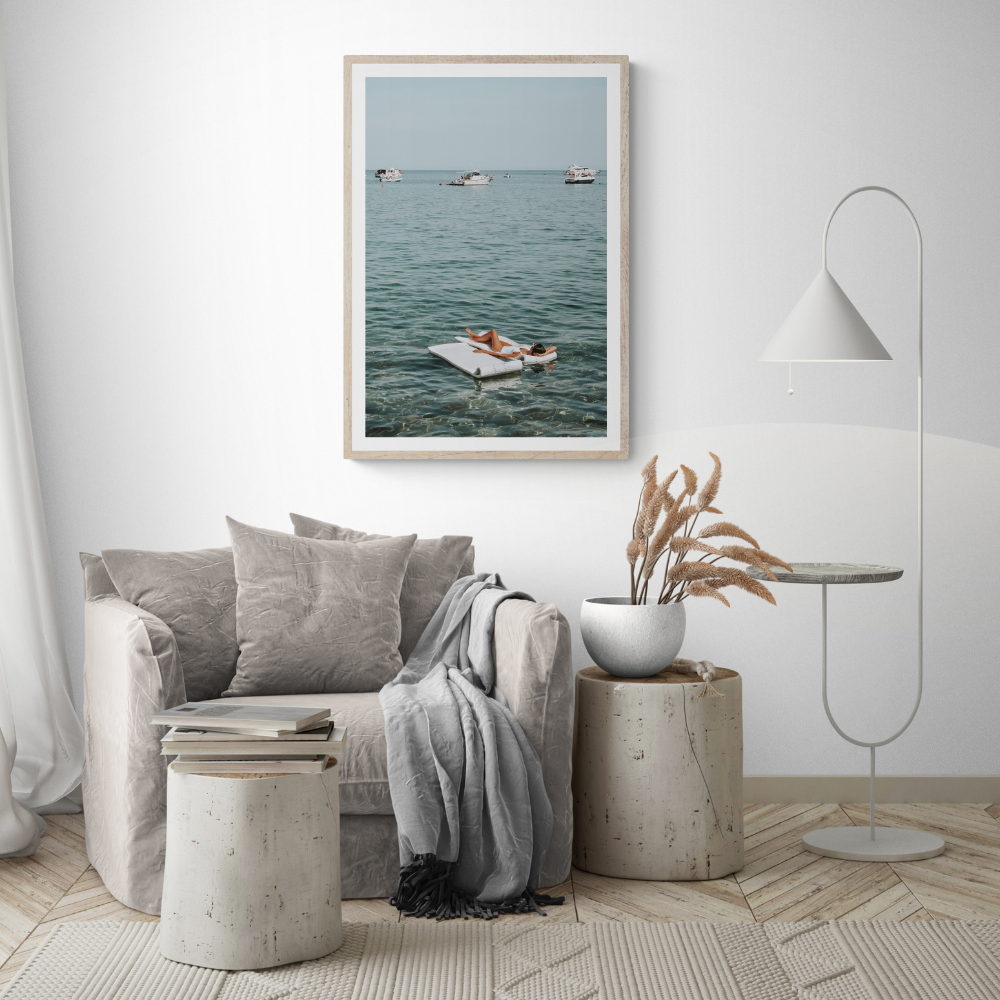

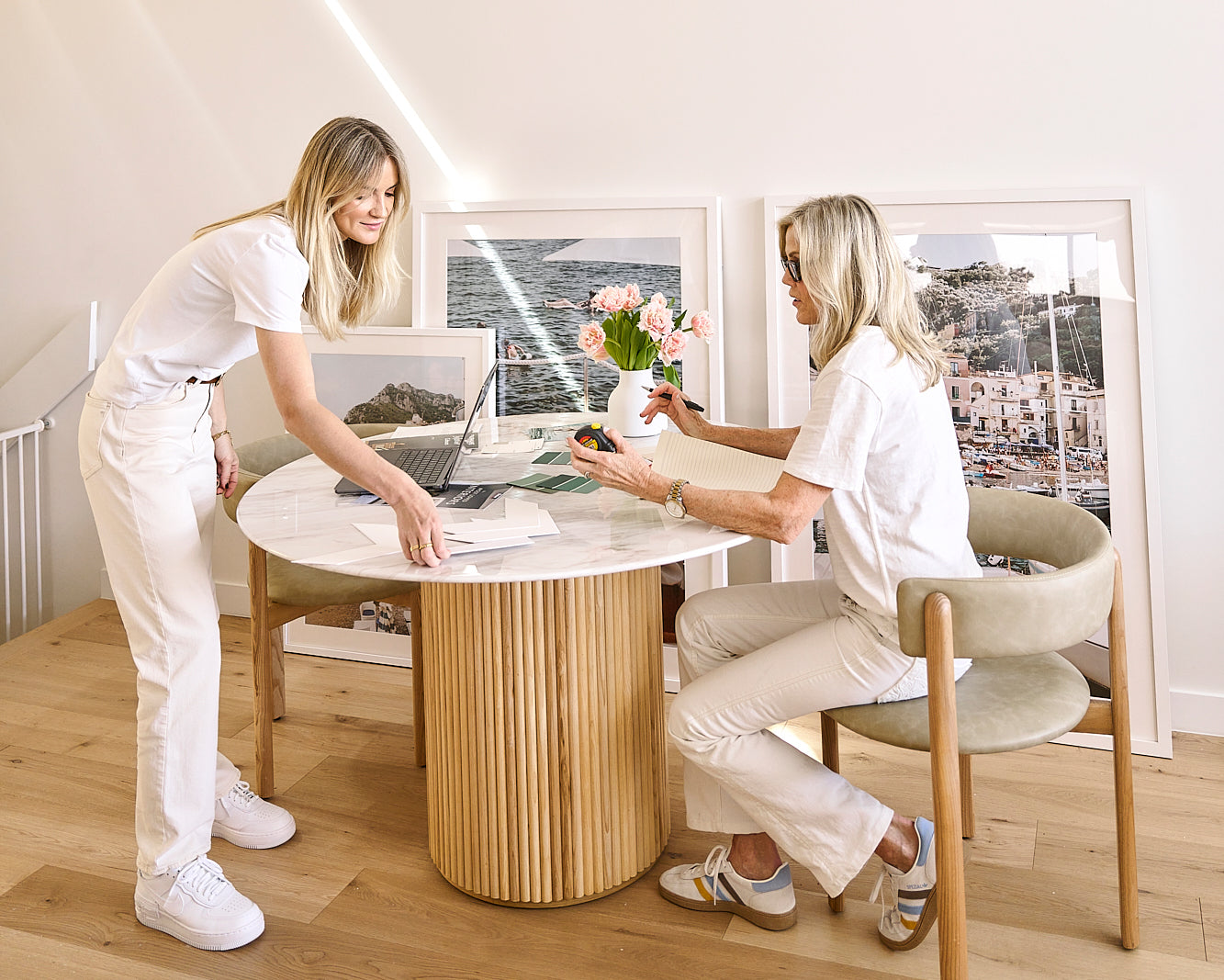
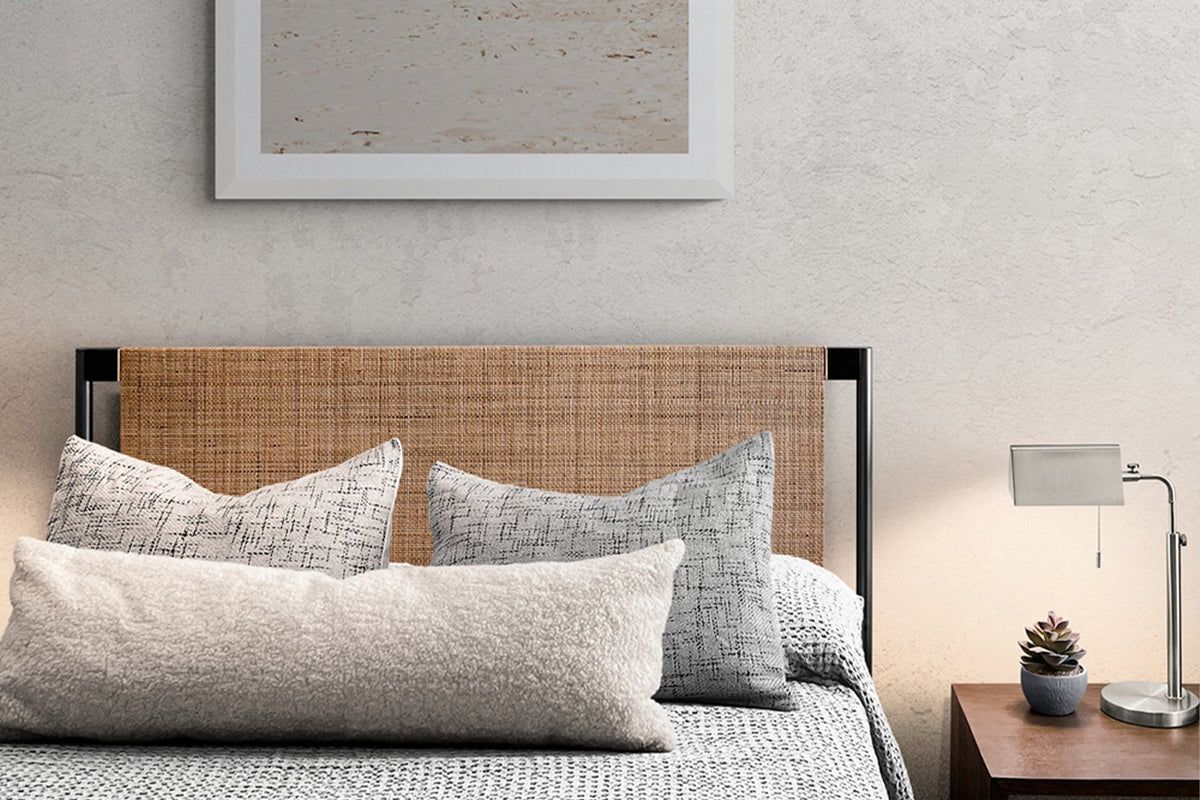

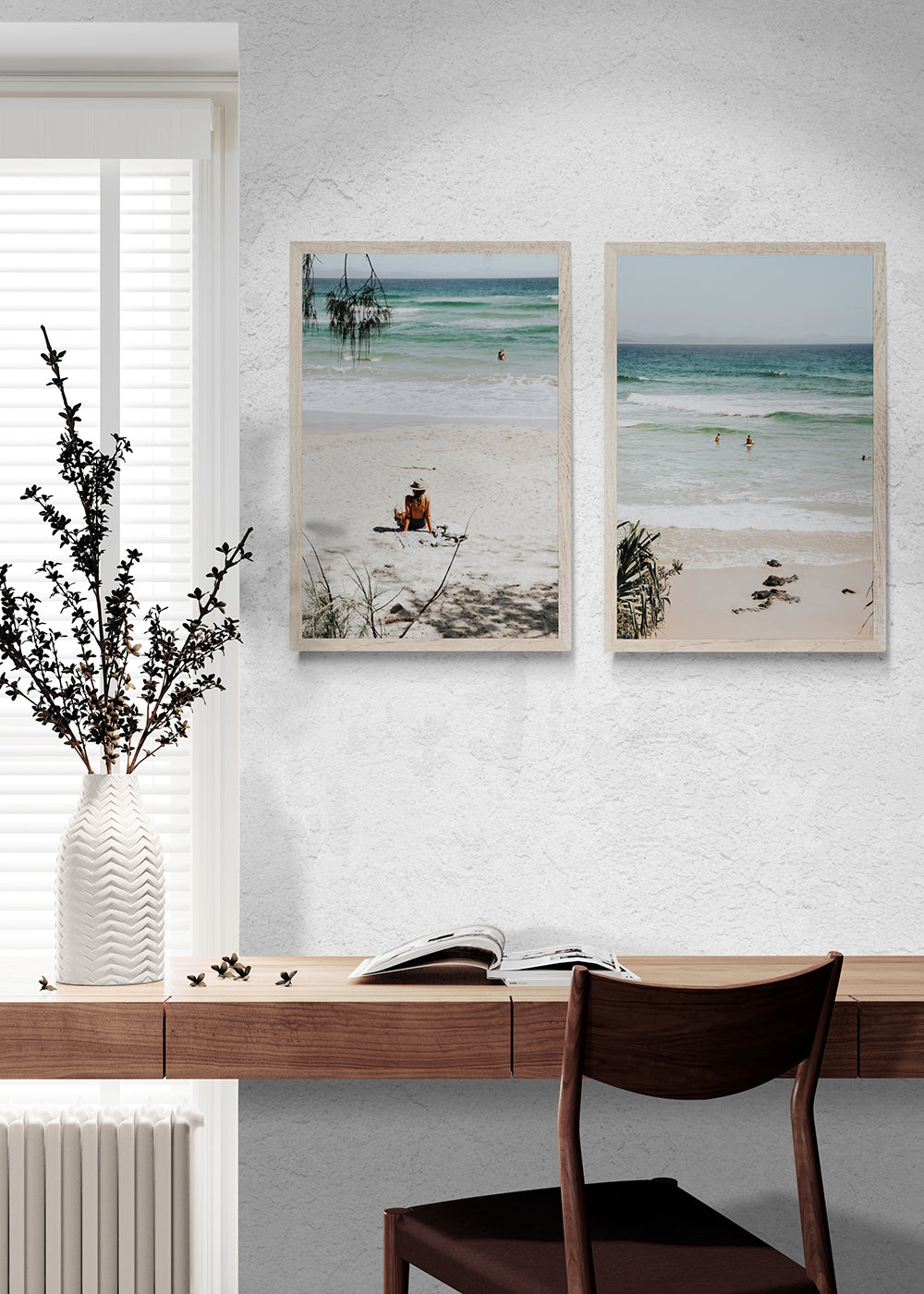

A style name can be a useful shorthand, but it cannot decide how your home should work. These six mistakes tend to appear when a label becomes more important than the room and the people in it.
1. Copying a photograph without reading the room
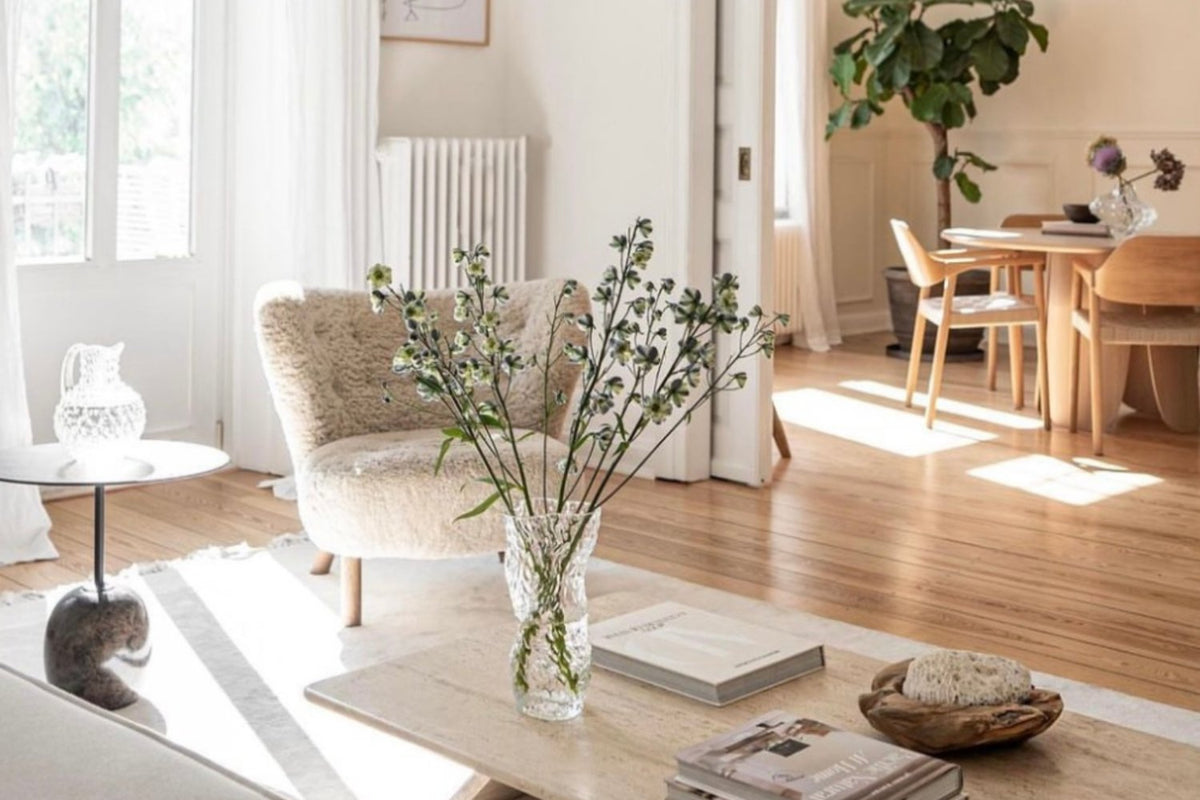
A styled room may have different light, ceiling height and circulation from yours. Take the idea you like—perhaps restraint, contrast or warmth—then adapt it. Measure before reproducing its furniture arrangement.
2. Choosing appearance before daily use
A pale sofa, open shelf or delicate rug may suit one household and frustrate another. Describe the room's routine and maintenance needs before selecting finishes. A beautiful material that is always being protected can make the space less comfortable.
3. Buying items at the wrong scale
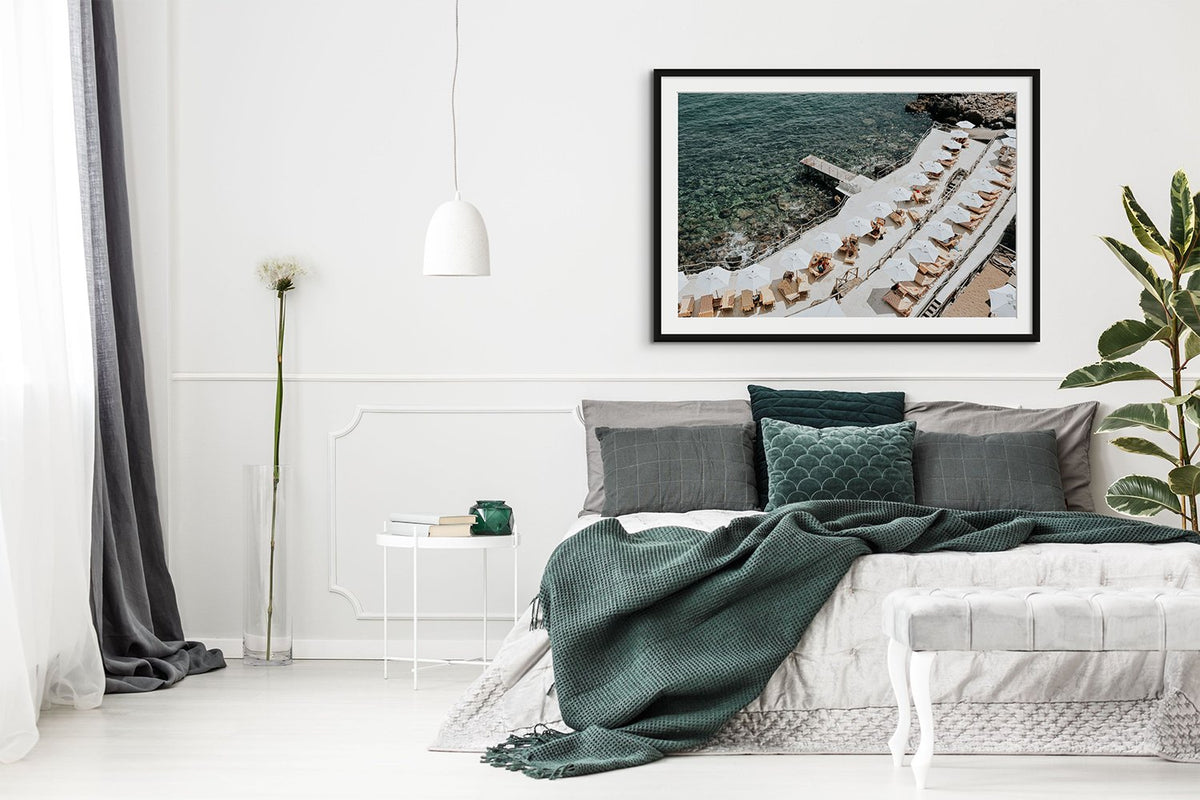
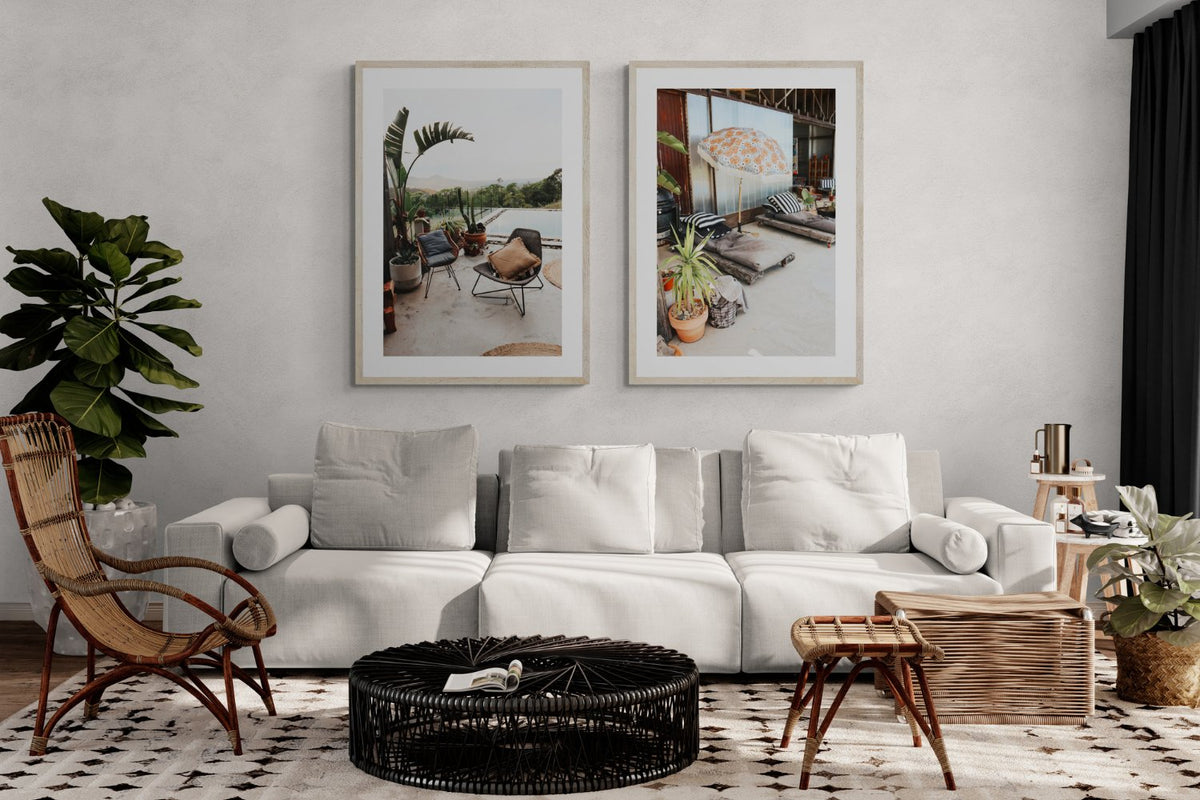
Small art over a long sofa or a table too large for its chairs can make a room feel unsettled. Mark the outside dimensions on the floor or wall. Include walking clearance and frame width. The sofa artwork guide offers a starting point for one common proportion.
4. Matching everything too exactly
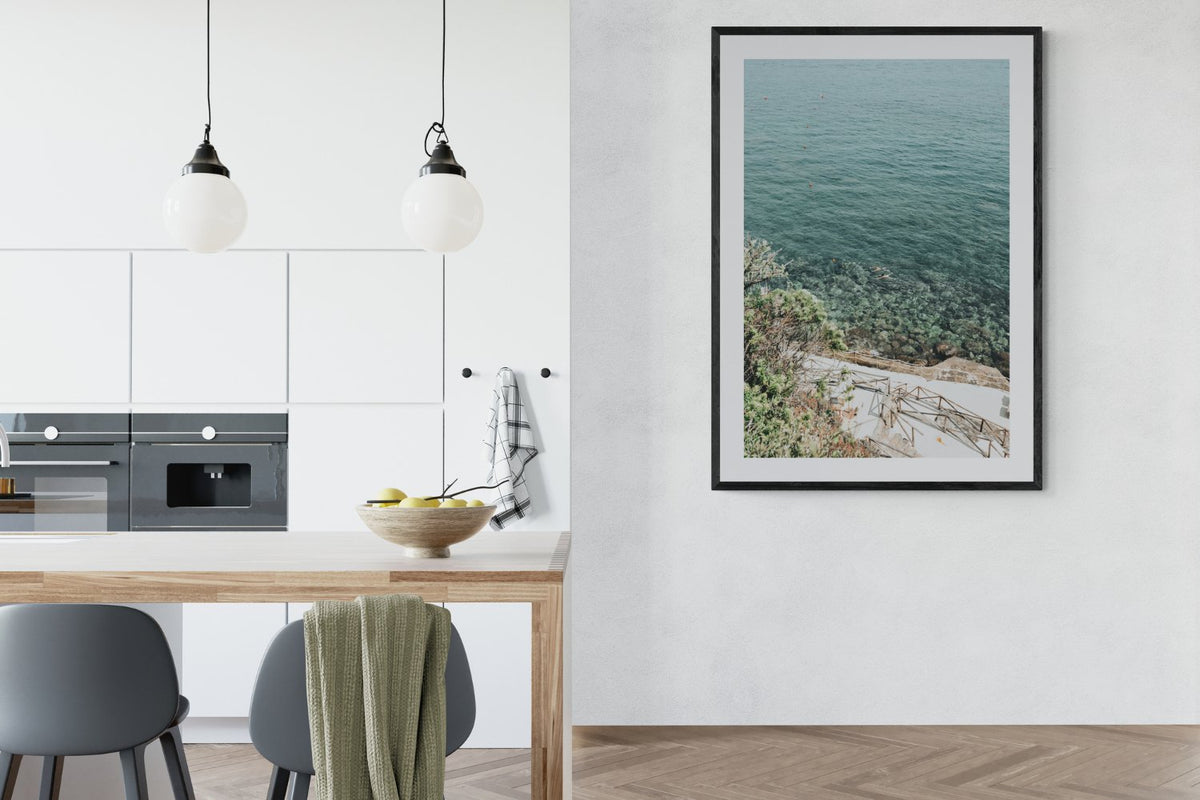
A complete set can remove the variety that gives a home character. Repeat an undertone or material, then let one item contrast. A timber frame can relate to a table without being the same timber species or stain.
5. Buying a trend before understanding the appeal
Ask what you like about a trend. If it is the sense of calm, you may achieve that by editing clutter and softening light rather than replacing furniture. Keep expensive, long-lived choices connected to your own preferences.
6. Skipping the light test
Paint, textiles and artwork shift between morning and evening. View samples in the actual room and check glare from the usual seat. A style that only works in one edited photograph may not work in your daily light.
Use a few words to describe the feeling you want, then choose pieces that support it. Your home can mix eras and still be coherent when its layout, scale and materials make sense together.
Style recipe
Three decisions that prevent the room feeling forced

Do not over-match
A print should connect to the room without repeating every colour or idea too literally.
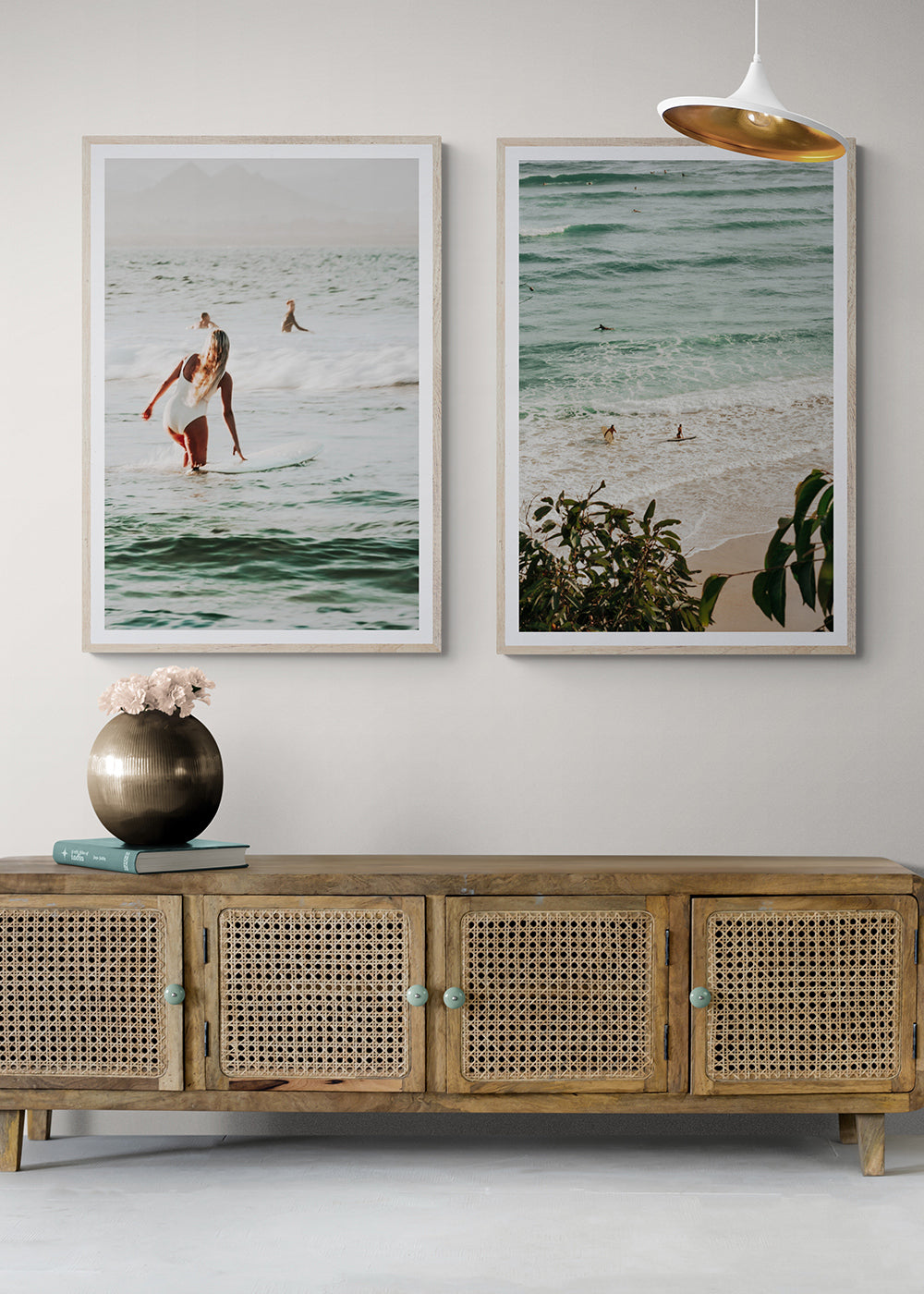
Avoid undersized art
Scale gives the style confidence; too-small artwork can make even good furniture feel unfinished.

Keep a human detail
Travel, memory and texture stop a styled room from feeling like a showroom.