



The new year can prompt a reset, but a whole-home clear-out is easy to abandon. Choose one small zone you can finish, define what belongs there and decide where unwanted items will go before opening another cupboard.
Start with a space you use daily
A kitchen bench, entry shelf or bedside table gives quick feedback. Empty just that zone, clean it and return only the things you use or genuinely want to see there. Move items belonging elsewhere to a temporary basket, then put them away before beginning a new area.
Sort by decision, not by perfect system
Use clear groups: keep here, move elsewhere, donate or sell, recycle, and dispose safely. Set a date to take donation items out of the home so they do not become a second pile. For uncertain objects, ask whether you have used them in the past year and whether they have a real place to live. Memories can be important even when an object is not frequently used; make that a conscious exception.
Give storage a limit
Choose a drawer, shelf or box that suits what must fit. When it fills, edit before buying another container. Transparent storage can help with frequently used items; closed storage can calm a busy-looking room. Label only when several people need to find the same things. A neat set of boxes is not success if it hides possessions you never use.
Make visible surfaces intentional
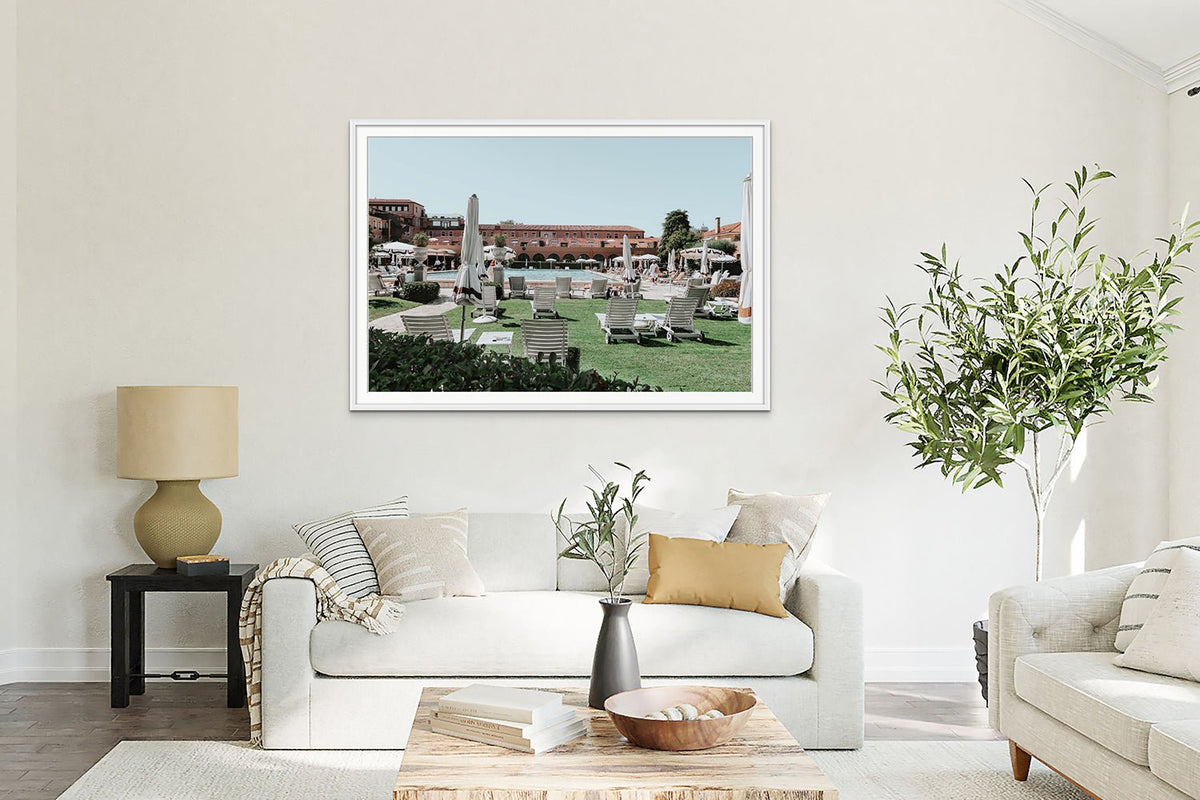
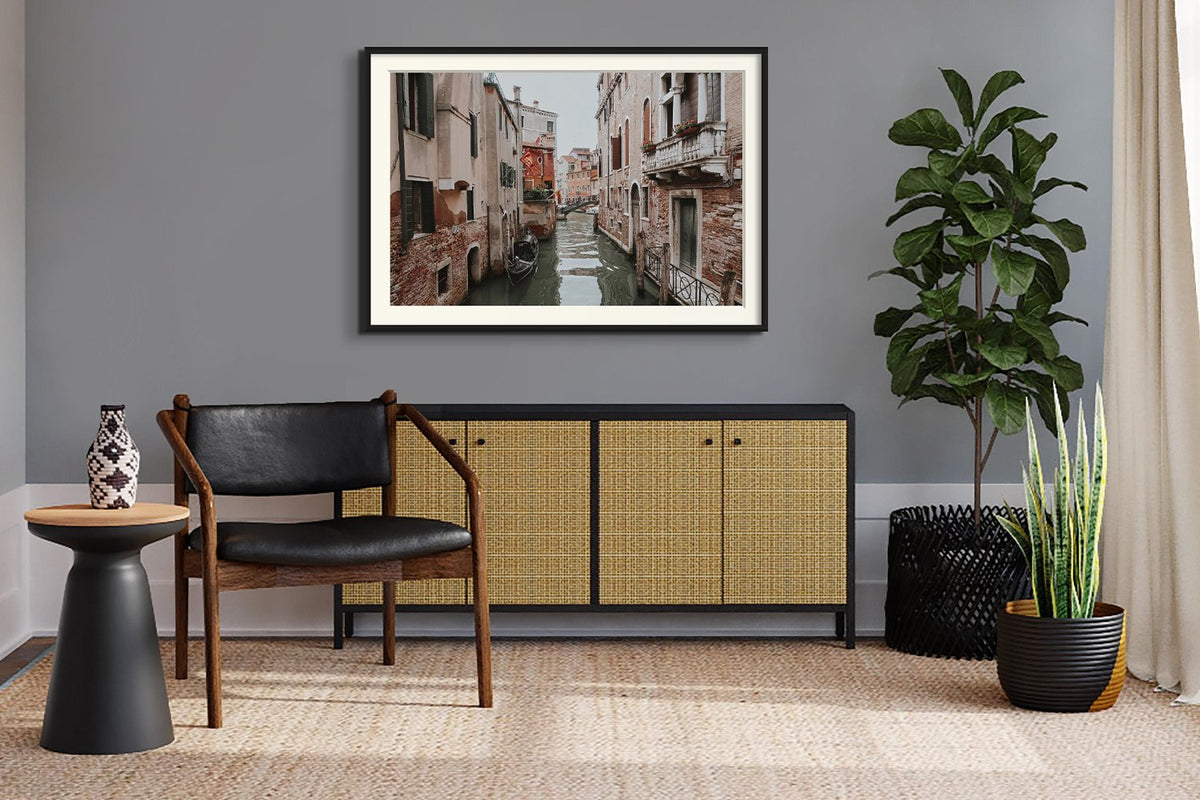
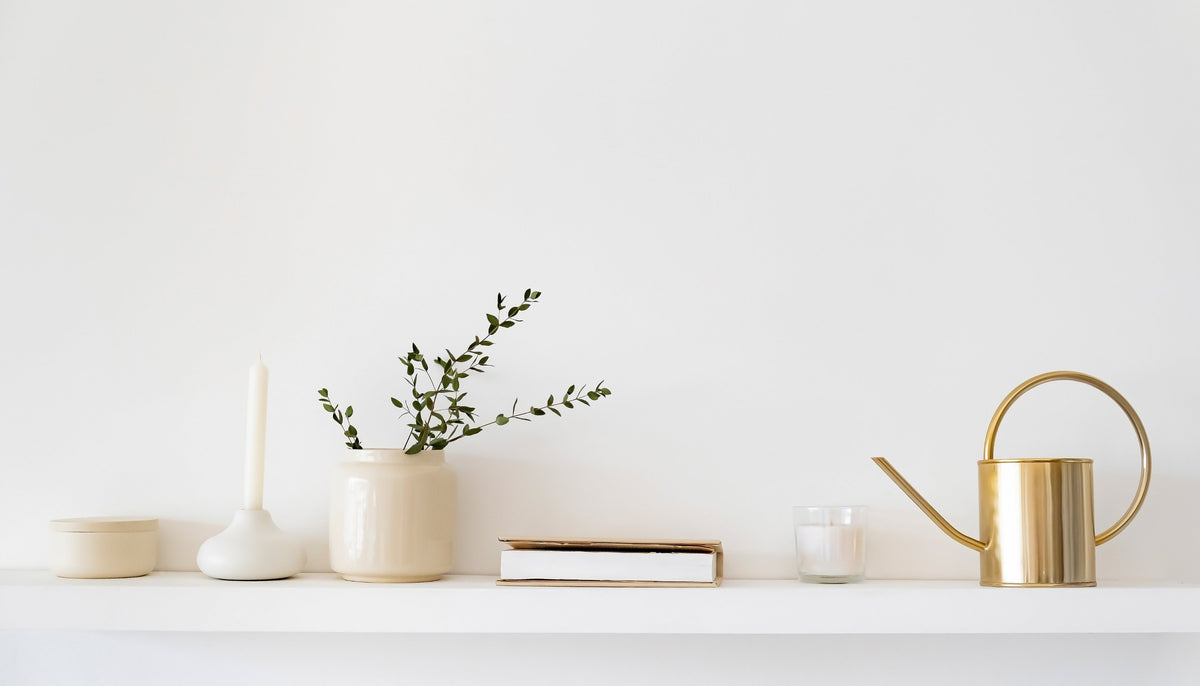
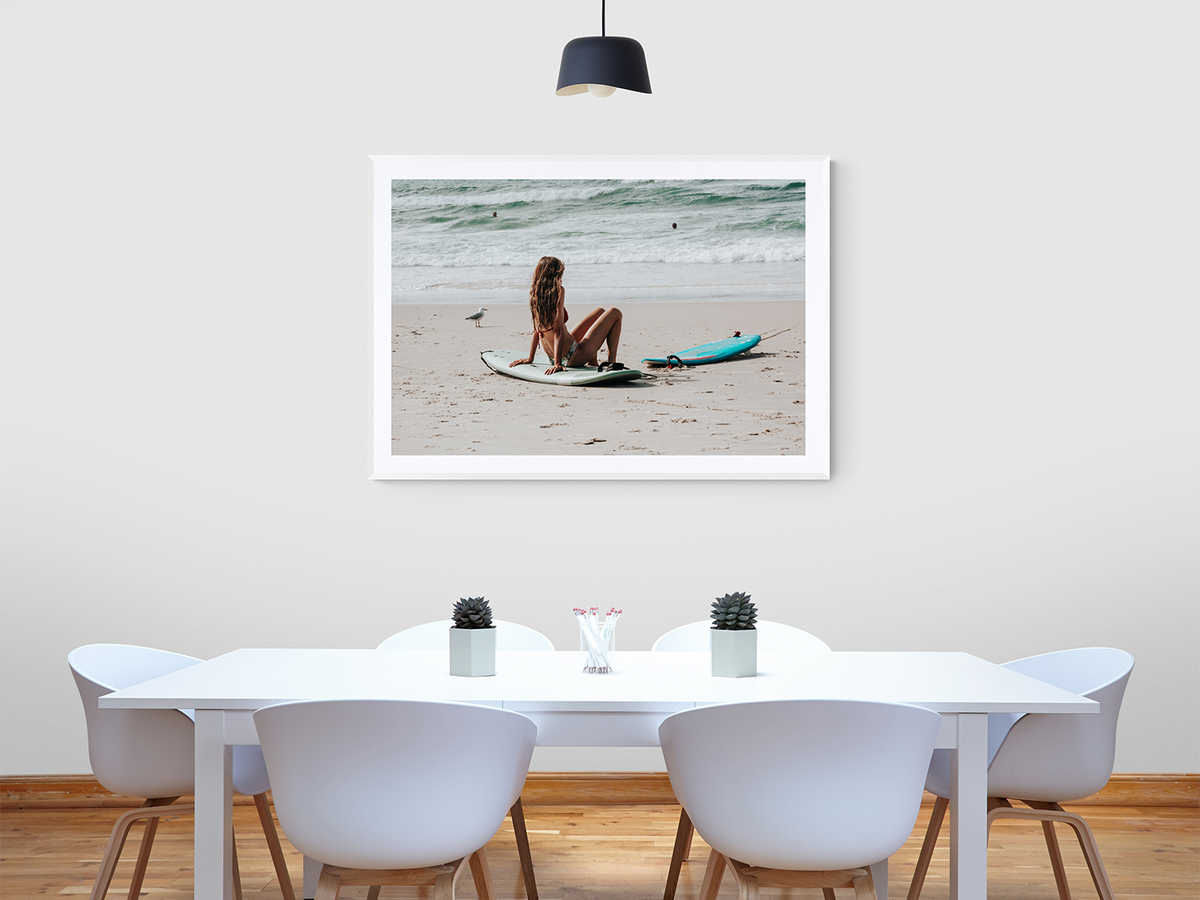
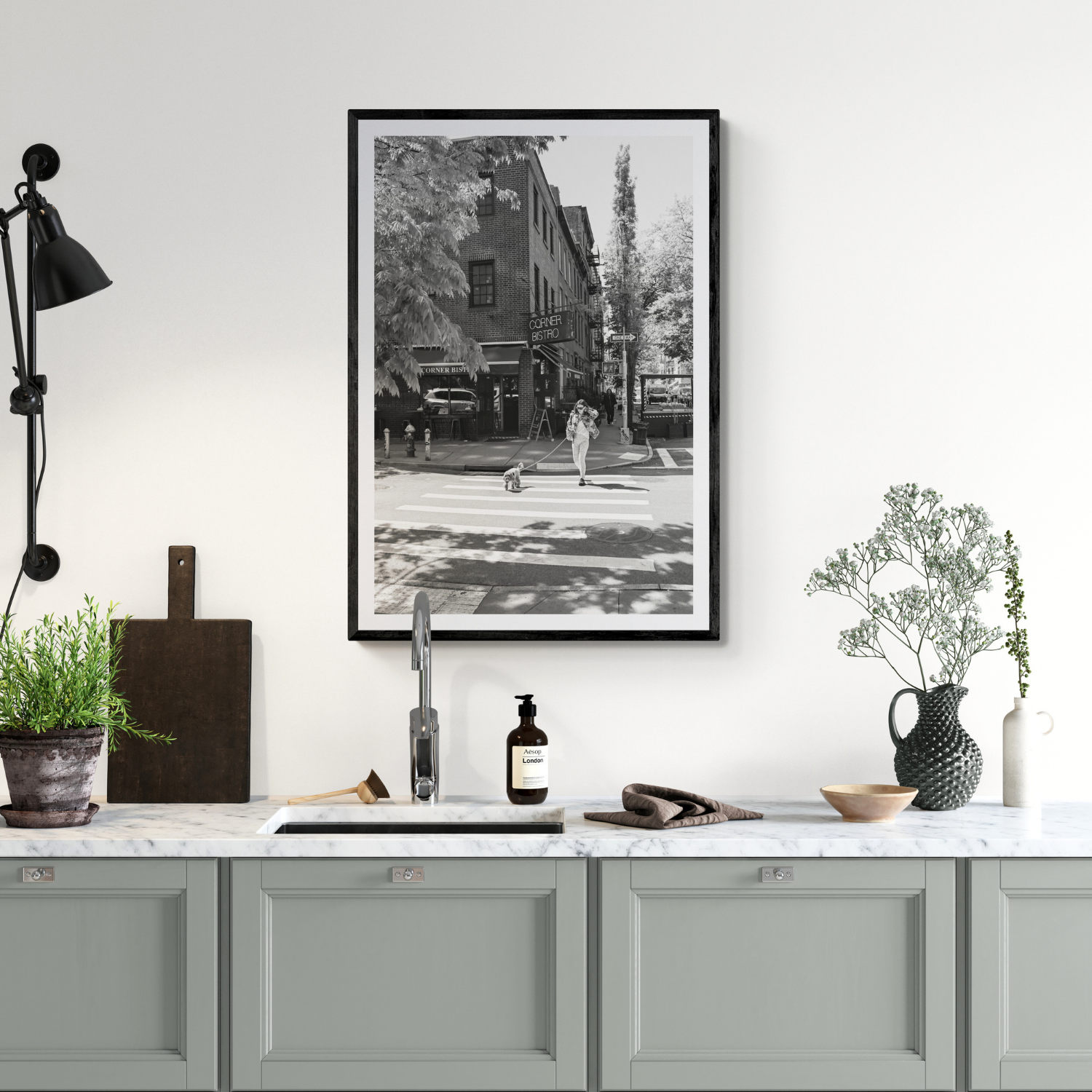
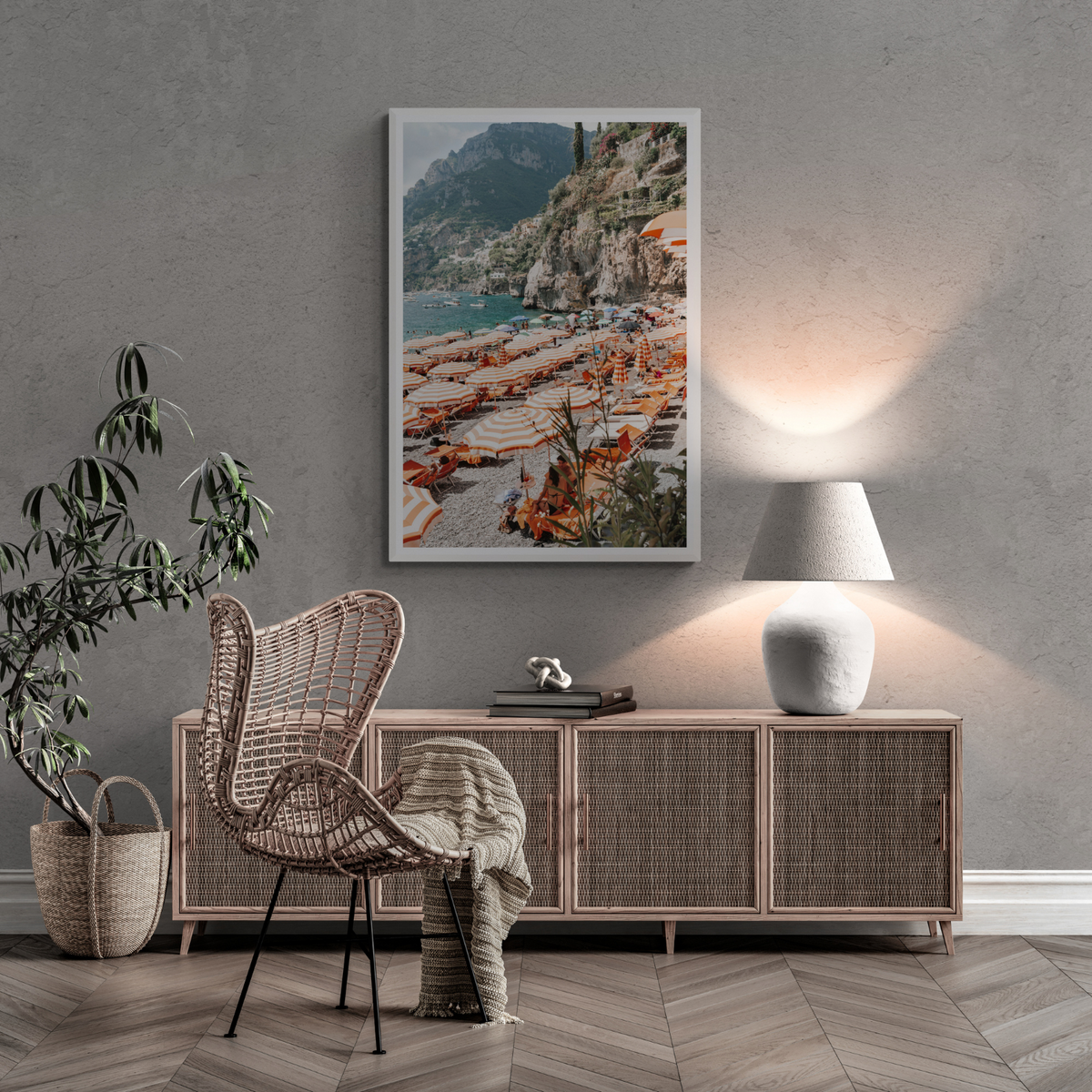
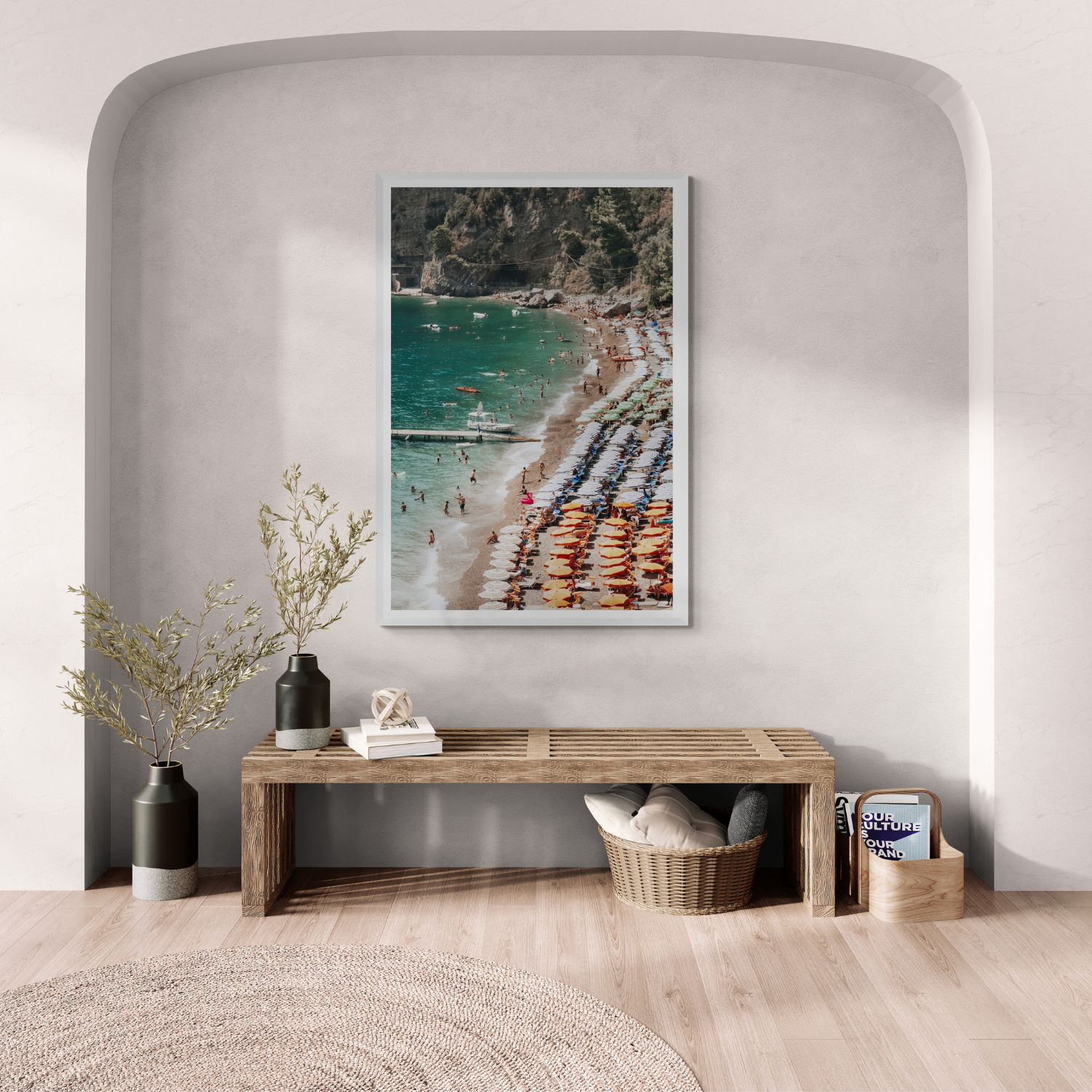
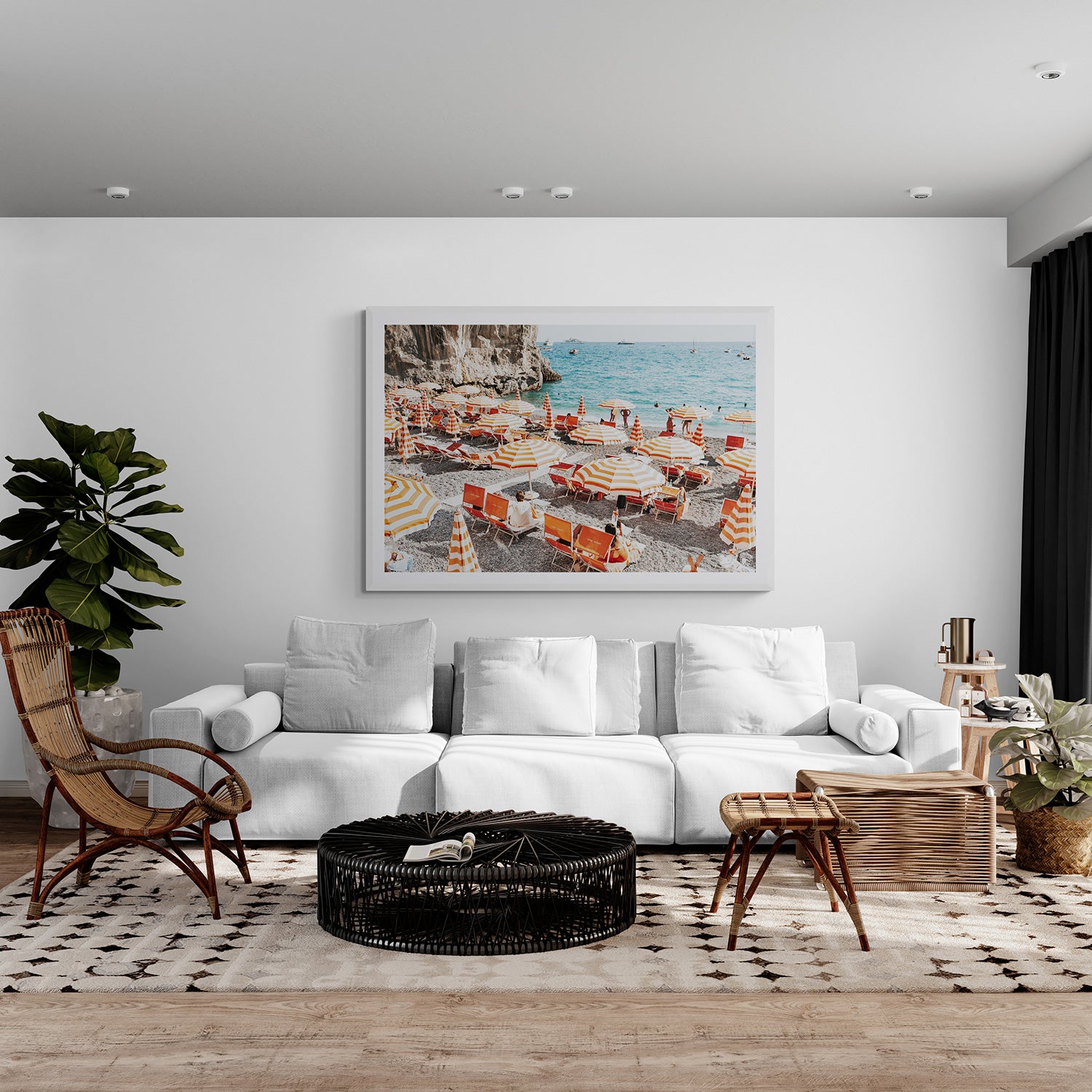
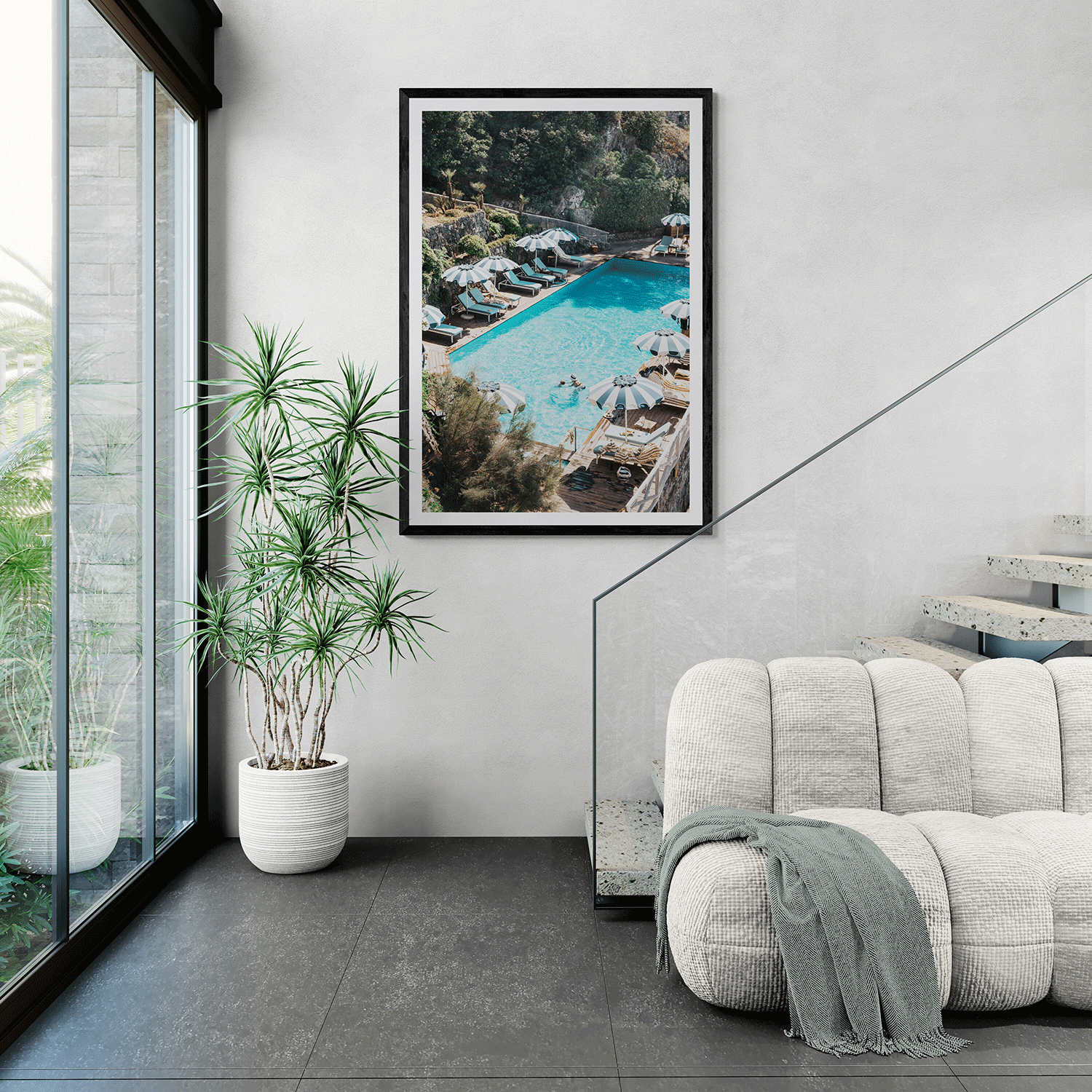
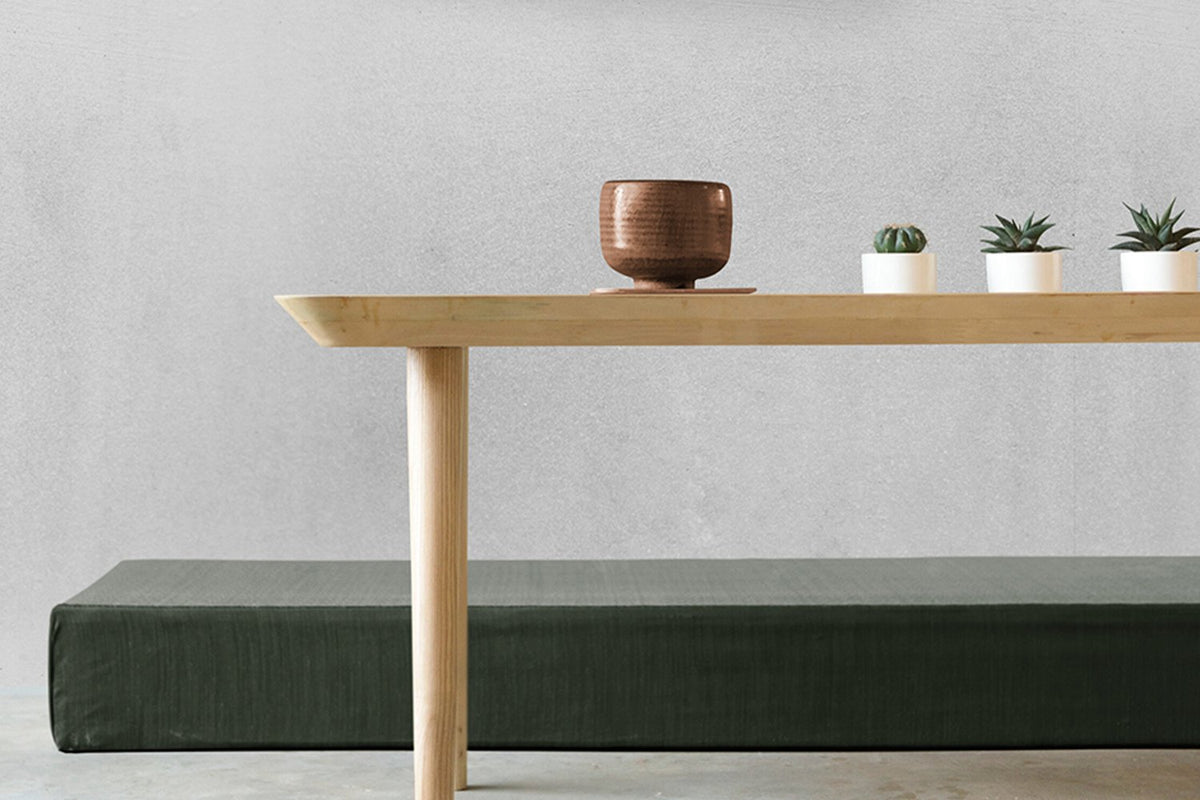
Once a surface is clear, decide what deserves to stay out: a lamp, one useful tray, perhaps a photograph or artwork you enjoy. Leave working space around it. Displaying fewer things gives meaningful pieces room to be noticed; it is the reward for a functional edit, not a reason to buy more.
Build a small maintenance habit
Spend a few minutes returning displaced items to their homes at a consistent time. Before bringing in a new object, know where it will go. Review the zones that collect clutter each month and change the system if it is too hard to maintain. If the entry is always messy, the problem may be the absence of a reachable hook, not a lack of discipline.
Decluttering is finished when a room becomes easier to use. It need not become empty or impersonal.
Decluttering recipe
Three decisions that make an edited room still feel warm

Choose one anchor
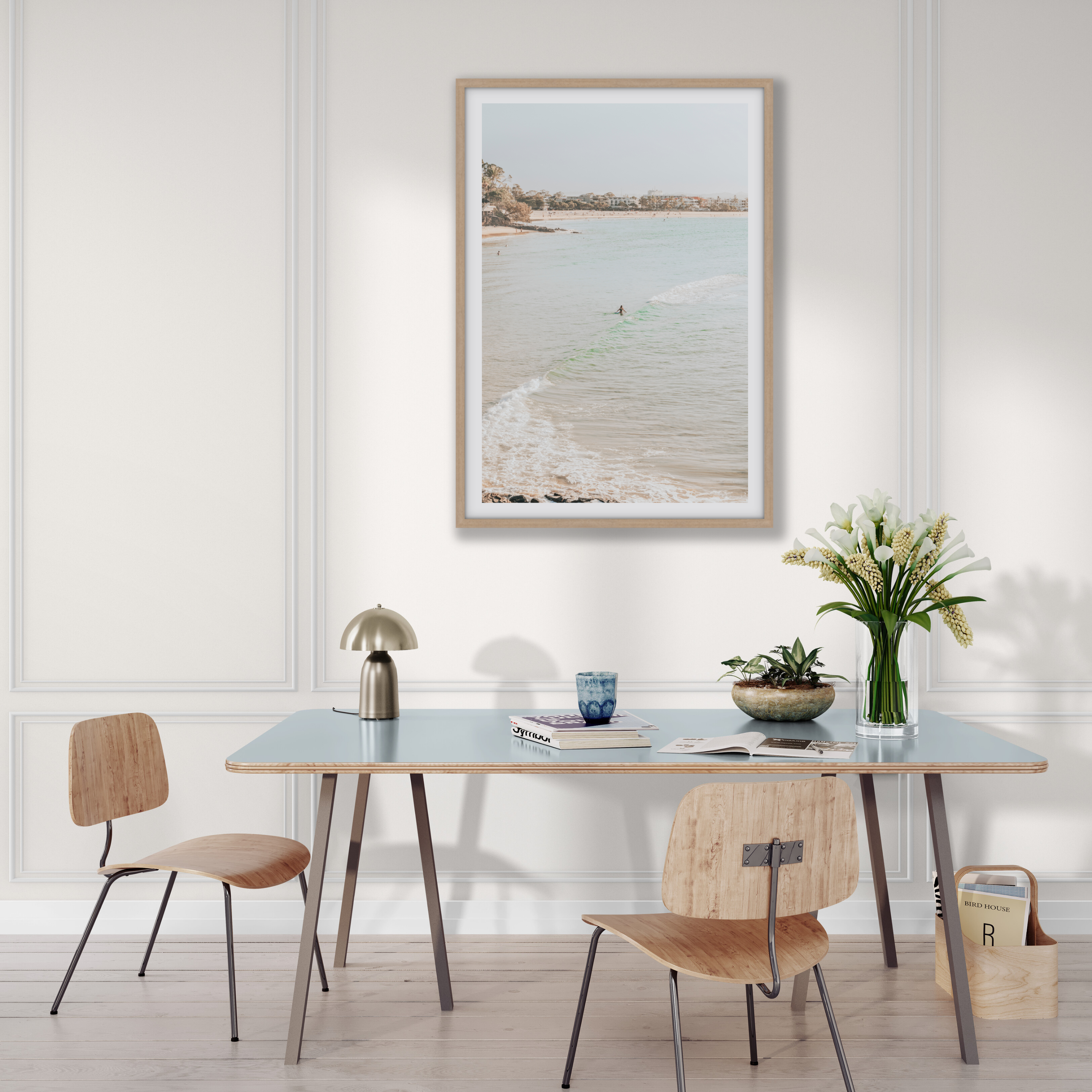
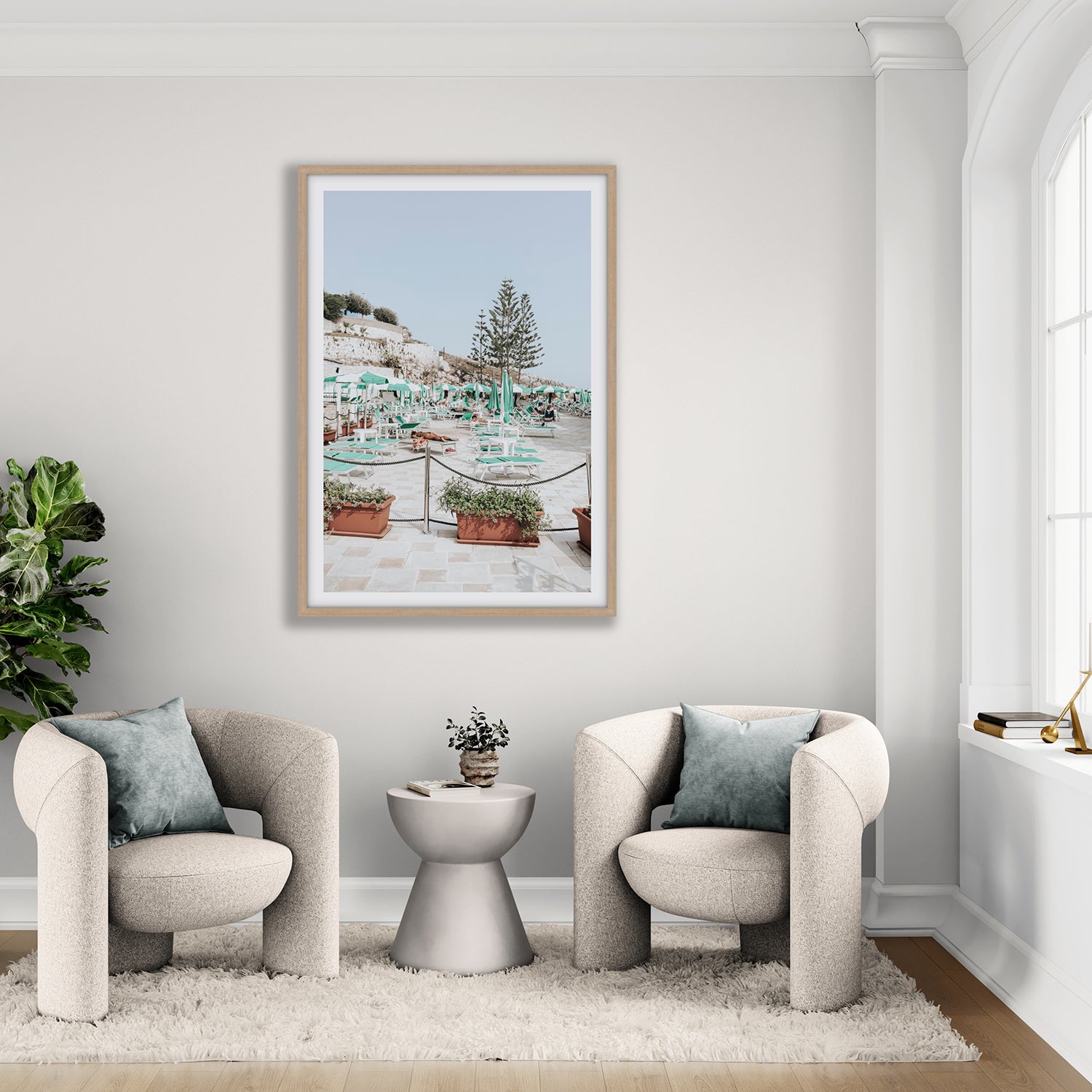
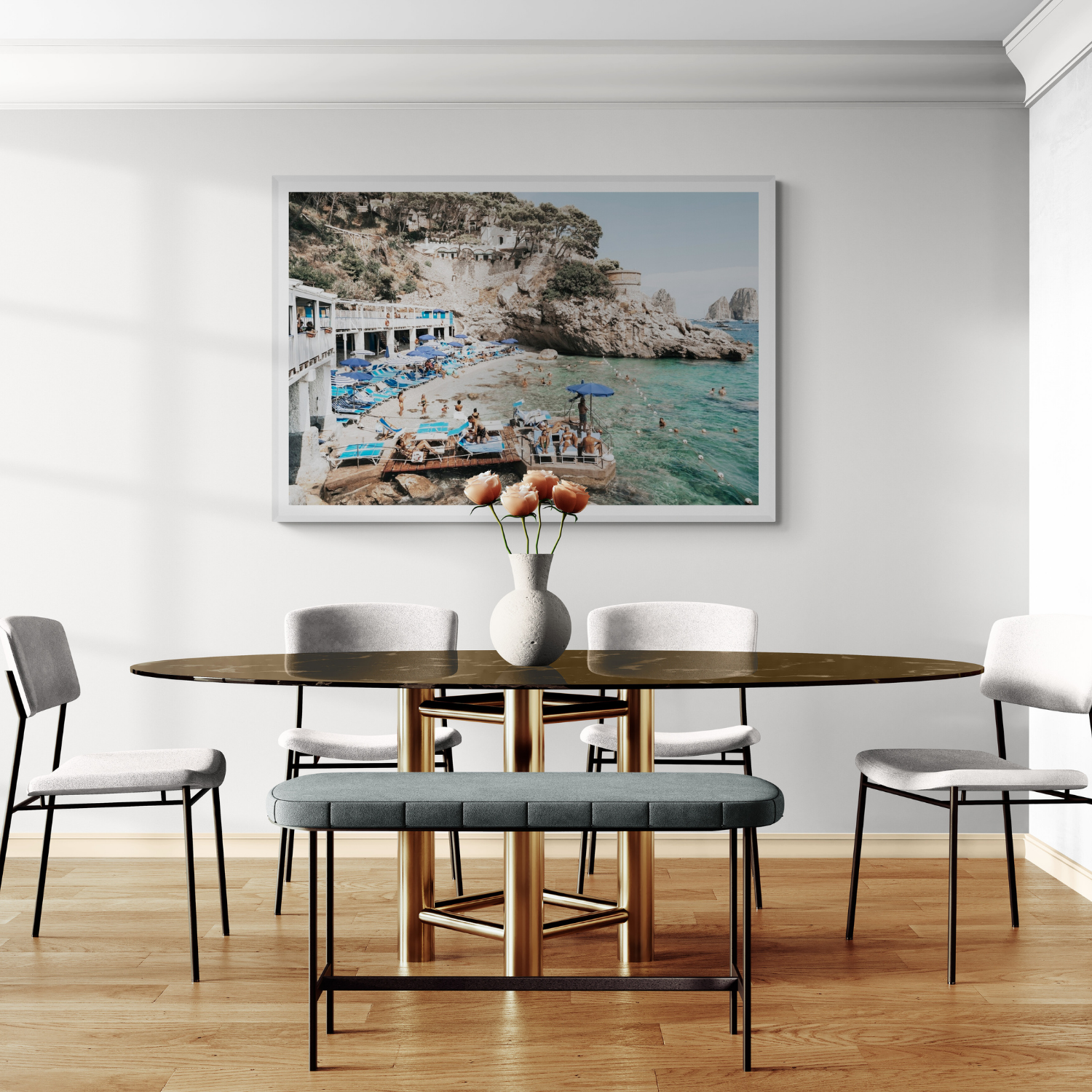
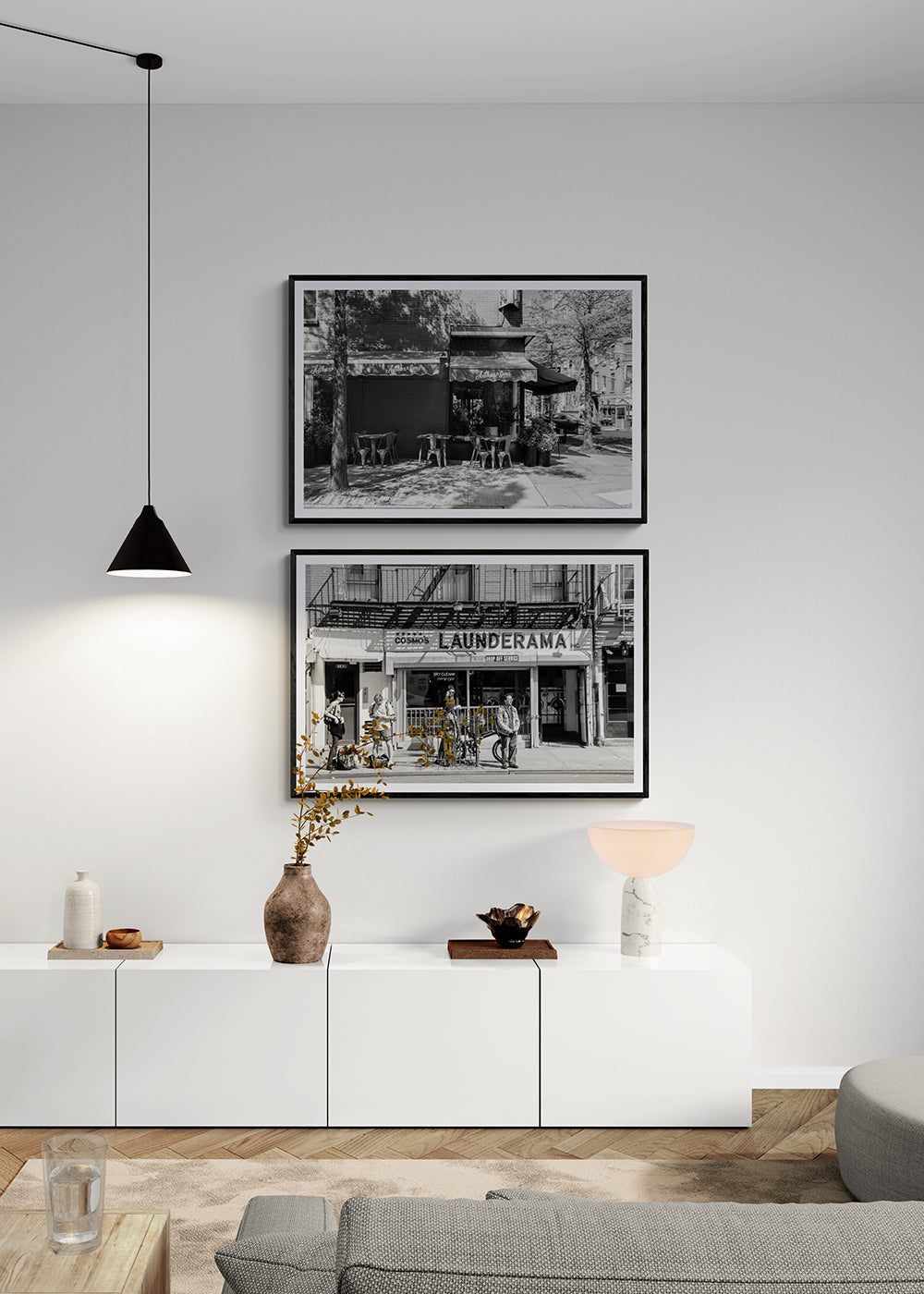
A single confident artwork can replace several small decorative pieces and make the room feel calmer.

Group what belongs together
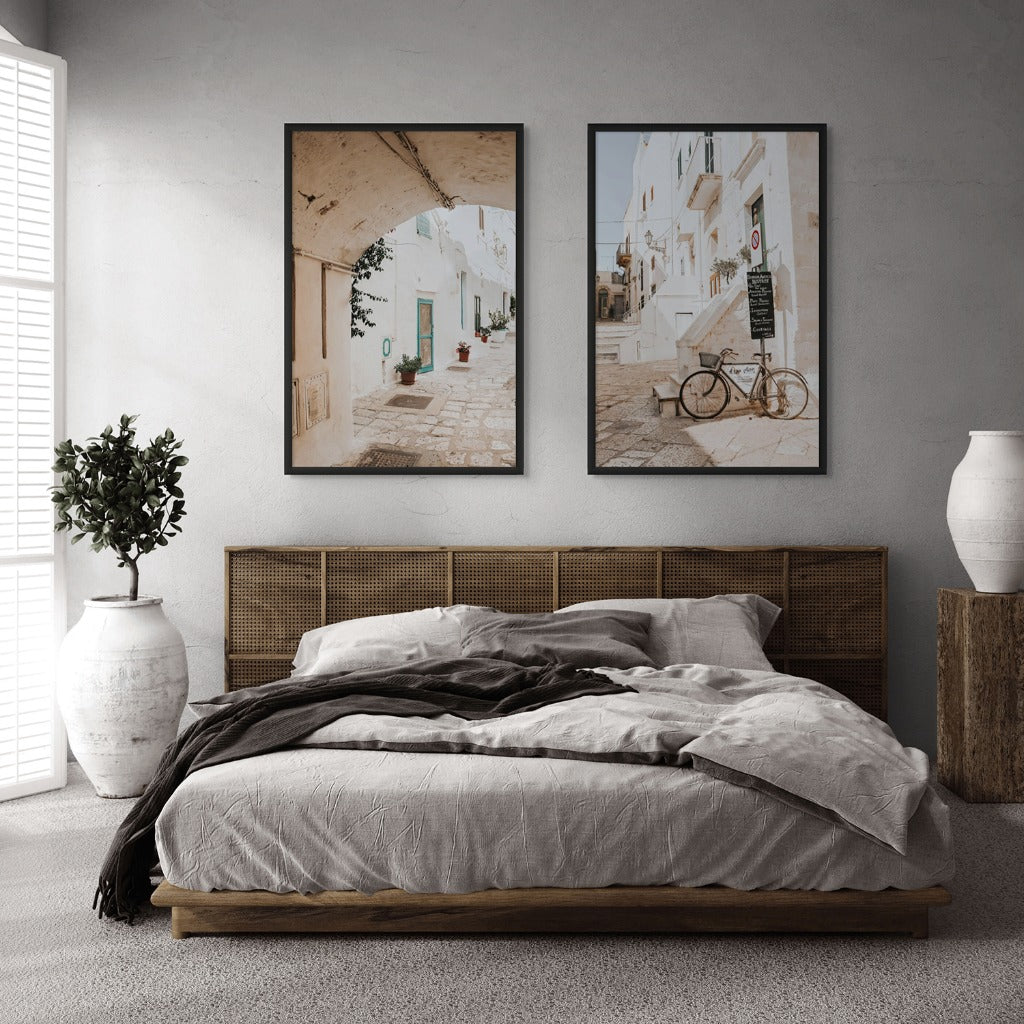
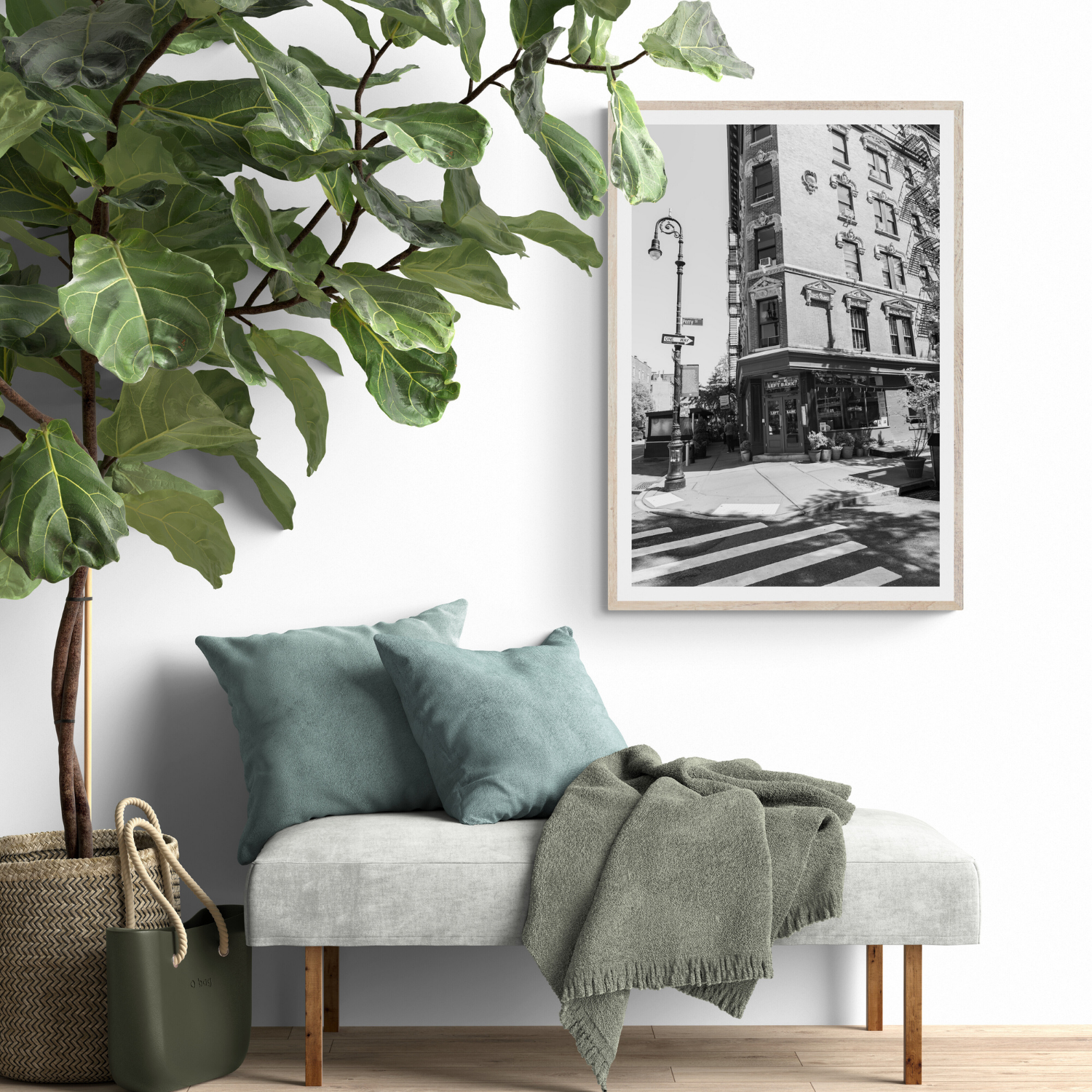
A print pair works best when it feels like one considered moment rather than more visual clutter.

Leave space around it
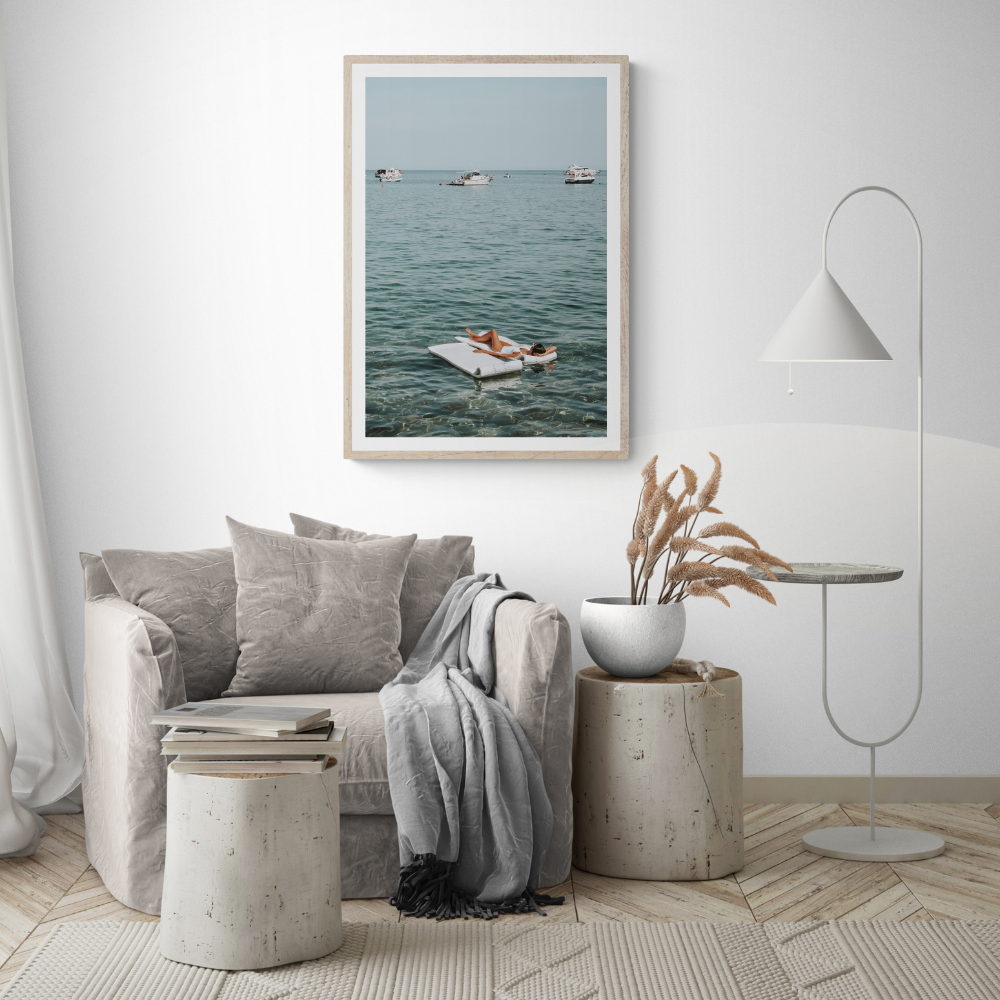
The breathing room around the artwork is what makes the edit feel deliberate.