

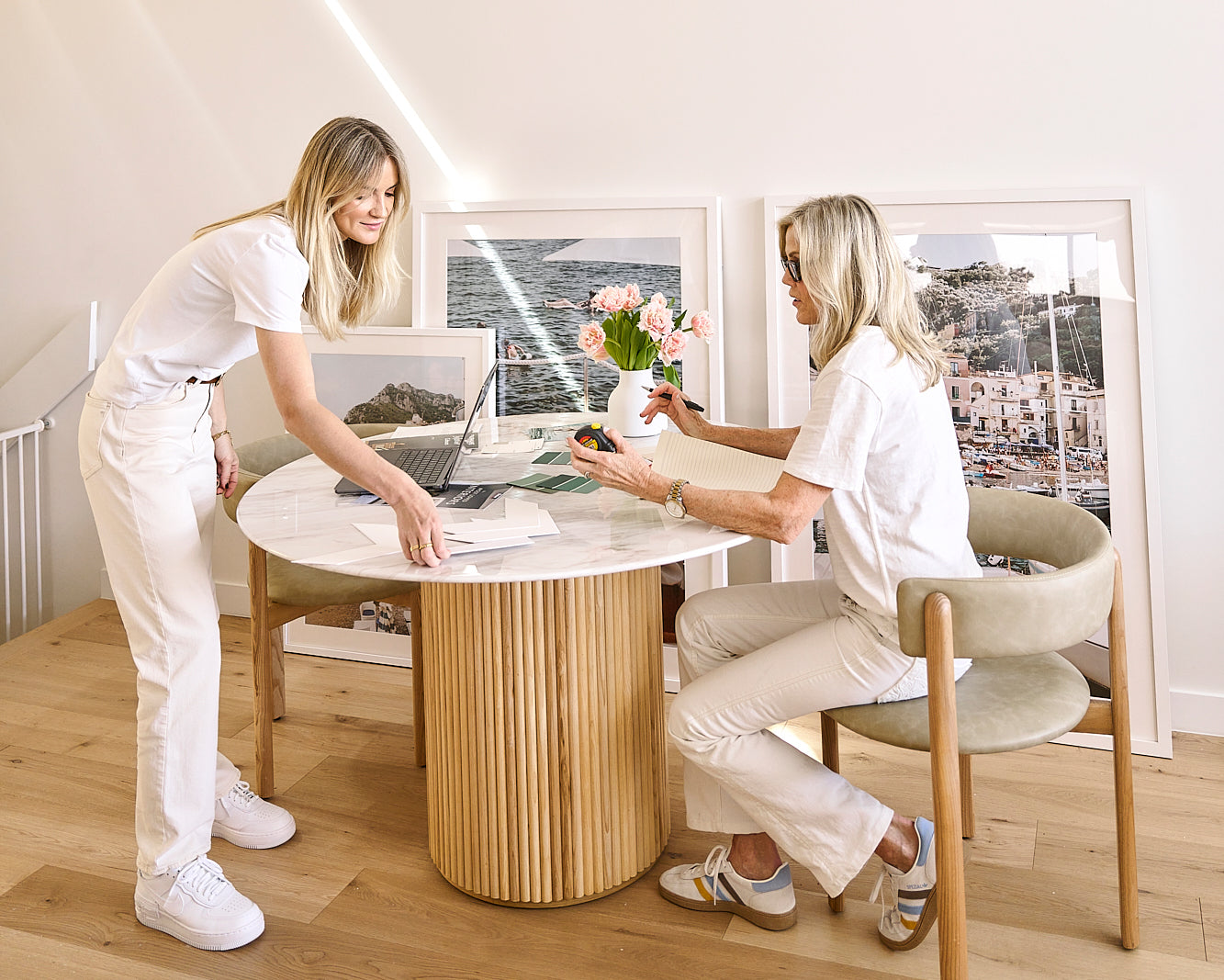


A compact room is easier to use when its furniture has a clear job and you can move through it without negotiating obstacles. Before buying space-saving products, draw a rough plan with doors, windows, sockets and the furniture you already own.
Protect the route through the room
Open every door and drawer on your plan. Mark the path from entrance to the seat, bed or work area. If an occasional chair sits in that route, move it or remove it. A clear path makes a small room feel more generous and accessible than squeezing in one more useful-looking item.
Choose furniture for its footprint and reach
Measure both the item and the space needed to use it. A deep sofa may consume the floor even if its width fits; a shallow console can provide a surface without dominating a passage. In a studio, a table that folds or extends may be more useful than one permanently sized for guests.
Put storage where it will be used
Use vertical wall space where suitable, but confirm fixings and load limits. Frequently used objects belong at reachable heights; seasonal items can go higher or in closed storage. A narrow shelf is not a solution if it protrudes into a doorway. Let storage reduce visible piles rather than merely display them.
Define zones without building walls
A rug, lamp or shift in furniture direction can distinguish a reading corner from a work area. Keep visual links between zones: repeating one colour or material makes the room coherent. Do not use a tall divider if it blocks the only useful daylight.
Use art to open or anchor a wall
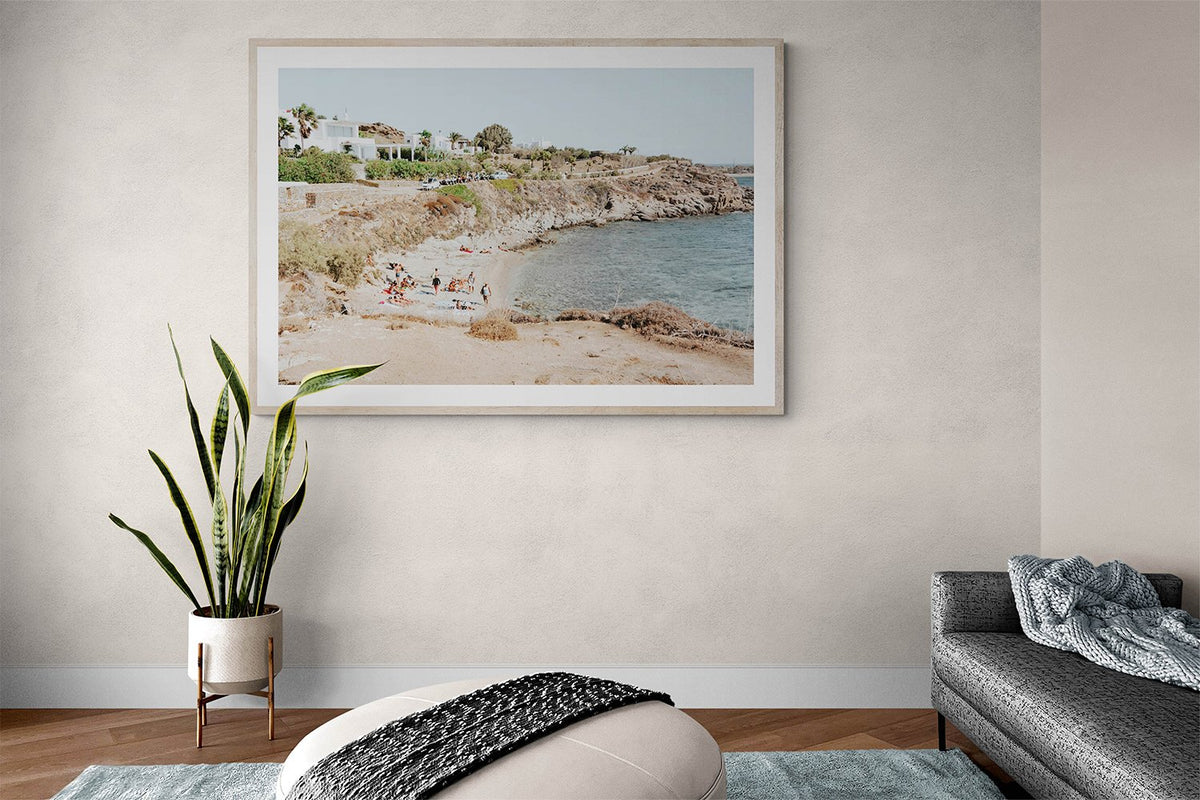
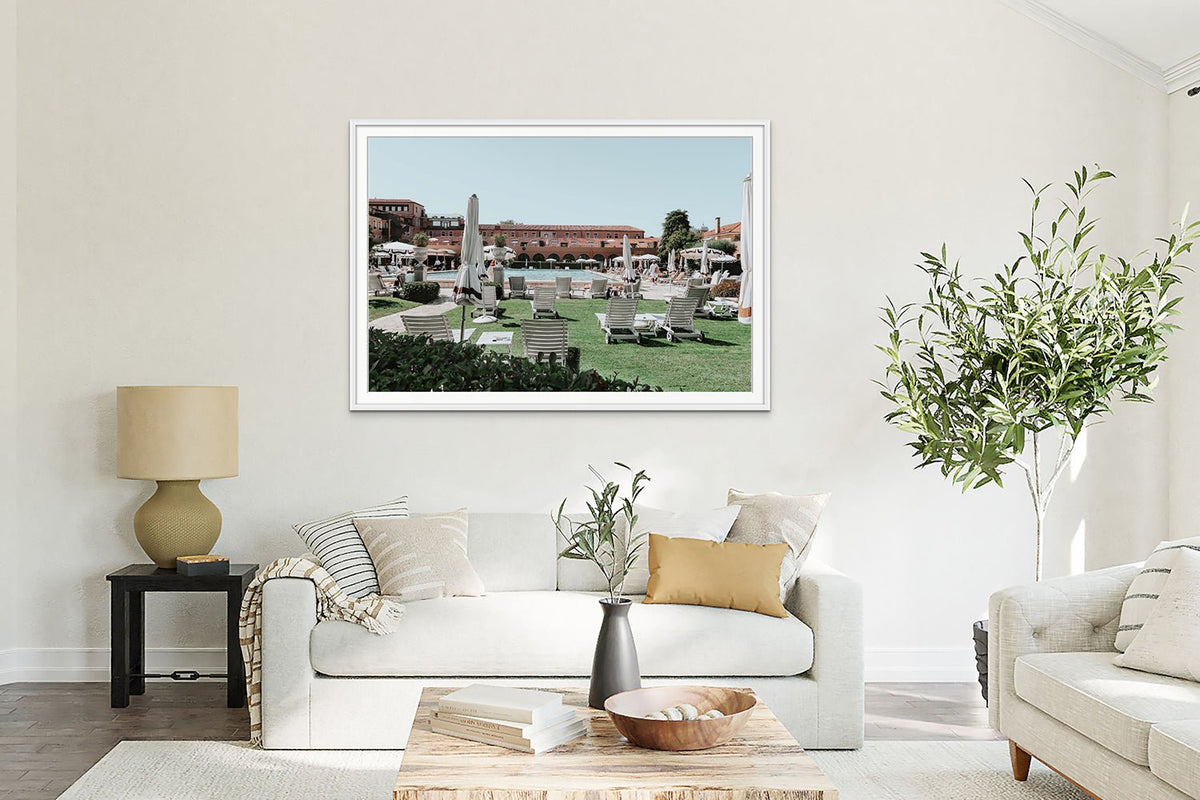
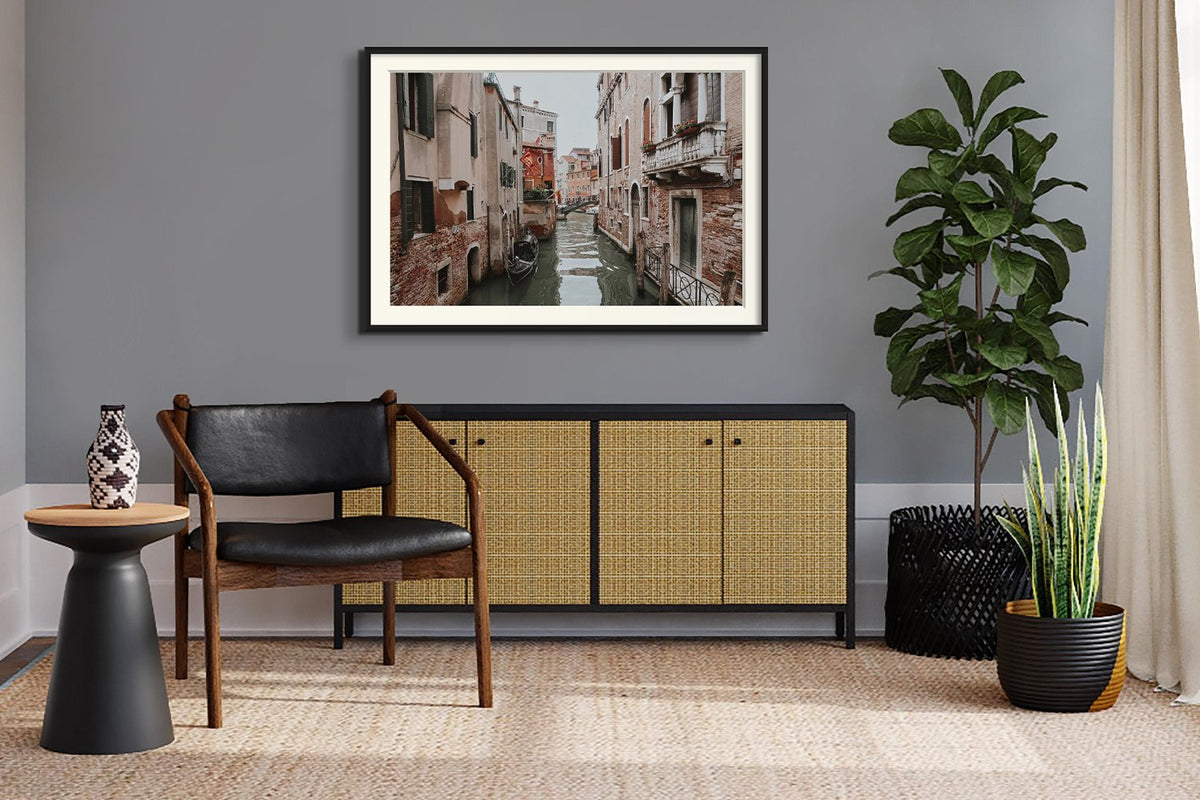
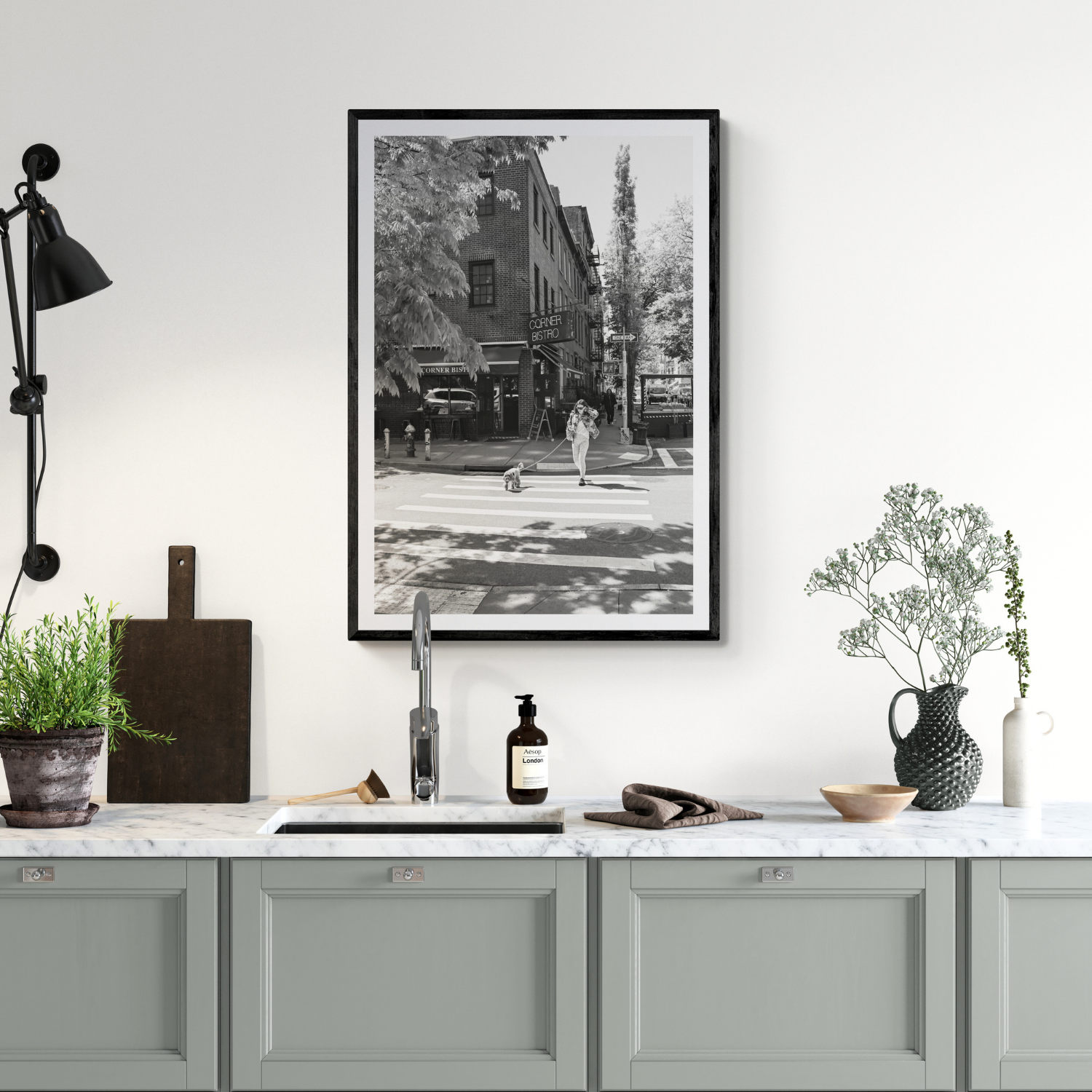
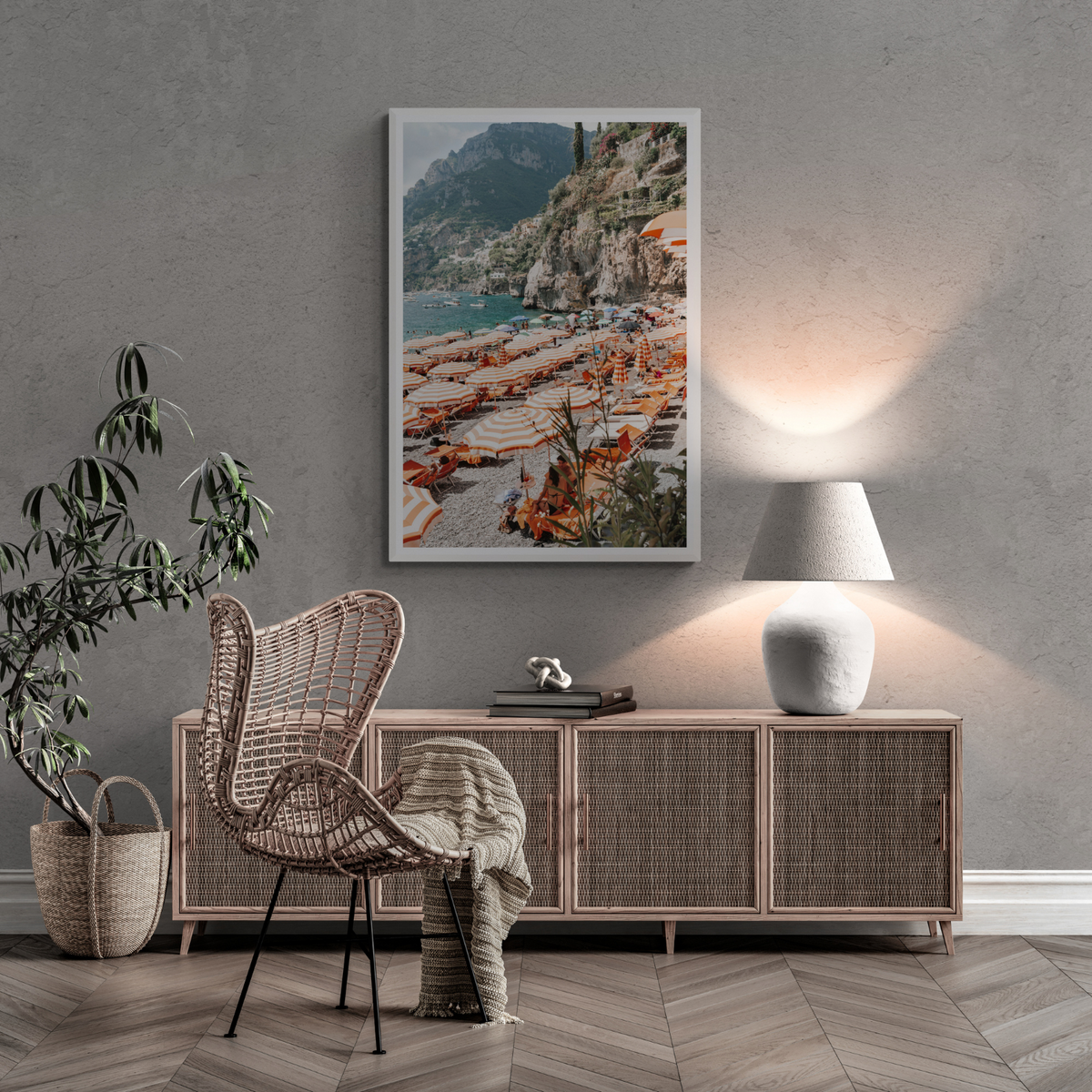
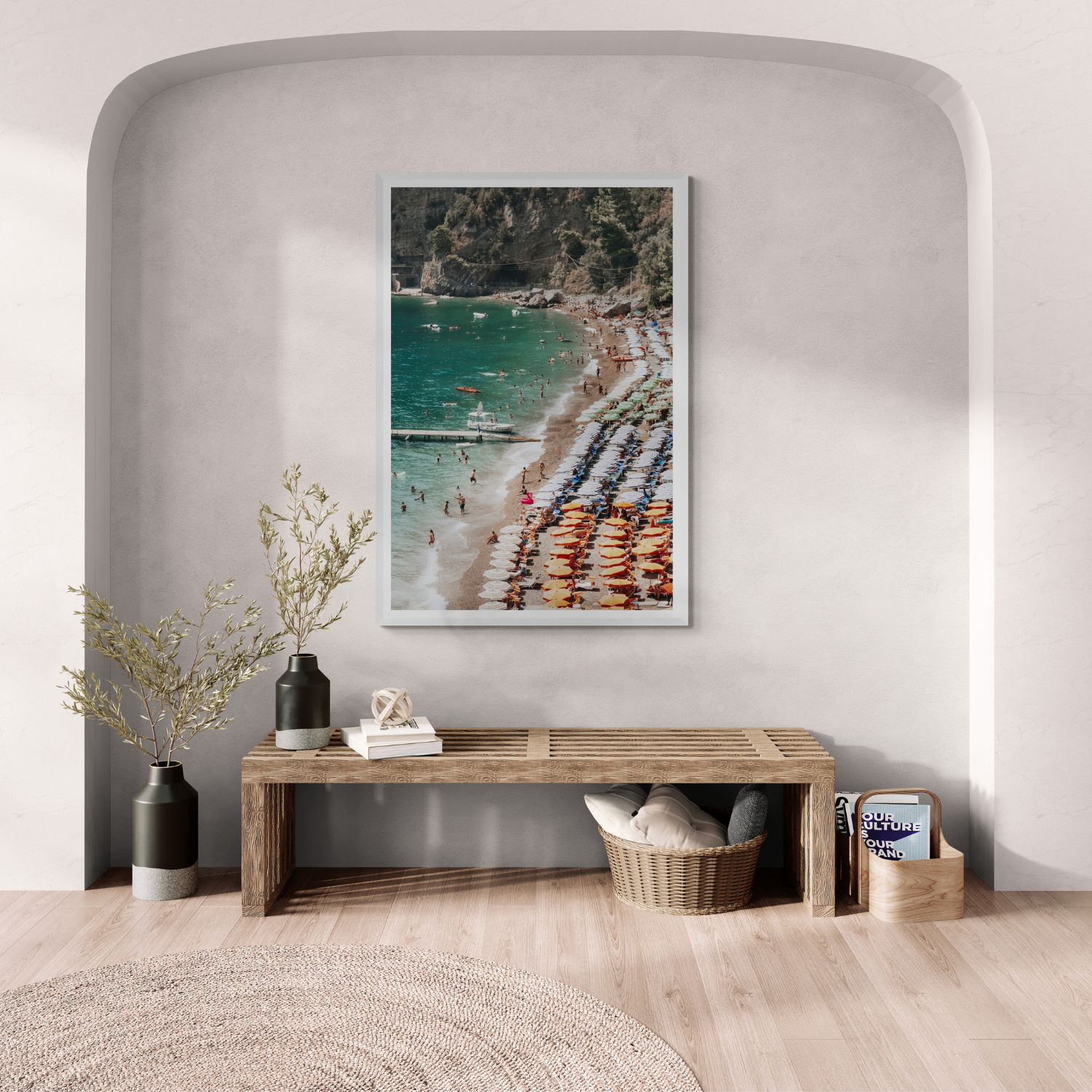
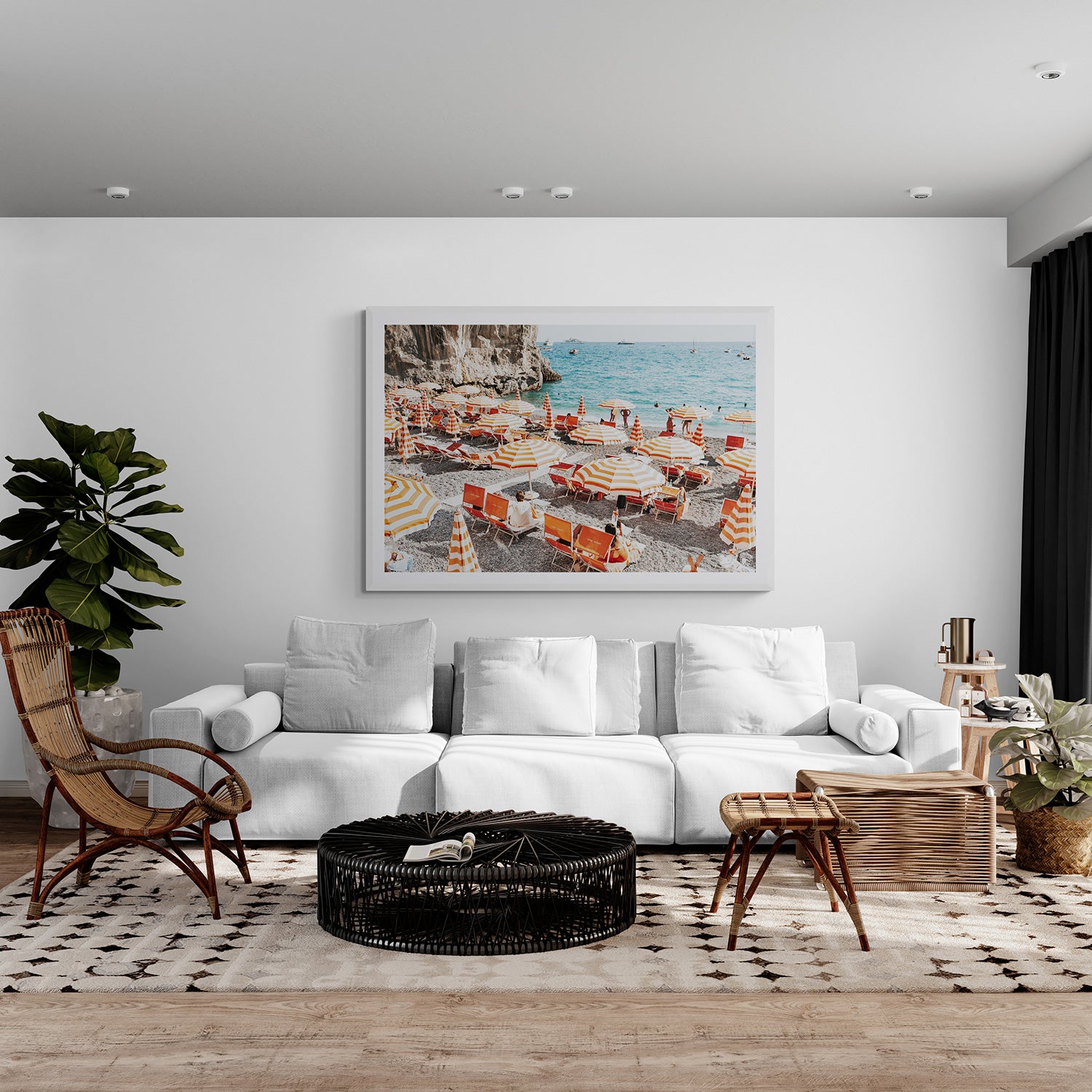
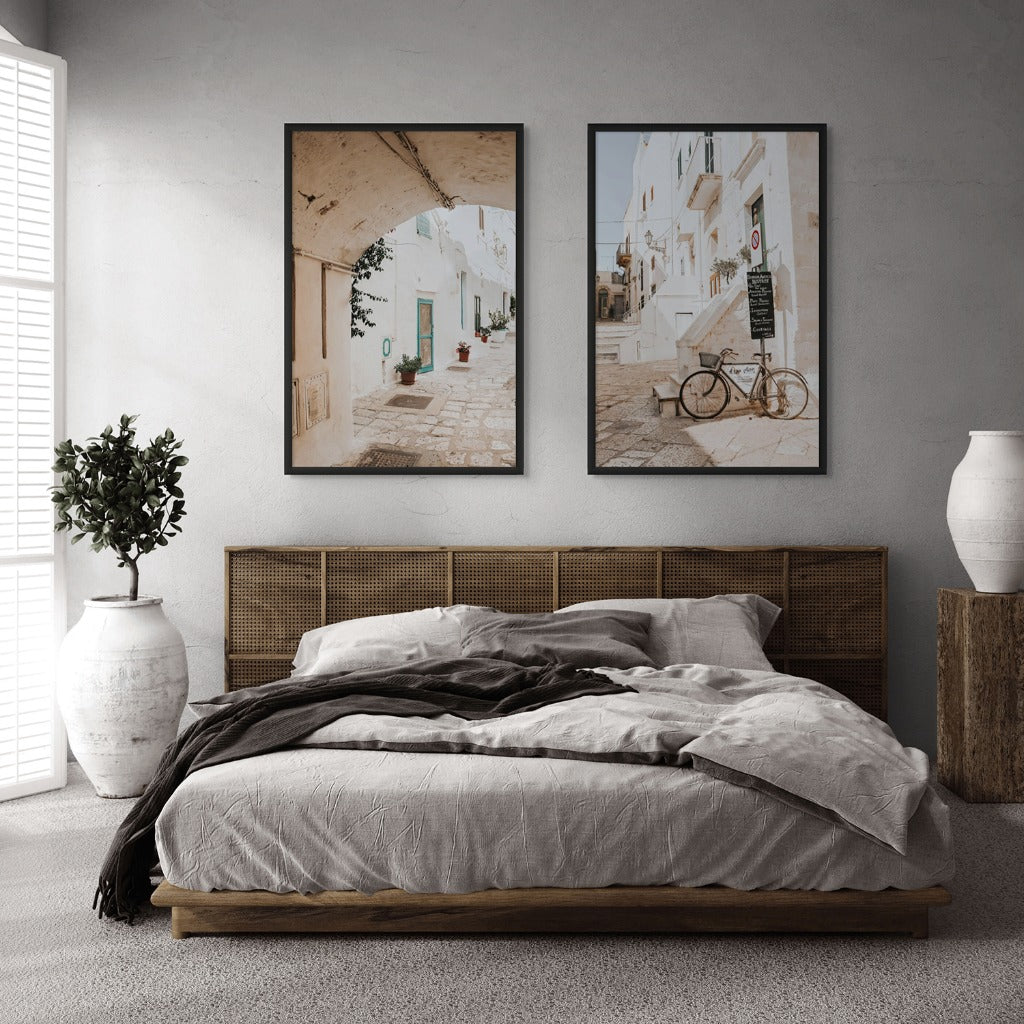
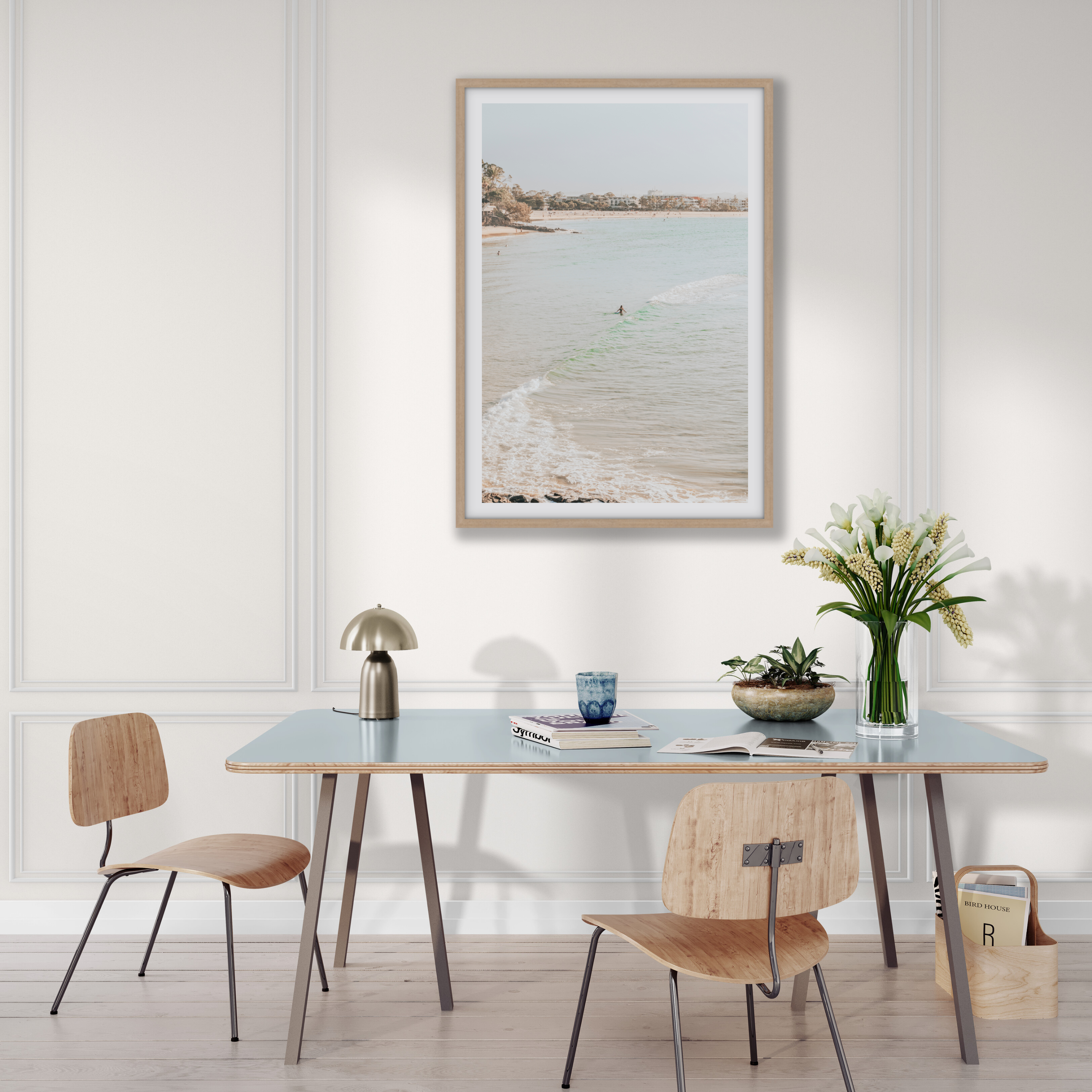
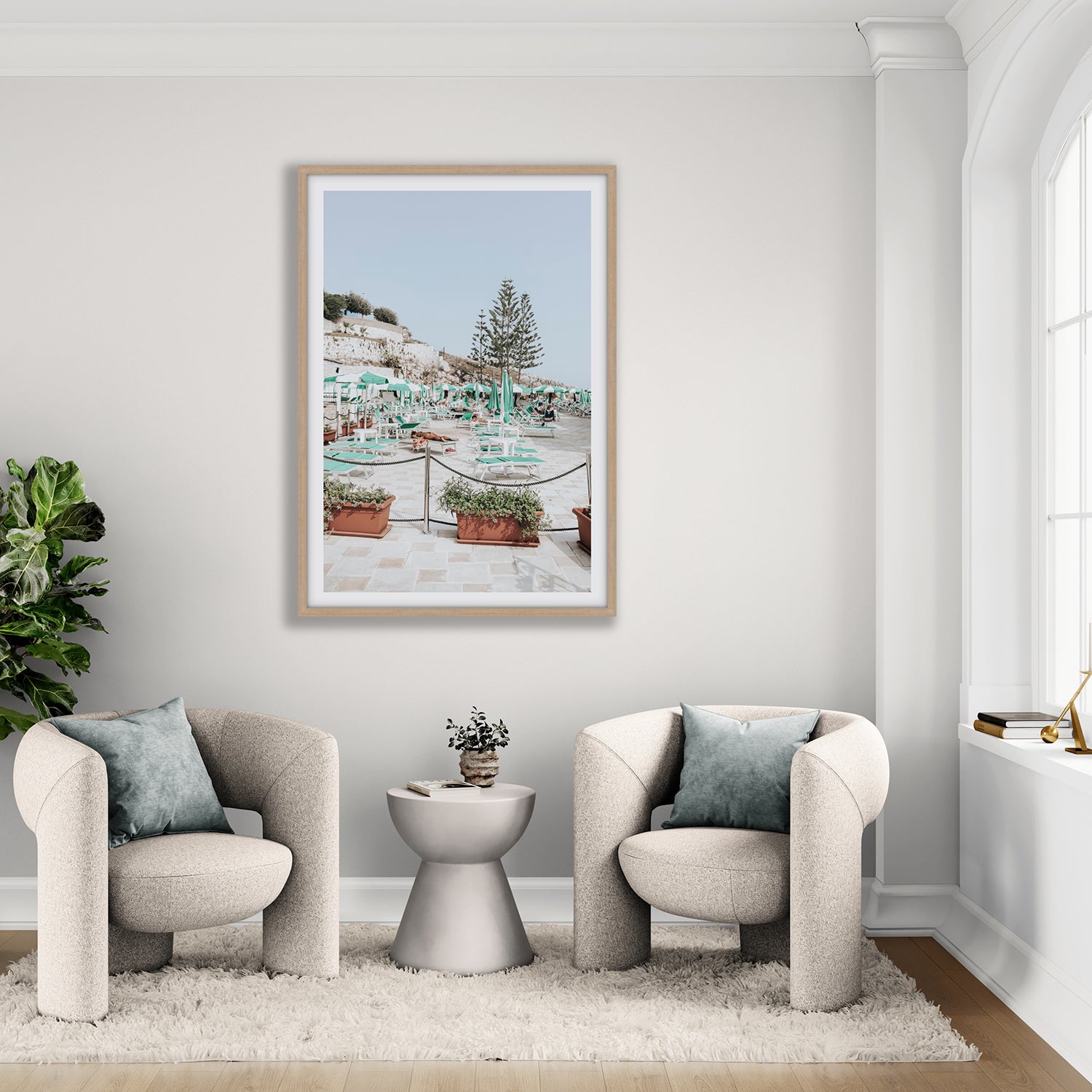
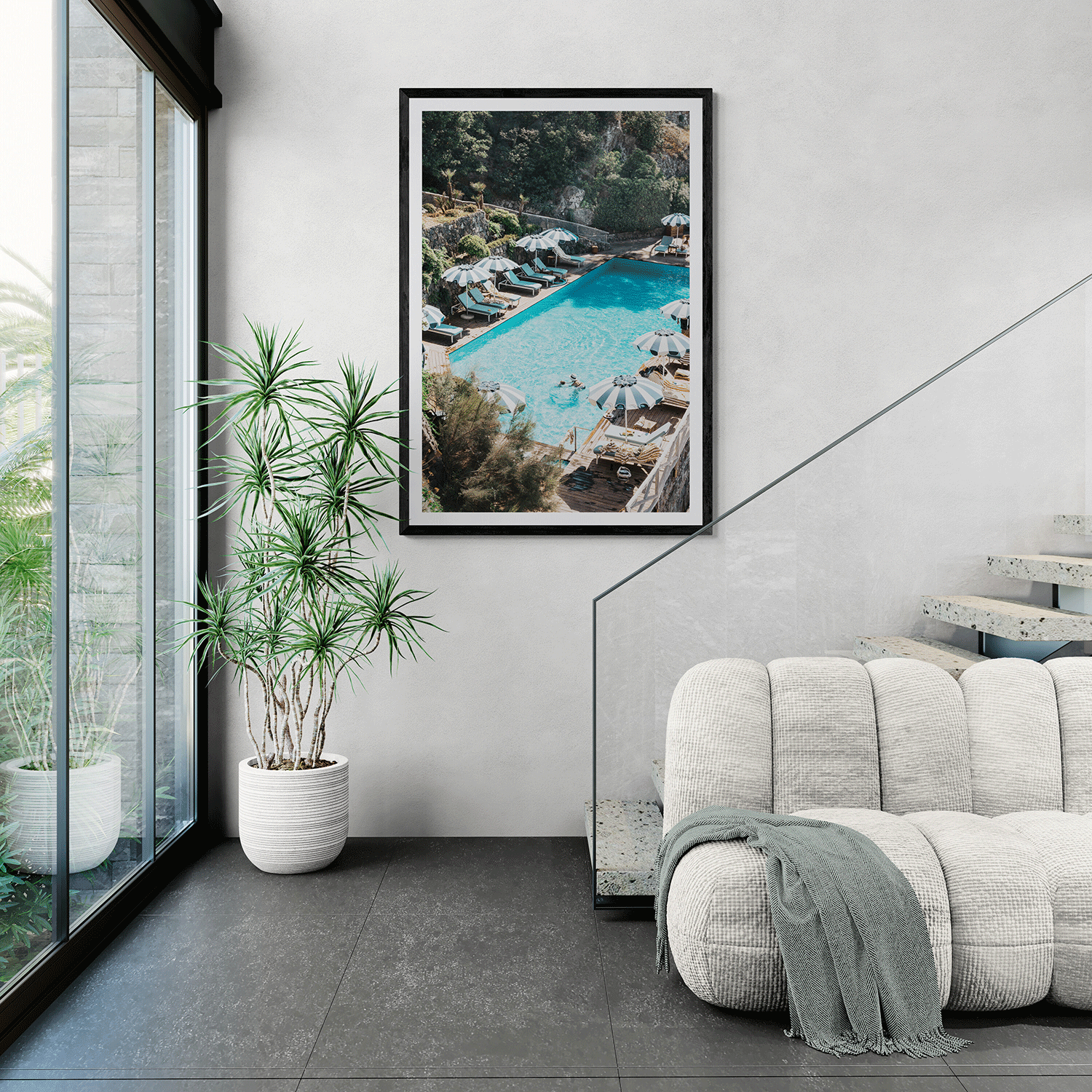
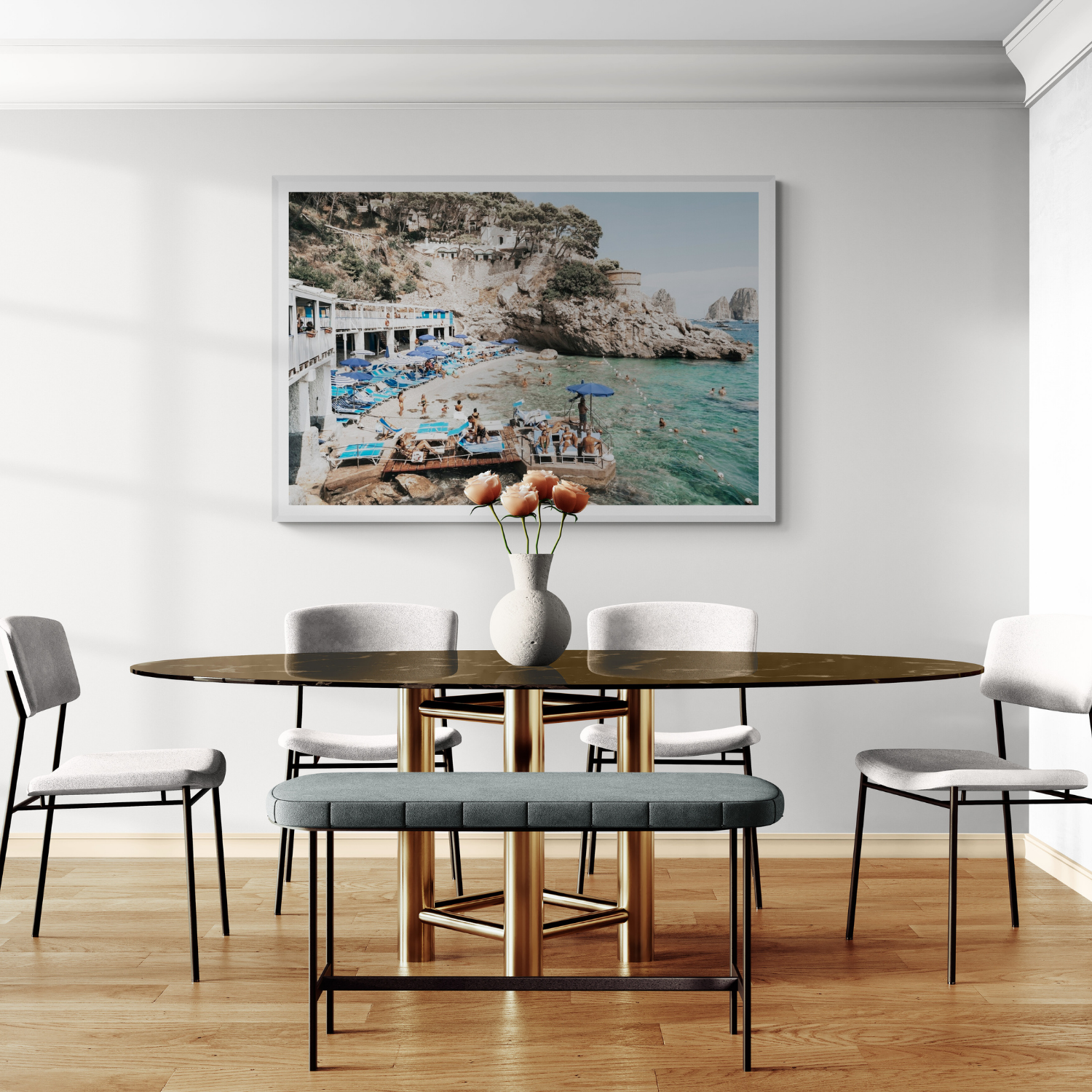
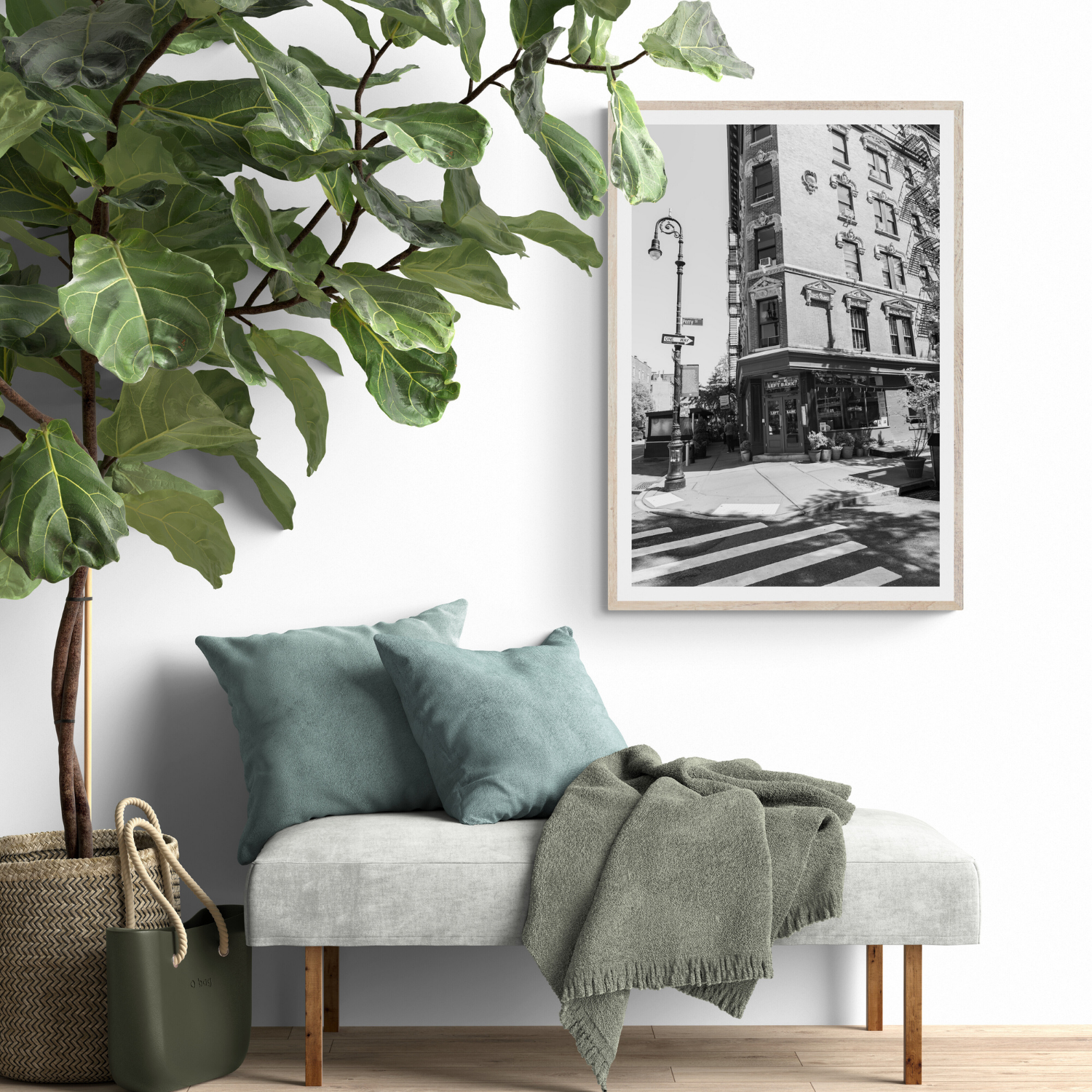
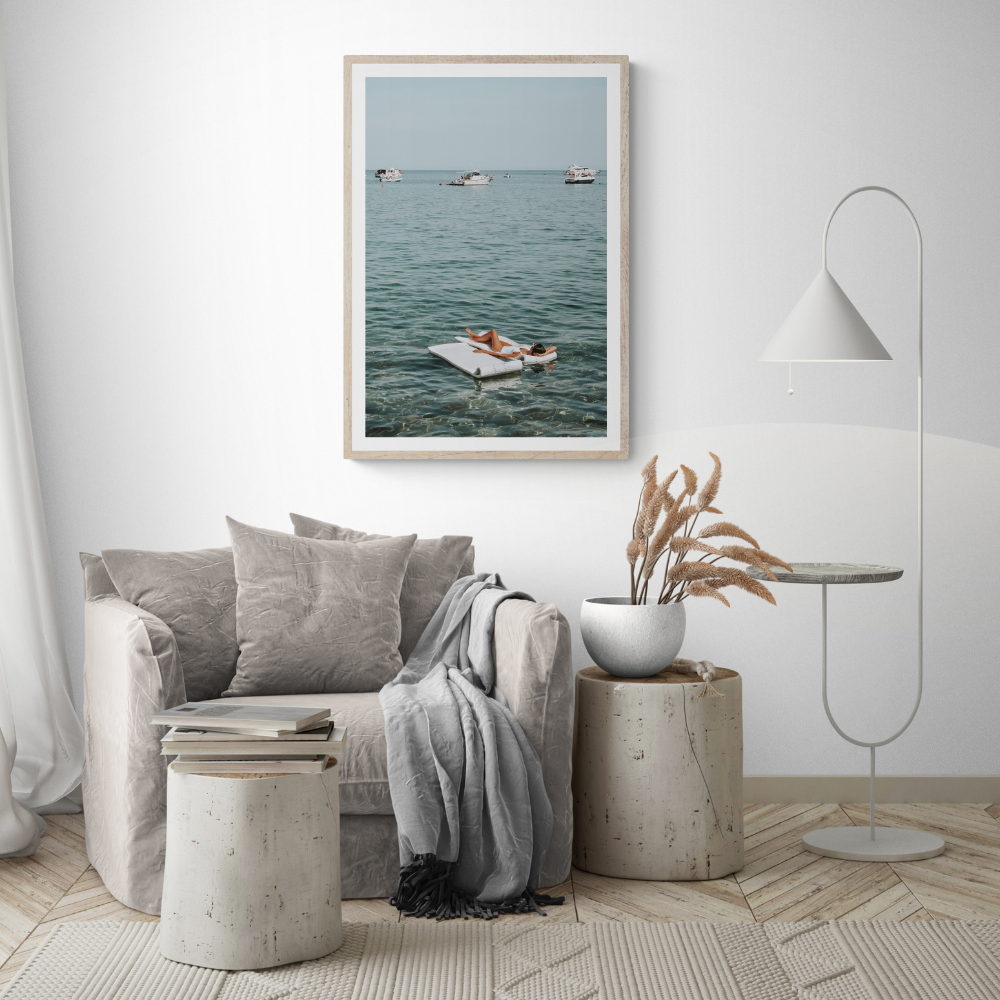
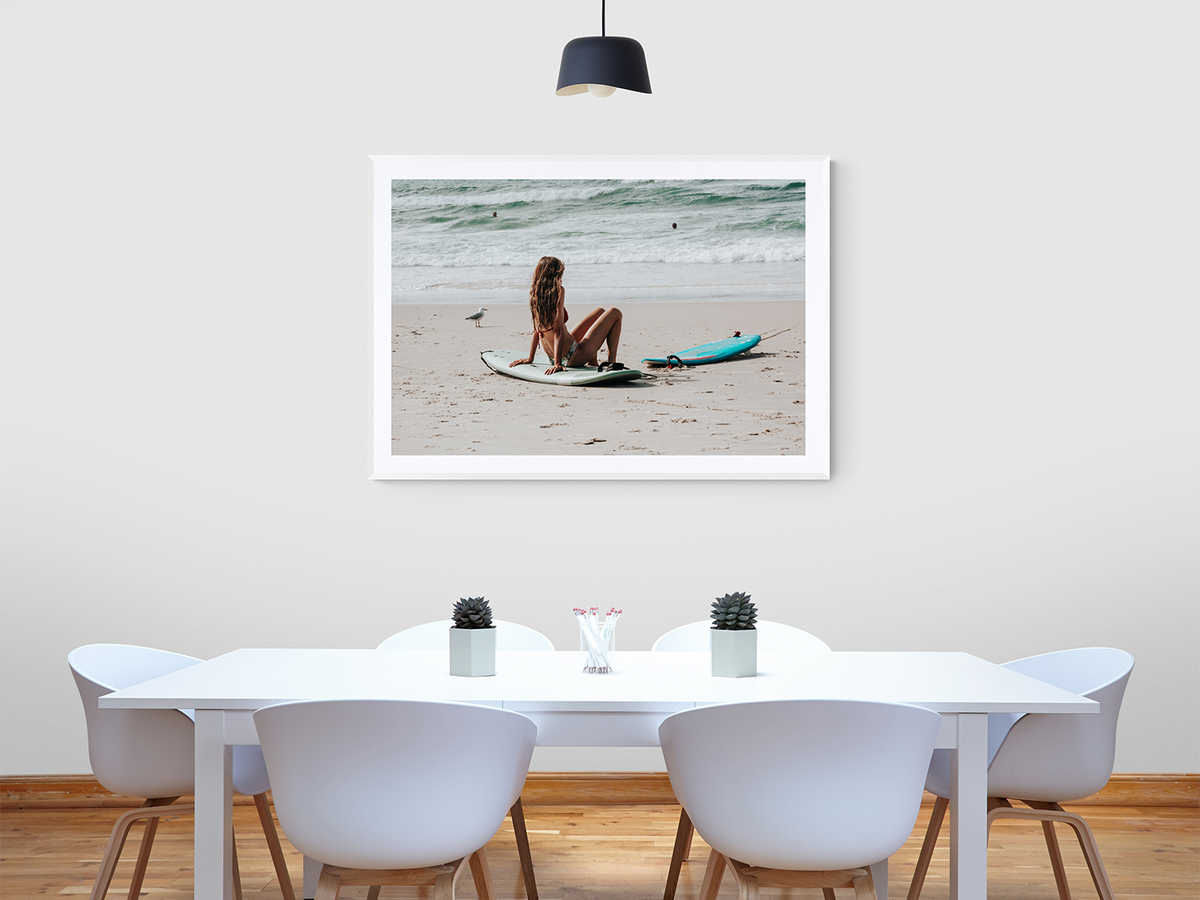
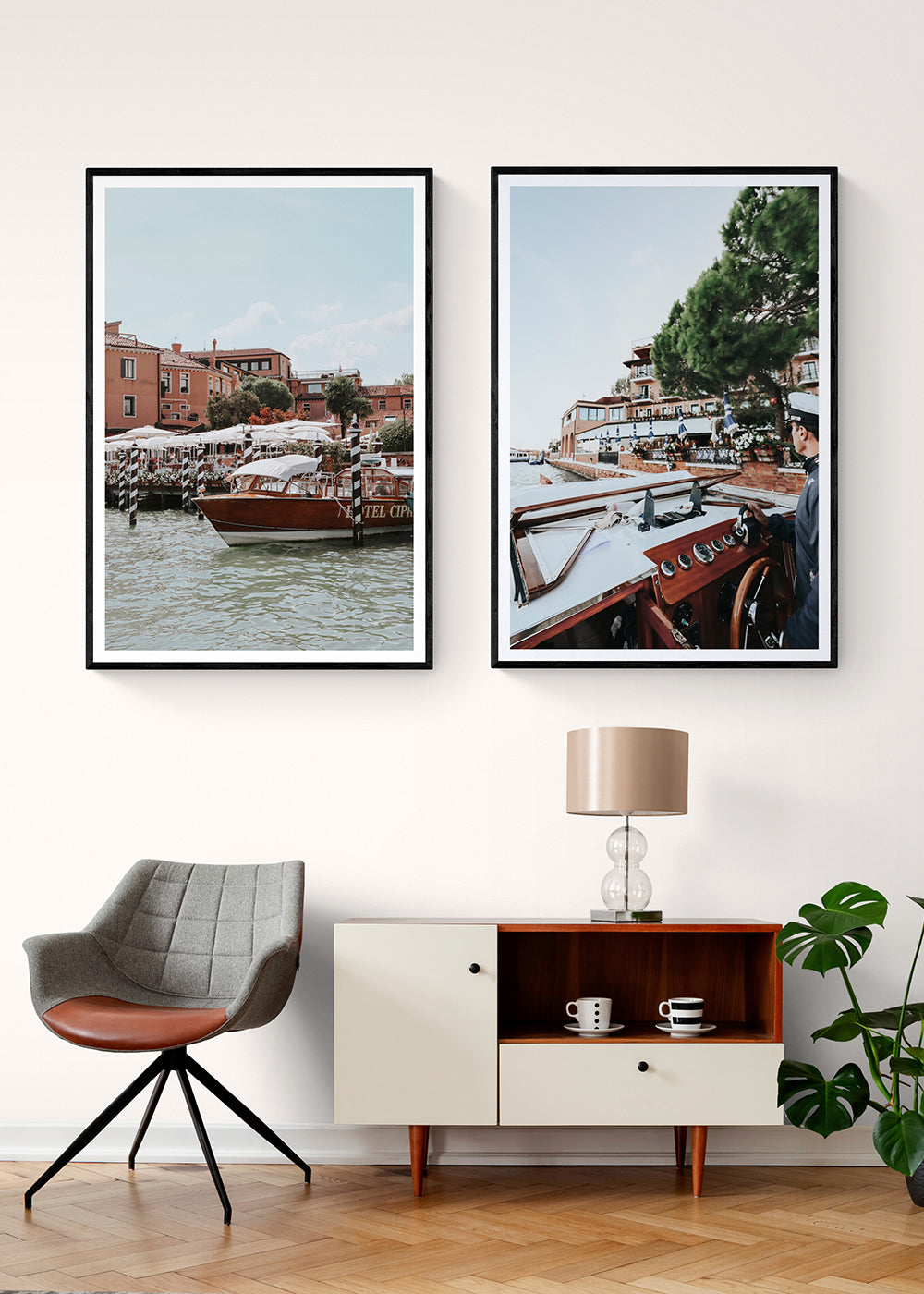
An image with sky, water or a long view can bring a sense of depth, but it will not change the room's physical dimensions. A portrait work can use a narrow wall; a larger landscape above a sofa may be clearer than several tiny frames. Tape the artwork's outside dimensions on the wall and check furniture clearance. The living-room art guide offers examples for different zones.
Test the layout before spending
Use what you own for a week in the proposed positions. Notice where a bag lands, where a chair gets moved and whether light reaches the task. Those observations tell you which new item would solve a real problem—and which purchase can wait.
Small-space recipe
Three decisions that help small rooms breathe

Choose open imagery
Water, sky, architecture and negative space can make a compact room feel less closed in.
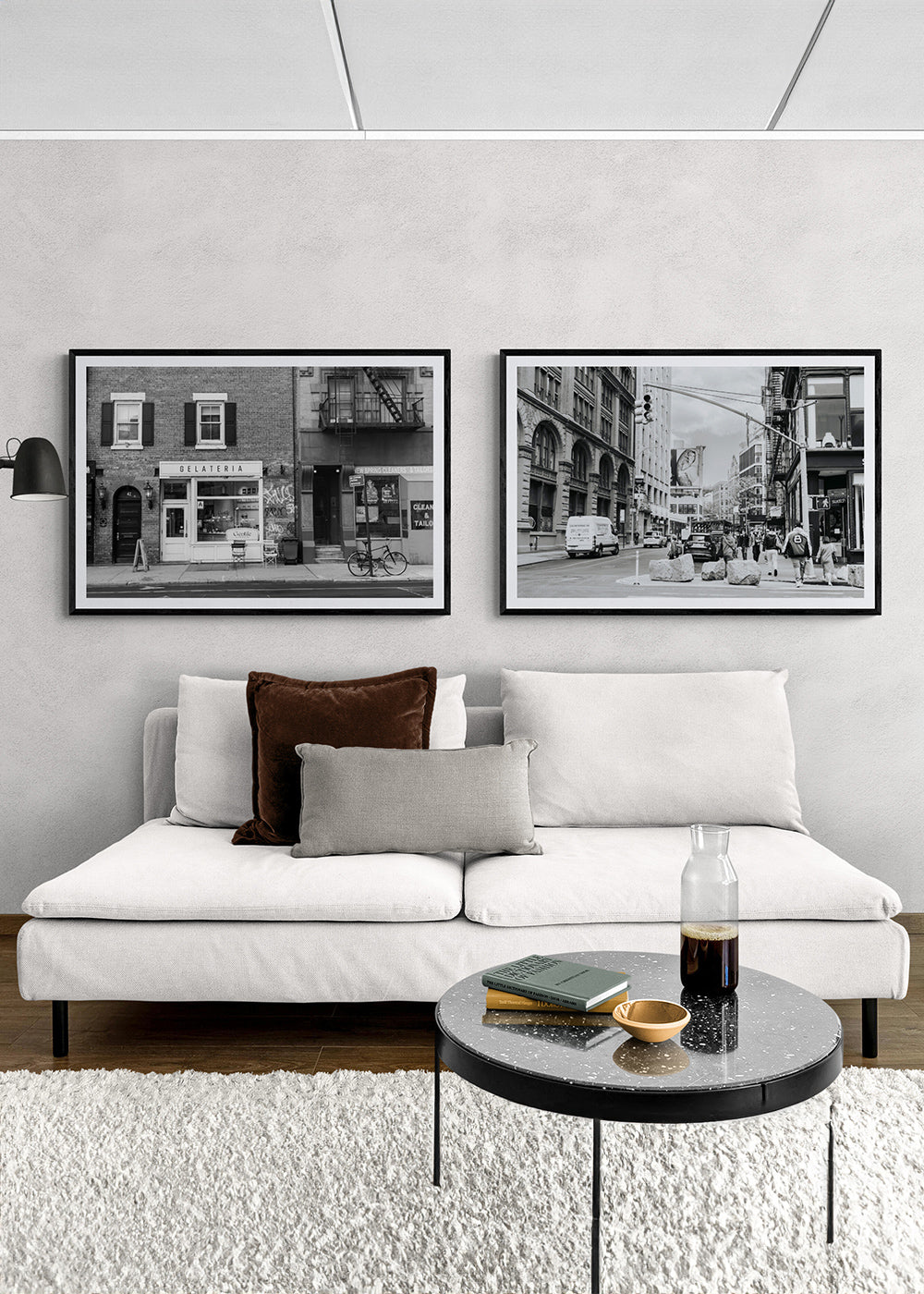
Pair only when it helps
A tight pair can work above a narrow console, but one confident print is often cleaner.

Keep contrast gentle
Soft palettes and simple surrounding styling stop the room feeling visually busy.