



An expensive-looking room is often simply an edited one. Clear sightlines, consistent proportions and surfaces in good condition communicate care without requiring costly furniture. Decide on a realistic budget, then solve what you see and use every day.
Spend nothing on the first pass
Move furniture away from blocked doors and awkward paths. Remove damaged packaging, spare cables and items that have no useful place. Try one focal point per wall or zone. Clean windows and light fittings so existing daylight and lamps work better. Photograph the room after this edit; it will show whether anything truly needs buying.
Repair before replacing
A loose handle, uneven curtain or scratched frame edge may be what makes the room feel unfinished. Check what can be safely repaired or cleaned according to the manufacturer's guidance. A modest repair can preserve a good piece and free money for something that actually changes how the room functions.
Choose a small palette and repeat it
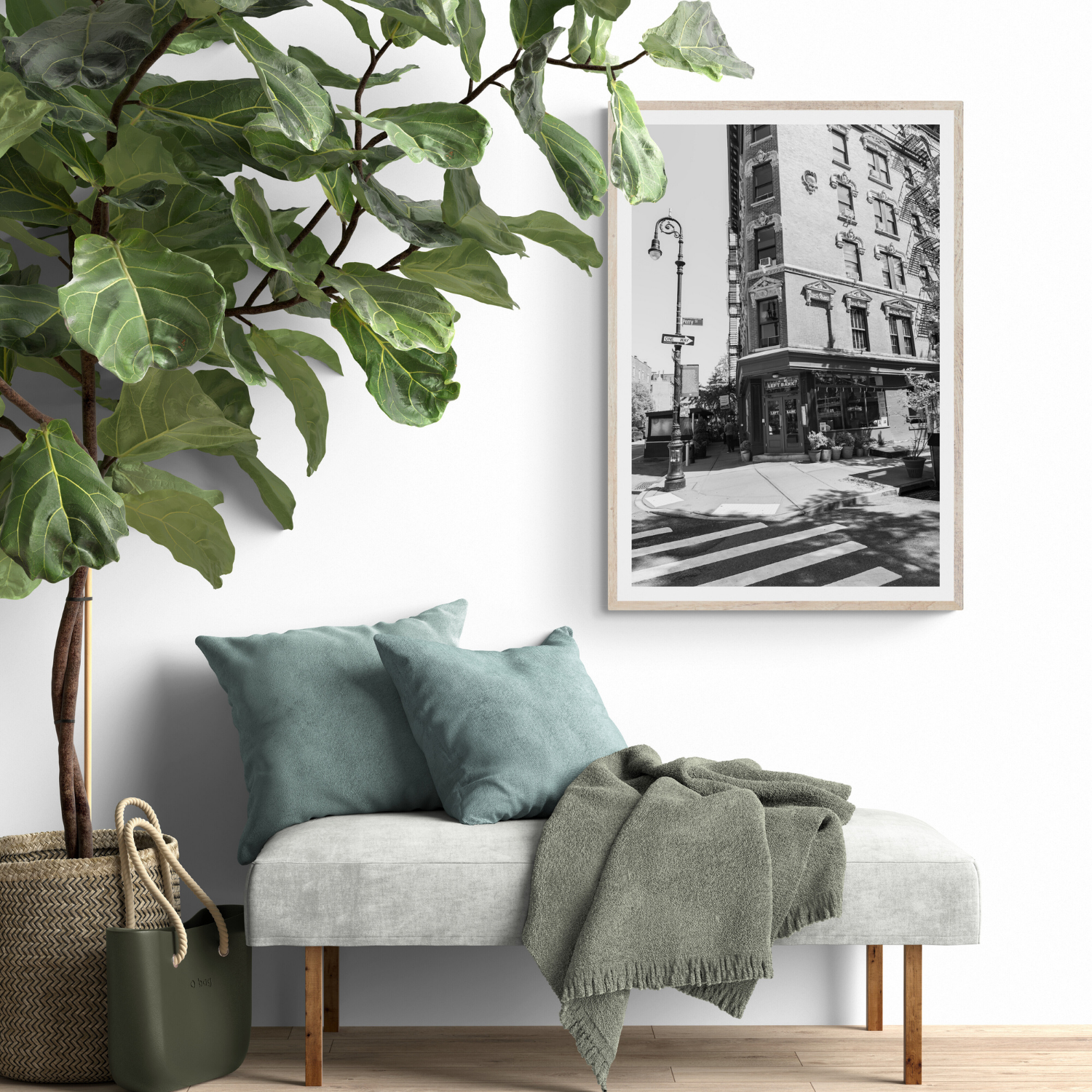
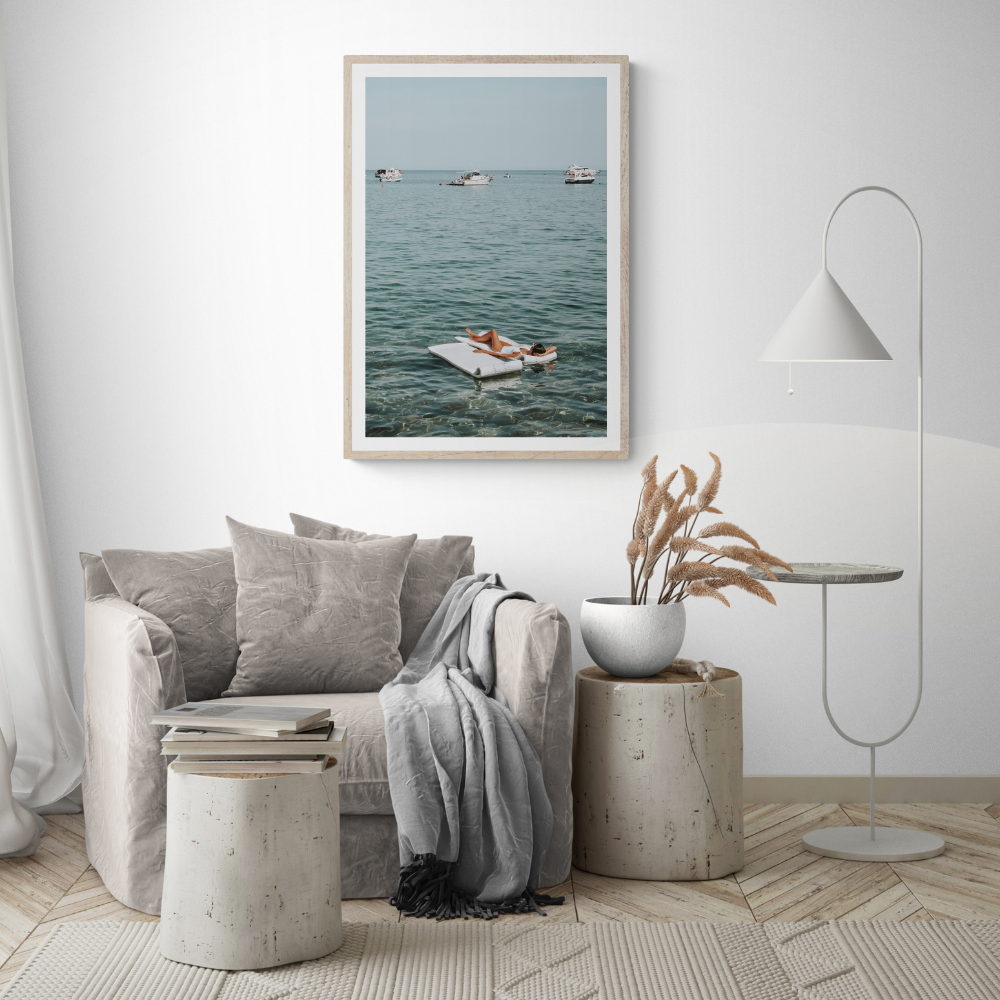
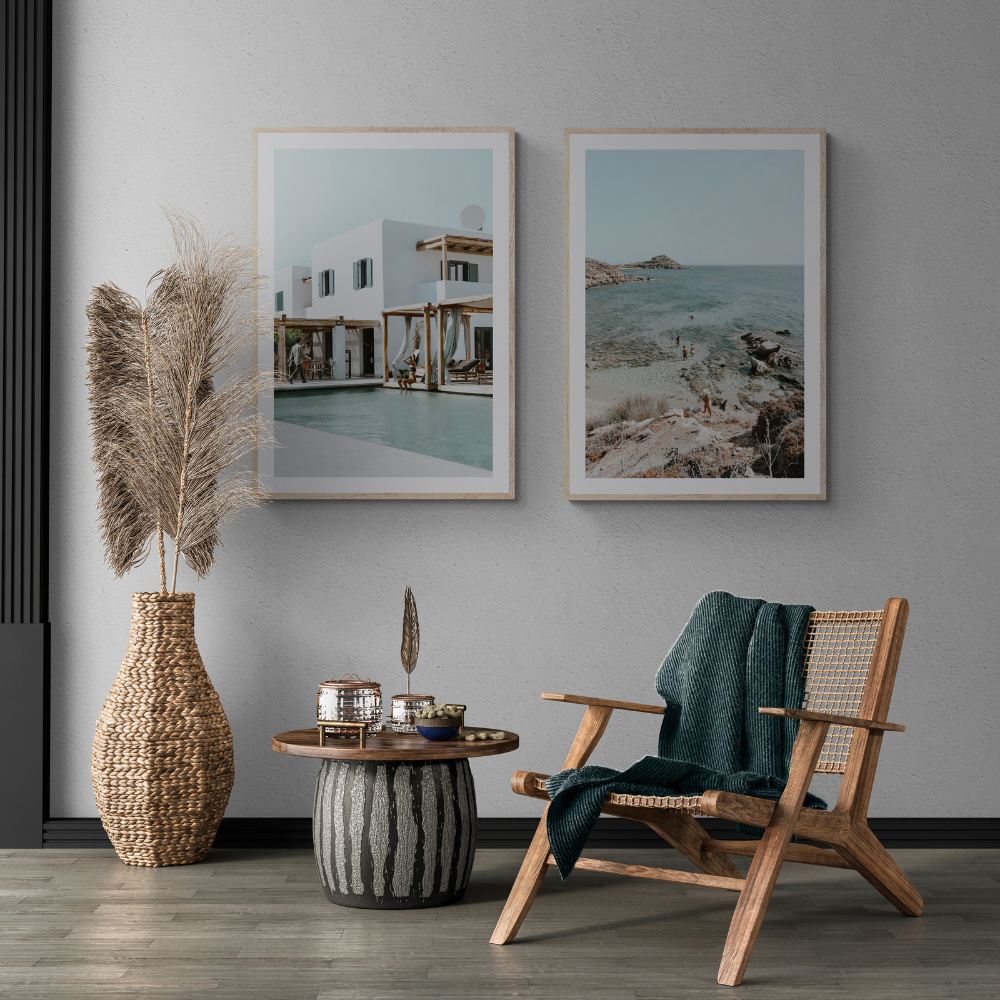
Pick colours from the largest pieces you are keeping: floor, sofa and cabinetry. Repeat one accent through a cushion, a book spine and an artwork rather than purchasing a full matching set. This makes existing objects feel connected. Bring home samples and view them in daylight and lamplight before paying for paint or fabric.
Improve the light where you live
A well-placed lamp beside a seat adds comfort and depth. Look for safe second-hand lighting only when its condition is sound; damaged wiring needs professional attention. Light the task, not every corner equally. Strong glare on a framed print can be corrected by changing lamp position before buying new glazing.
Buy fewer finishing pieces, at the right scale
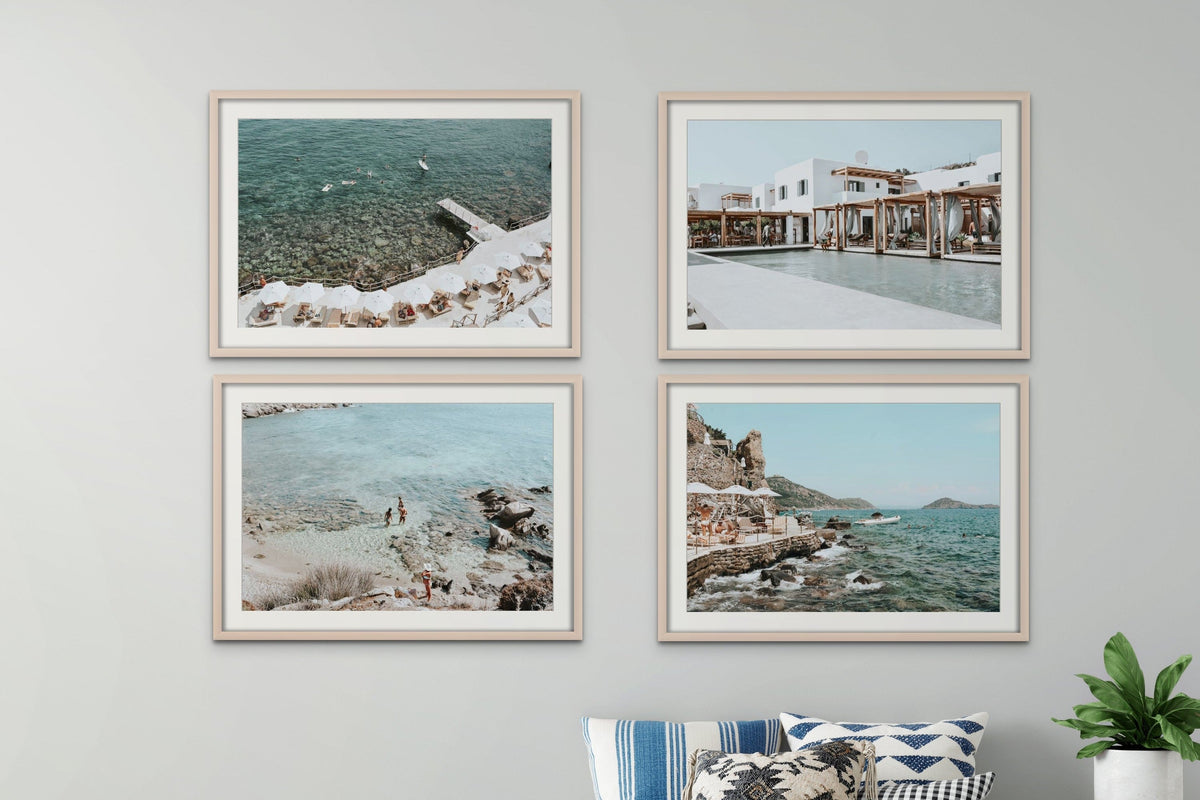
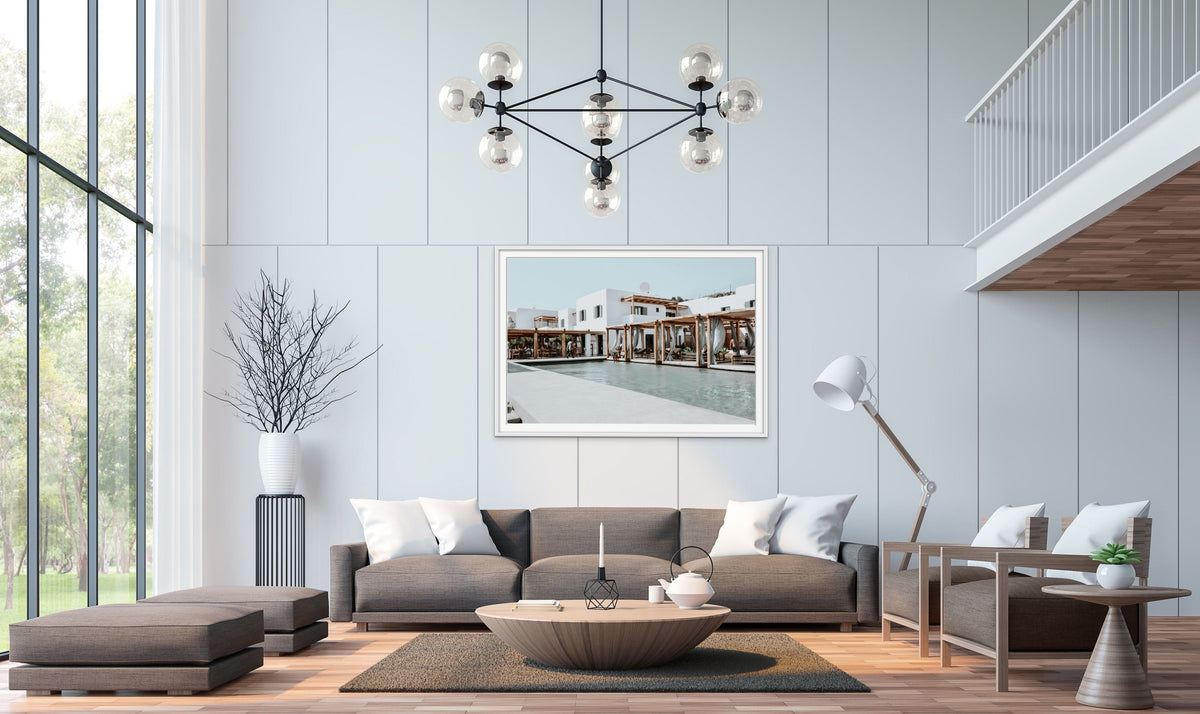
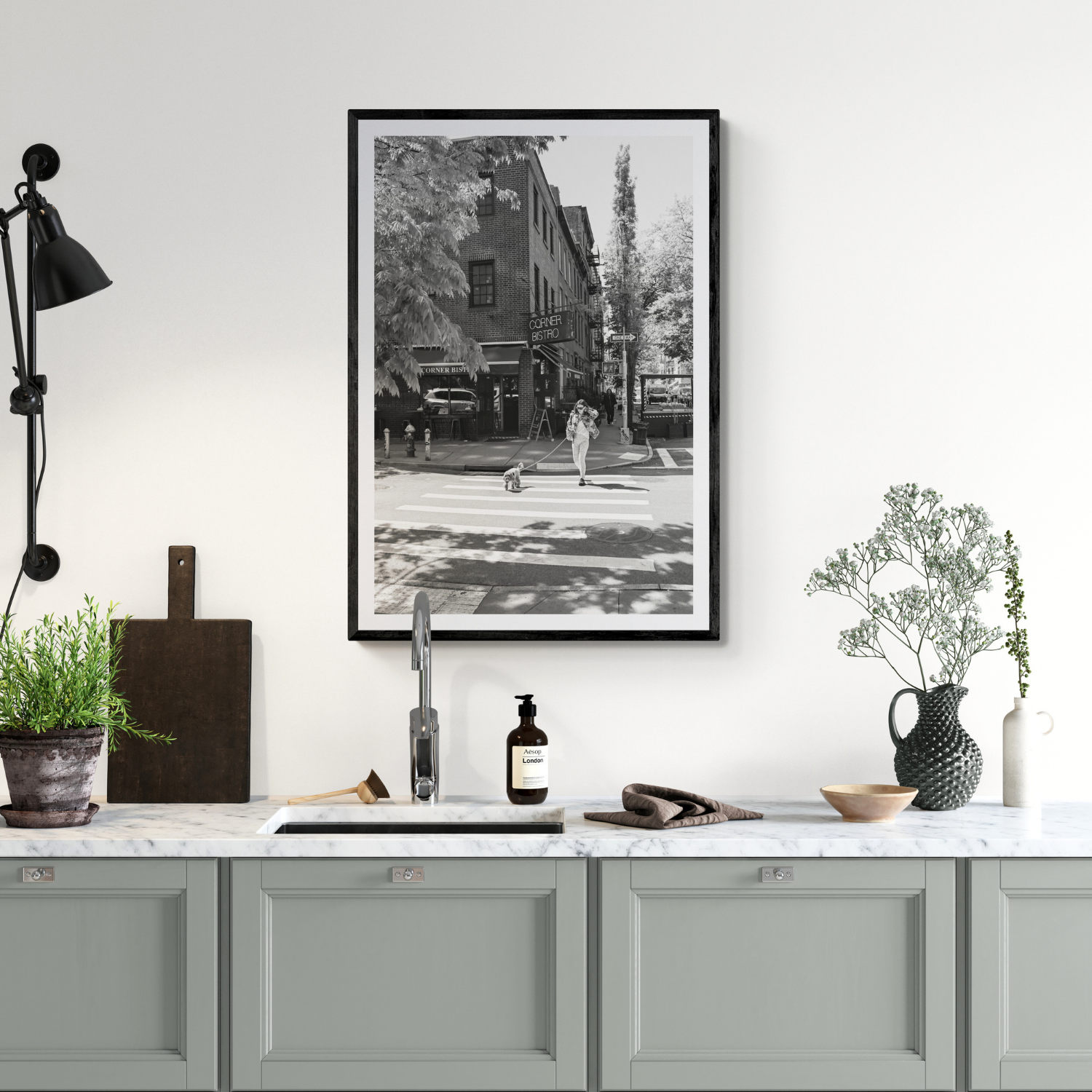
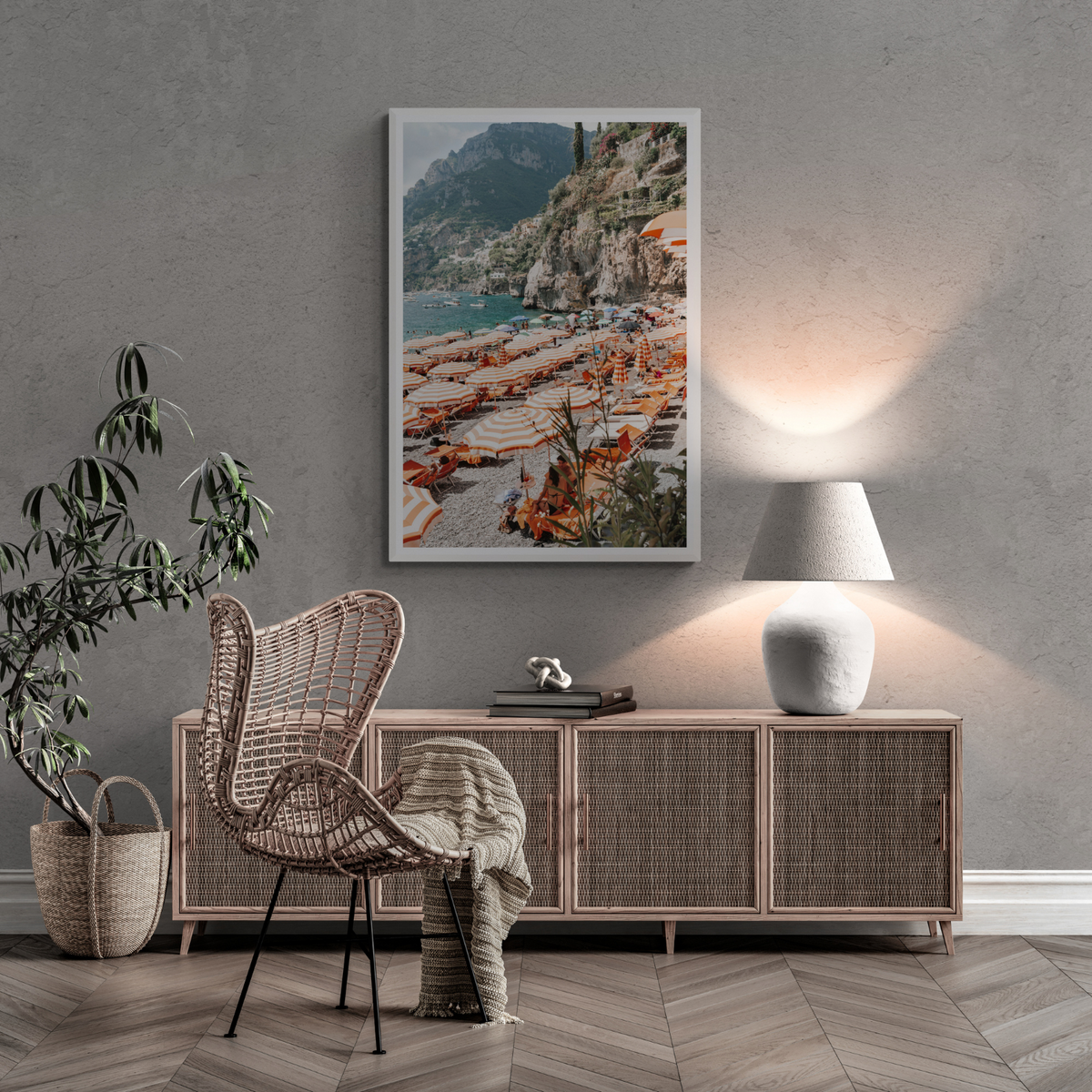
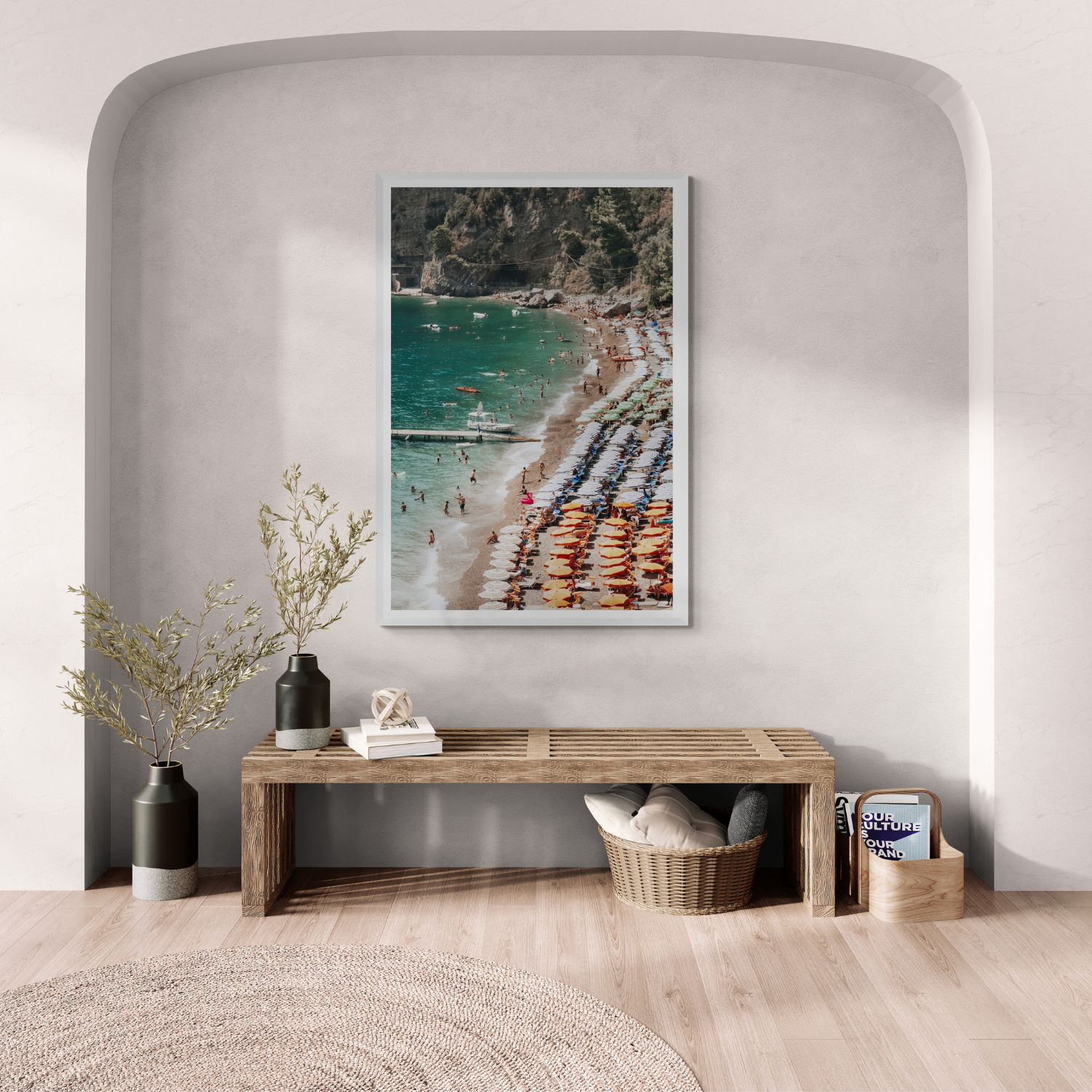
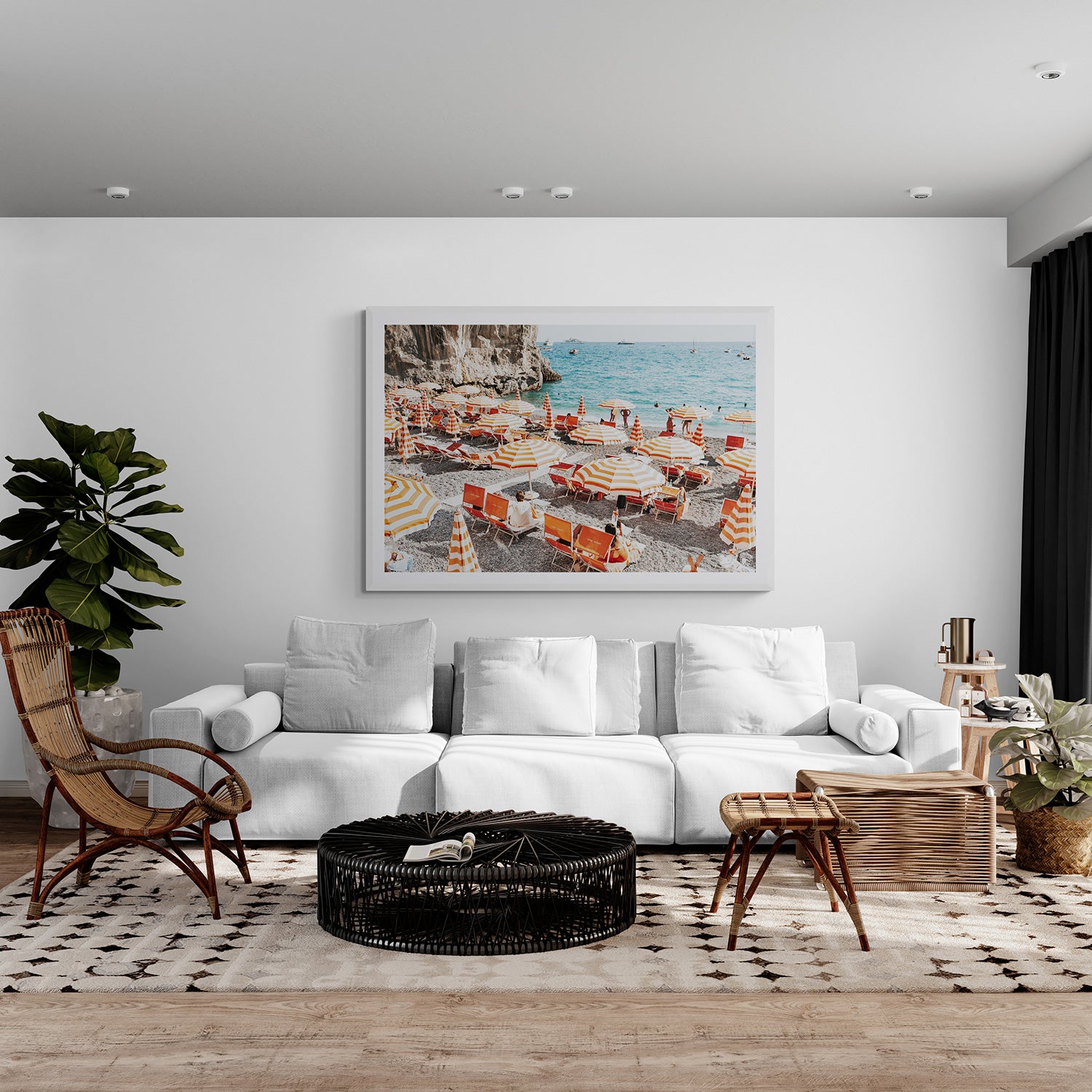
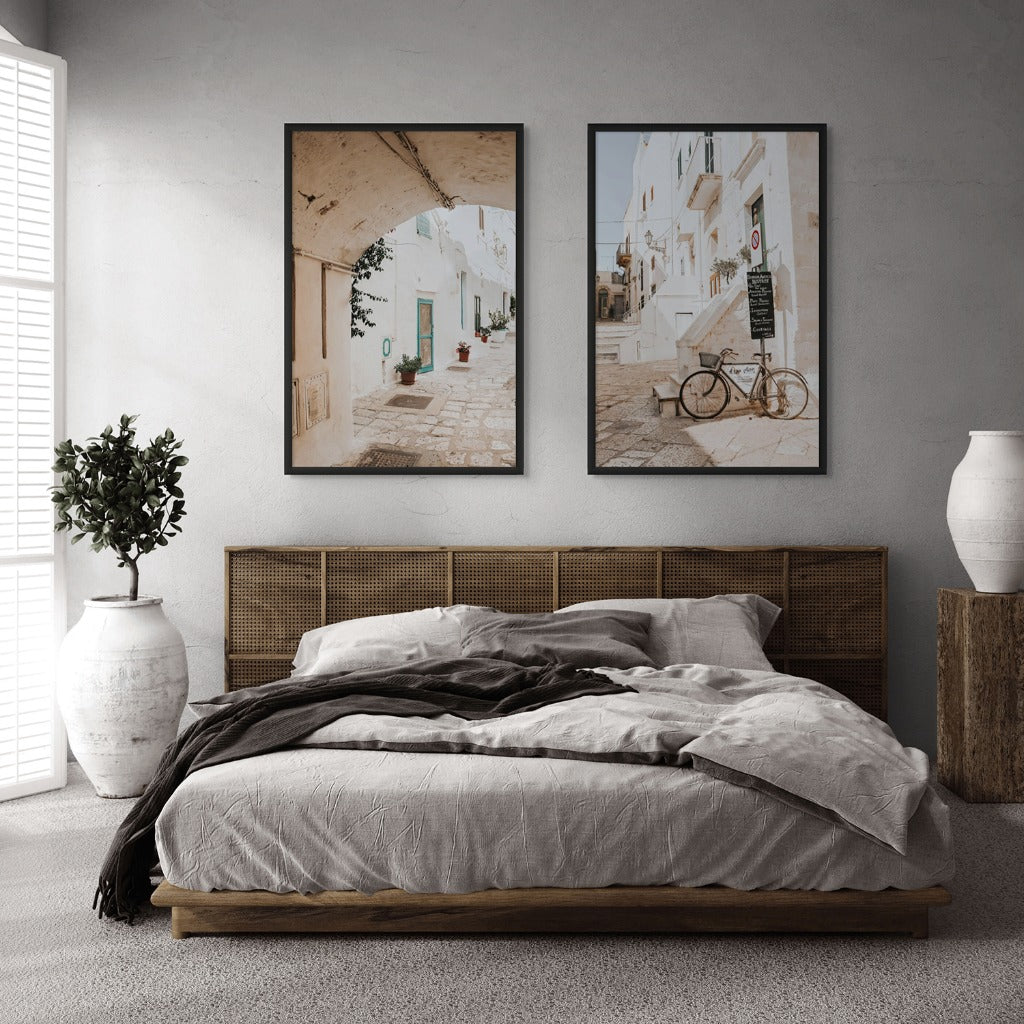
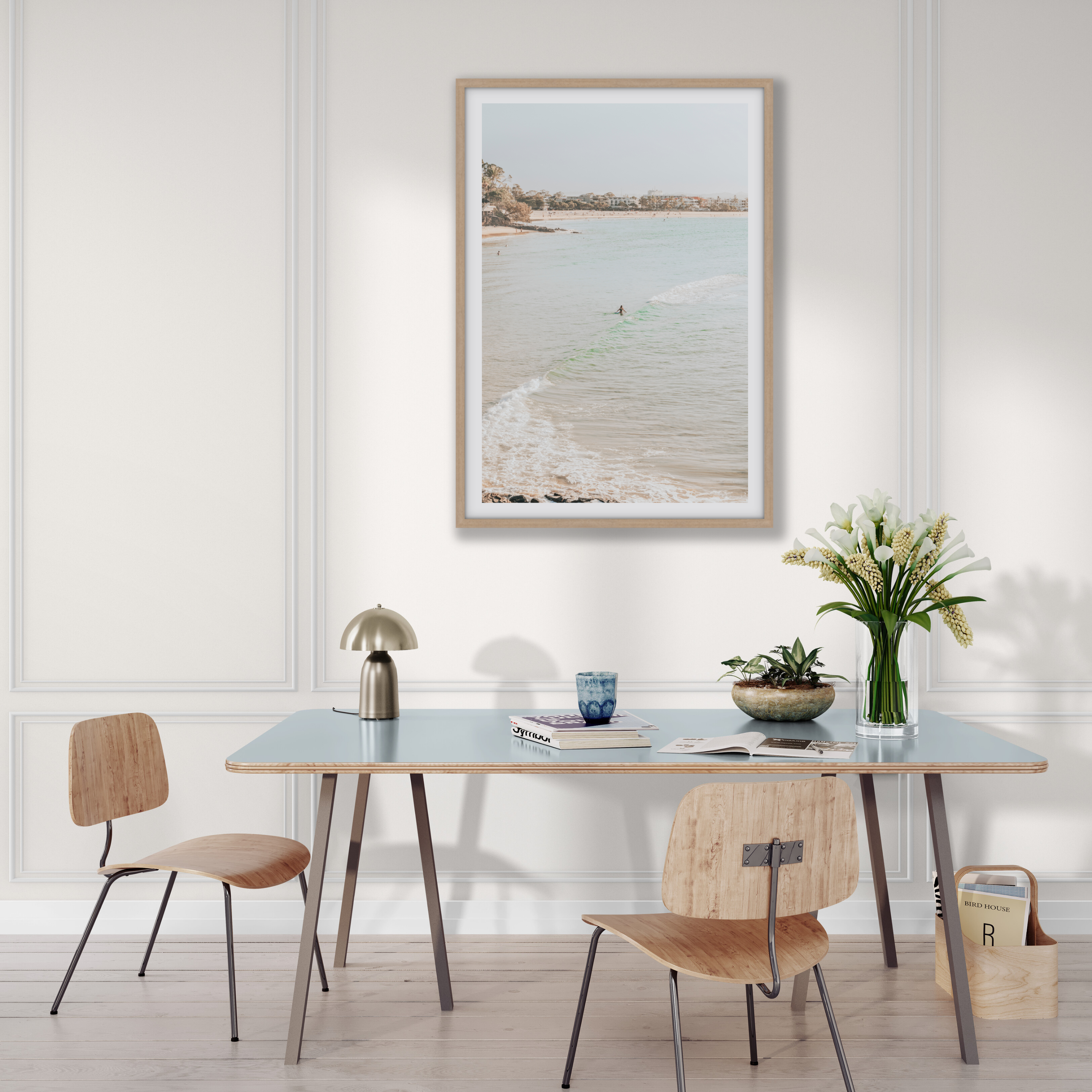
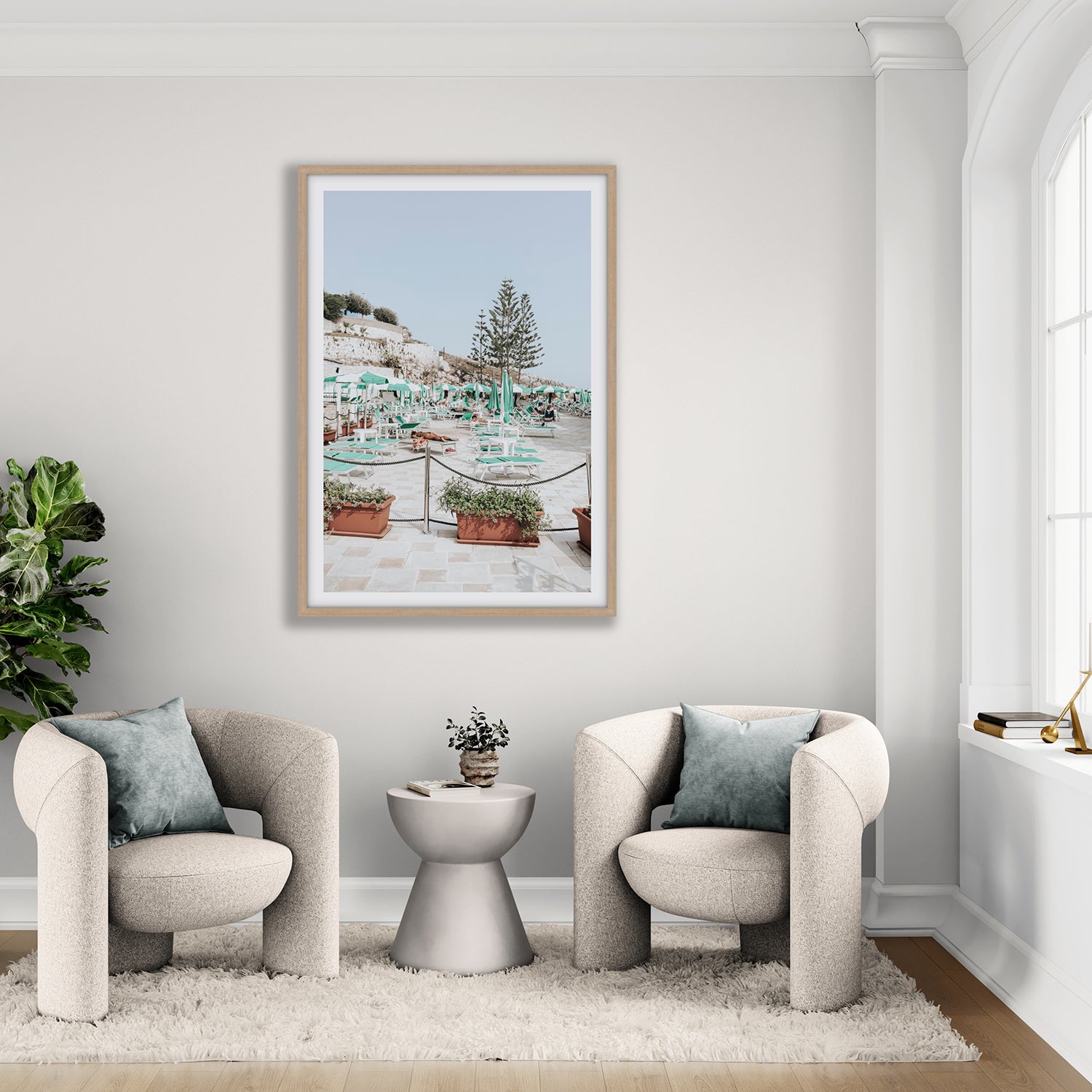
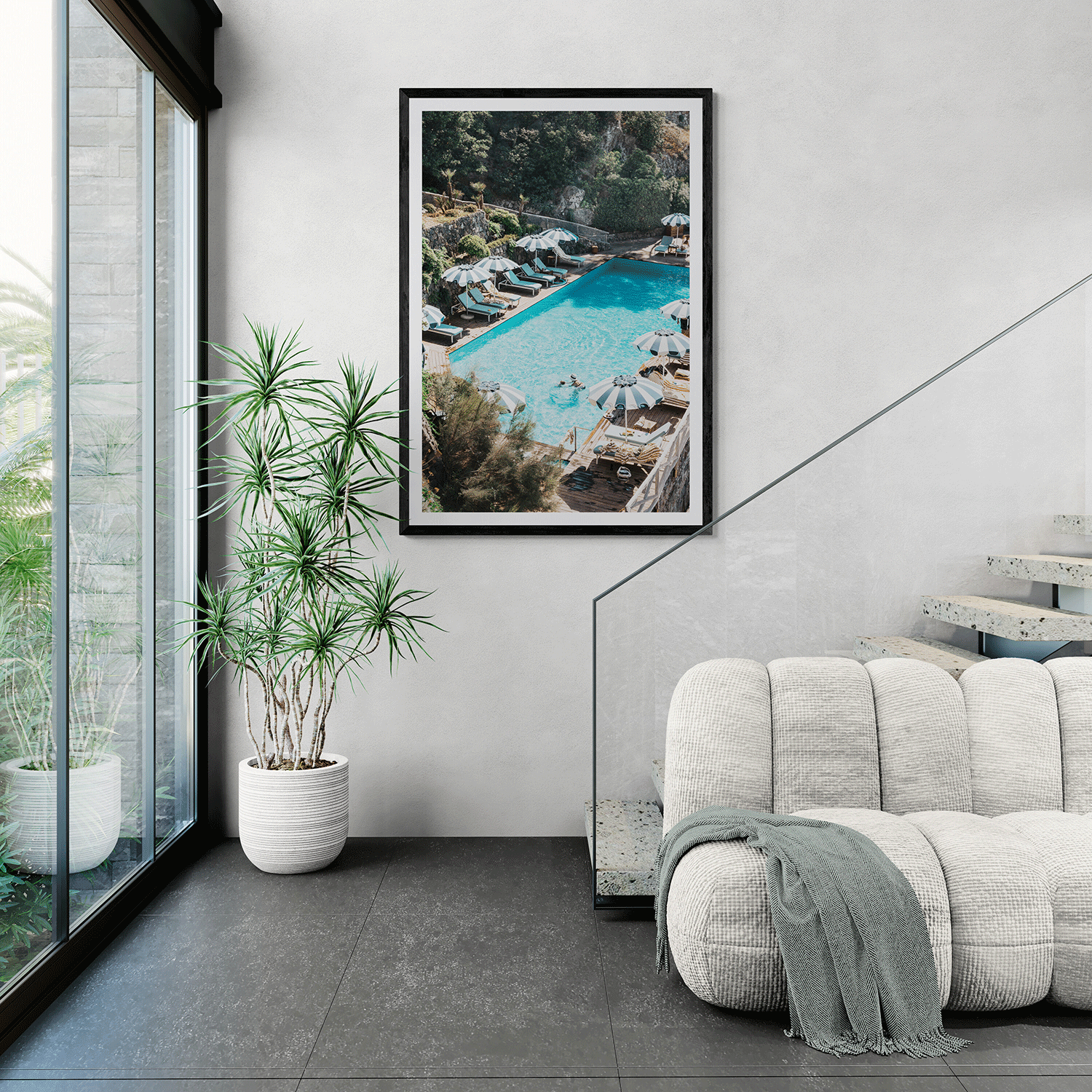
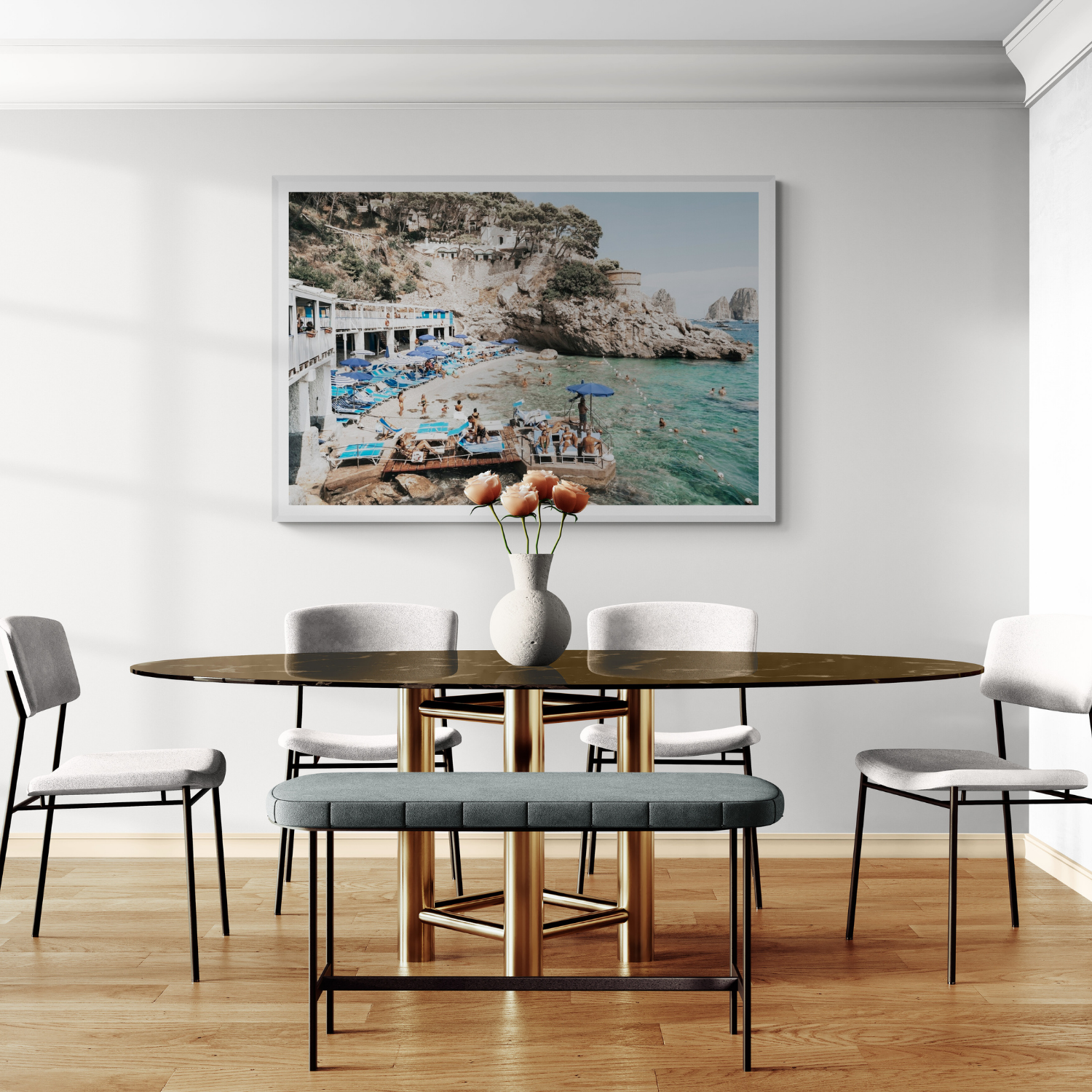
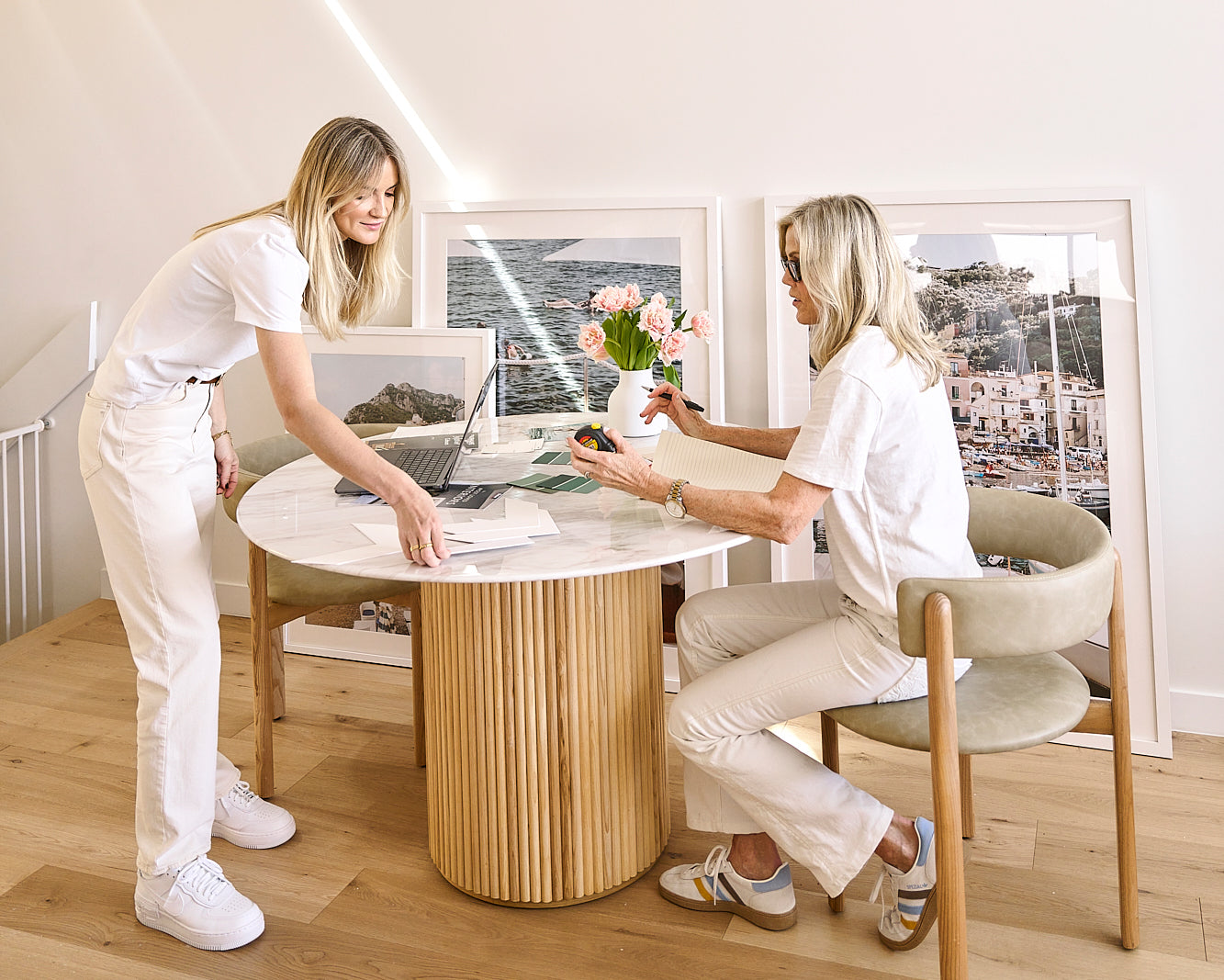
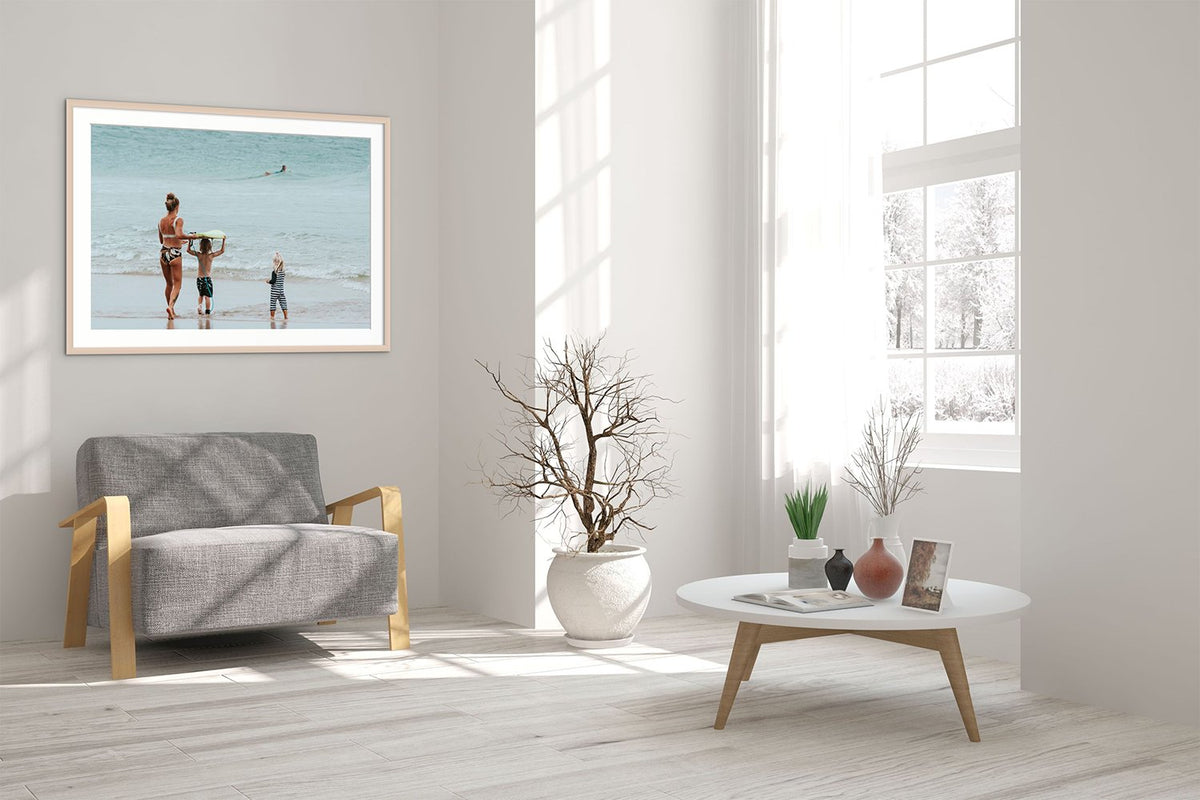
If you can afford one meaningful item, choose one you expect to keep. A print that is too small for a sofa can look lost however beautiful it is; mark the outside frame dimensions with paper first. Compare sizes in the sofa art guide. The point is to avoid paying twice for something chosen quickly.
Set a purchase order
List needs in order: function, repair, lighting, then decoration. Reserve part of the budget for delivery or installation where required. Second-hand and borrowed pieces can help you test a look. A room feels more polished when everything has a purpose than when every surface has been filled.
Elevated styling recipe
Three decisions that make a room feel more polished

Go larger than expected
A confident print can make affordable furniture feel more intentional.
Use fewer stronger pieces
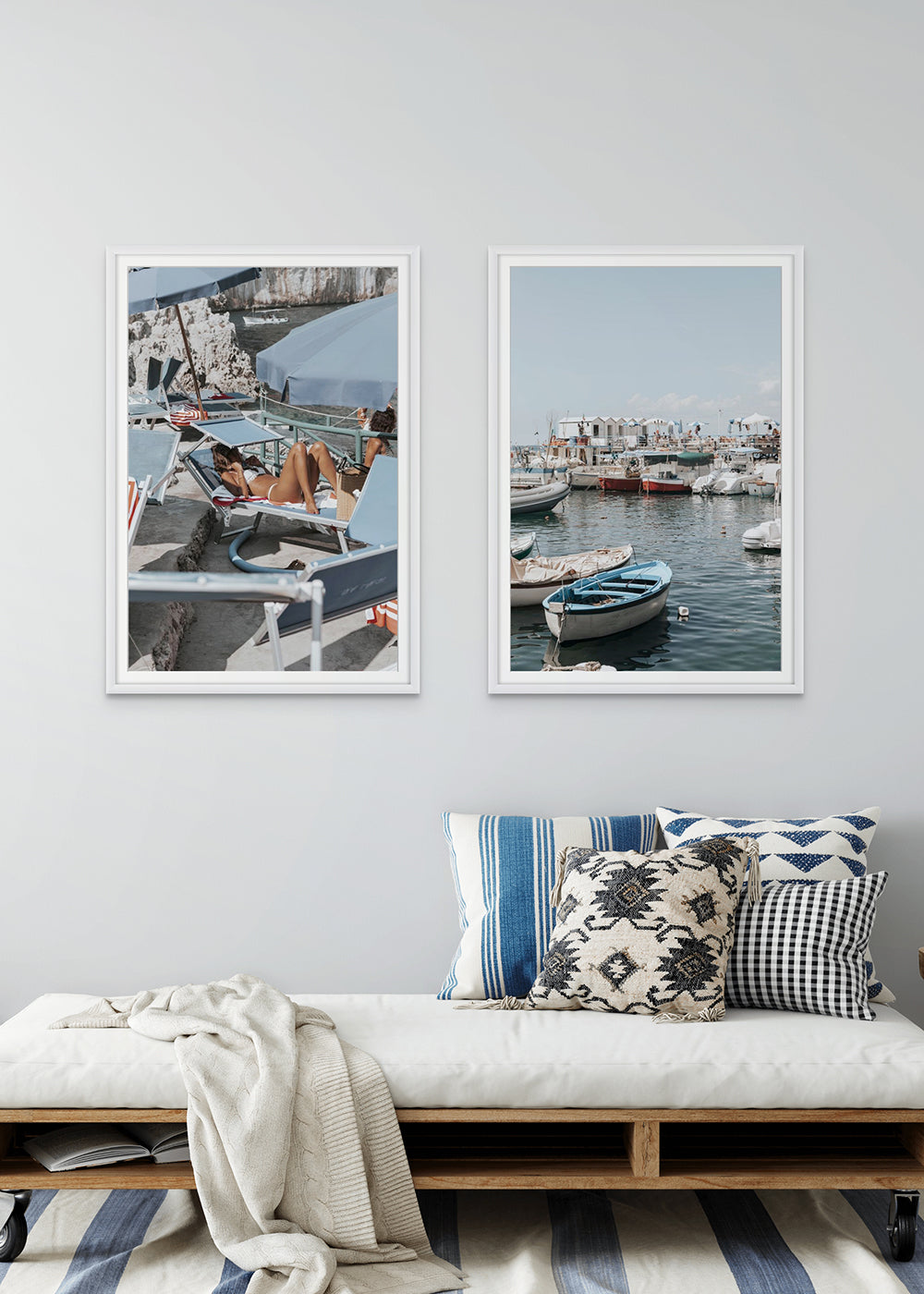
One pair with a clear visual thread usually feels more premium than several small fillers.

Edit the palette
Repeat colour softly and keep surrounding styling restrained so the art feels considered.