
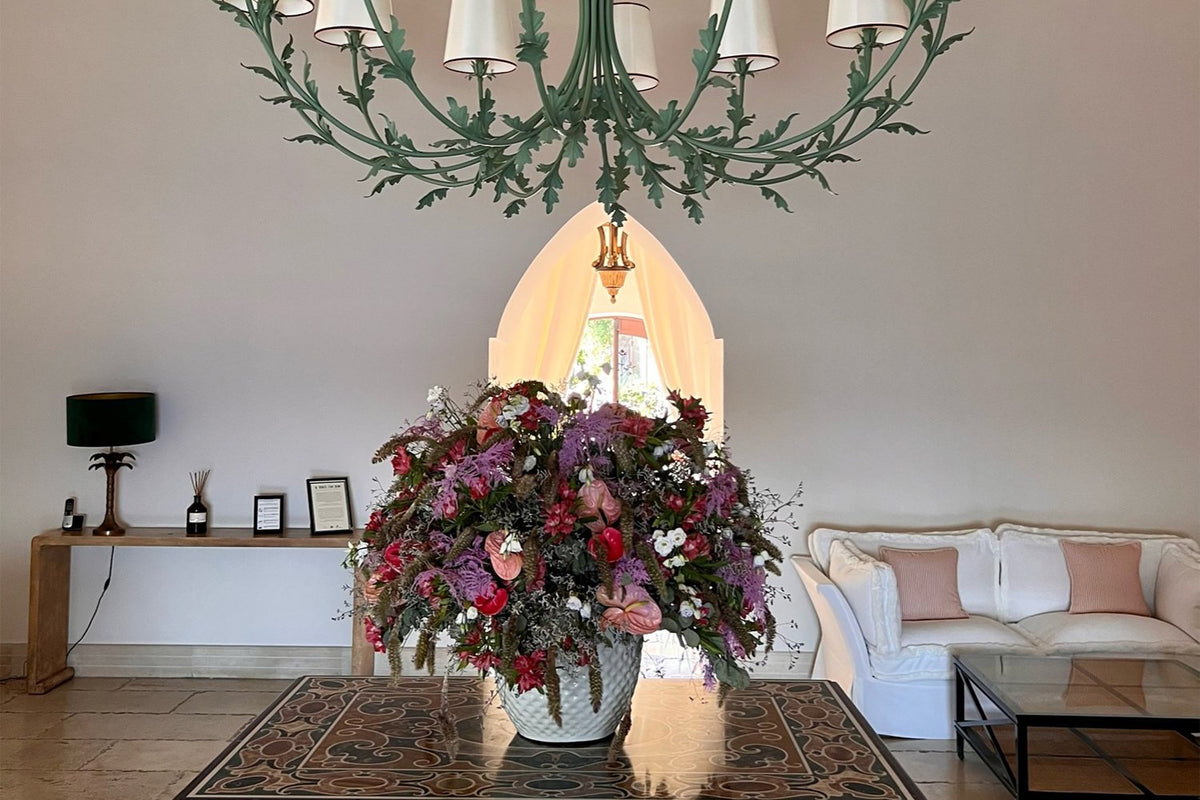


An inviting home gives people an easy place to arrive, sit and settle. These eight changes work for ordinary evenings as well as special gatherings. Choose the ones that solve a real friction point in your space.
1. Make the arrival obvious
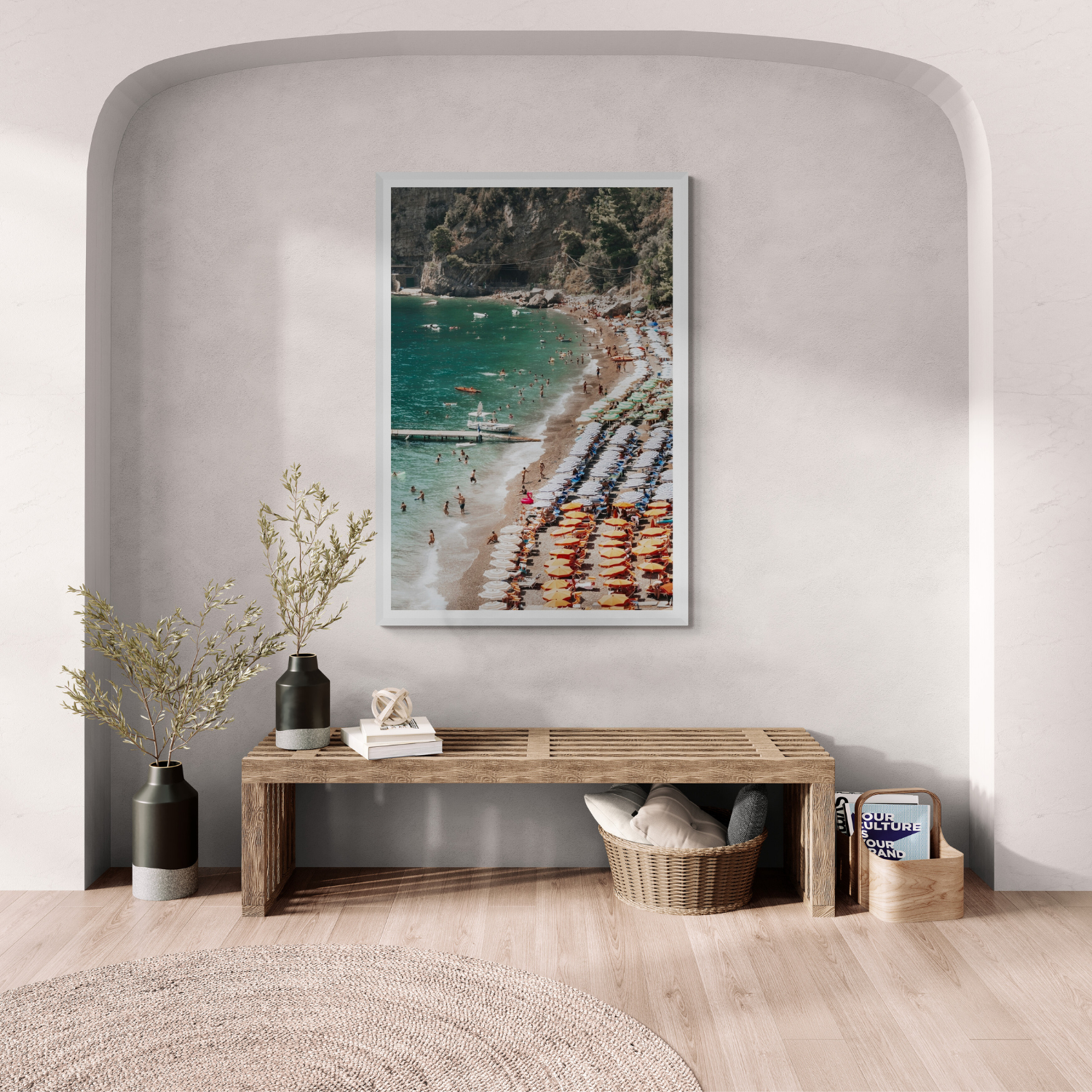
Clear the path from the door and provide somewhere for coats or bags. A working light and a surface for keys make the entrance useful. If the hallway is narrow, keep furniture and artwork out of the movement line.
2. Arrange seats for conversation
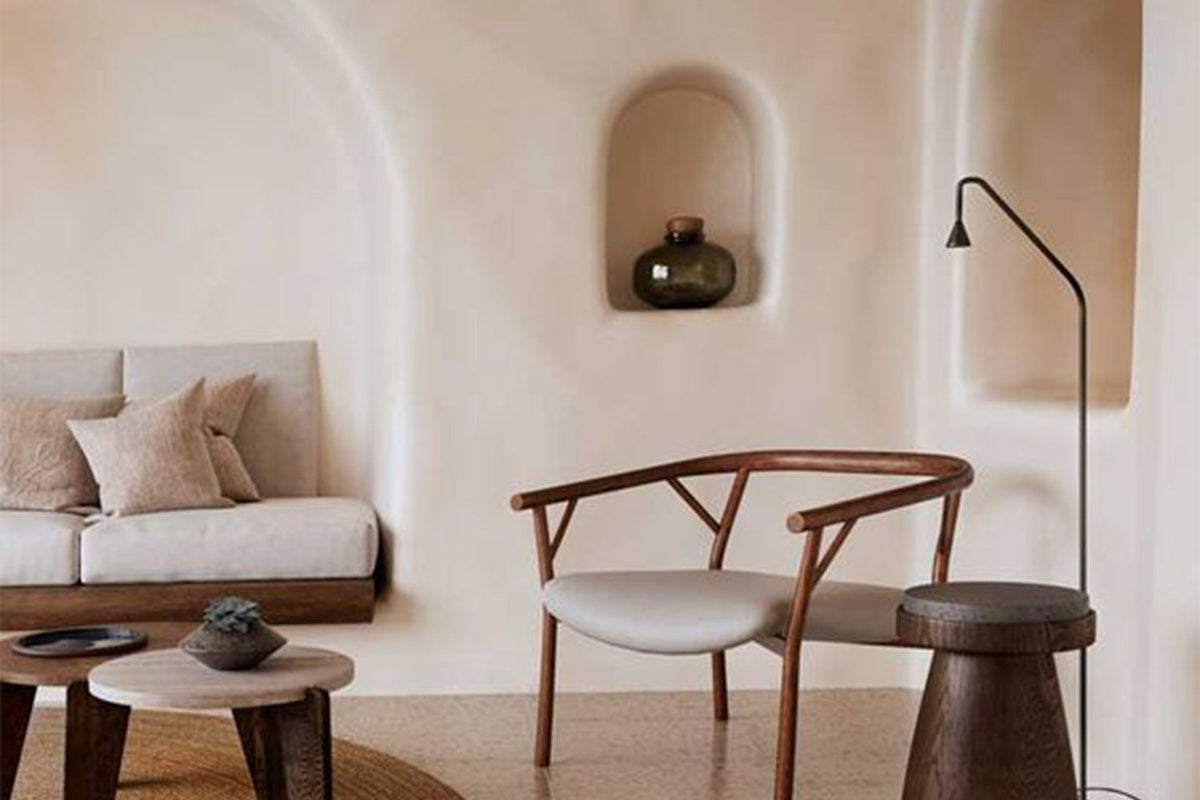
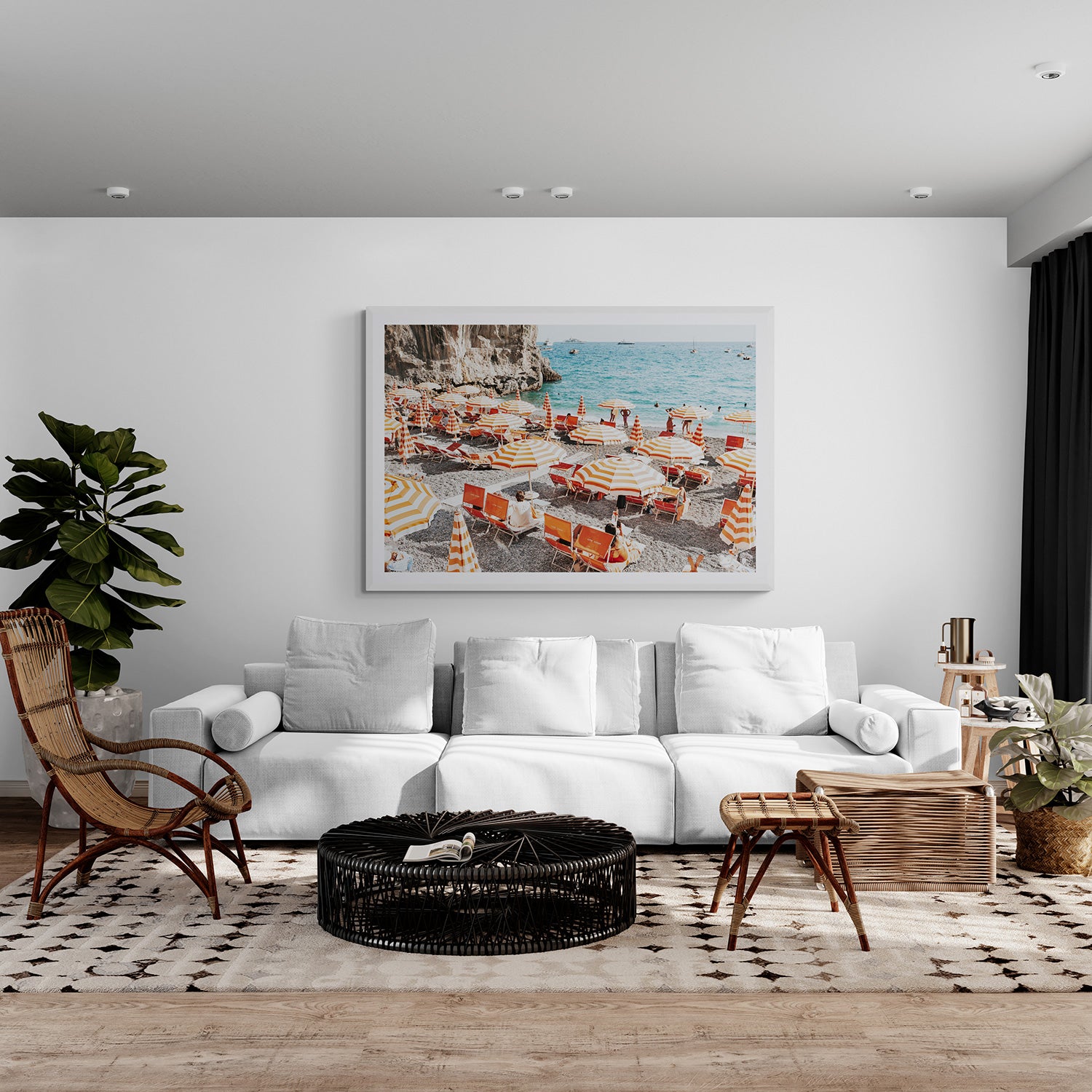
Face seats toward one another rather than toward a single screen by default. In a small room, turn an existing chair and test whether people can pass behind it. Comfort matters more than symmetry.
3. Put a surface within reach
Guests should not need to hold a drink all evening. Move a small table beside the chair that never has one, and check that it does not block the walkway. A tray can make an existing ottoman more useful.
4. Layer the light
Use a lamp or dimmer to soften a harsh overhead fitting. Test the room at the hour you normally welcome people. Enough light to see faces and food is more welcoming than a dramatic but impractical darkness.
5. Soften hard sound
Curtains, rugs and upholstered furniture can reduce the sharp feel of a hard-surfaced room. Pick materials suitable for cleaning and access; do not add a loose rug where it becomes a trip hazard.
6. Offer a choice of places
One person may want to talk at the table while another prefers the sofa. A chair near a window or a quiet reading spot gives the room more ways to be used without adding clutter.
7. Display a story you can share
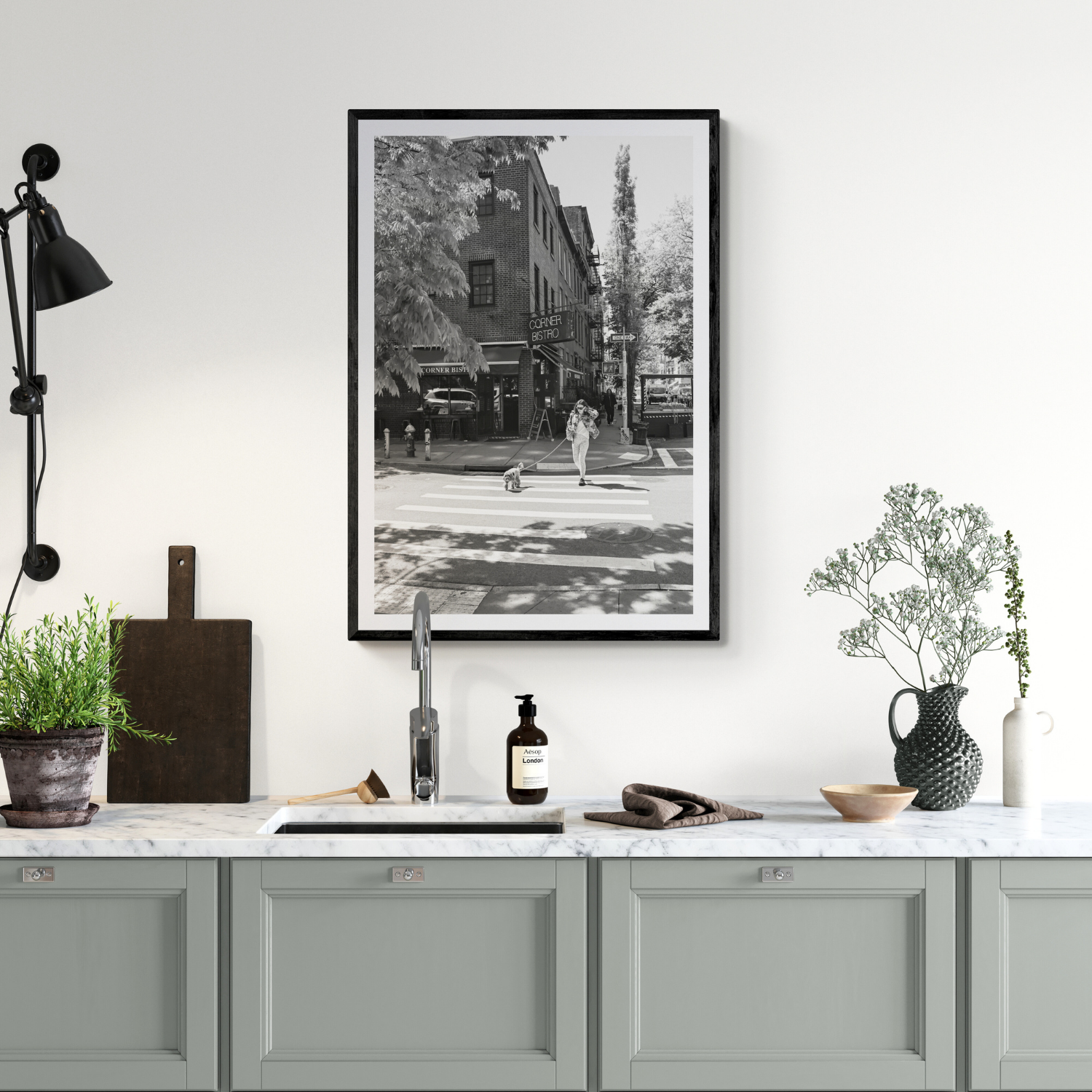
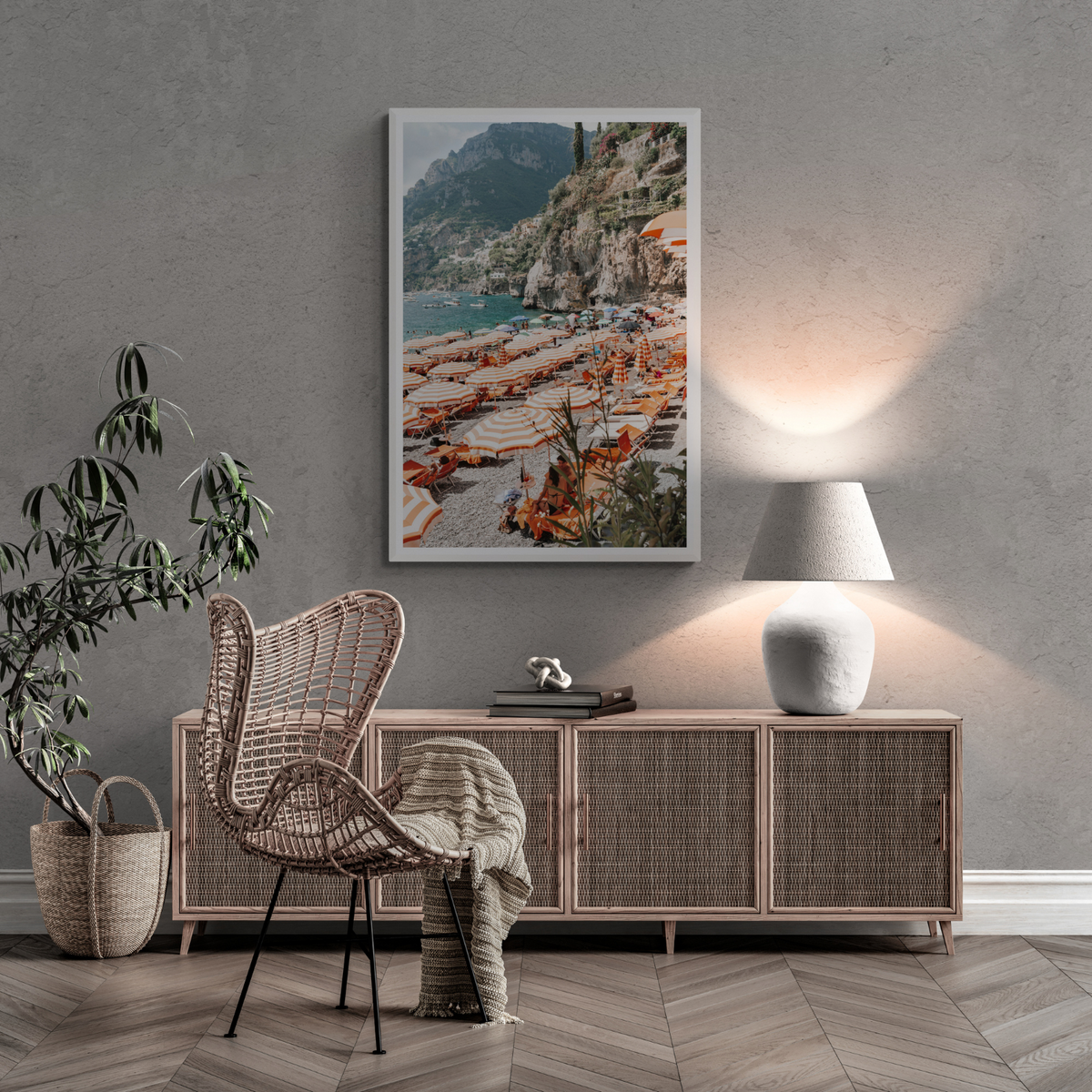
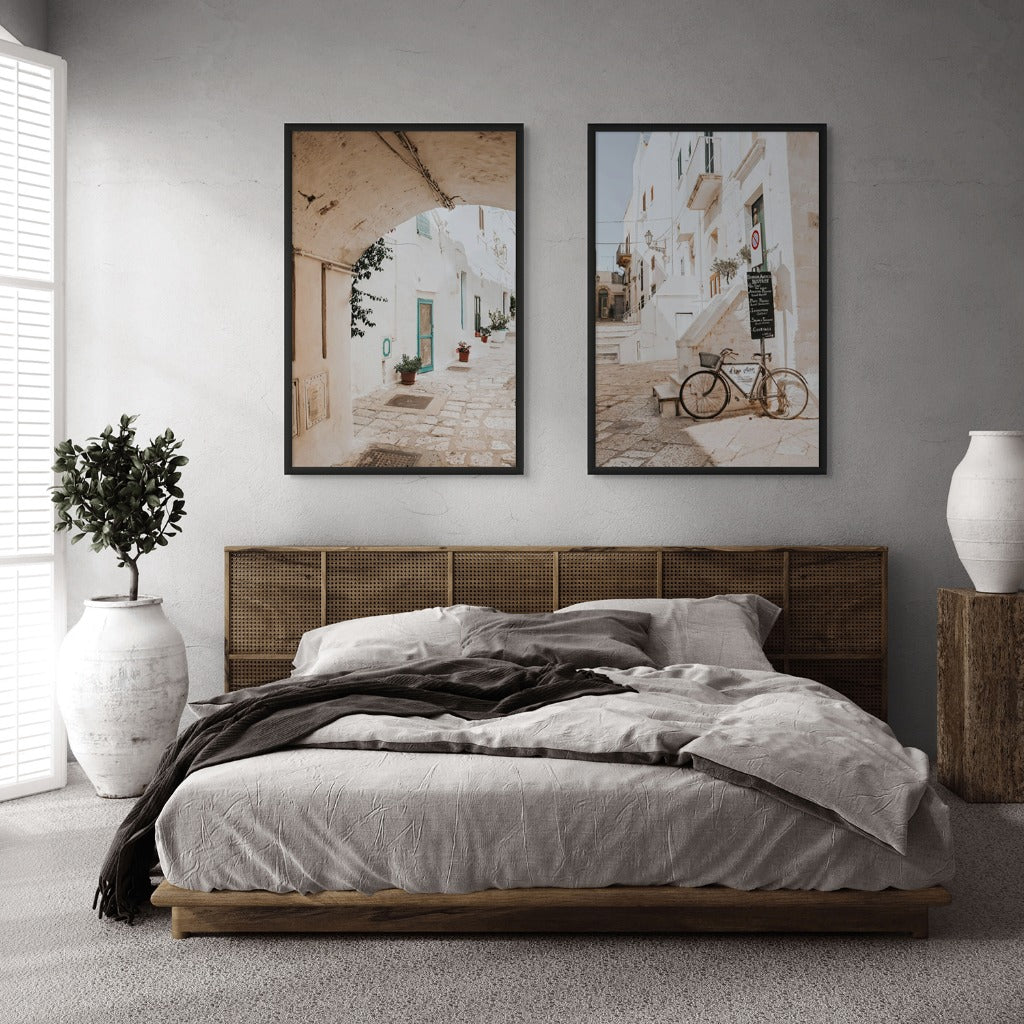
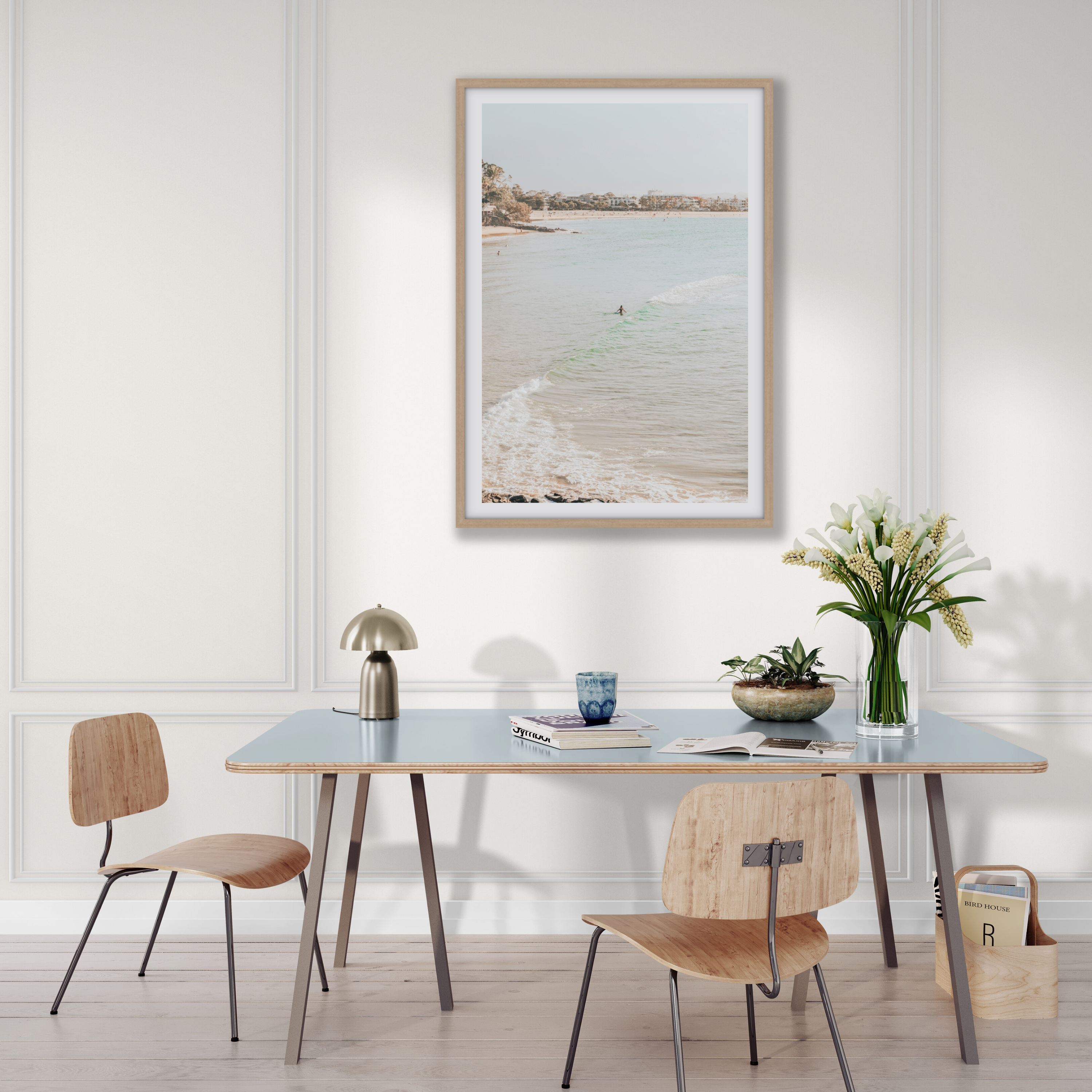
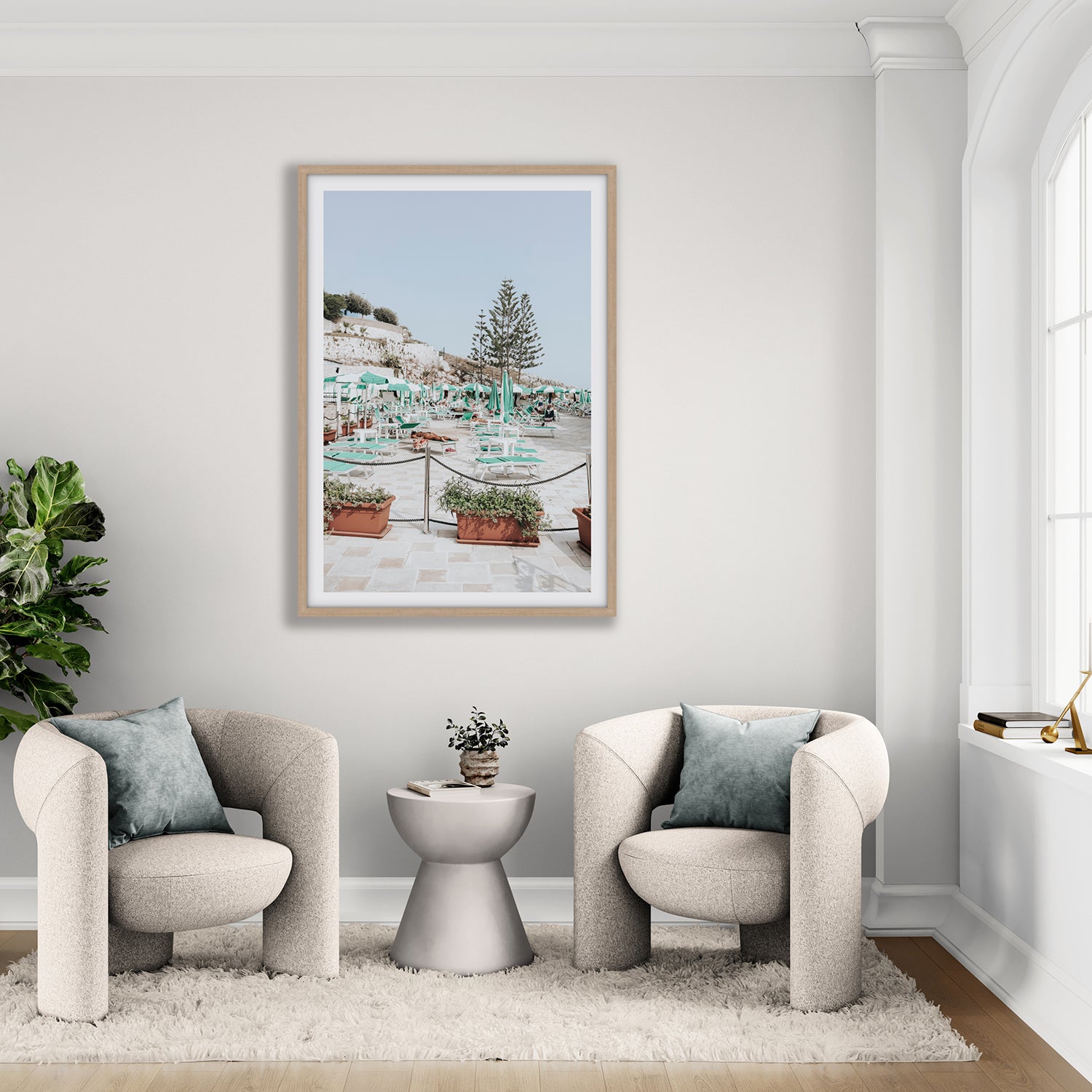
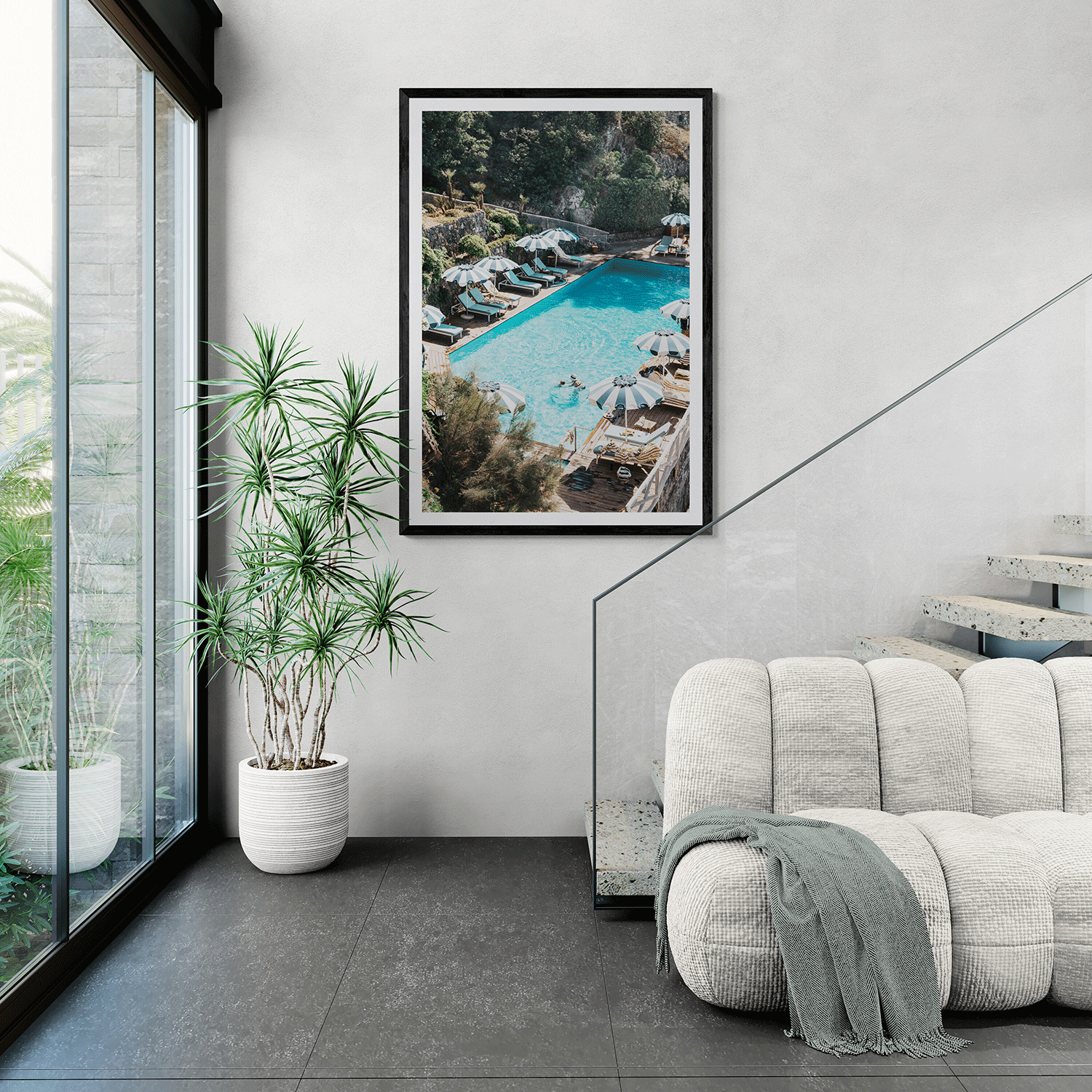
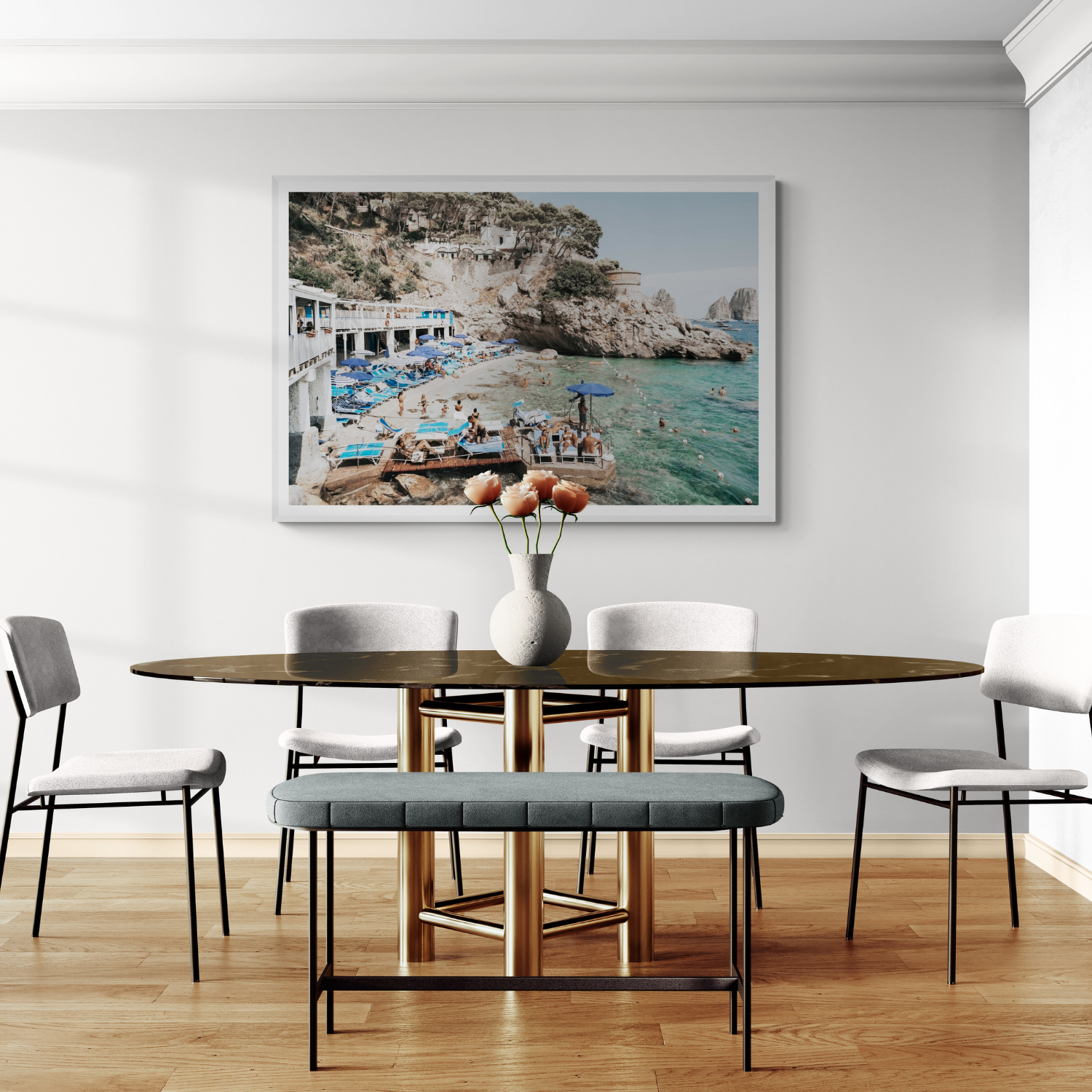
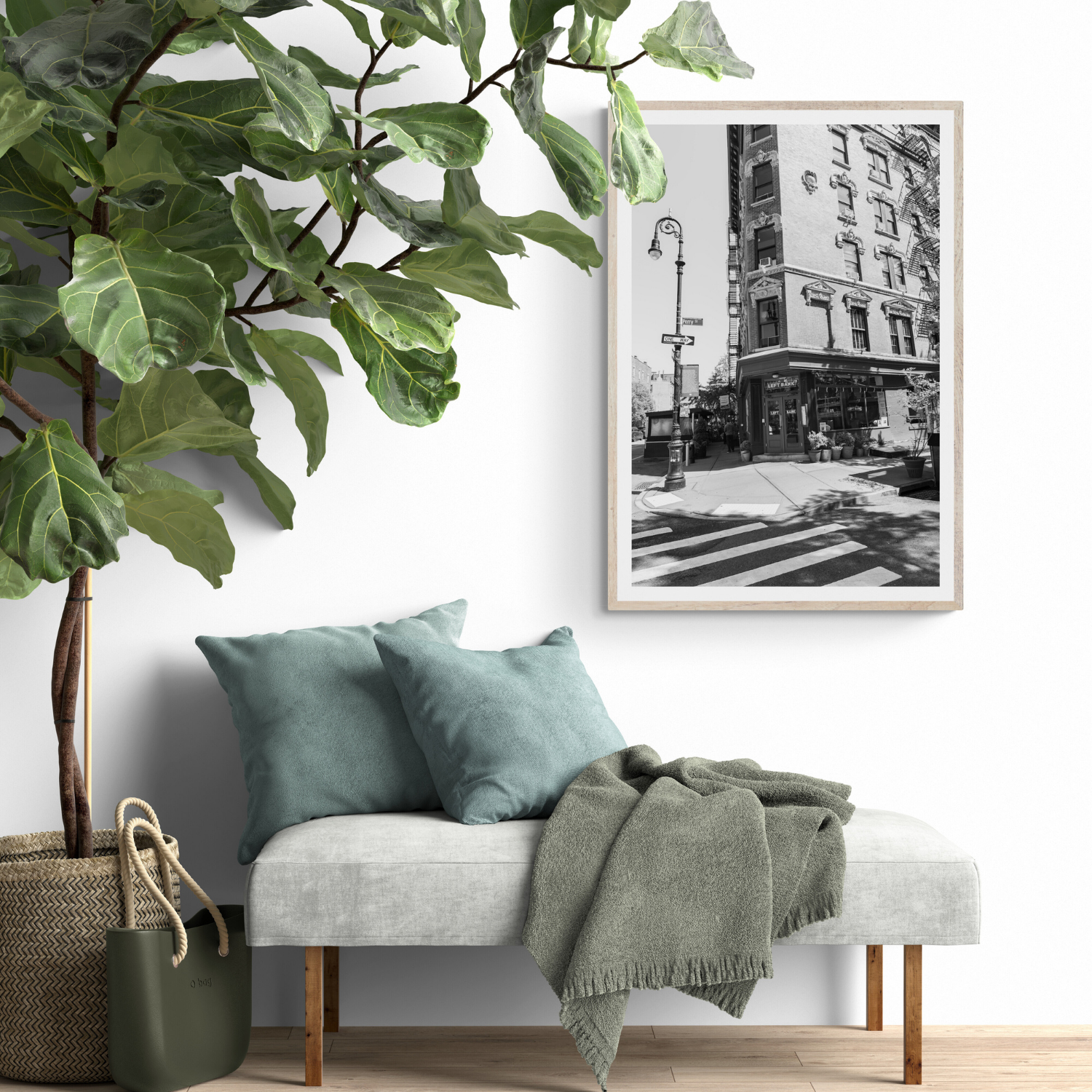
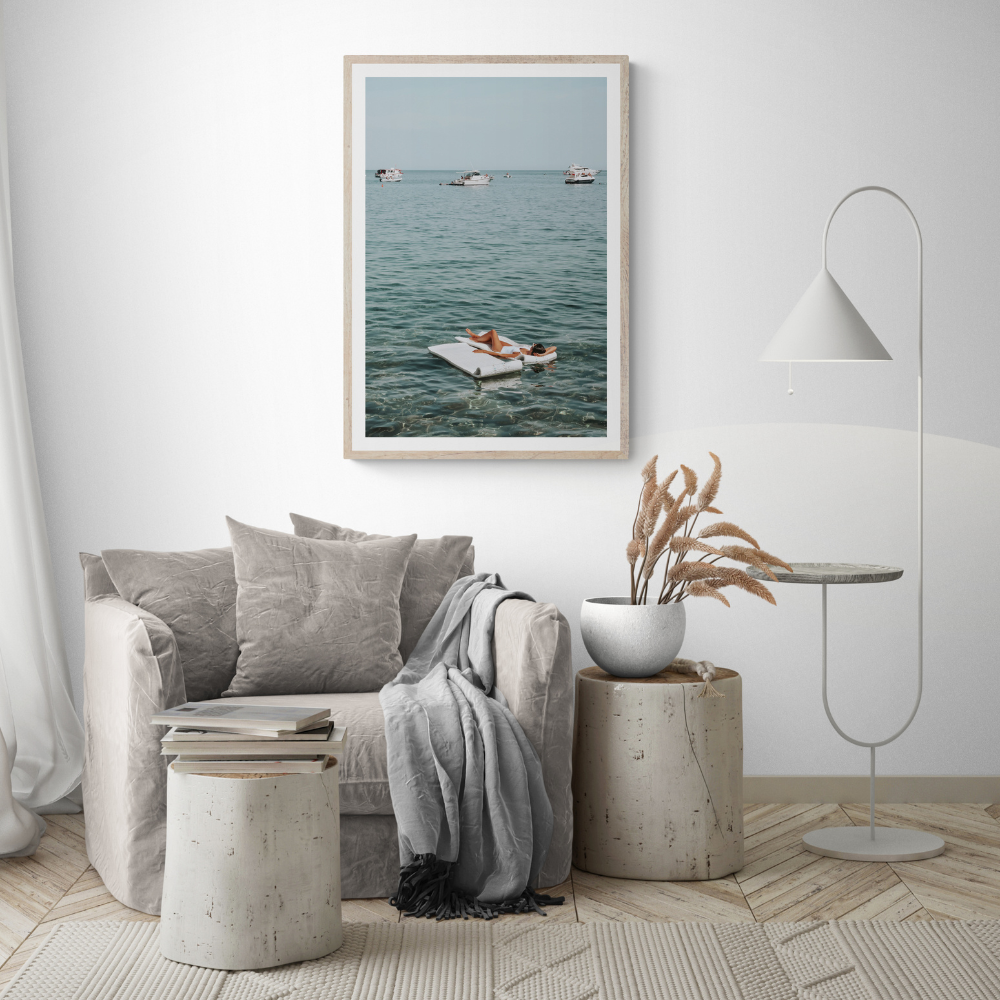
A book, inherited object or photograph of a place you know can start a natural conversation. It need not be expensive. If you hang art, let it relate to the scale of the furniture beneath it rather than treating it as a tiny accessory.
8. Leave room for people
Remove a decorative object if it occupies the only place to set a plate or forces someone into a narrow route. An inviting room is not a finished set; it is a space that responds generously to the people in it. For more ideas about the first impression, see the entryway guide.
Hosting recipe
Three decisions that make a room feel more inviting

Create a focal point
Choose a print that gives guests something to notice without competing with the table.

Layer the mood
A second artwork, flowers and warm lighting can make the room feel more generous.

Keep it personal
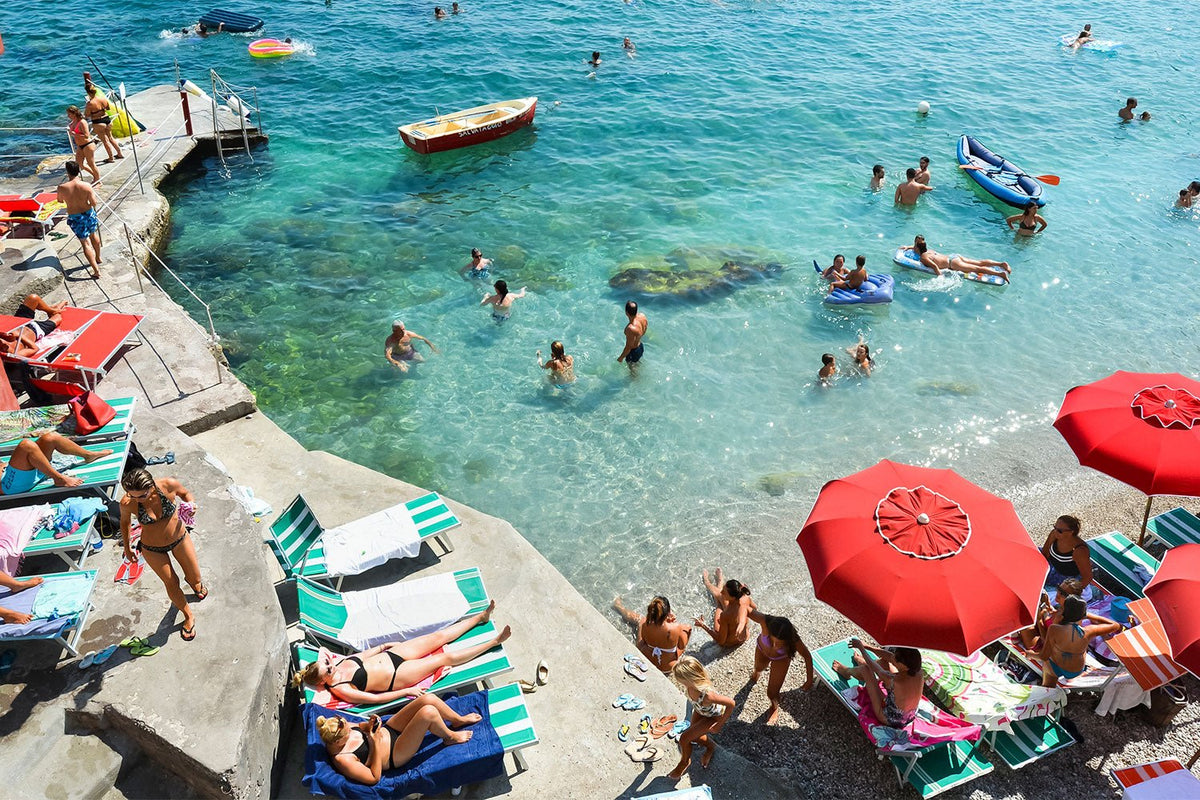
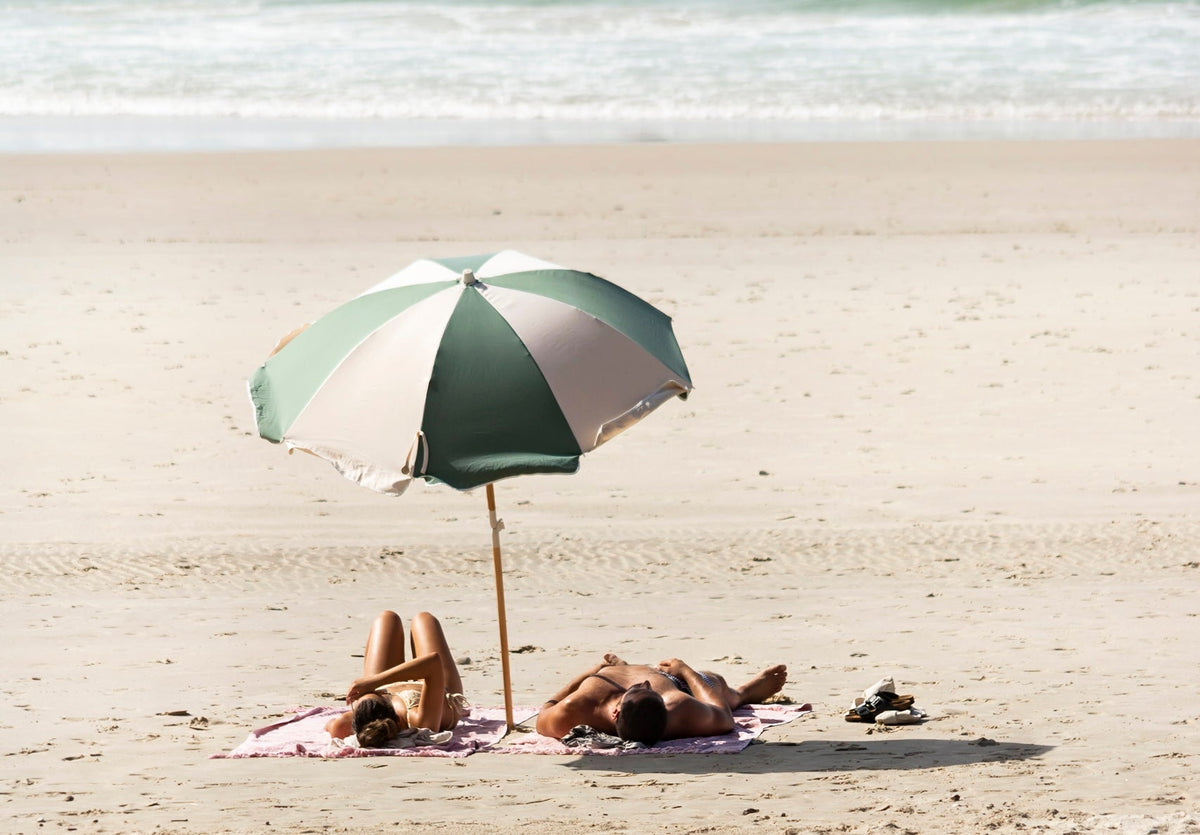
Travel photography works because it can carry memory, place and a natural talking point.