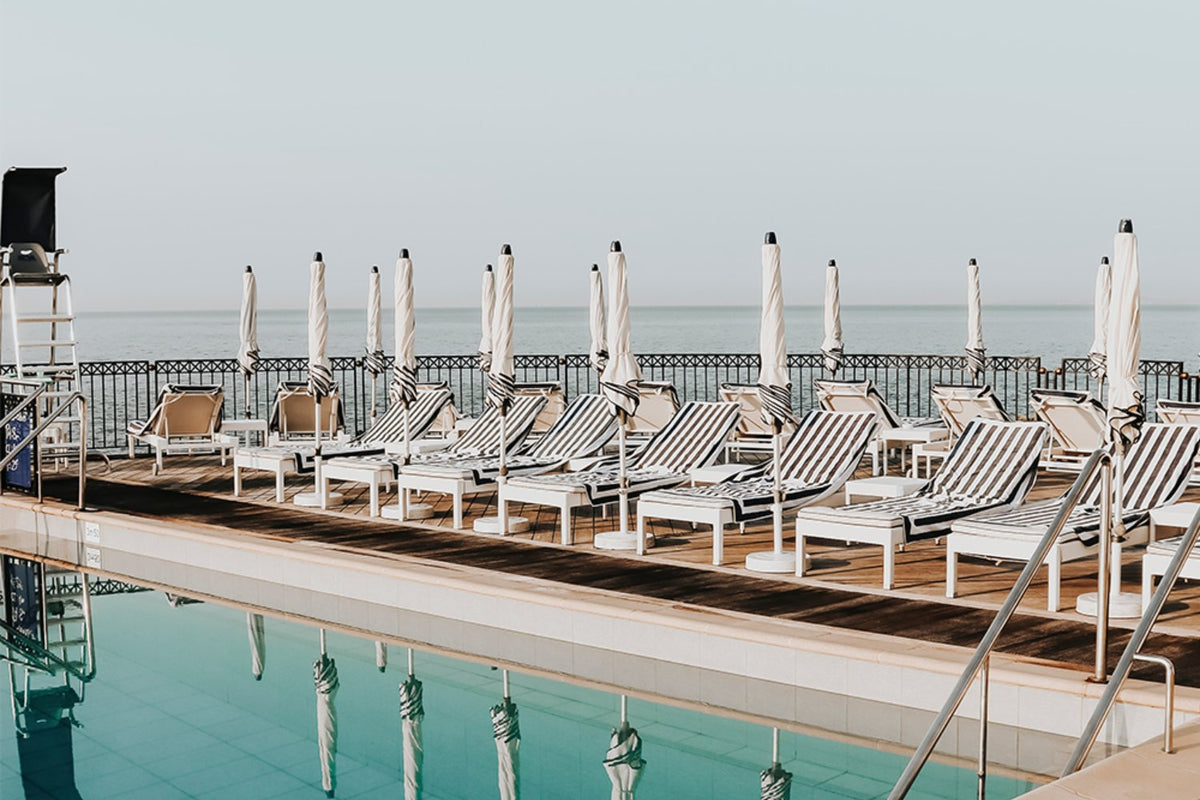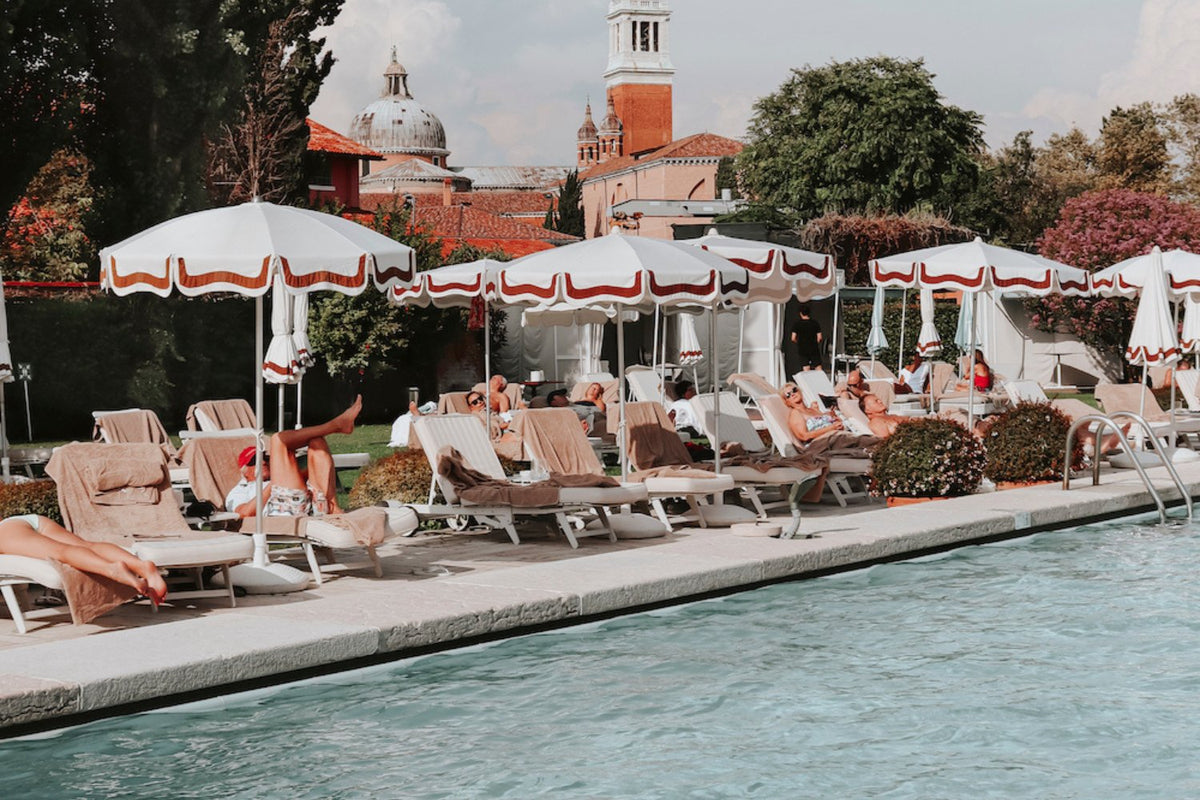

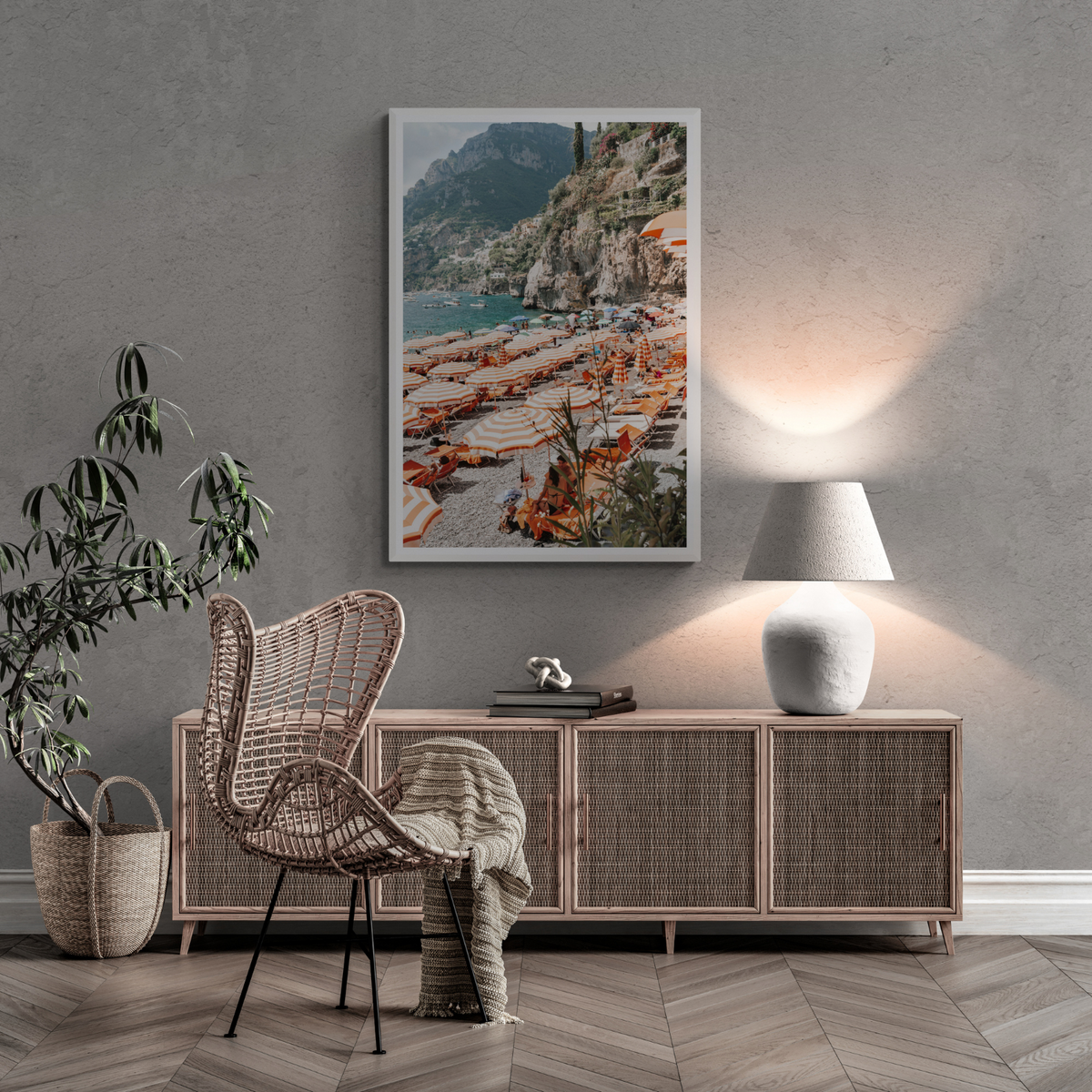
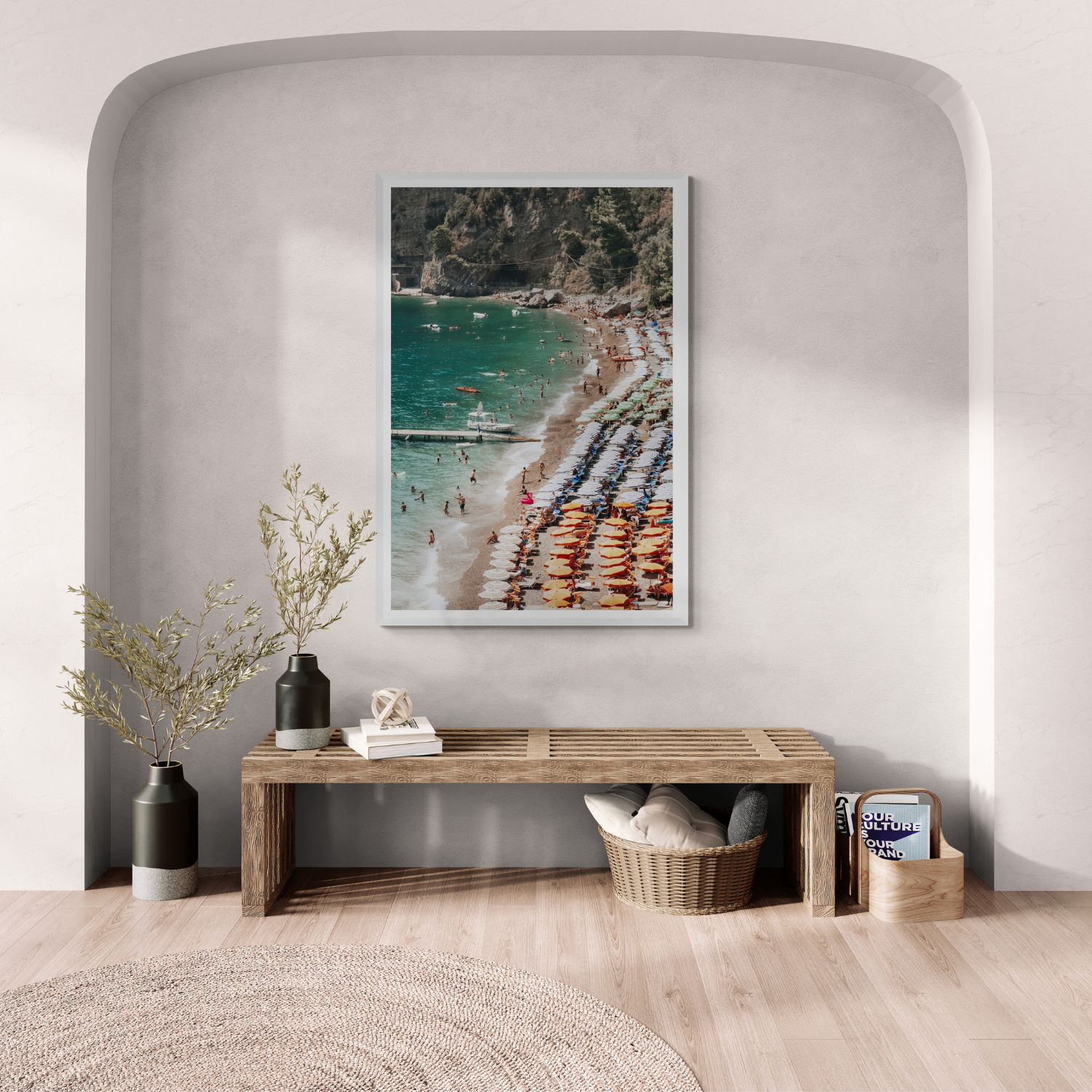
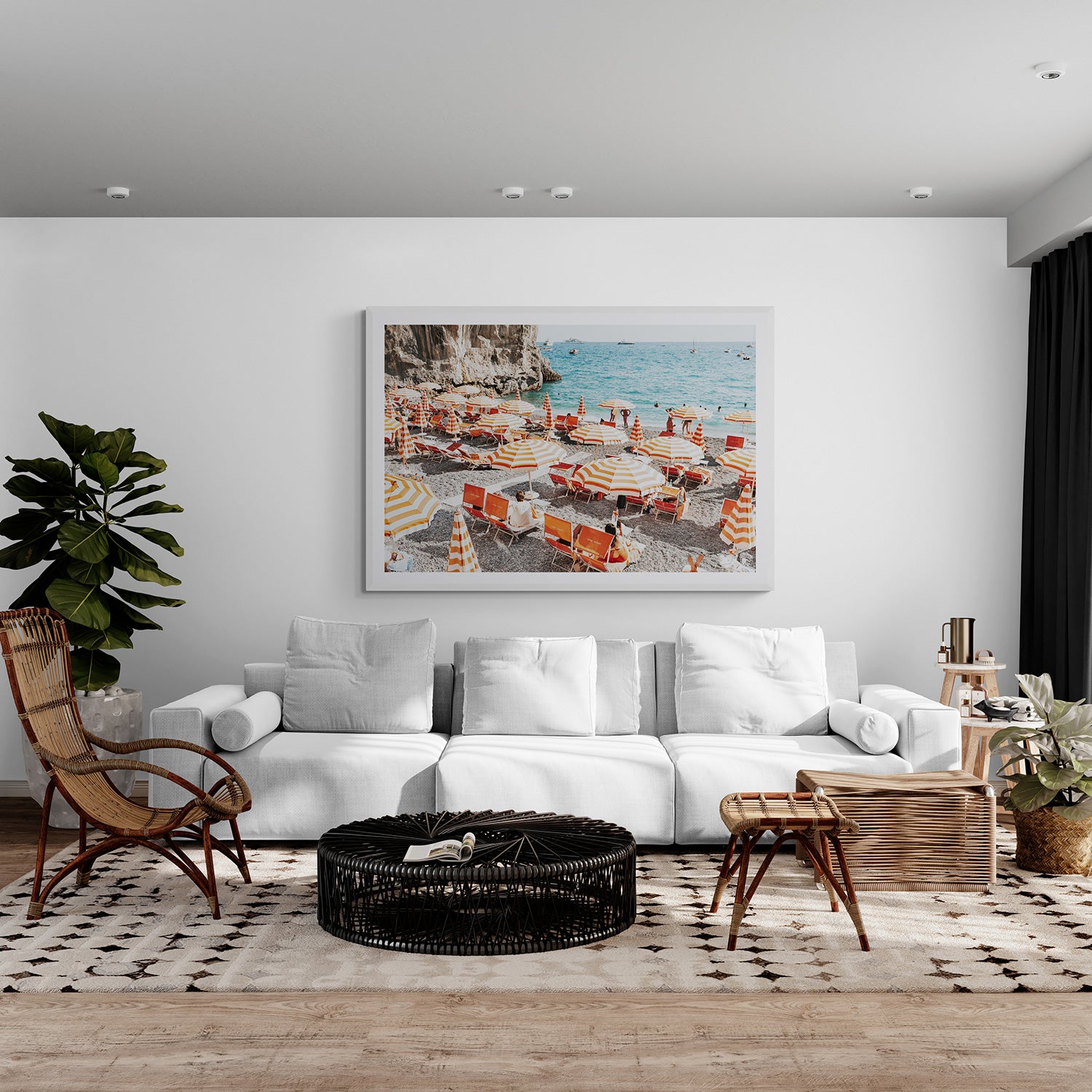
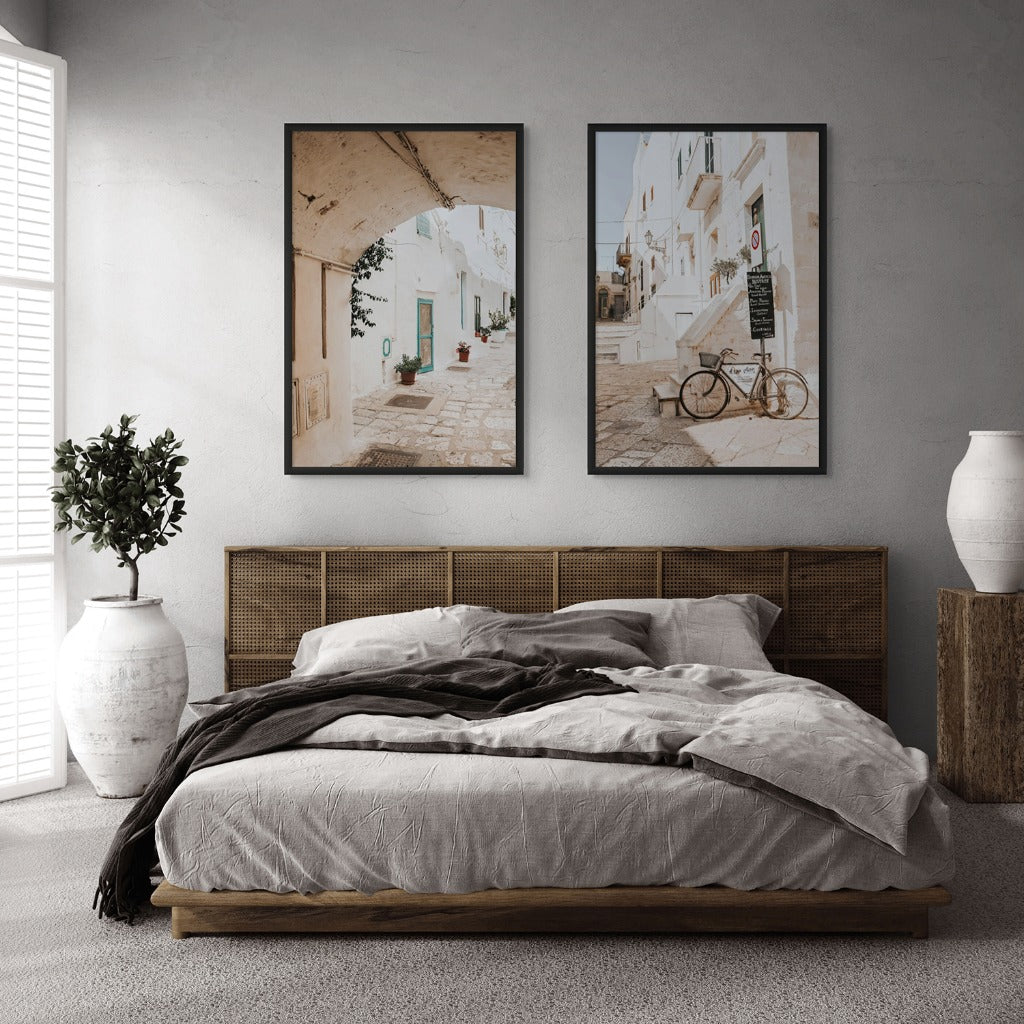
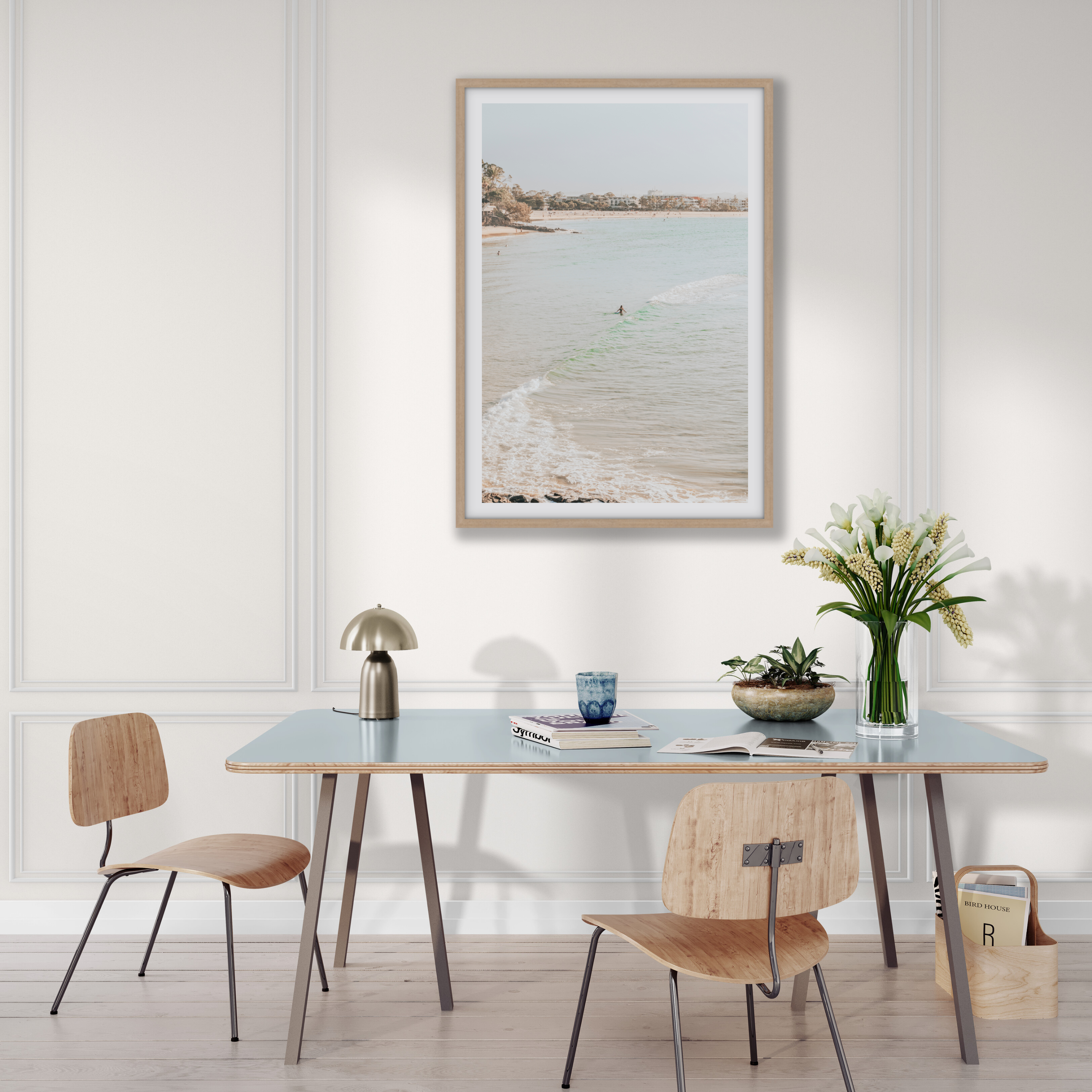
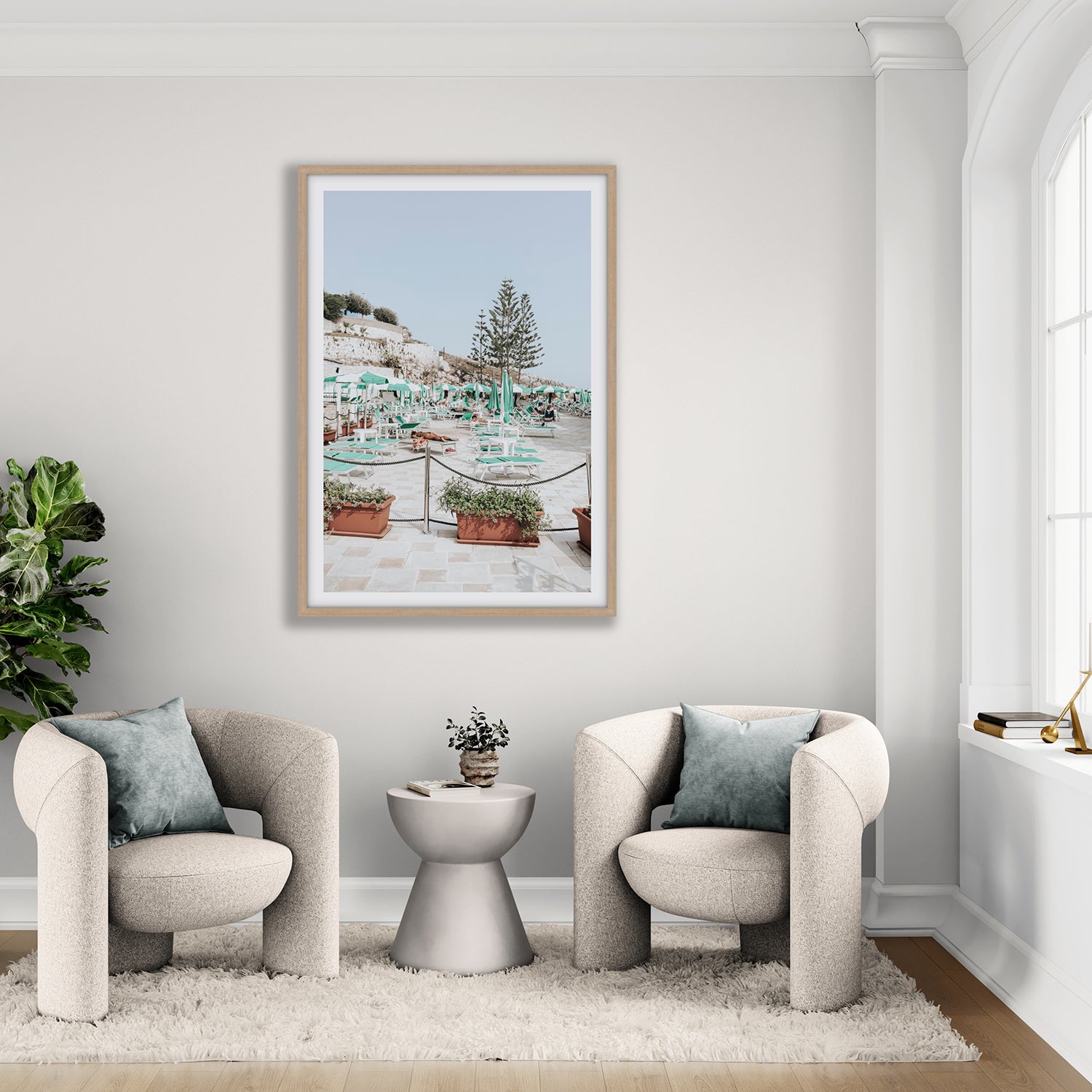
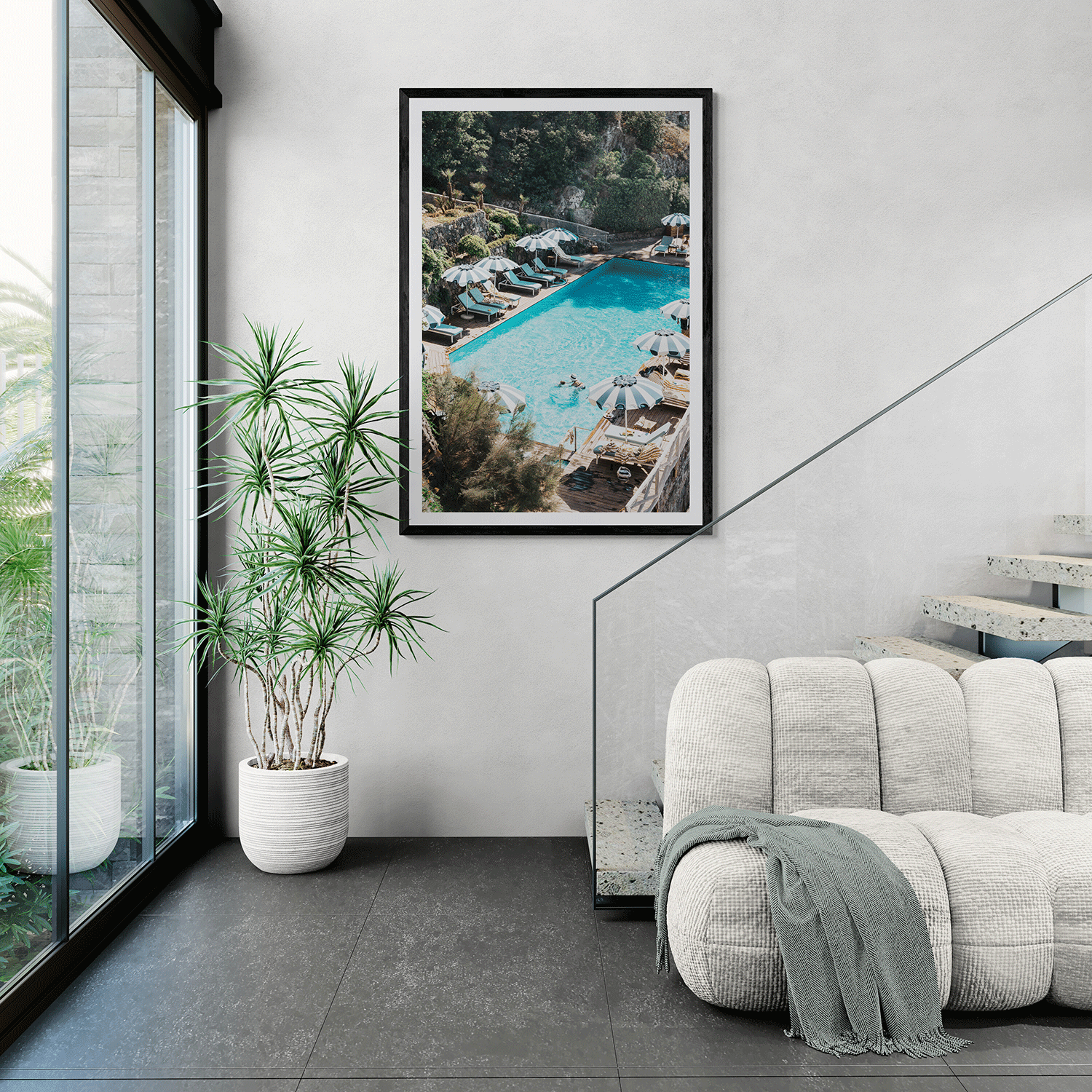
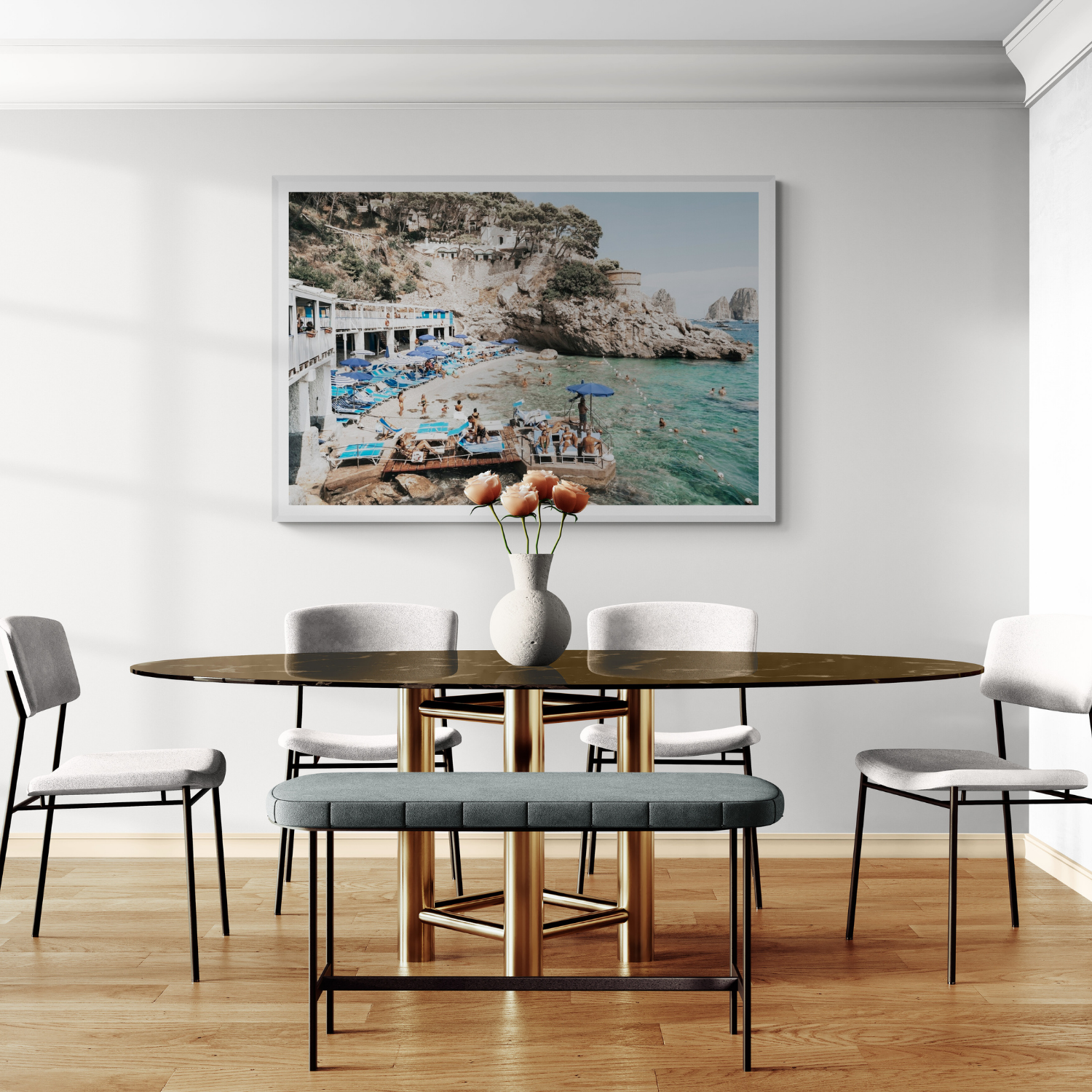

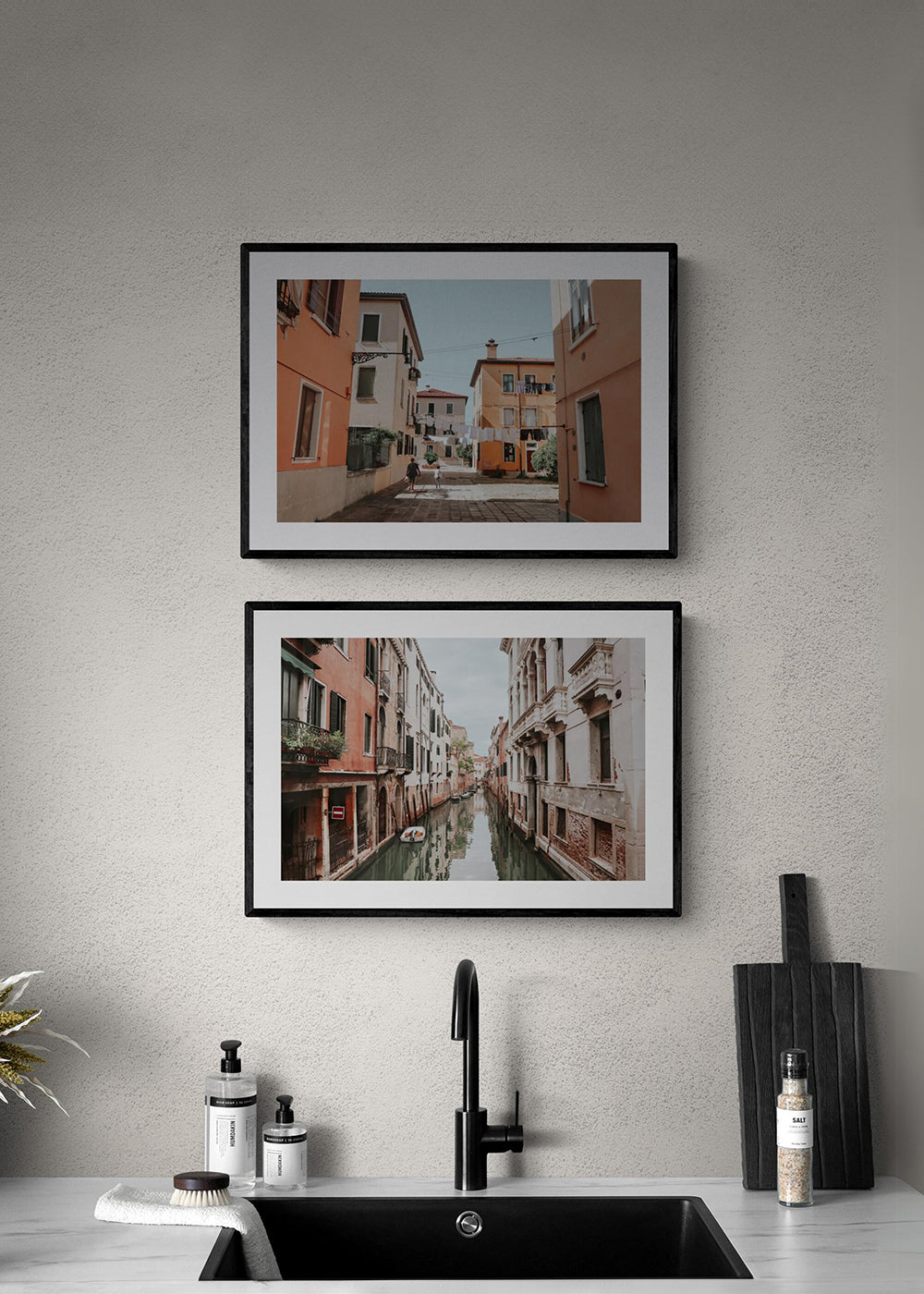

Choose the Amalfi Coast if you want dramatic cliffside towns, iconic views, a compact coastal itinerary and the option to move between key destinations by ferry when seasonal services are operating.
Choose Puglia if you want a slower road trip through whitewashed towns, countryside masserie, varied beaches and a region that rewards exploring beyond one famous coastline.
Neither is the better version of southern Italy. They offer different kinds of beauty:
- Amalfi is vertical, concentrated and cinematic. Towns rise directly from the sea, roads cling to cliffs and the view is always part of the experience.
- Puglia is expansive, textural and exploratory. Olive groves, Baroque cities, fishing ports, white towns and two coastlines create a holiday with more room to wander.
If you have less than a week and want an unmistakable Italian coastal spectacle, Amalfi is usually easier to define. If you have a week or more and enjoy building a journey from several distinct places, Puglia has greater range.
Puglia vs Amalfi Coast at a glance
| Consideration | Puglia | Amalfi Coast |
|---|---|---|
| Overall feeling | Unhurried, varied and exploratory | Dramatic, polished and concentrated |
| Landscape | Olive country, plains, white towns and long coastlines | Steep cliffs, terraces and villages above the sea |
| Best for | Road trips, beaches, local towns and longer stays | Iconic views, romance and shorter coastal itineraries |
| Beaches | Broad variety: sand, rock, coves and beach clubs | Mostly smaller coves and town beaches beneath cliffs |
| Getting around | A car gives the greatest flexibility | Ferries and buses can connect key towns seasonally |
| Ideal pace | Several bases or one base with day trips | One or two bases with coastal day trips |
| Visual signature | Whitewashed stone, olive green, turquoise and warm earth | Layered villas, vivid umbrellas, deep blue water and cliffs |
The fundamental difference: a region versus a coastline
Puglia is a large region forming the heel of Italy. A Puglia holiday might focus on the Valle d’Itria and towns such as Ostuni and Alberobello, the Adriatic coast near Monopoli and Polignano a Mare, the Baroque city of Lecce, the Salento peninsula or the Gargano further north.
Trying to do Puglia in a few rushed days misses its appeal. The pleasure lies in contrast: a whitewashed hill town in the morning, a masseria lunch, a rocky cove or sandy beach in the afternoon and a passeggiata somewhere entirely different after dark.
The Amalfi Coast is a more concentrated coastal landscape in Campania. Its towns—including Amalfi, Positano, Ravello, Praiano and others—are joined by the same extraordinary relationship between mountain and sea. UNESCO describes the coast as an area where settlements, terraced cultivation and dramatic terrain form a cultural landscape of exceptional value.
That concentration gives Amalfi immediate visual impact. It also means transport, beaches and public spaces can feel more pressured when demand is high.
Which has the better towns?
Choose Amalfi for drama and instant recognition
The Amalfi Coast’s villages are unforgettable because of how they occupy the landscape.
Positano tumbles down the hillside in layers. Amalfi combines a working town centre with maritime history and a cathedral at its heart. Ravello sits above the coastline, offering gardens and broad views rather than direct beach access. Praiano feels quieter than its more famous neighbours while retaining the coast’s steep streets, majolica details and sea-facing character.
Amalfi suits travellers who want each transfer to deliver another major view, even when journeys take longer than the map suggests. The Amalfi collection captures that layered, cliffside drama.
Choose Puglia for variety and everyday texture
Puglia’s towns do not repeat one coastal formula.
Ostuni is built from whitewashed stone and winding lanes. Lecce is defined by ornate Baroque architecture and a lively urban rhythm. Monopoli brings the old town directly to its harbour. Polignano a Mare sits above the Adriatic on limestone cliffs. Inland, Alberobello’s trulli provide an architectural language found nowhere on the Amalfi Coast.
Puglia is the stronger choice if you enjoy small details as much as grand views: doors, bicycles, café tables, artisan shops, weathered walls and the changing light across a piazza.
The Daydreams in Puglia collection captures that slower visual rhythm, including whitewashed towns, coastal corners and scenes of daily life.

Which has better beaches?
The answer depends on what you want from a beach.
Amalfi Coast beaches
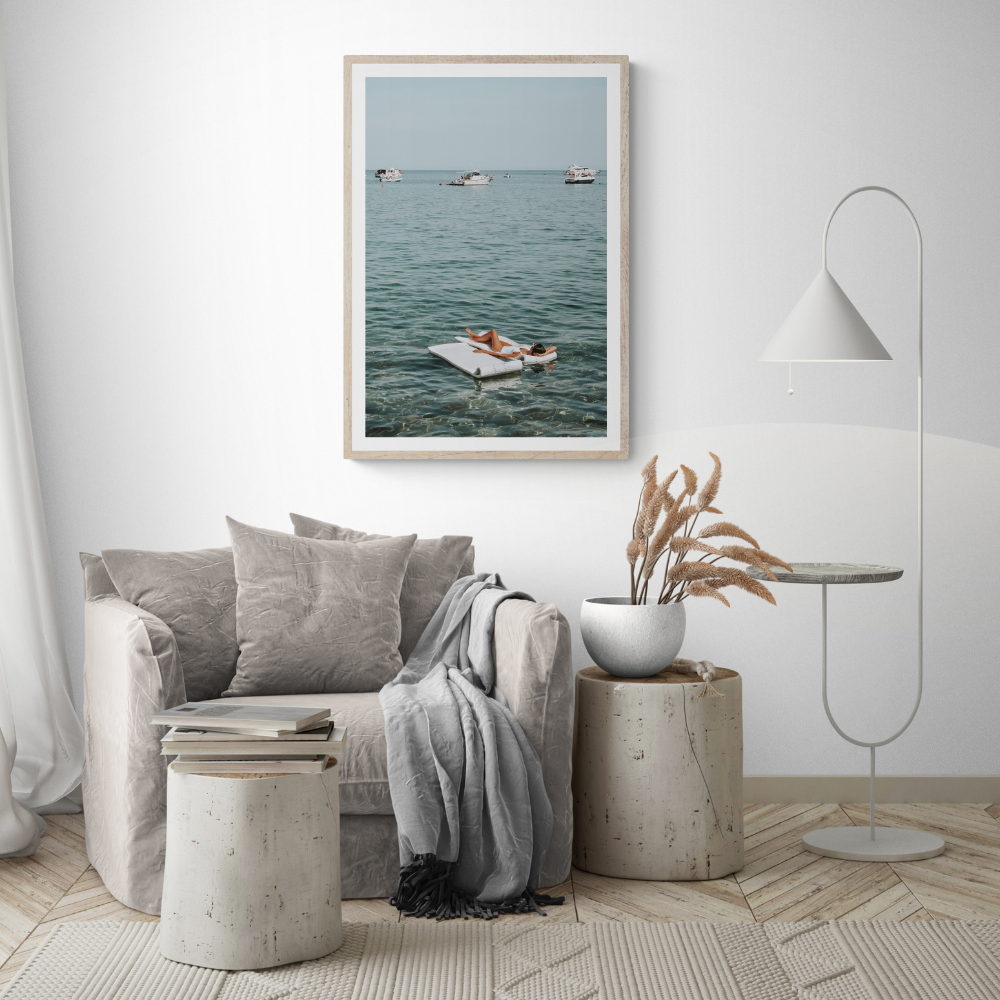
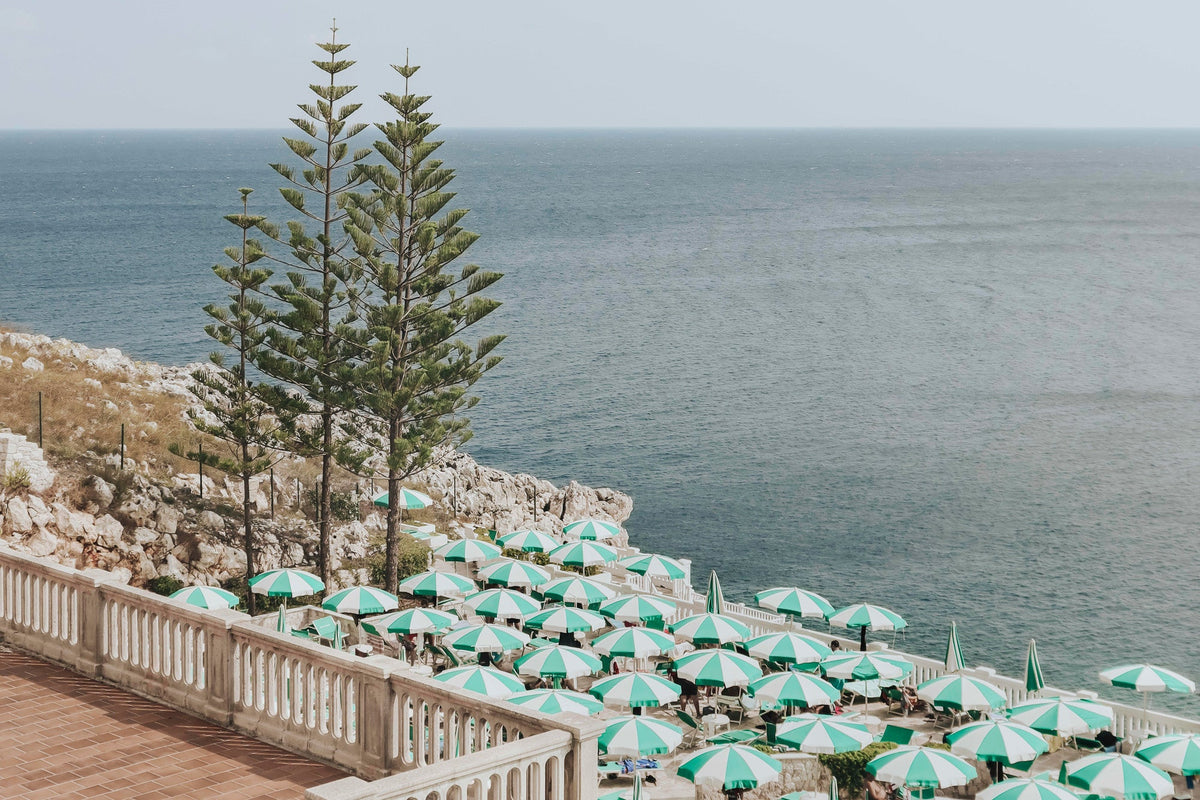
Amalfi’s beaches are part of the cliff landscape. Many are compact, pebbled or backed by steep terrain. Their appeal is often the complete scene: colourful umbrellas, boats, restaurants and villages rising behind the water.
Choose Amalfi if your ideal beach day includes:
- arriving by boat or ferry;
- a beach-club atmosphere;
- swimming beneath dramatic cliffs;
- lunch close to the water; and
- a beach that feels inseparable from the town around it.

Puglia beaches
Puglia offers more geographic variety. Depending on the area, you can find fine sand, low rocky shelves, sheltered coves, sea stacks, beach clubs and small town beaches. Official Italian tourism guidance describes family-friendly sand near Torre dell’Orso, rocky coves around San Foca, the shallow water of Baia dei Turchi and the varied coastline near Monopoli.
Choose Puglia if you want:
- a wider choice of beach type;
- more opportunities to explore by car;
- family-friendly stretches of sand;
- a mixture of free beaches and beach clubs; or
- several beach days that do not feel visually identical.
For pure cliffside theatre, Amalfi is difficult to surpass. For variety and a beach-led road trip, Puglia has the advantage.

Which destination feels quieter?
Puglia generally offers more ways to move away from the busiest places because the region is much larger. Ostuni, Polignano and Alberobello can still be extremely popular, particularly in summer, but another town, masseria or section of coast may provide a different pace.
On the Amalfi Coast, visitors are concentrated along a relatively narrow corridor. Choosing Praiano, Minori, Maiori or a property away from the most famous centres can feel calmer, but transport still moves through shared roads, ports and coastal routes.
Do not assume Puglia will be empty or Amalfi constantly crowded. The month, town, accommodation and time of day matter.
Which is easier without a car?
Amalfi Coast without a car
The Amalfi Coast is generally the more natural choice for a car-free coastal holiday. Ferries connect several principal towns when services are operating, while buses cover the coast throughout the wider transport network.
However, timetables are seasonal and weather can affect marine services. Stairs and steep streets also make “car-free” different from “effortless”. Confirm current ferry and bus timetables for your exact dates.
Puglia without a car
Puglia can be visited without driving, particularly if you base yourself in a larger centre and use rail connections between selected towns. A car becomes more useful when you want to reach countryside masserie, small beaches, rural restaurants or several dispersed towns in one day.
A car-free Puglia itinerary should be designed around transport links from the beginning. A road-trip itinerary can be more spontaneous, but parking and restricted historic-centre zones still require planning.
Which is better for couples?
Both are romantic, but the mood is different.
Choose Amalfi for:
- cliffside hotels and terraces;
- boat arrivals and sunset views;
- a shorter celebration trip;
- a polished honeymoon atmosphere; or
- a journey where the setting supplies immediate theatre.
Choose Puglia for:
- a masseria stay surrounded by olive groves;
- slow drives between towns;
- long lunches and local markets;
- combining culture, countryside and swimming; or
- a honeymoon that feels more exploratory than staged.
Amalfi creates romance through spectacle. Puglia creates it through time and space.

Which is better for families?
Puglia can be easier for families who prioritise sandy beaches, more spacious accommodation and a flexible driving itinerary. The region’s scale also makes it possible to choose a base specifically around the children’s ages and preferred beach style.
The Amalfi Coast can work beautifully for families who are comfortable with stairs, boats, compact beaches and advance planning. A town with easier waterfront access may suit better than a steep property chosen only for its view.
For either destination, check:
- the number of stairs between accommodation and street;
- whether a beach is sandy, pebbled or accessed by steps;
- parking or transfer arrangements;
- the distance to groceries and restaurants;
- ferry suitability for the children; and
- shade and facilities at the intended beach.
The destination matters less than choosing the correct base within it.
How many days do you need?
Amalfi Coast
Allow four to six days for a satisfying first visit. This gives you time to select a base, visit two or three neighbouring towns, spend a day on or beside the water and leave some room for weather or transport changes.
A three-night stay can work as part of a larger Italian trip, but it may feel more like a highlight reel than a settled holiday.
Puglia
Allow seven to ten days if you want the region’s variety. A week can combine the Valle d’Itria, one Adriatic base and part of Salento. With fewer days, choose one subregion rather than spending the holiday changing hotels.
These are editorial starting points, not fixed rules. A single masseria week can feel more rewarding than an itinerary that tries to collect every town.
Is Puglia cheaper than the Amalfi Coast?
Puglia generally offers more accommodation categories, rural stays and locations outside globally famous tourism centres. The Amalfi Coast’s limited geography and high demand can create a significant premium, particularly for sea views, central locations and private transfers.
That does not make every Puglia holiday inexpensive or every Amalfi trip extravagant. Luxury masserie, private beach clubs and peak-season villas can be substantial purchases in either region.
Compare the complete trip rather than one hotel rate: accommodation, airport transfer or car hire, parking, ferries and boats, beach clubs, restaurant choices, and how often you will change bases. Avoid relying on static online daily-budget figures. Check current prices for the exact month and towns you intend to visit.
Can you combine Puglia and the Amalfi Coast?
Yes, but the combination works best when you have enough time to let each destination feel different.
For a trip of roughly ten to fourteen days, consider:
- arriving through Naples and spending four or five nights on the Amalfi Coast;
- allowing a substantial transfer day into Puglia;
- spending at least five nights around one or two Puglian bases; and
- departing through Bari or Brindisi where the flight itinerary permits.
Check current rail, flight and private-transfer options before committing. The two regions may look close on a map of southern Italy, but a change between coastal accommodation can consume much of a day.
If your total trip is one week, choosing one region usually creates the better holiday.
The final decision
Choose the Amalfi Coast when your priority is:
- iconic cliffside scenery;
- a compact coastal itinerary;
- ferries and boat days;
- a celebration or shorter romantic escape; and
- the feeling of stepping directly into a classic Italian image.
Choose Puglia when your priority is:
- a road trip with several distinct landscapes;
- whitewashed towns and countryside stays;
- varied beaches;
- a slower, less concentrated itinerary; and
- discovering the everyday details between the recognised sights.
If you are still torn, choose according to how you like to travel. Amalfi rewards surrendering to one extraordinary coastline. Puglia rewards curiosity.

See both versions of southern Italy
Explore Daydreams in Puglia for whitewashed streets, local details and slow coastal life, or browse the Amalfi fine art photography collection for cliffside villages, beach clubs and Mediterranean colour.
To continue through Italy, visit The Italian Summer collection, photographed exclusively by Sally and curated by the Amichi Co mother-daughter team, or browse Amichi Co collections by destination.
Still choosing where to go? See Paris, Rome, New York… What’s Next? and our tips for planning the ultimate adventure.
Frequently asked questions
Is Puglia better than the Amalfi Coast?
Puglia is better for varied beaches, road trips, whitewashed towns and longer exploratory stays. The Amalfi Coast is better for dramatic cliffside scenery, a compact itinerary and iconic coastal views. Neither is universally better.
Which has better beaches, Puglia or Amalfi?
Puglia offers greater variety, including sand, rock shelves, coves and beach clubs. Amalfi’s beaches are generally smaller and more closely tied to the cliffside towns, boats and beach-club atmosphere.
Do you need a car in Puglia?
Not for every itinerary. Rail can connect selected towns, but a car gives more flexibility for countryside properties, smaller beaches and dispersed destinations. Design a car-free itinerary specifically around transport links.
Can you visit Puglia and the Amalfi Coast in one trip?
Yes. Allow approximately ten to fourteen days so each region receives meaningful time and the transfer does not dominate the holiday. For a one-week trip, choose one.
Is Puglia or Amalfi better for families?
Puglia often suits families seeking sandy beaches, space and a flexible driving holiday. Amalfi can suit families comfortable with boats, stairs and compact coastal towns. The accessibility of the exact accommodation and beach is decisive.
When should you visit Puglia or the Amalfi Coast?
Late spring and early autumn often provide a useful balance of active tourism services and less concentrated demand than peak summer. Confirm seasonal ferry, hotel and beach-club opening dates for the specific year.
Styling recipe
Three decisions that make the room feel finished

Start with mood
Choose the feeling first: calm, sun-washed, graphic or nostalgic. The right artwork should clarify the room before it asks for a decision.

Build a pair
An artwork set can carry colour, subject or mood across the room and make the whole space feel more collected.

Choose the finish
The final edit should support the room: crisp and gallery-like for structure, softer and quieter for relaxed coastal spaces.