
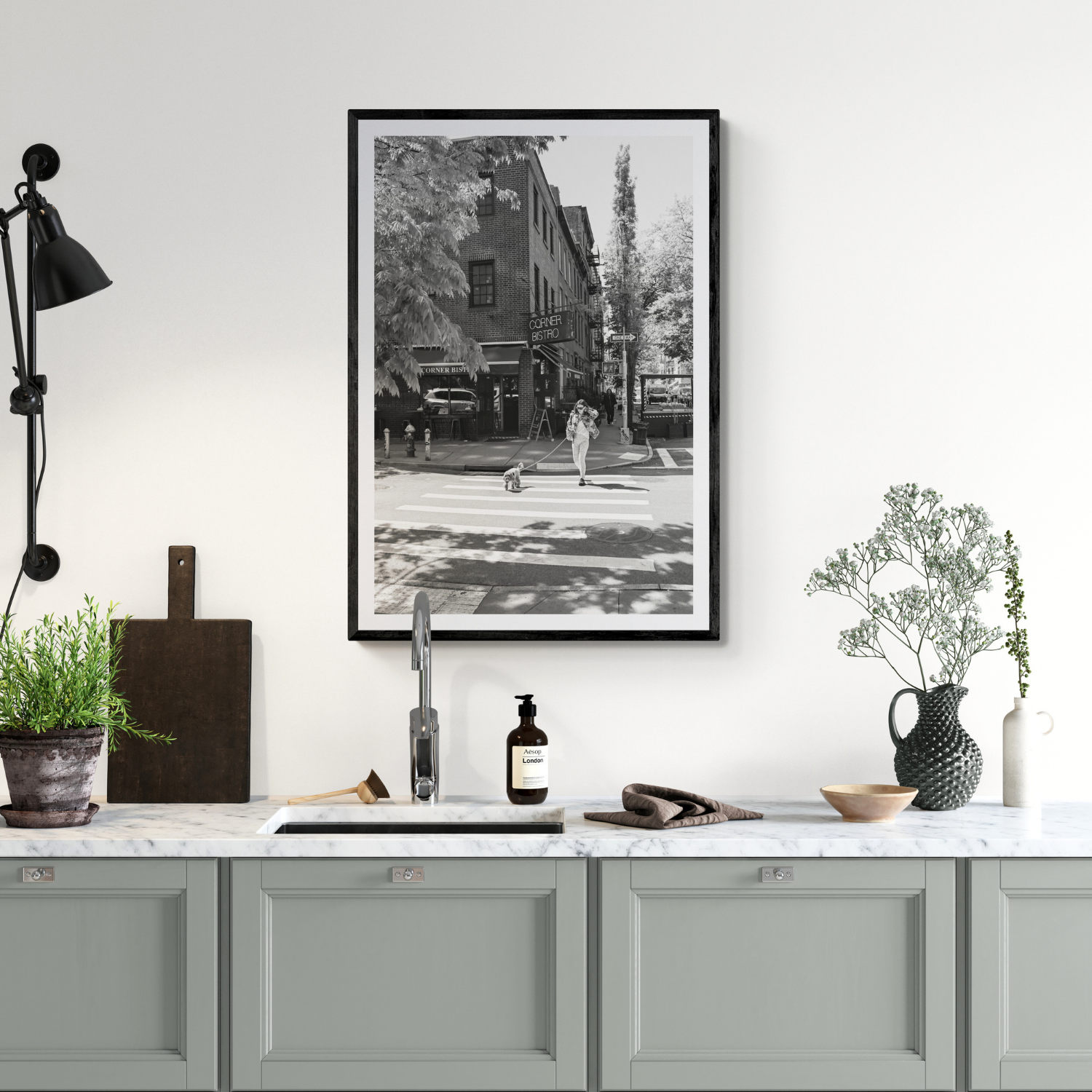
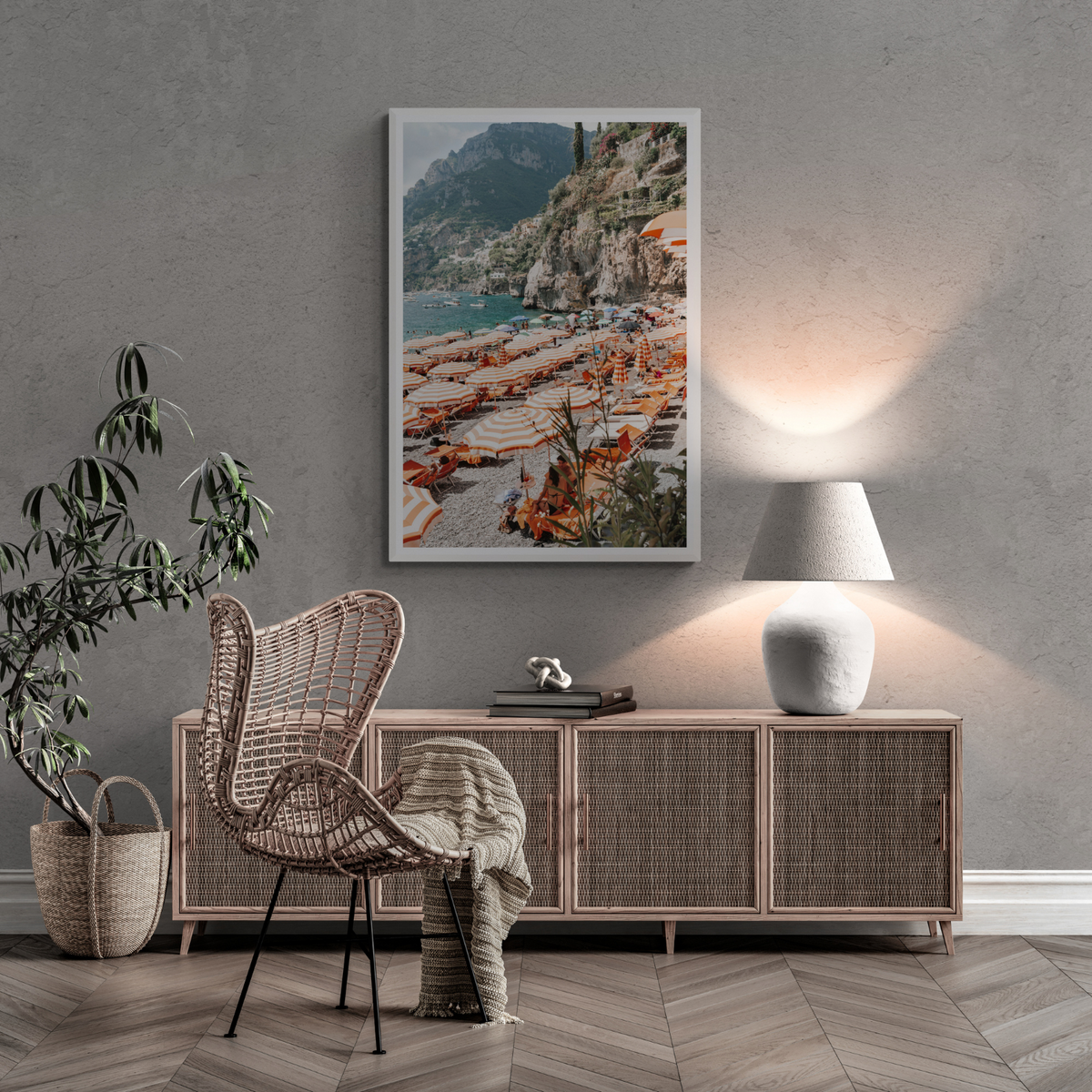
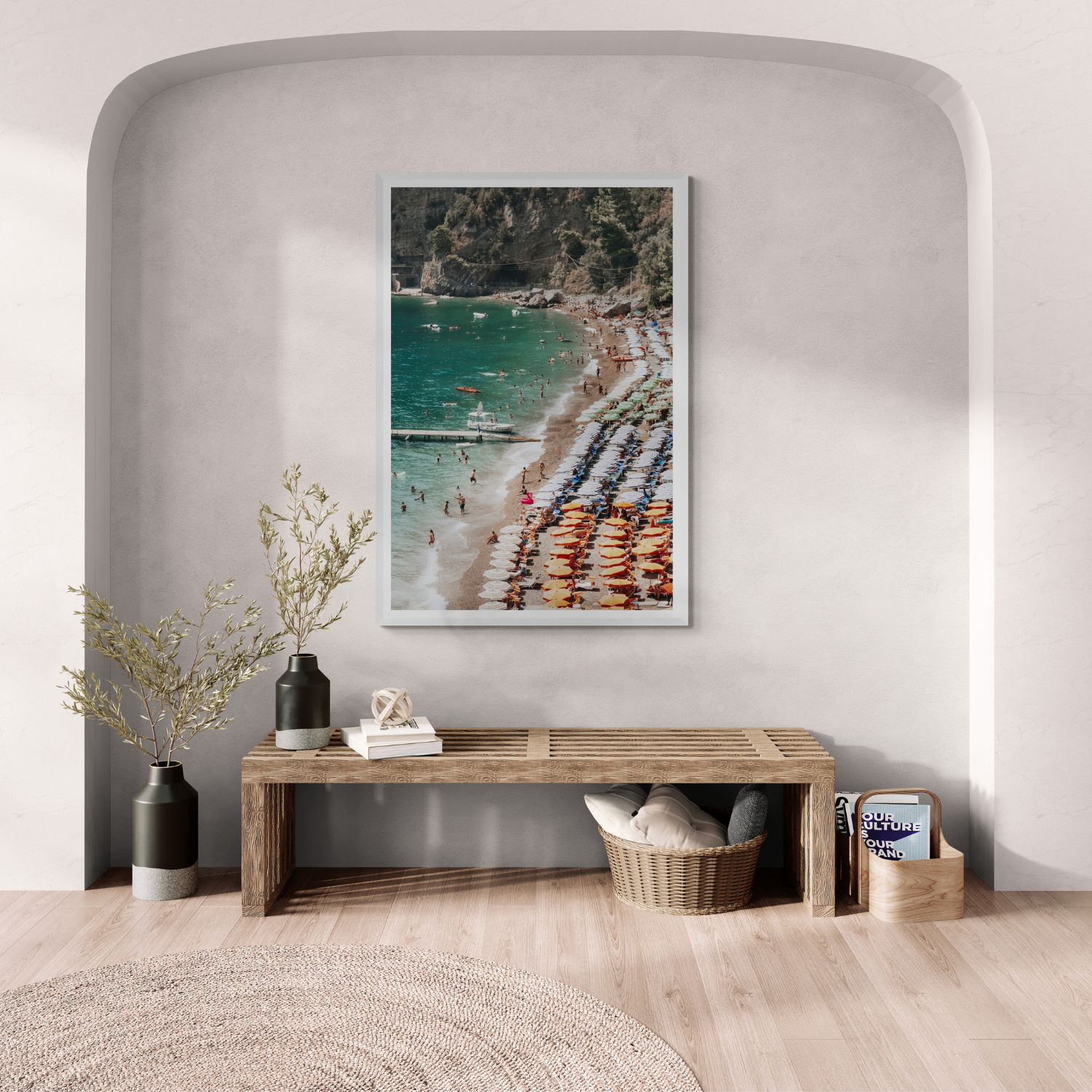
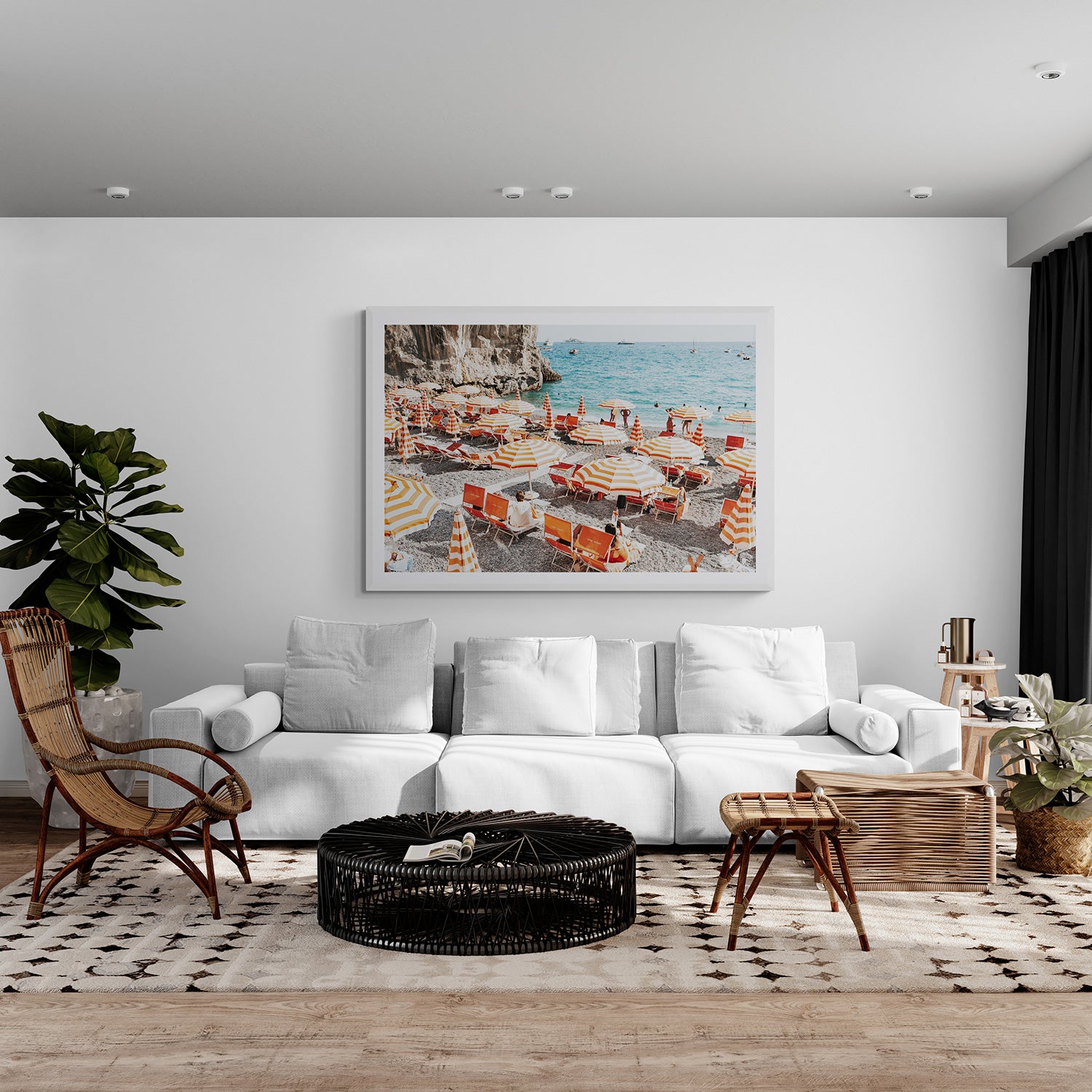
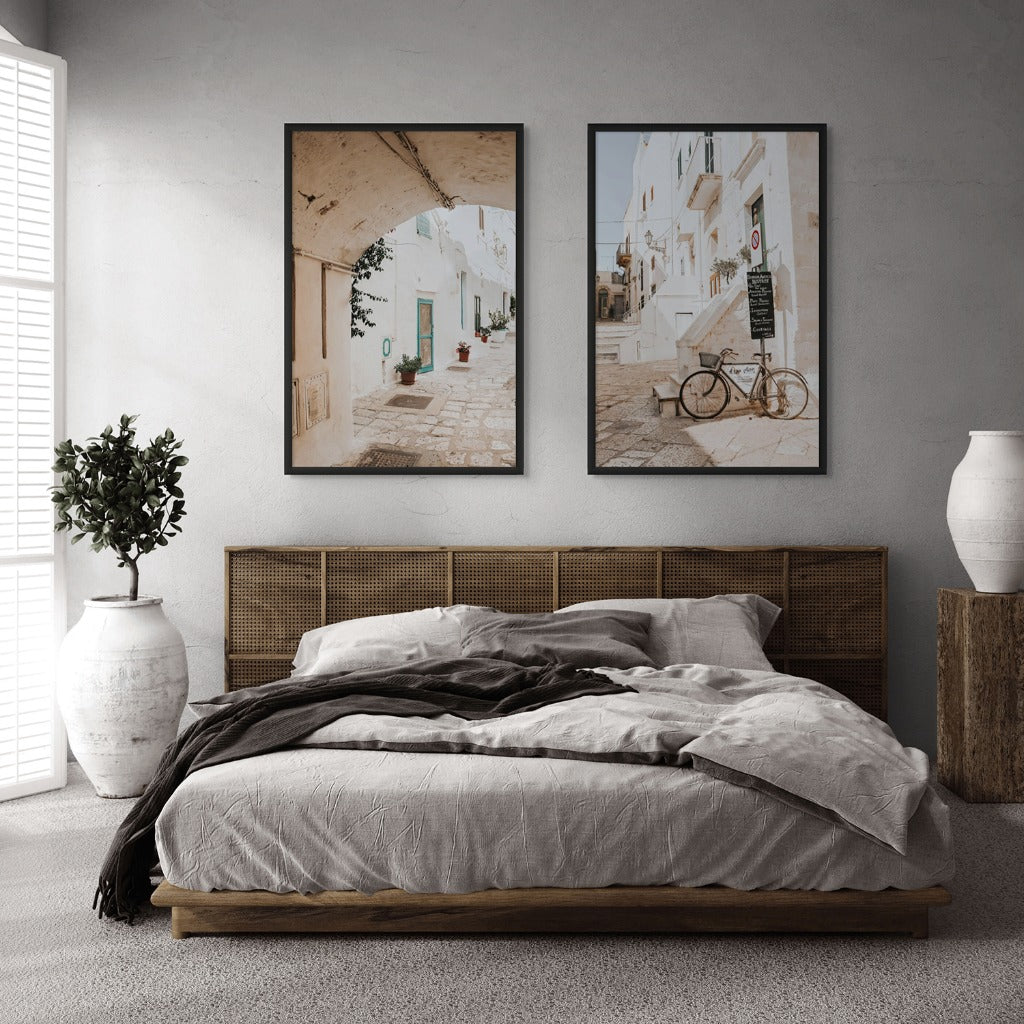
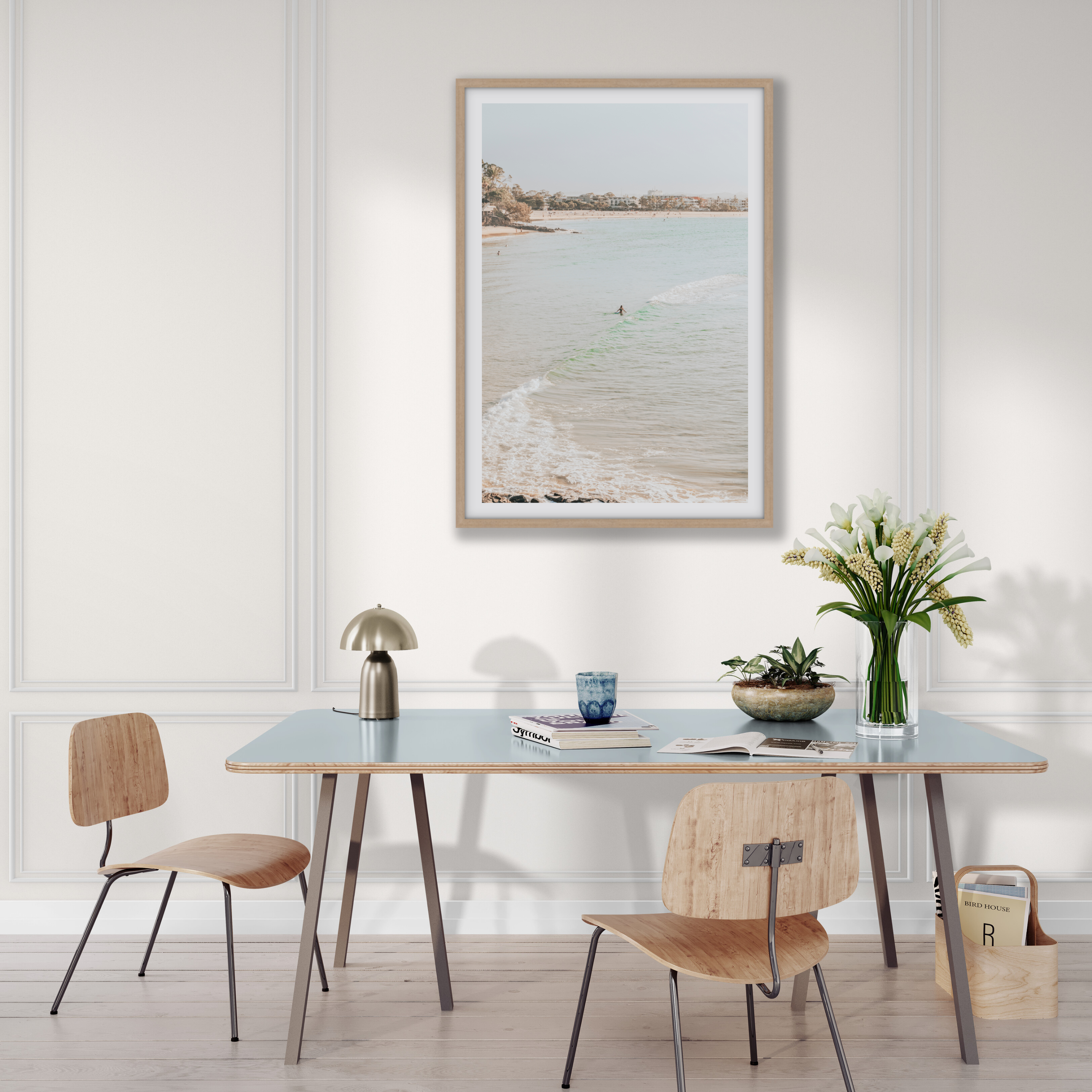
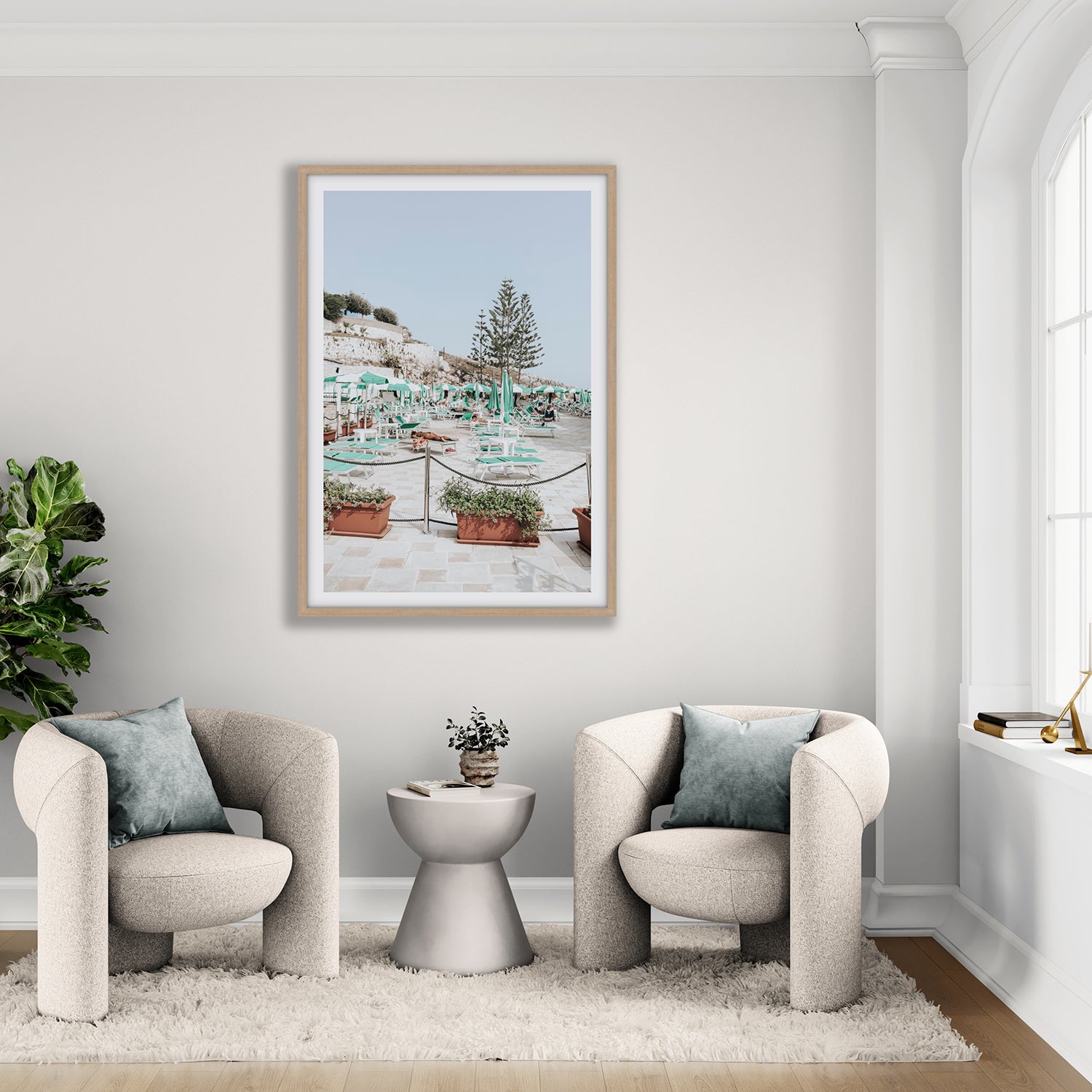
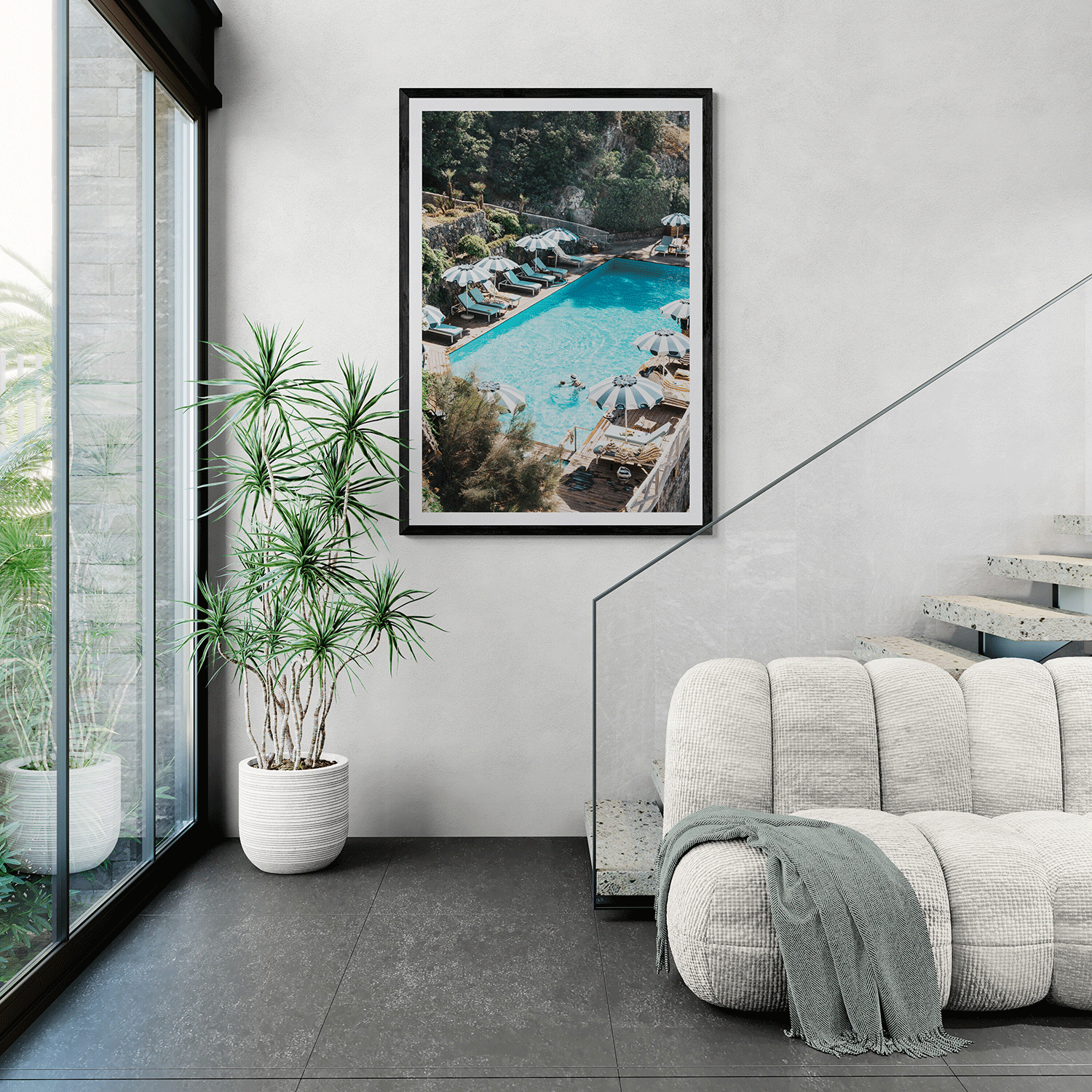
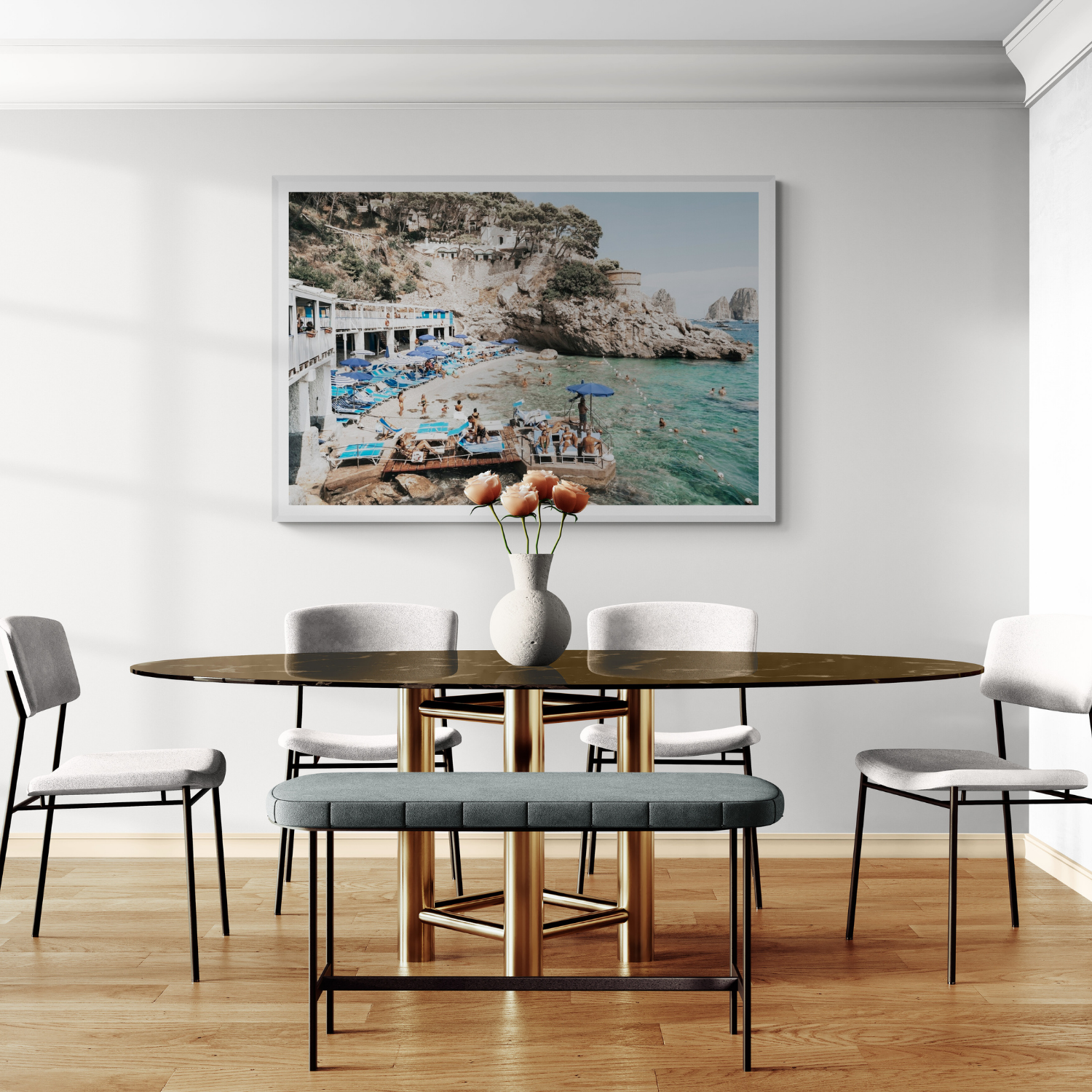
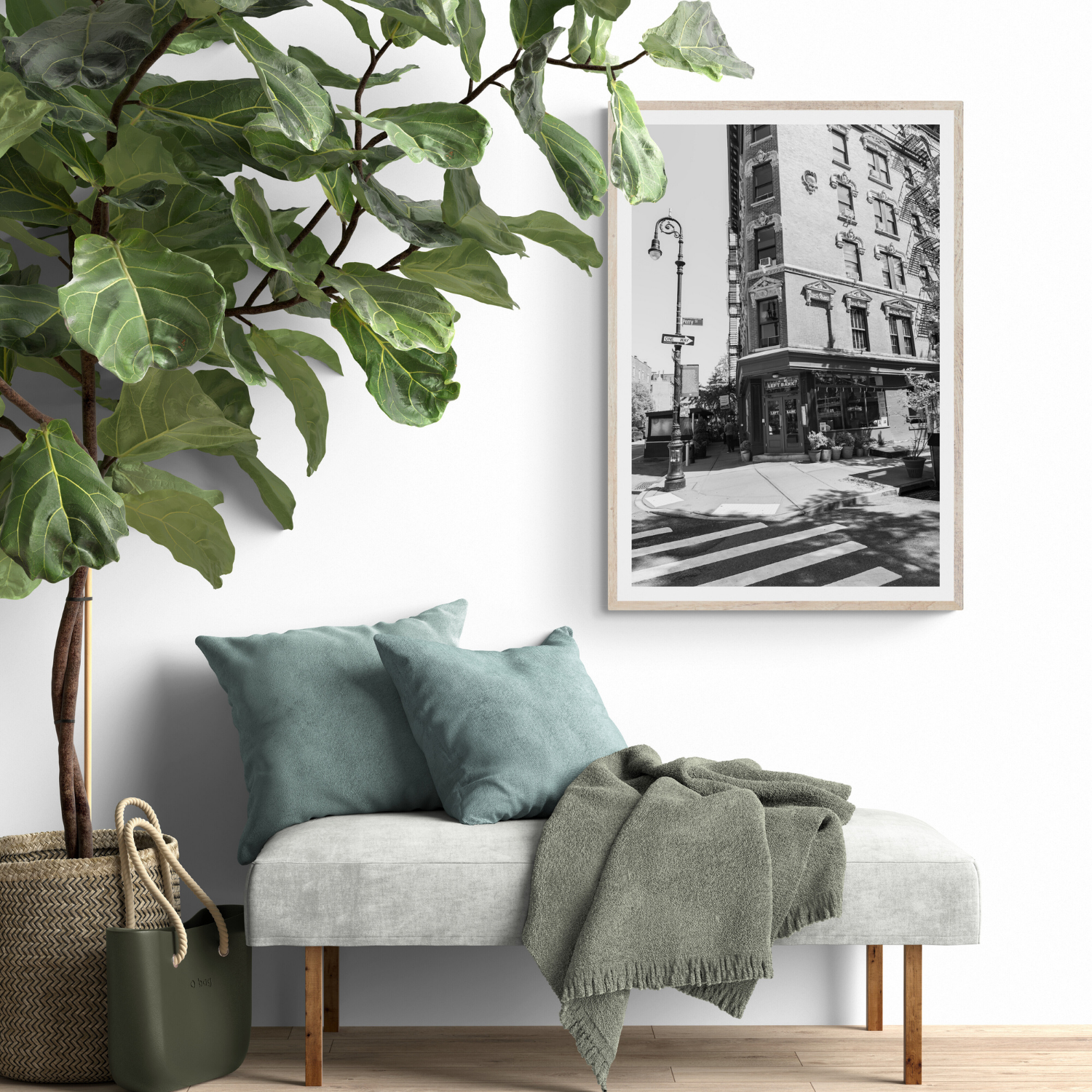
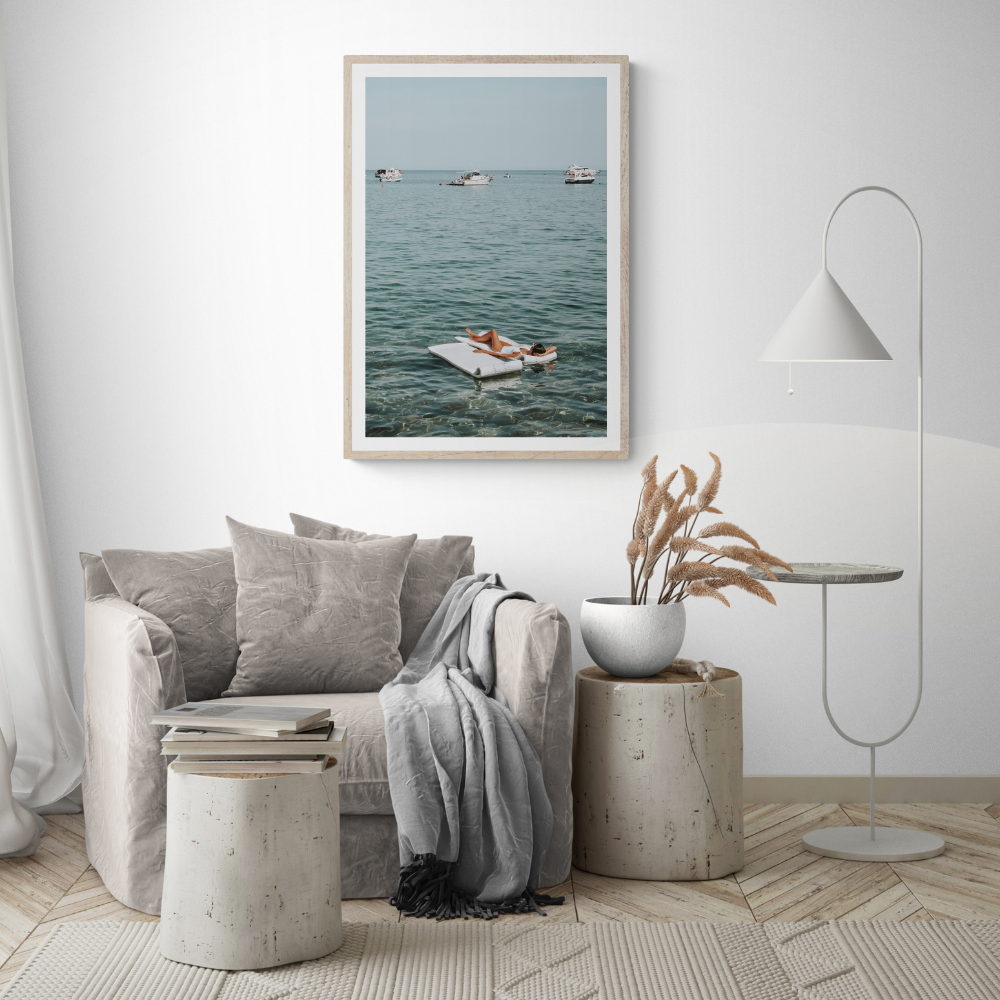


A timeless room is not frozen in one era. It is comfortable to use, clear about what matters, and flexible enough to change with you. Before buying another accessory, look at the furniture you touch every day, the light through the room and what already deserves to stay.
Begin with the room's real routine
Write down what happens here on an ordinary weekday. A living room may need a place to read and a clear route to the door; a dining room may also be a work space. Arrange furniture for those habits first. Good proportions and an easy path through the room will outlast a seasonal colour trend.
If the room feels crowded, remove one small piece before adding another. A little open floor and wall space makes a favourite object more noticeable.
Repeat materials with restraint
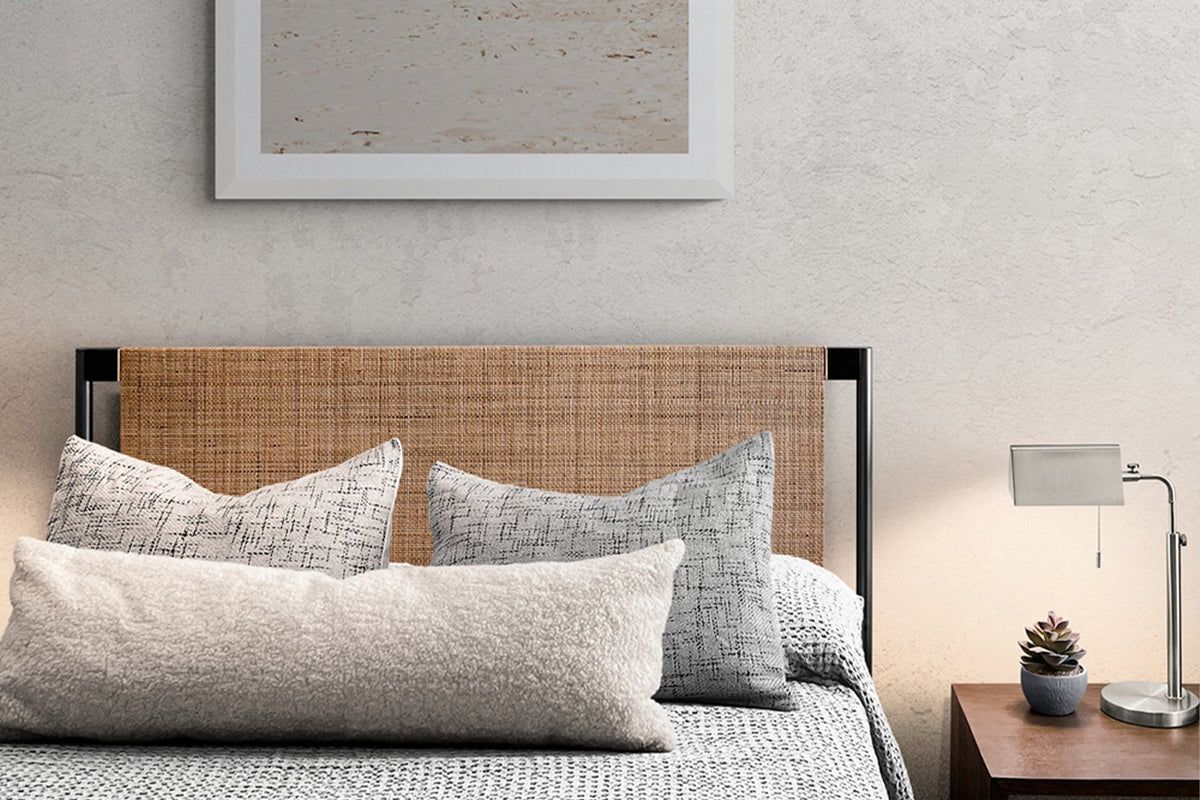
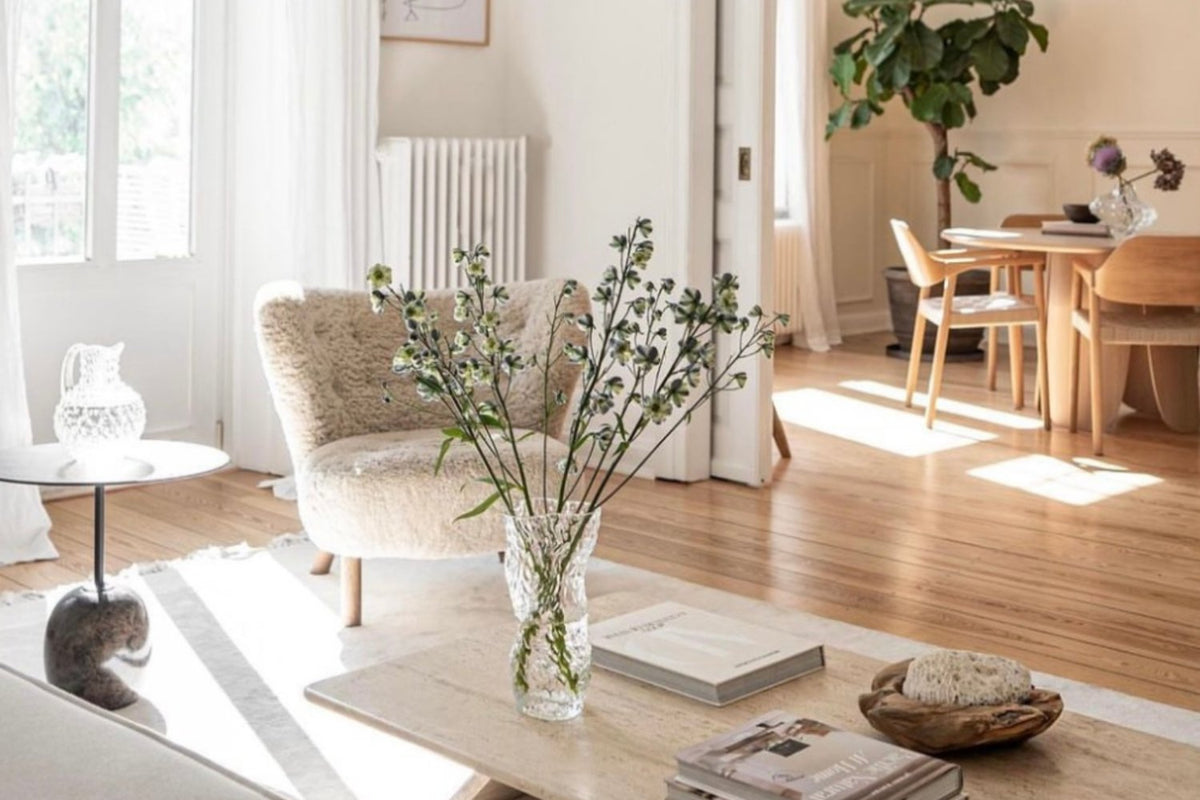
A room can hold timber, stone, metal, linen and glass without looking busy. Choose two or three materials to repeat, then vary their texture. For example, an oak frame can speak to a timber table, while a linen cushion softens both. Repetition creates coherence; exact matching often makes a room feel staged.
Use durable materials where hands and feet meet them. Introduce more adventurous finishes in smaller pieces that can move when your taste changes.
Let colour come from more than paint
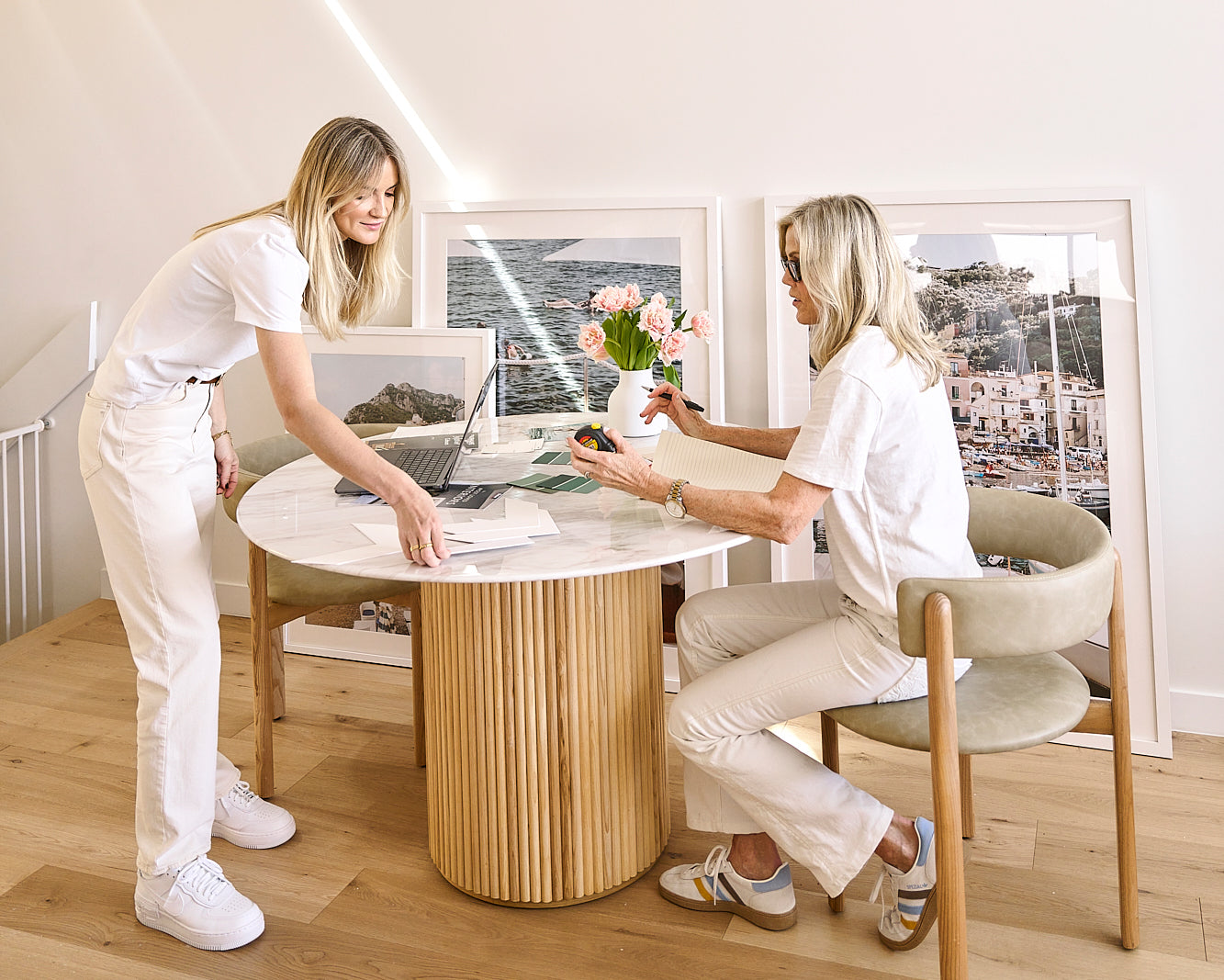
Look at the permanent colours first: floor, large sofa, cabinetry and daylight. Then choose a simple relationship between them. Warm whites and natural timber can take one deep blue or terracotta accent; a colourful rug may call for quieter artwork nearby. Test swatches at morning and evening light before committing to a wall colour.
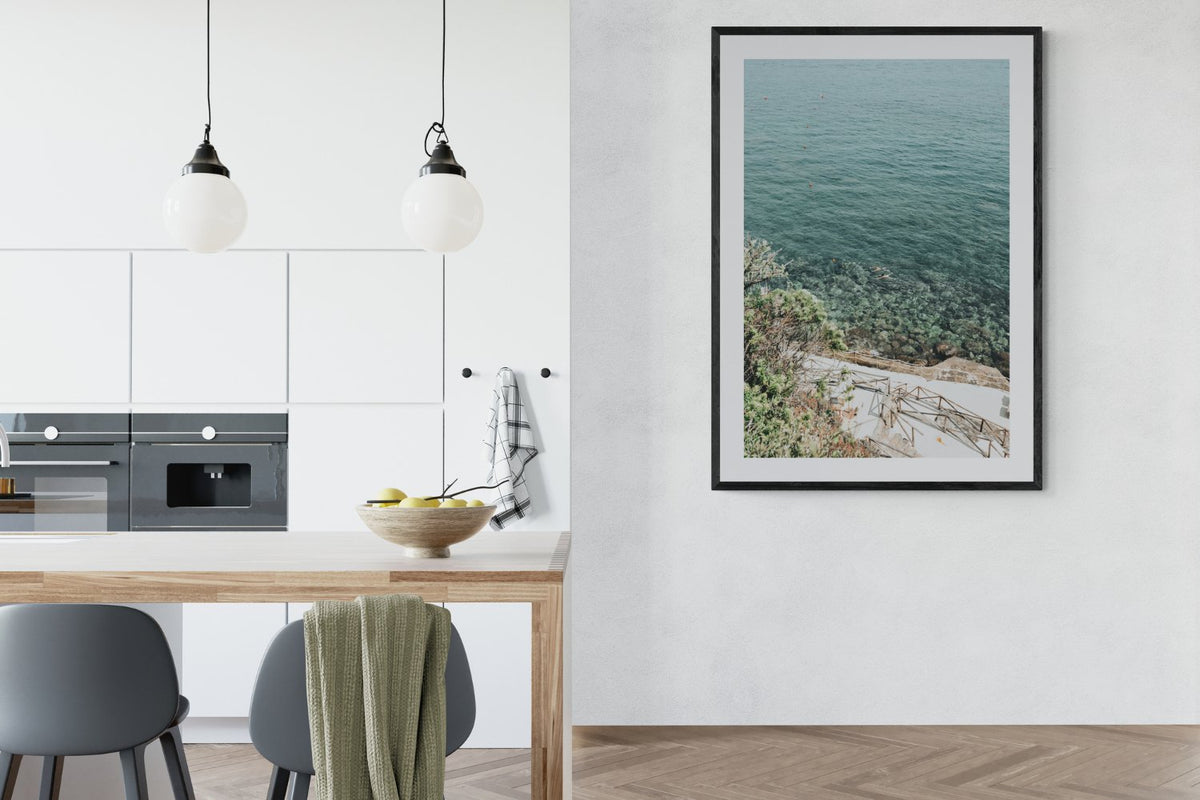
Artwork need not duplicate the upholstery. It can repeat one undertone and introduce a contrasting subject or a sense of place. The colour guide explains a practical way to build that palette.
Choose fewer, more personal finishing layers
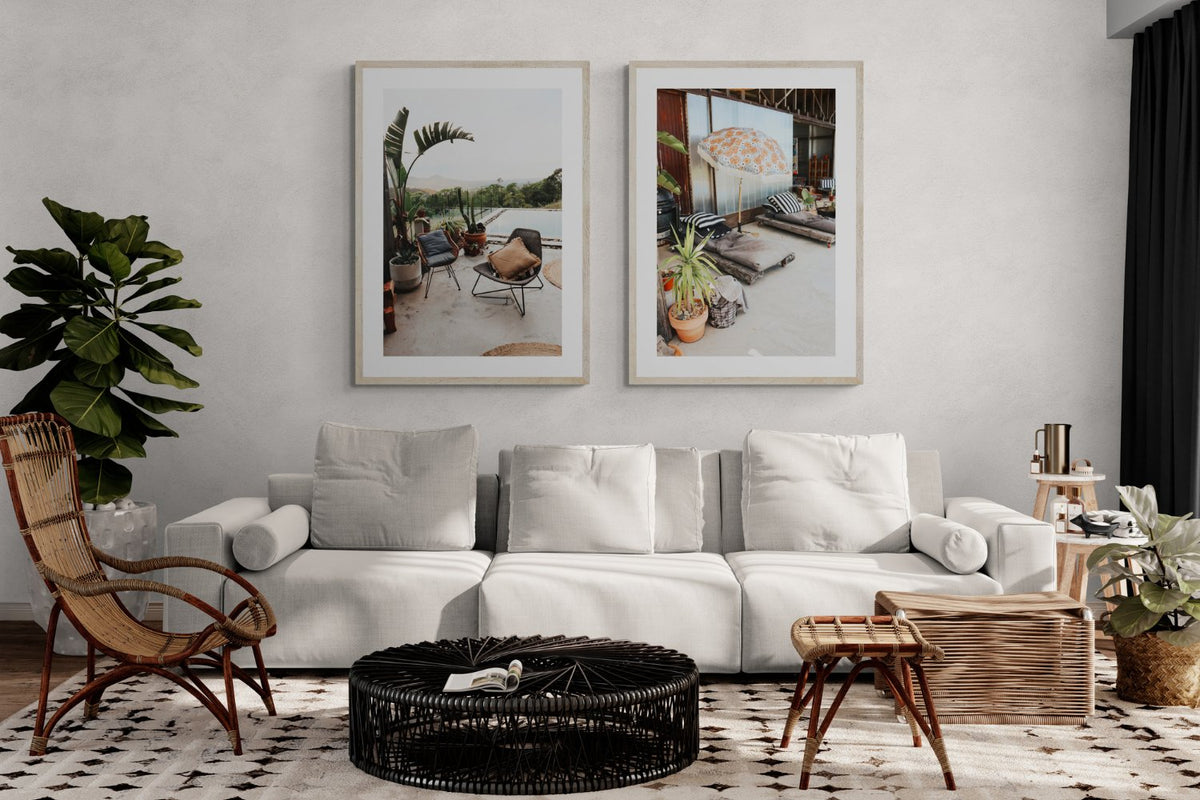
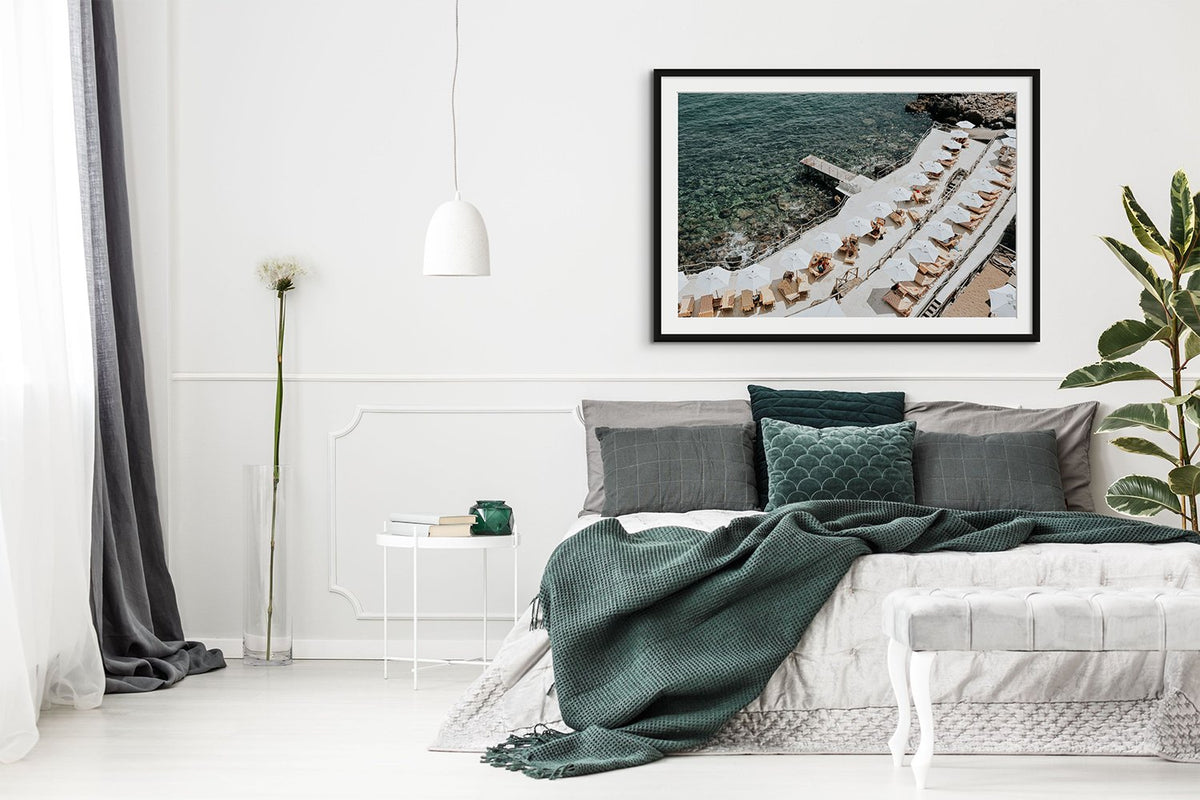
Mix objects acquired over time with pieces chosen for their function. A photograph that recalls a destination, a book you return to and a lamp that gives comfortable light will do more than a row of anonymous accessories. Give each focal point space: one generous artwork above a sofa can be calmer than several undersized pieces competing for attention.
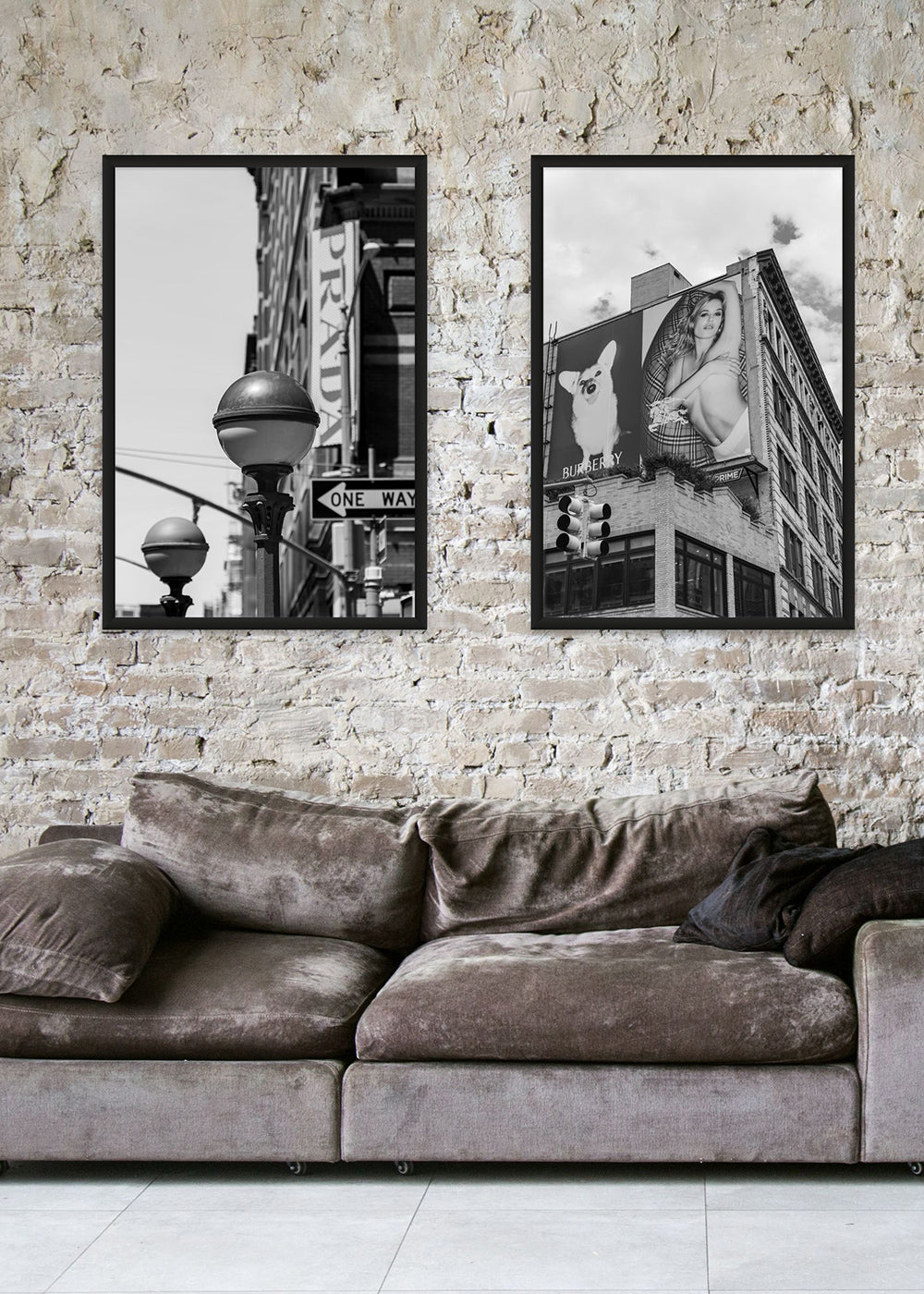
Measure the wall and nearby furniture before deciding between one work and a pair. The sofa artwork size guide offers a starting range, but check the complete framed dimensions in the actual room.
Edit, then live with it
Stand at the entrance and notice where your eye stops. If everything asks for attention, remove an item or quieten a colour. If nothing holds the room, add one confident focal point. Live with that change for a week before shopping again. Timeless styling is an ongoing edit, shaped by use rather than by a finished-room photograph.
Timeless recipe
Three decisions that keep the room classic but not plain

Edit the palette
Let the artwork carry a calm colour story rather than chasing a very specific trend colour.
Balance old and new
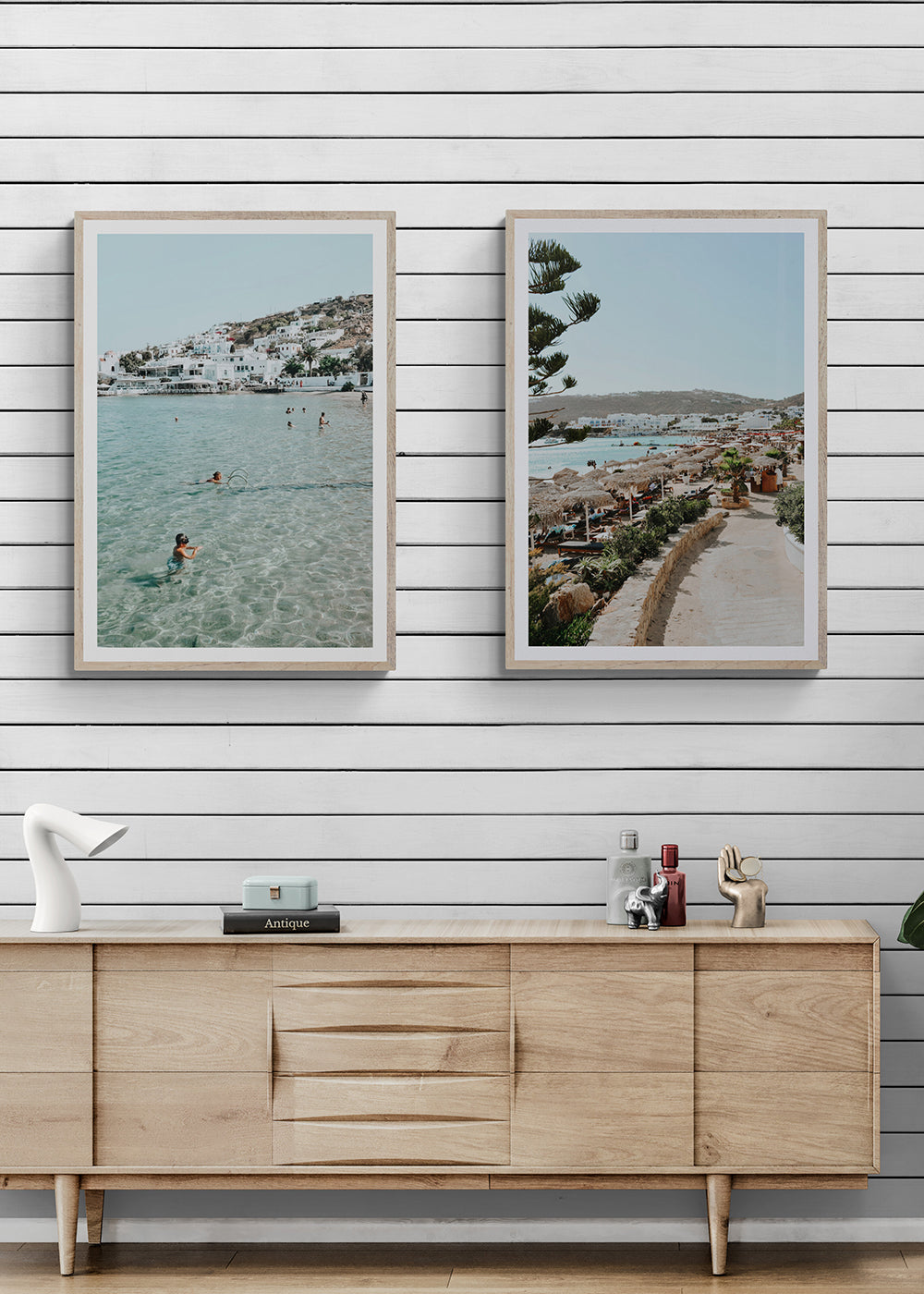
Travel photography, natural textures and simple furniture can make the room feel layered without dating quickly.

Give the eye somewhere to rest
Negative space and considered scale make the styling feel quiet, not empty.