
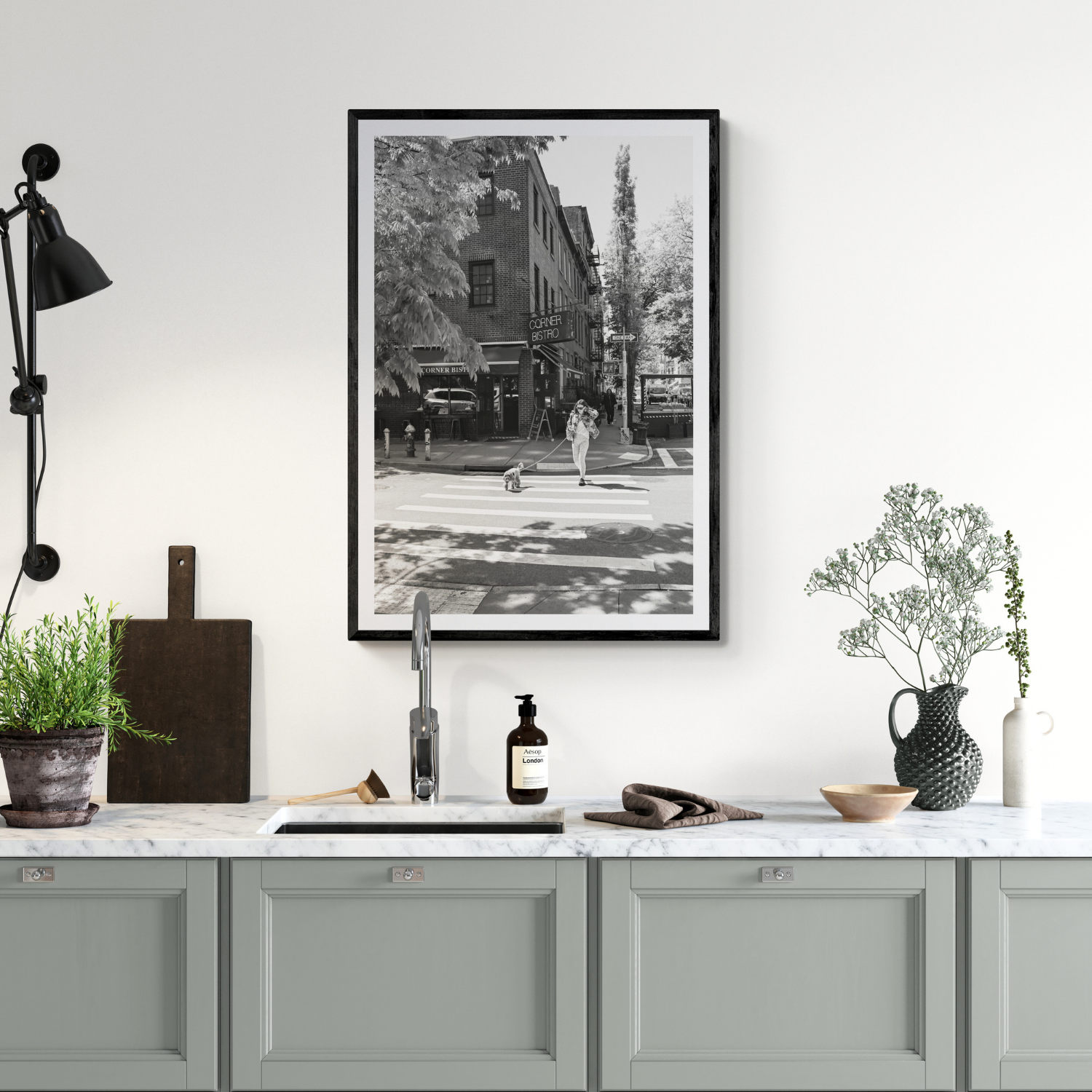
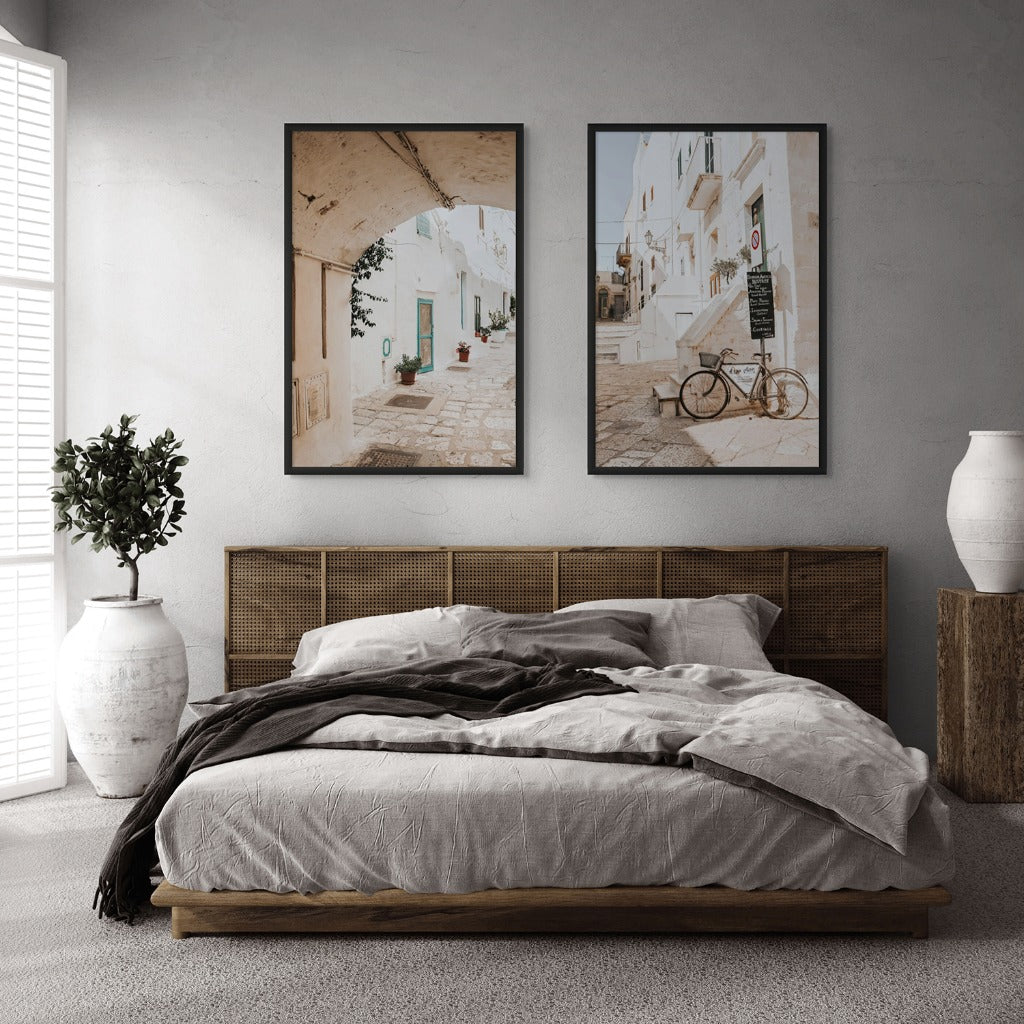
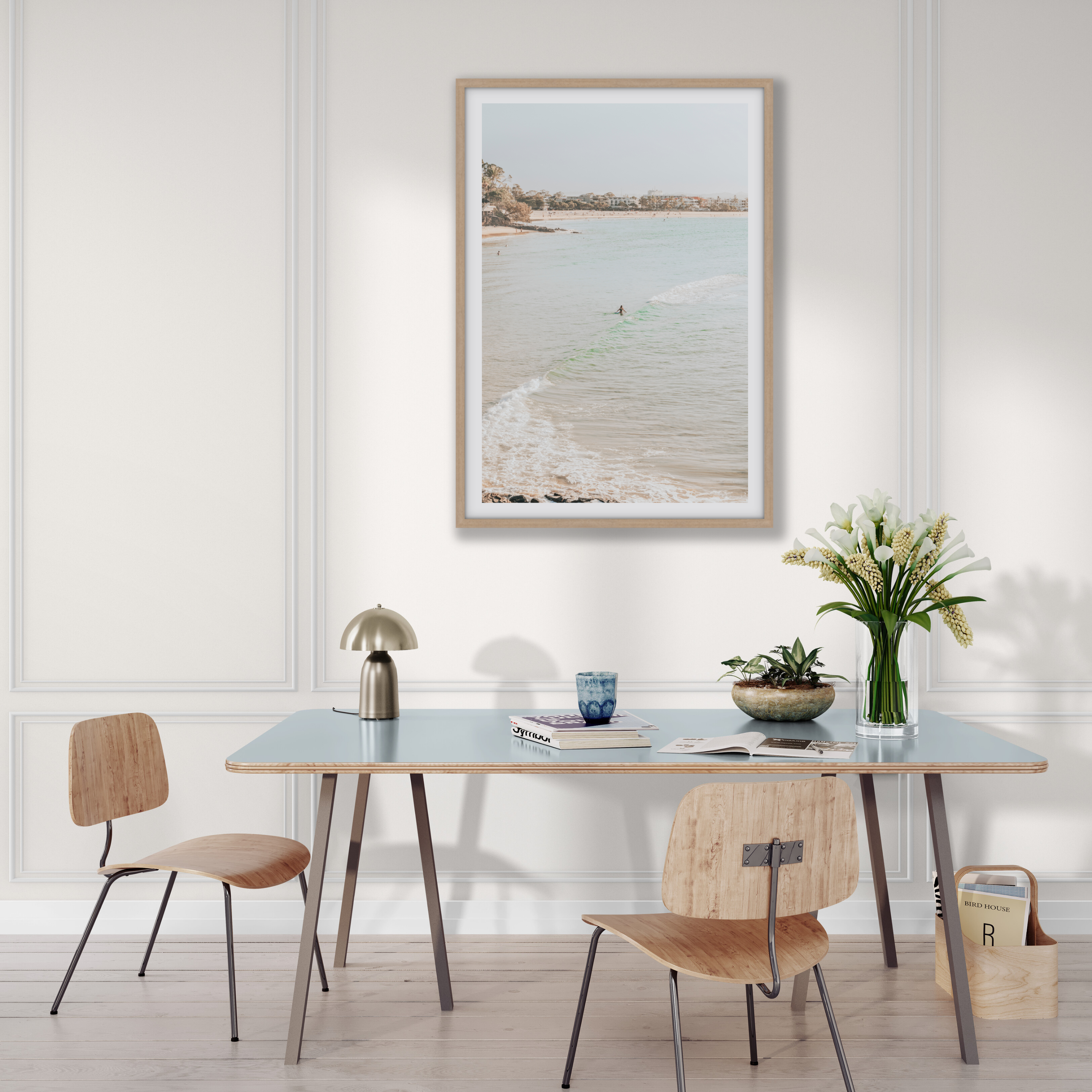
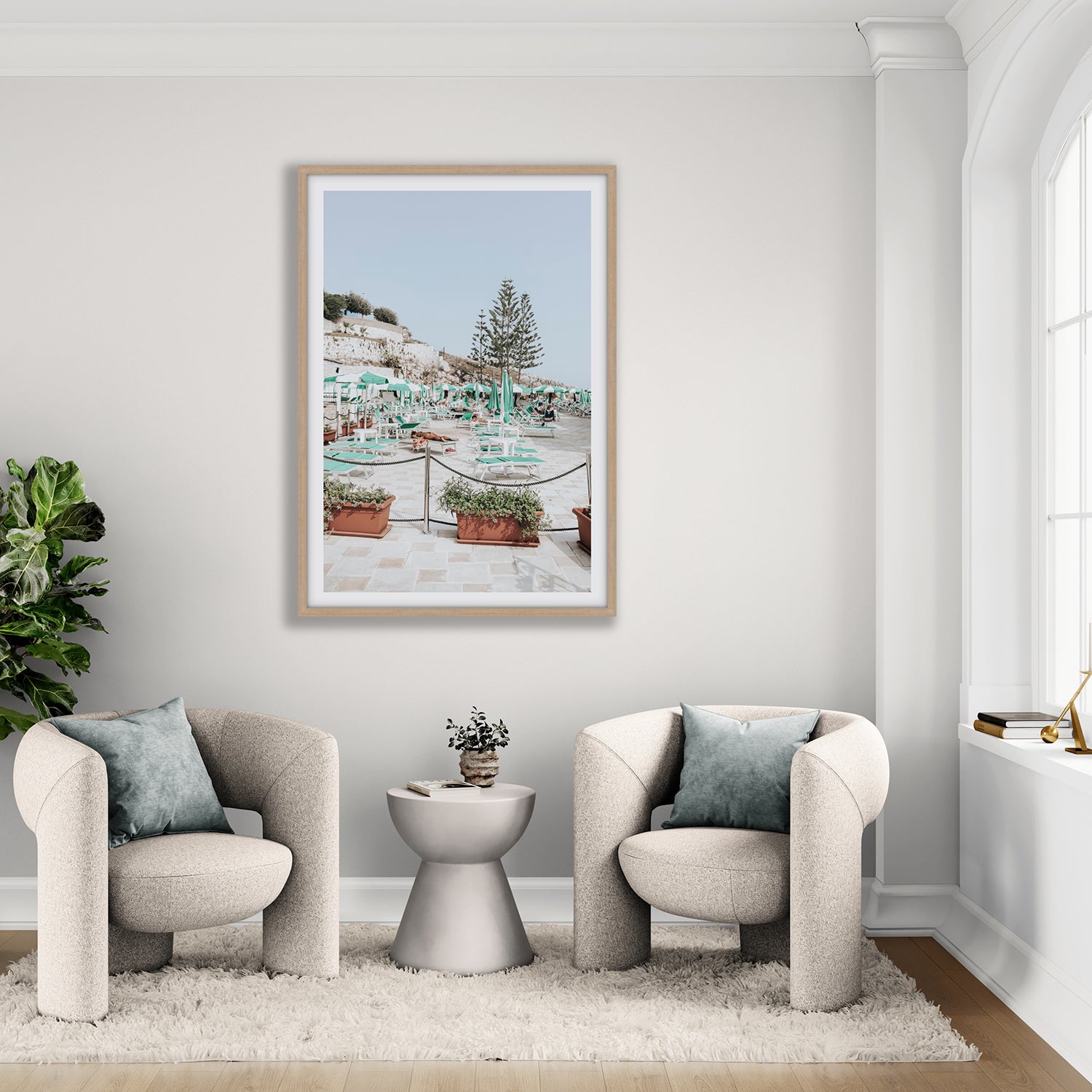
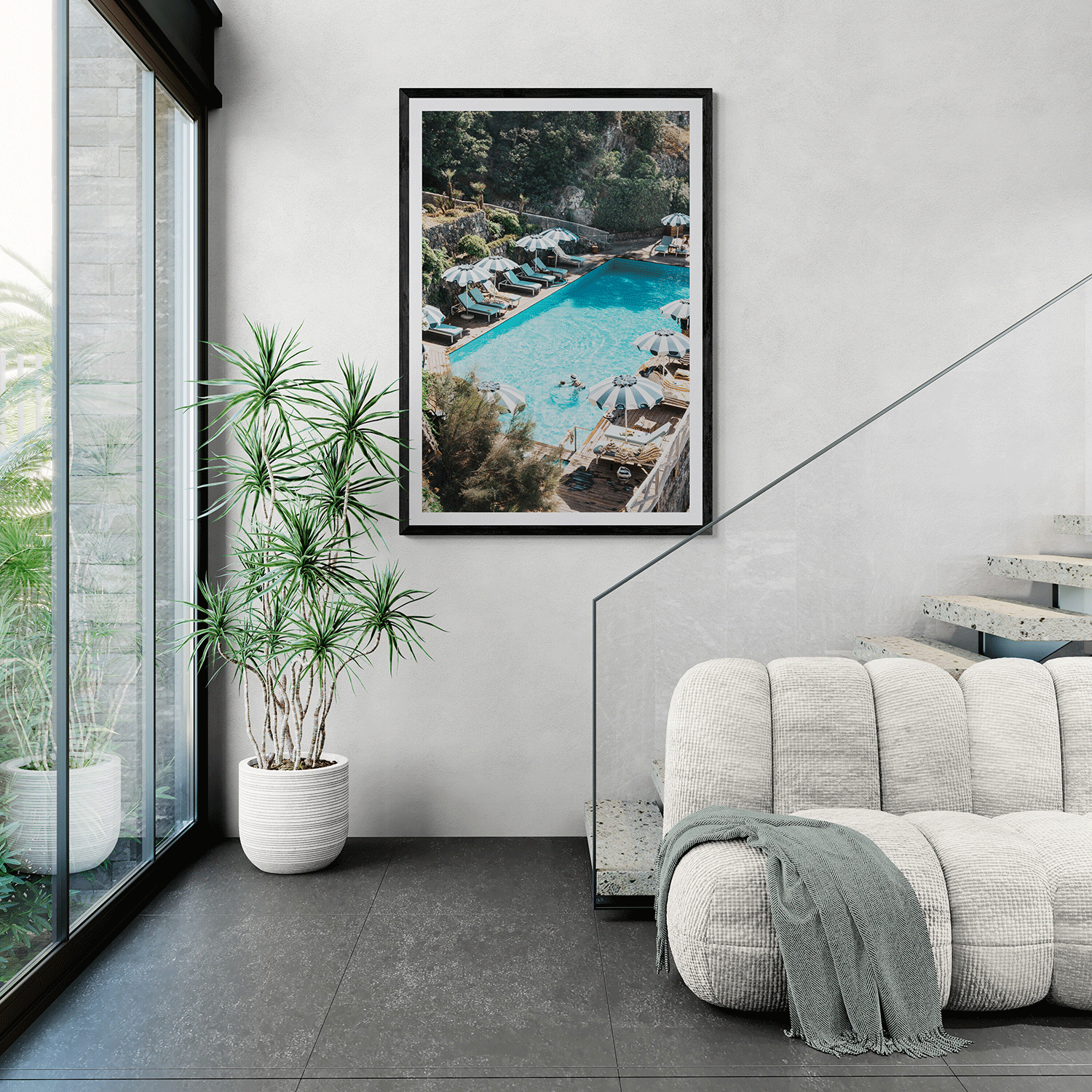
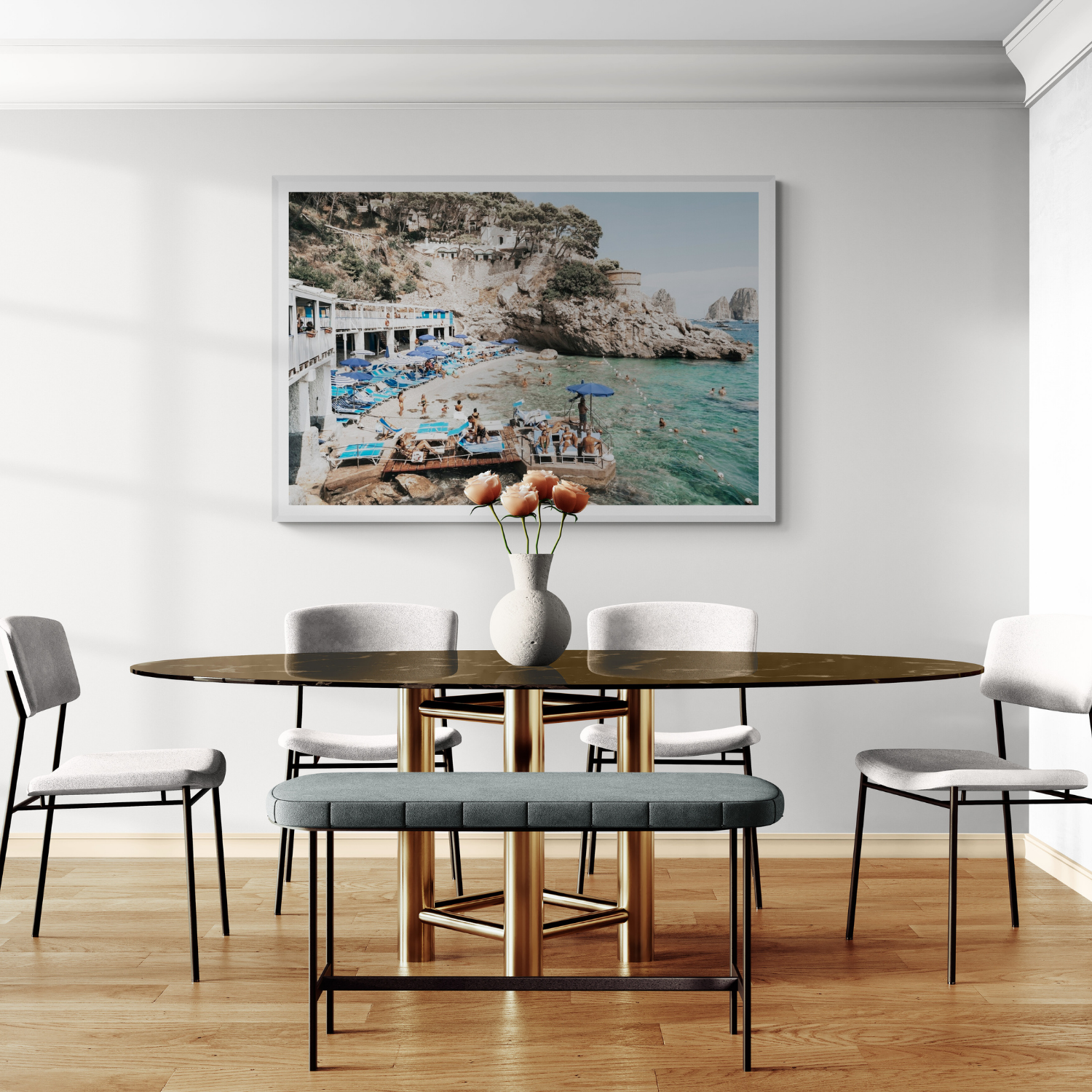
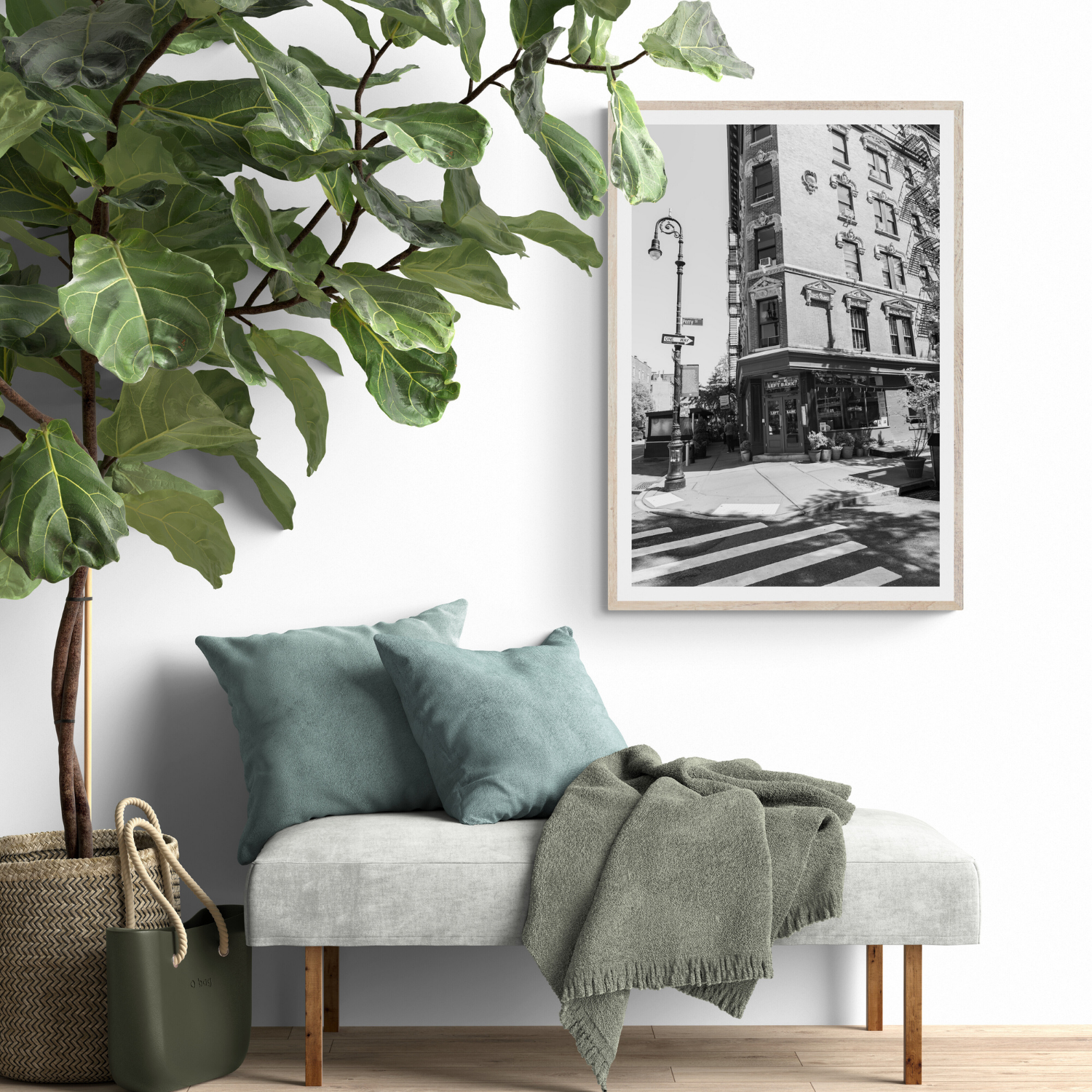
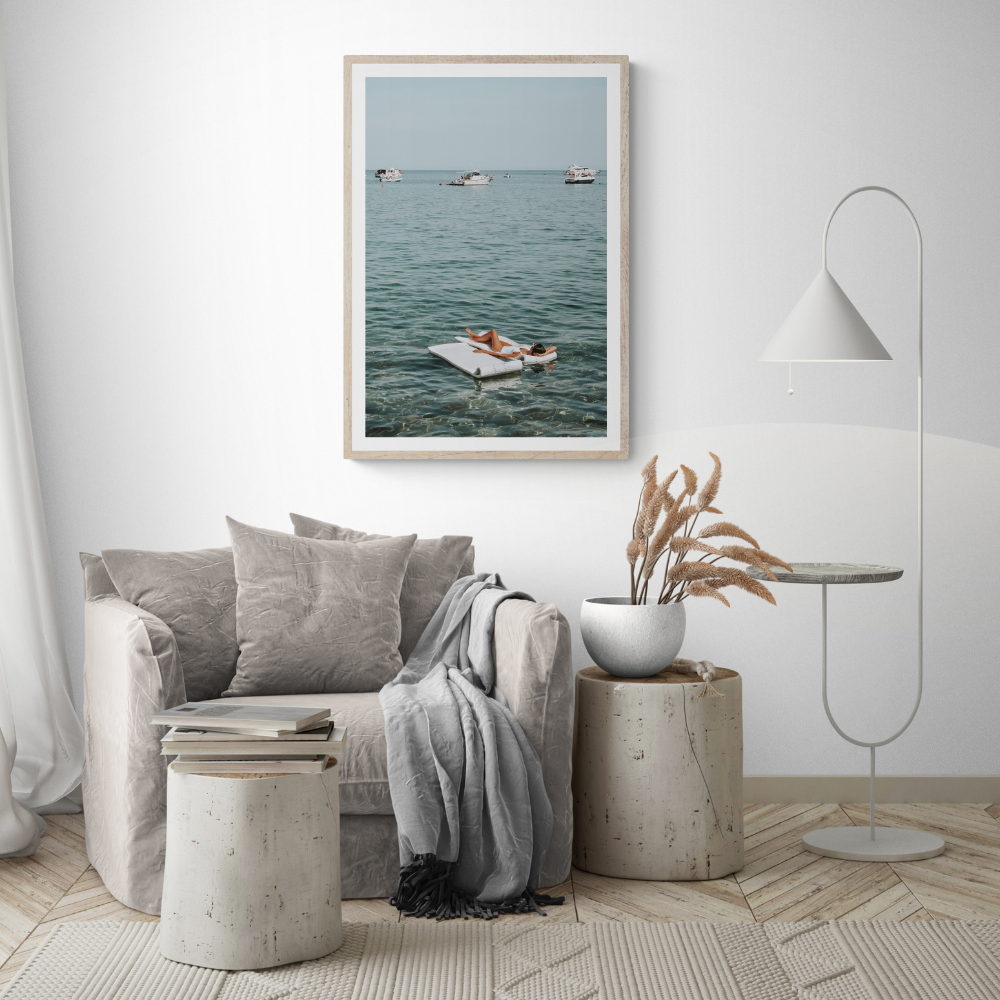

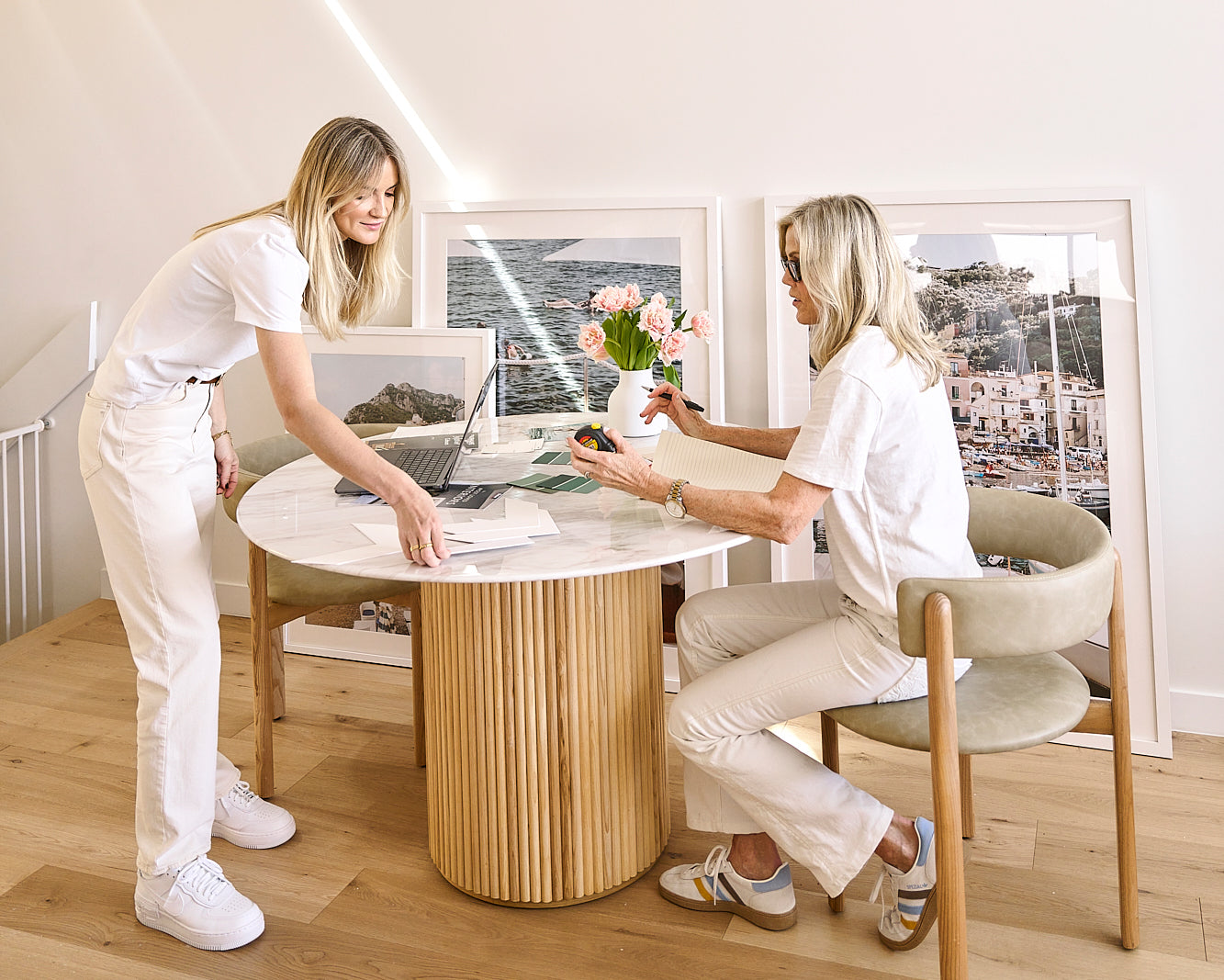
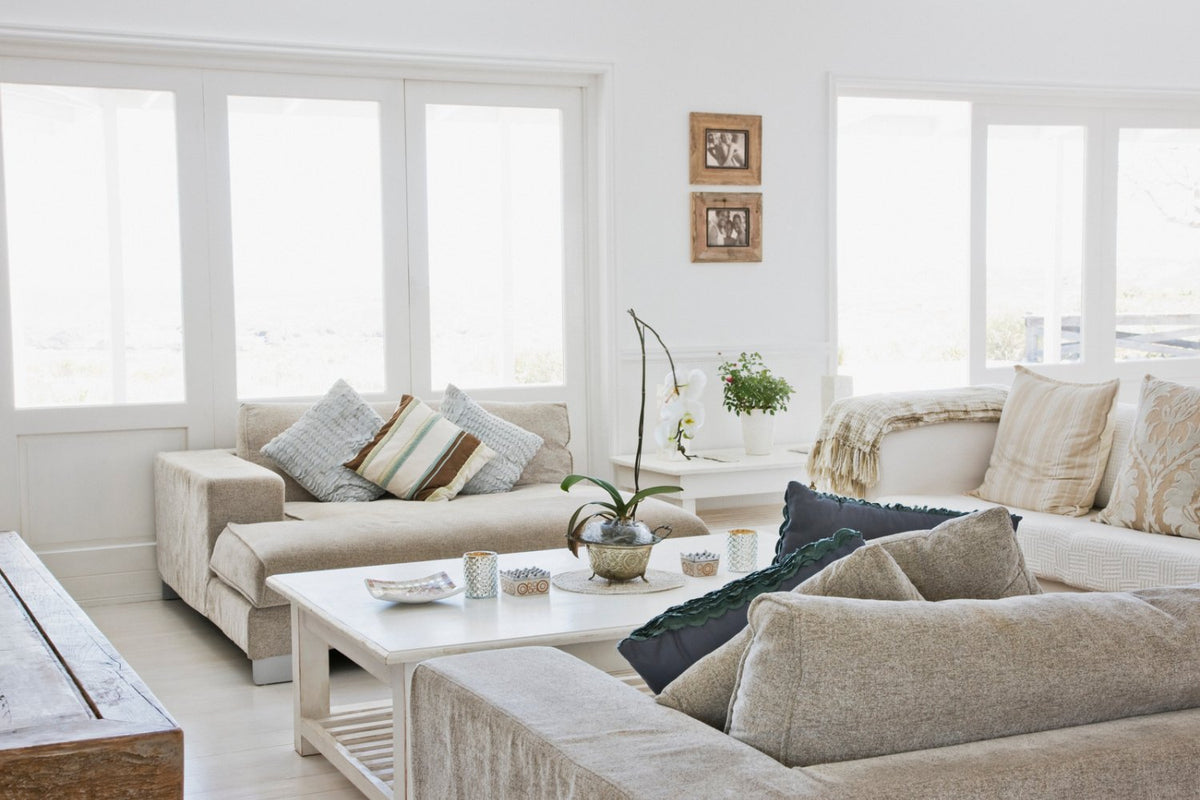

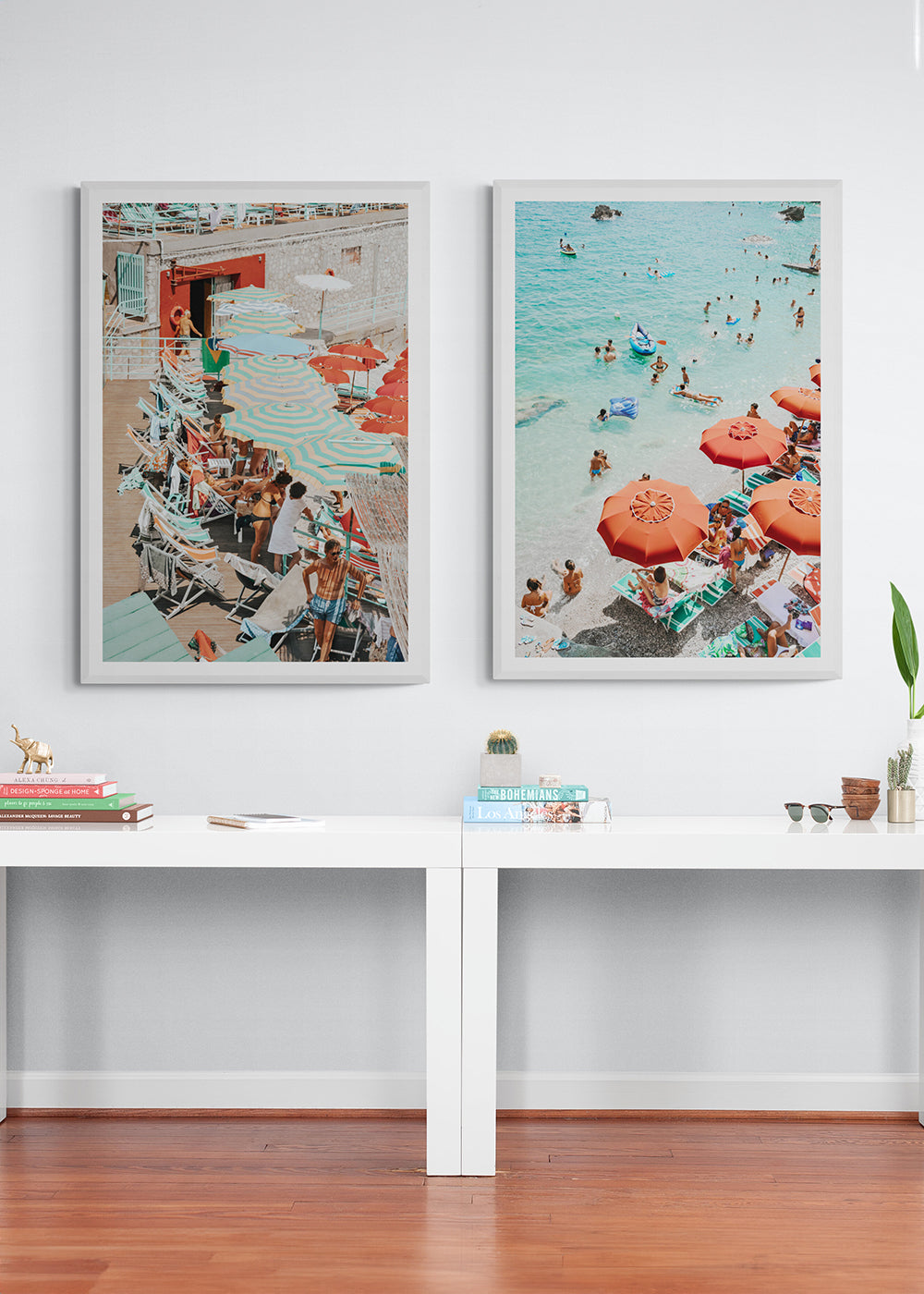

Living-room art is often seen from several positions: entering the room, sitting on the sofa and moving past it. A useful plan considers all three. Start with the furniture and wall you already have, then decide whether the room needs one focal point or a group.
Above the sofa: relate art to the furniture
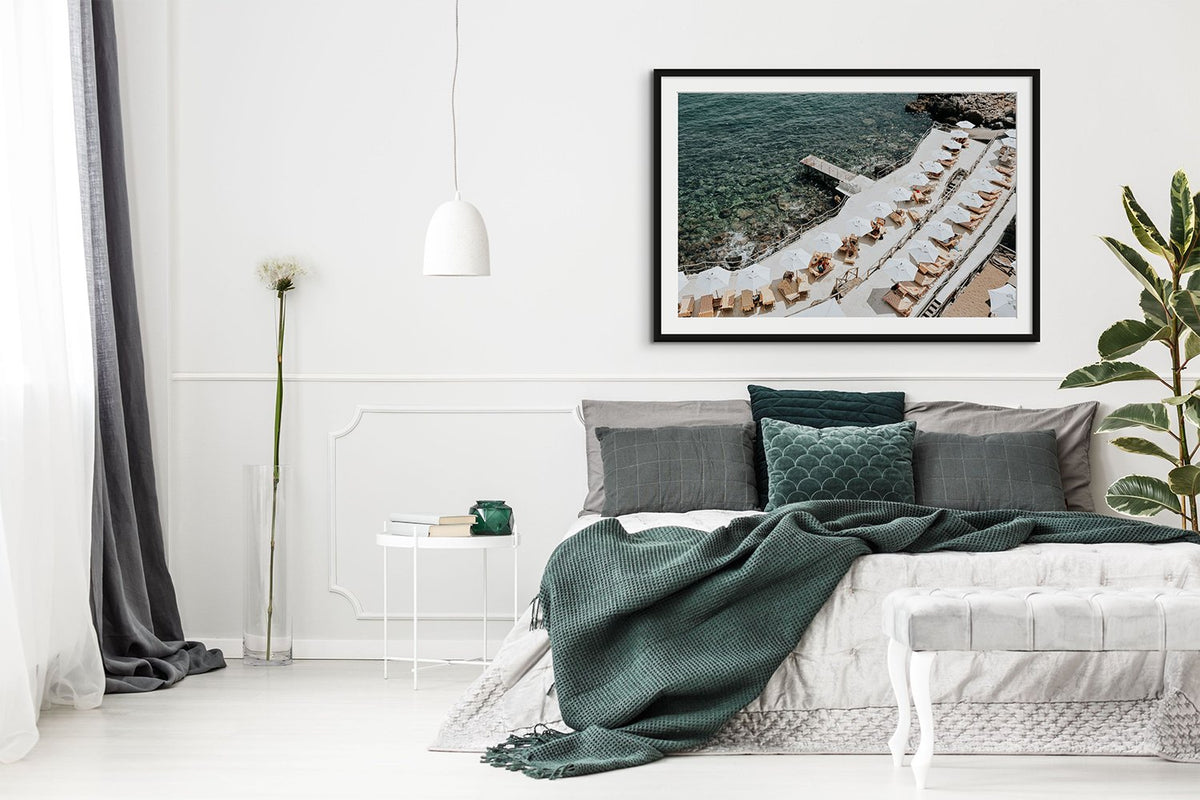
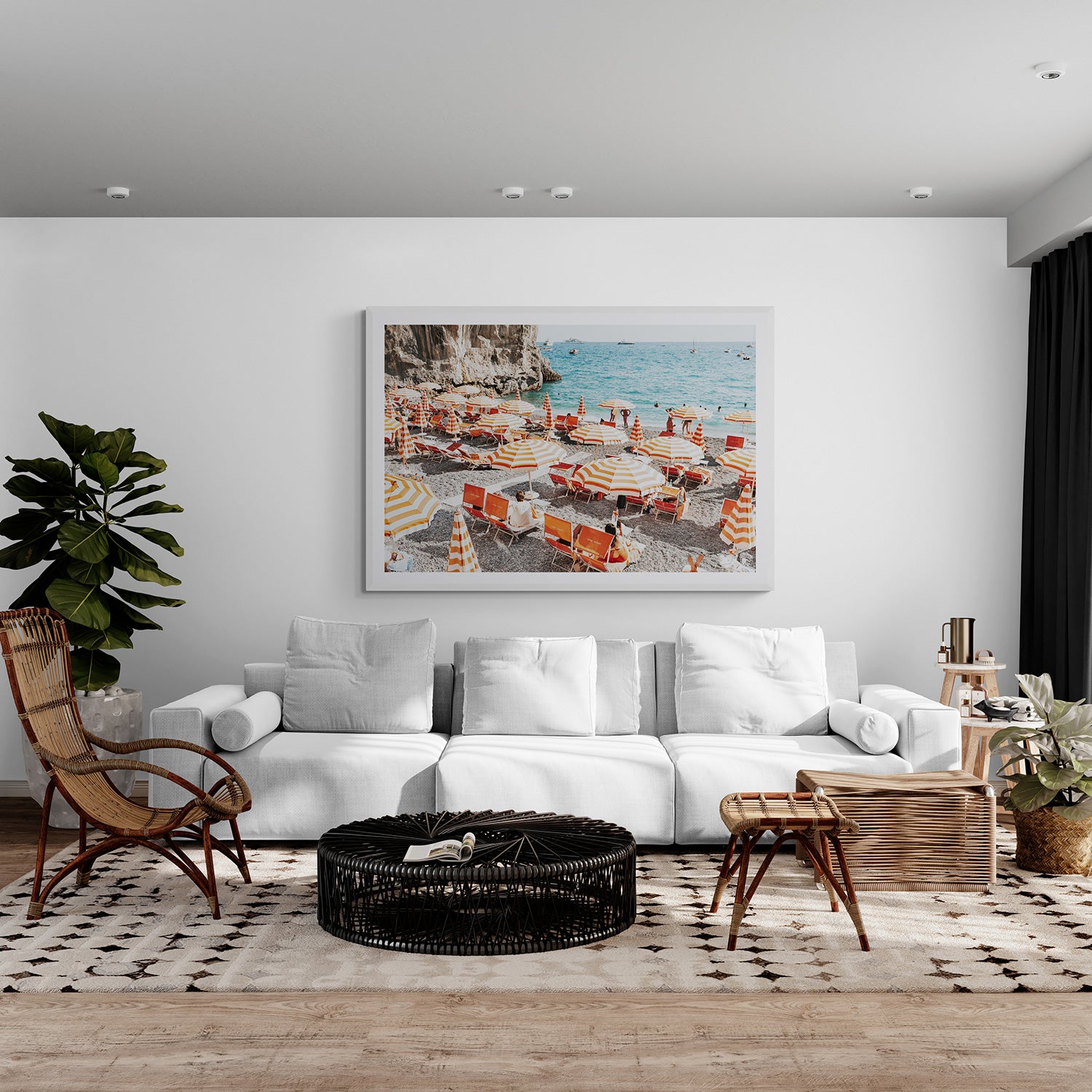
A substantial single work can anchor the seating; a pair can stretch across a longer wall. Measure the complete outside width and mark it with paper before ordering. The sofa art size guide provides a starting ratio, but check nearby lamps and available wall edges too.
Above a console: make a complete vignette
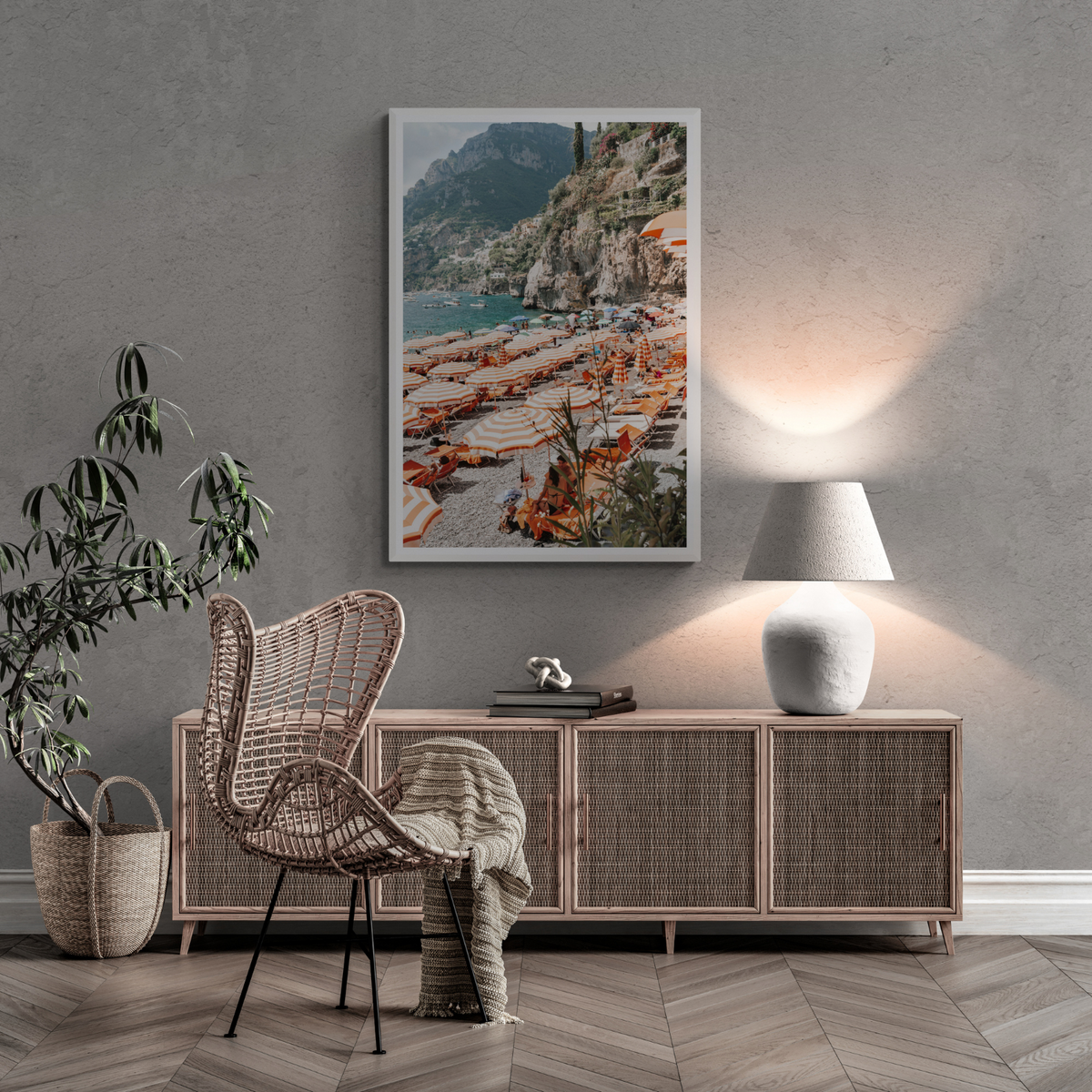
Consider artwork, lamp and objects together. A portrait artwork can add height, while a wider landscape may balance a long cabinet. Avoid placing every object at the same height. Leave room to use the console for keys, books or serving if that is its purpose.
In an open-plan room: define a zone
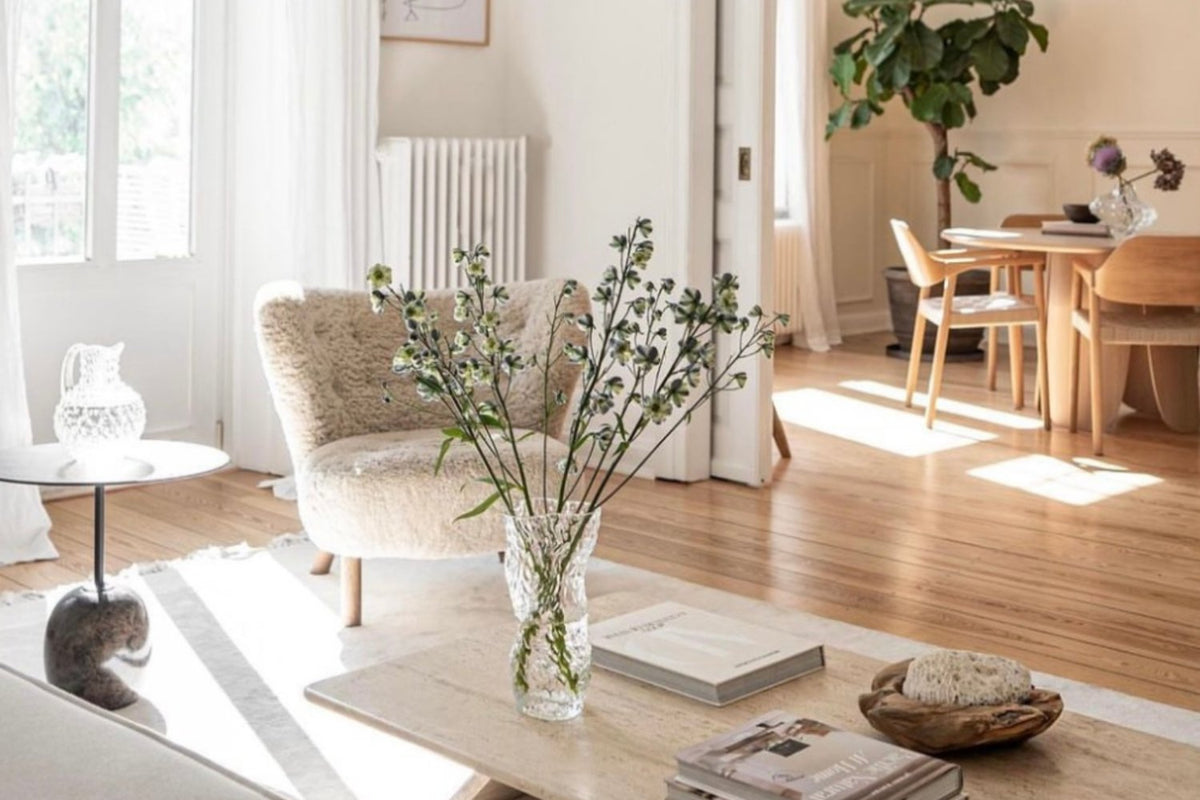
Art can help a seating area feel distinct from dining or work space. Choose a subject or palette that belongs with the zone while sharing one material or frame finish with the wider room. Do not hang a print merely to fill every blank area; some open wall can provide relief.
On a narrow wall: consider portrait and sequence
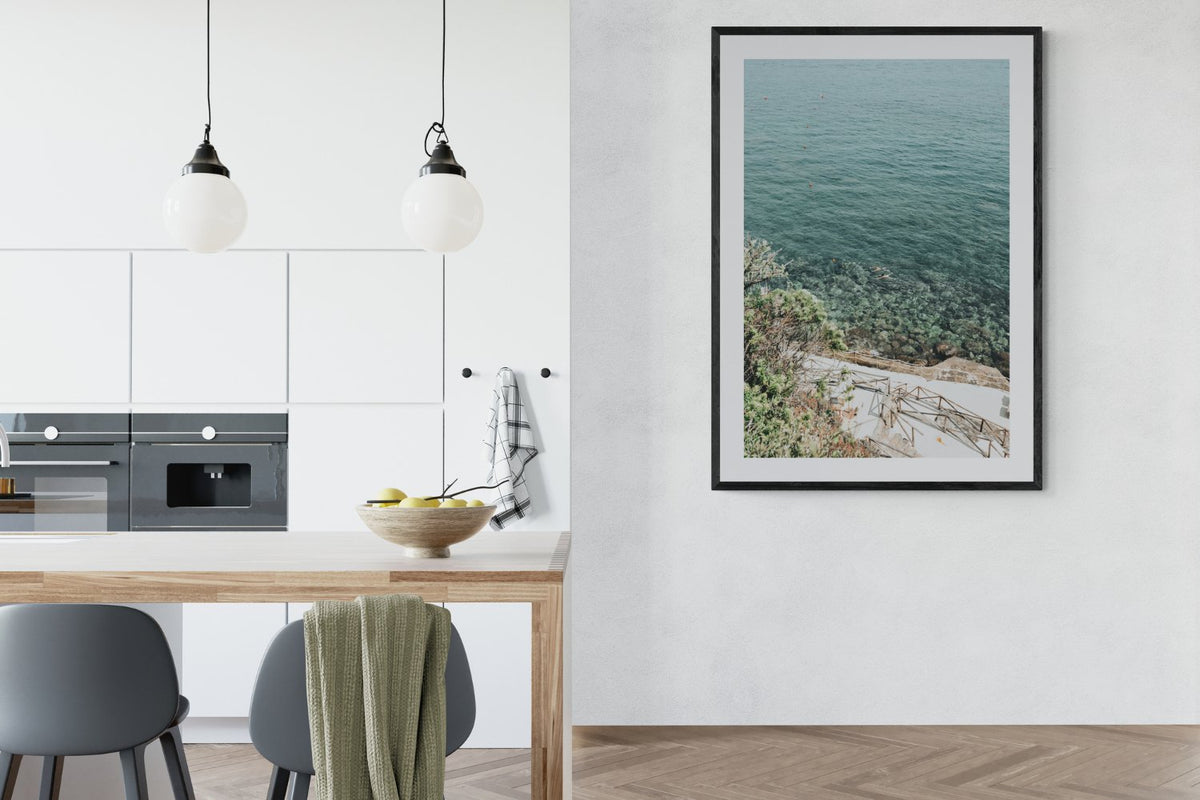
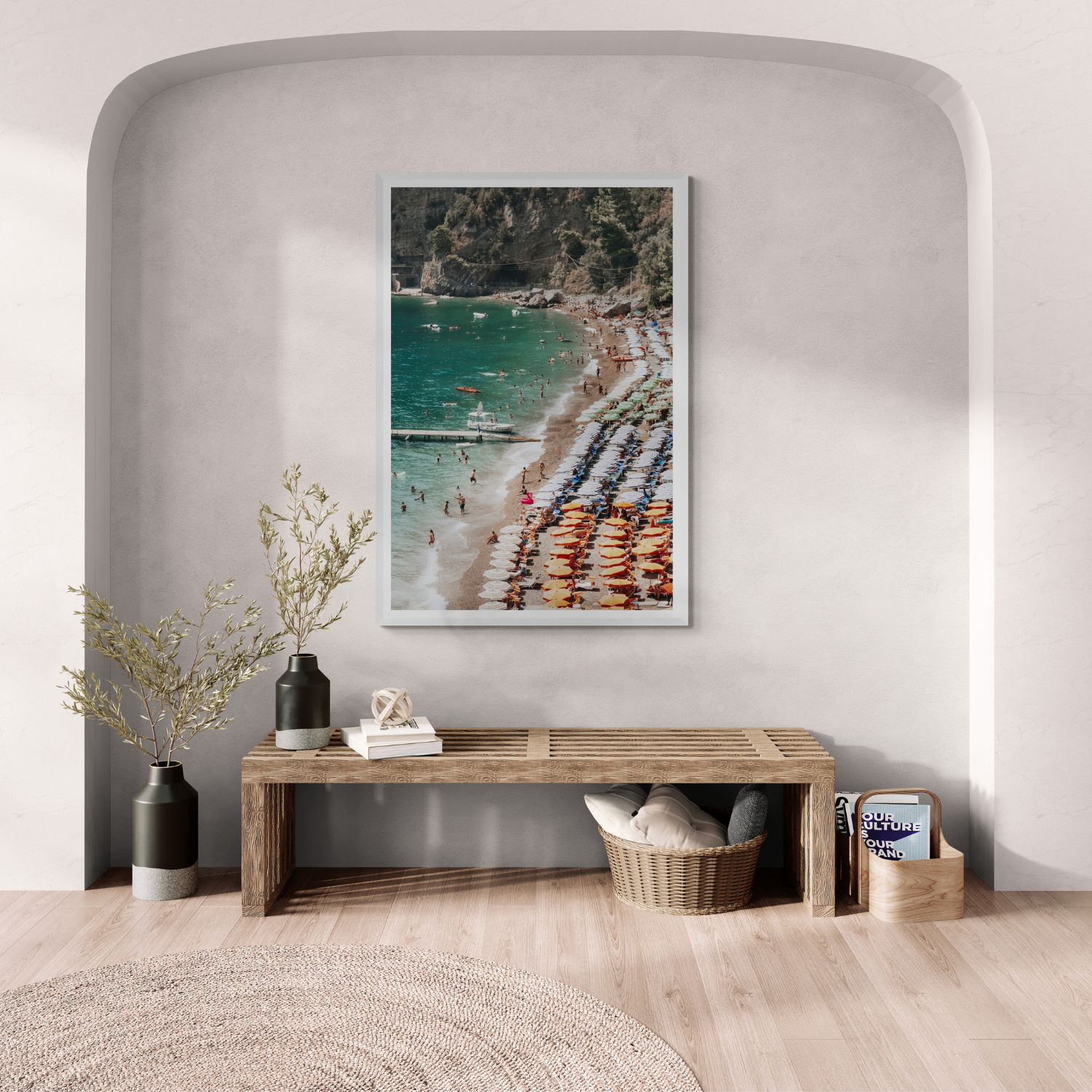
A portrait work can use a vertical strip beside a doorway. Several smaller works can create a measured sequence along a passage, provided they do not crowd switches or movement. Stand at the approach to the wall and check what reads first.
Let the light guide the finish
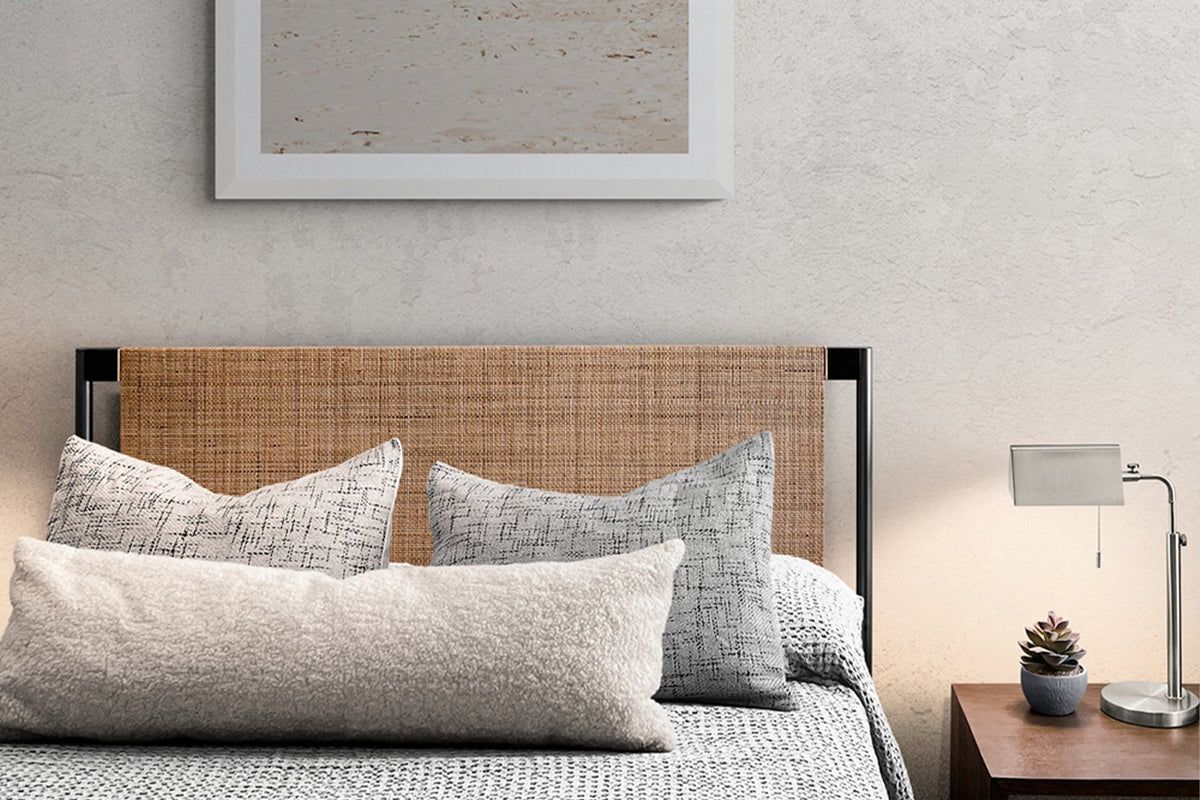
A glossy or glazed surface near a window may reflect from the main seat. Observe the room across the day and at night, then compare paper behind glazing with canvas if both suit the image. The canvas-versus-framed guide explains how presentation changes the look. Choose the art for the room's character, but choose its placement for the room's actual light.
Ready-made print sets solve the pairing question for wider living-room walls, while the coastal hues edit keeps the palette relaxed; for everything at once, browse the complete collection.
The prints in this story — every artwork captured on location by Sally, made to order in your choice of size, finish and handcrafted frame: Sundeck Society · Cliffside Spritz.
Living room recipe
Three decisions that make a living room wall work harder

Choose the focal wall
Let the main print sit where the eye naturally lands, usually above the sofa, console or fireplace.
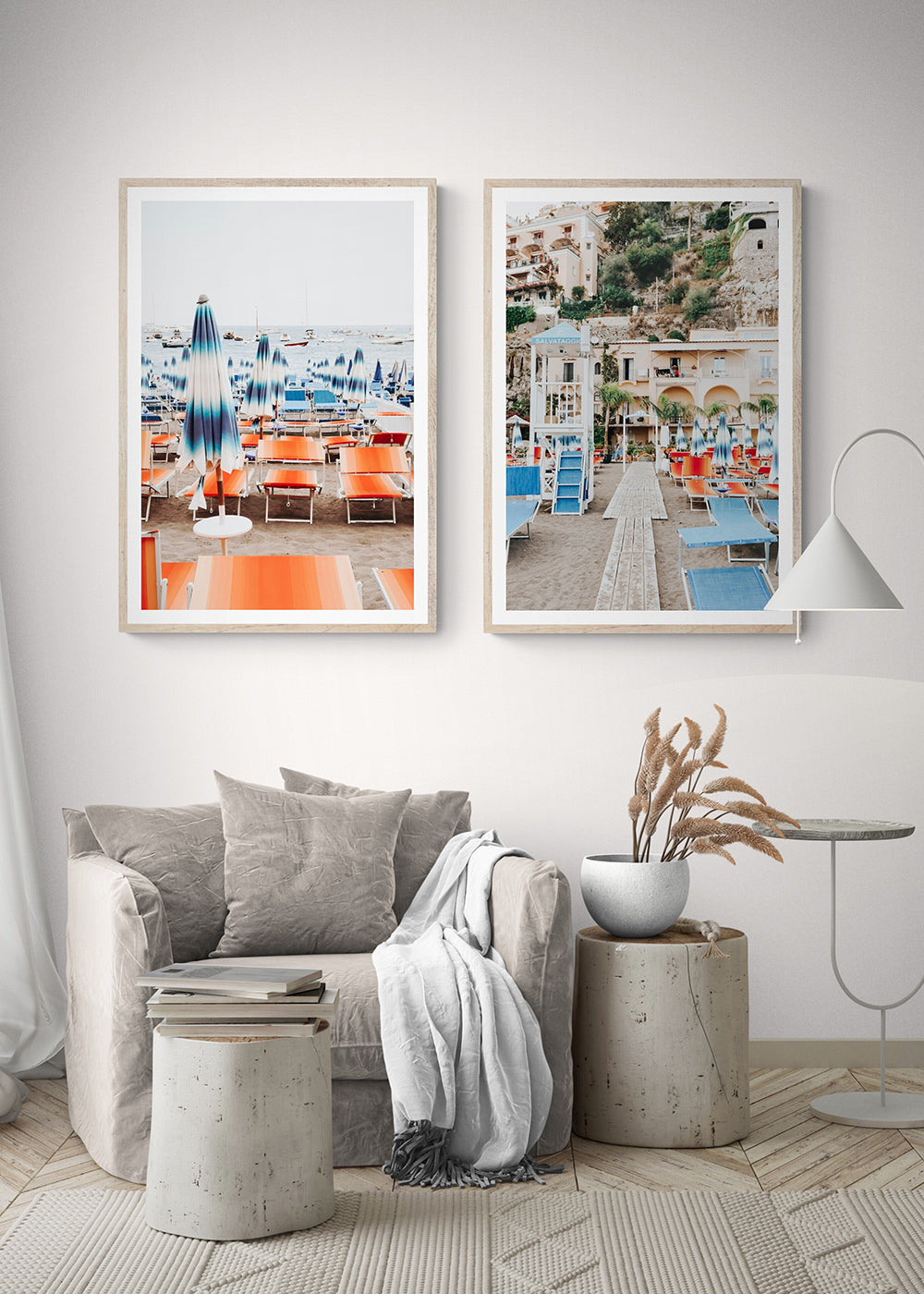
Use a pair for width
Two related prints can make a long wall feel calmer and more intentional than one undersized piece.

Repeat one colour
Pull one tone from cushions, timber, stone or textiles so the artwork feels connected to the room.